2027 Kinesiology Salary by State Report

Co-Founder and Chief Data Scientist
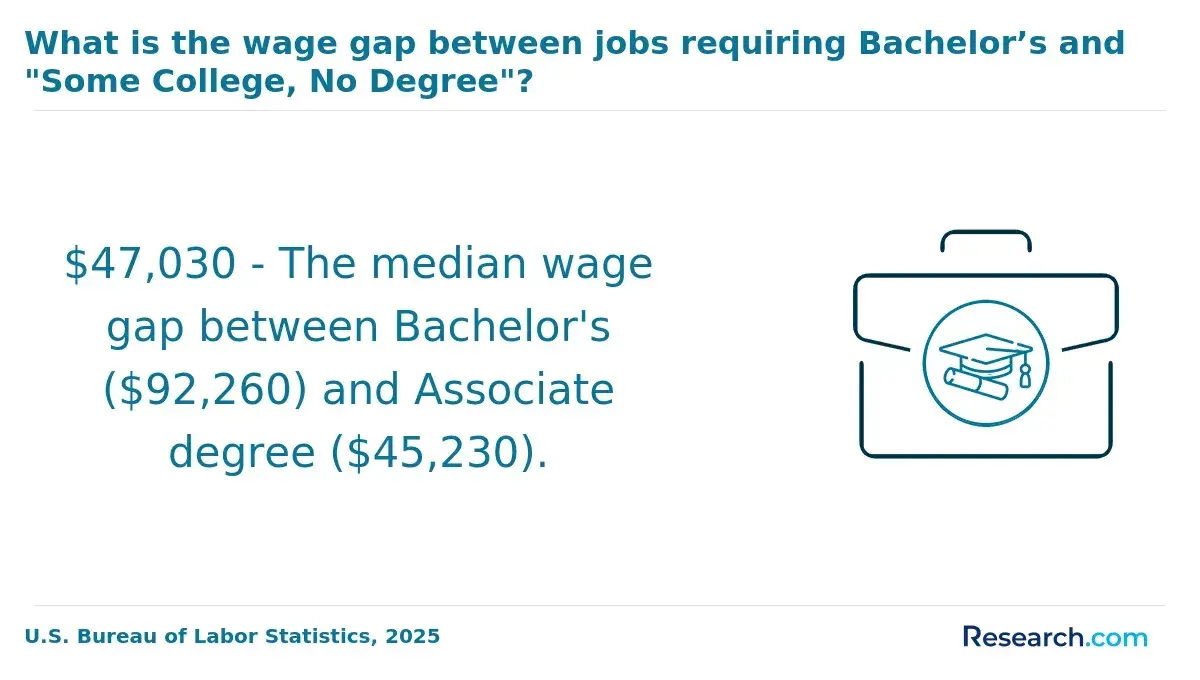
Choosing where to pursue a career in kinesiology has become increasingly complex as salary variations sharply influence long-term financial security and mobility. Professionals relocating for advancement face uncertainty, especially since the U. S. Bureau of Labor Statistics projects above-average growth in exercise science jobs through 2032, intensifying regional competition.
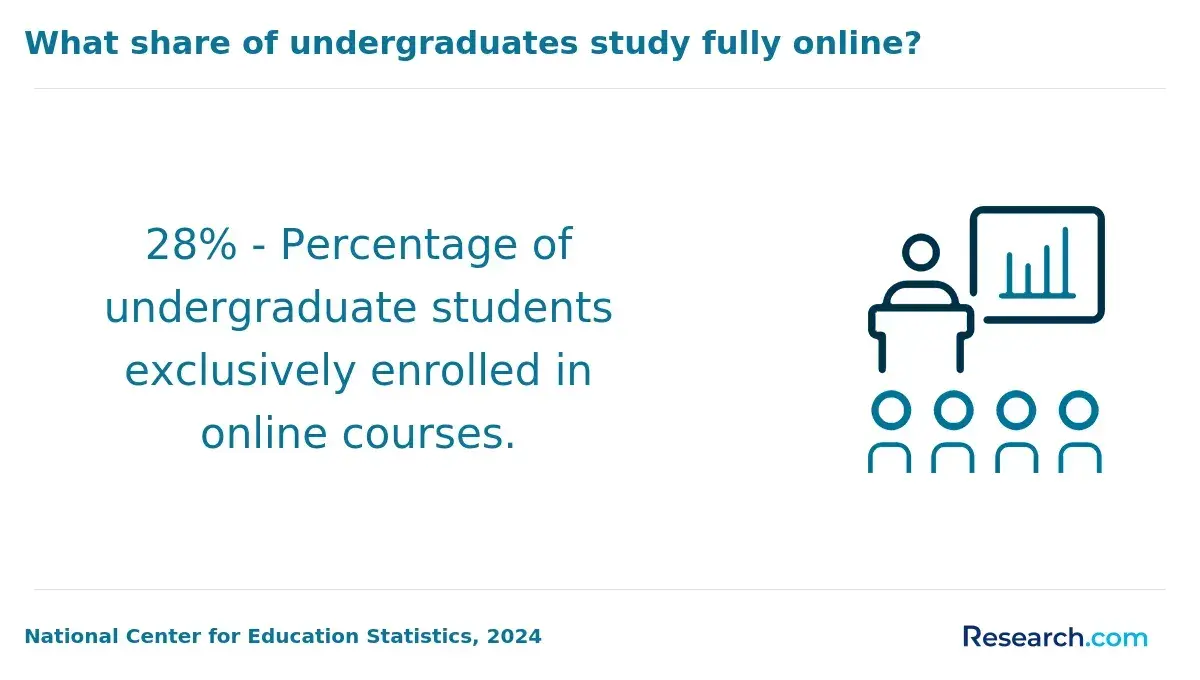
Meanwhile, the rise in adult learners enrolling part-time and remote programs, as documented by the National Center for Education Statistics, alters access and timing for many seeking to balance continuing education with career demands. This report breaks down kinesiology salary differences by state to inform strategic decisions about education and job location for optimal career outcomes.
Key Things You Should Know
- States with robust sports medicine sectors, like California and Texas, offer 12% higher kinesiology salaries but require advanced certifications, creating a tradeoff between immediate earnings and credentialing time.
- Employers increasingly favor candidates with integrated health science experience; 61% in healthcare facilities prefer kinesiology graduates with applied biomechanics skills, pressuring curricular focus on interdisciplinary competence.
- Median program costs vary 40% nationwide, impacting access; regions with lower tuition concentrations show delayed workforce entry by 6 months on average due to extended part-time study patterns, influencing career pivot timing.
What is kinesiology and how does it translate into different career paths and settings?
Realistic kinesiology career opportunities by state showcase how geographic and sectoral factors influence salary variations and job availability. For instance, working as a rehabilitation aide in an outpatient clinic demands familiarity with injury mechanisms and the ability to collaborate with licensed therapists, with salaries typically ranging from $70,686 to $75,189. This role requires additional certifications beyond a baseline kinesiology degree but offers more predictable, salaried income within clinical settings.
Contrastingly, kinesiology professionals employed as corporate ergonomists prioritize workplace safety through data analysis and regulatory adherence rather than direct patient interaction. These roles often differ markedly in compensation structure and skill requirements compared to clinical positions. Likewise, in fitness and wellness sectors-such as personal training or health coaching-earnings are frequently commission-based and variable due to industry fragmentation.
These distinctions are critical when assessing kinesiology job settings and salary variations. Graduates must weigh the tradeoffs between entering the workforce immediately with modest pay or investing in advanced certifications or graduate degrees to increase competitiveness and earnings potential. Strategic alignment with market demand and employer expectations also affects mobility and salary trajectory within this approximately $70K median-paying field.
Exploring online exercise science programs can provide alternative pathways for those evaluating flexible education options that influence employment outcomes and regional salary prospects.
What are the typical kinesiology salary ranges by state in the United States?
Kinesiology salary range by state United States reveals pronounced disparities shaped by local economies, healthcare infrastructure, and industry presence. Massachusetts, Alaska, and California often top average kinesiology earnings across US states, exceeding $75,000 annually due to robust clinical, academic, and sports medicine sectors. In Massachusetts, wages surpass $80,000, attracting those with advanced qualifications targeting clinical rehabilitation or research roles. Alaska's near $75,000 average compensates for isolation and high living costs, rewarding professionals in specialized wellness roles in remote areas. California's approximate $78,000 salary reflects its sizeable biotech and sports medicine markets.
Contrastingly, many Midwestern and Southern states report averages between $45,000 and $60,000, often correlating to fewer specialized kinesiology positions and limited healthcare resources. For instance, a kinesiologist working in a rural outpatient rehab facility in Ohio may earn around $50,000, illustrating tradeoffs between accessibility and salary potential.
Success in kinesiology depends on balancing geographic salary variations with credential demands and licensure hurdles. Higher-paying states typically require advanced degrees and certifications, which affect time and financial investment. Prospective students should consider these factors alongside local market saturation and relocation costs.
For those exploring accelerated educational pathways, an accelerated healthcare management degree online can offer streamlined credentialing aligned to evolving industry needs and may support strategic pivots within allied health fields.
Planning a kinesiology career involves weighing immediate entry ease against long-term wage growth and employment stability, with regional salary data serving as a practical benchmark for informed decision-making.
Which states offer the highest and lowest paying kinesiology jobs right now?
States with the highest paying kinesiology jobs by state reflect significant disparities in workforce demand and specialization opportunities. California, Texas, and New York lead with salaries well above the national median, surpassing $70,000 annually in California due to expansive healthcare systems, pro sports franchises, and advanced clinical roles. These environments require kinesiologists to operate within integrated teams alongside physical therapists and sports scientists, often demanding specialized certifications and familiarity with advanced assessment technologies.
In contrast, the lowest wage states for kinesiology careers such as Oregon, Montana, and Arkansas tend to offer positions focused on entry-level fitness or basic rehabilitation support. Oregon's average salaries frequently fall below $45,000, reflecting smaller populations and limited access to specialized healthcare infrastructure. Such conditions create barriers to professional growth without relocation and offer fewer incentives for pursuing higher-specialization credentials.
Career-oriented professionals must evaluate these conditions carefully. Relocating to a high-paying state can enhance access to elite clinical roles but also involves navigating competitive markets and higher living costs. Staying in lower-paying regions may align with community-focused priorities but limits compensation ceilings and long-term advancement.
For those contemplating education pathways aligned with kinesiology and healthcare management, considering a cheapest master's in healthcare administration can provide strategic leverage for entering interdisciplinary healthcare leadership roles where kinesiology expertise pairs with administrative skills.
How do education level and specialization impact kinesiology salaries across states?
Education level and specialization create distinct wage trajectories within kinesiology salary differences by education level in US states, directly impacting employability and long-term income potential. Entry-level kinesiology roles nationally average about $47,831 annually, with most earnings between $40,500 and $52,000. Candidates holding only a bachelor's degree often secure foundational positions such as fitness training or rehabilitation assistance but frequently encounter salary ceilings without further credentials.
Specialization drives state-by-state impact of specialization on kinesiology earnings, particularly in areas with robust healthcare or sports sectors. For instance, professionals with a master's degree emphasizing clinical kinesiology in California or Texas can earn 15-25% more than the national entry-level average, reflecting regional demand in physical therapy and healthcare services. Conversely, general kinesiology graduates in lower-cost states often find salaries closer to the 25th percentile, constrained by local economic conditions and budgetary limits.
Employers increasingly prefer certifications and niche expertise-ergonomic assessments for corporate wellness often yield higher compensation than general kinesiology roles in community fitness. This dynamic underscores how job complexity and accountability influence wages. Prospective students should balance the greater time and cost for advanced degrees against enhanced earnings, especially if targeting states with established healthcare or professional sports hubs.
Those navigating this pathway might also review resources like top rated online nursing schools WGU to understand comparative credential outcomes in health-related fields, informing strategic decisions for career pivots or advancement.
What types of kinesiology jobs are in highest demand and what do they pay?
Jobs in exercise physiology, physical therapy assistance, and sports coaching currently dominate demand within kinesiology, but salary progression depends heavily on experience and specialization. Entry-level exercise physiologists often start near $35,000 annually, a figure that rises significantly with certifications and accrued clinical hours. Similarly, physical therapist assistants command median salaries around $48,000, owed to growing industry needs for rehabilitation workers across healthcare.
Specialized roles like occupational therapy aides or strength and conditioning coaches tend to garner higher pay scales, reflecting their necessary technical skills and certification expenses. For example, mid-career professionals average about $42,300 yearly, while senior-level roles reach roughly $70,600, demonstrating a strong correlation between credentialing, leadership roles, and compensation.
A practical scenario includes a mid-level strength and conditioning coach within a collegiate athletic department earning between $45,000 and $55,000, with senior positions overseeing multiple programs pushing pay into the mid-$70,000 range. This trajectory underscores the value of certifications such as those from the National Strength and Conditioning Association (NSCA) or licensure as a Clinical Exercise Physiologist.
Prospective kinesiology professionals must evaluate tradeoffs between lower entry salaries in community fitness settings and the gains possible through advanced clinical or coaching credentials. Employers increasingly expect candidates who integrate academic knowledge with hands-on rehabilitation, injury prevention, and performance optimization skills to address real workforce challenges.
What degrees and prerequisites do you need for a kinesiology career?
Pursuing a bachelor's degree in kinesiology or exercise science remains the most direct route to entry-level roles such as fitness trainers, wellness coaches, or physical therapy aides. However, the degree alone is insufficient for clinical or specialized positions. Candidates must also complete prerequisite science courses in biology, chemistry, and physics to progress. For example, rehabilitation centers often prefer applicants with physical therapy assistant certifications alongside kinesiology coursework rather than those with only a general degree, reflecting a clear preference for applied skills combined with academic knowledge.
Advancing into licensed physical therapy requires completing a Doctor of Physical Therapy (DPT) degree, which demands a strong undergraduate GPA, relevant internships or volunteer experience, and prerequisite courses including human anatomy and pharmacology. According to Bureau of Labor Statistics May 2023 data, physical therapists earn a mean annual wage of $100,440, with higher earnings concentrated in the top decile, setting a financial benchmark for those aiming for clinical specialization.
Researchers typically seek graduate degrees in kinesiology, motor behavior, or biomechanics, emphasizing quantitative skills and GRE results. While certifications such as strength and conditioning or clinical exercise specialist can enhance employability, these are rarely adequate without the corresponding degree level. Students should weigh the tradeoff between entering the workforce early with a bachelor's versus investing time and money in advanced degrees for higher earning potential and specialization.
Strategically, accumulating hands-on clinical or research experience in tandem with formal education is increasingly vital for job market competitiveness.
How do online kinesiology programs compare with campus programs for quality and outcomes?
Online kinesiology programs often fall short in delivering the hands-on experience demanded by employers, primarily due to limited access to labs and in-person coaching essential for skill mastery. This gap affects competency in physical assessment and rehabilitation tasks, which are critical for many kinesiology roles. Graduates from these programs frequently need costly and time-consuming externships to bridge practical skill deficits.
In contrast, campus-based programs embed applied learning through facilities such as motion analysis labs, kinesiology clinics, and structured internships. This integrated clinical training aligns more closely with employer expectations and correlates with higher median wages in regions like Alberta and Saskatchewan, where wages reach $37.63 and $36.92 per hour respectively-above the national $32.00 average.
Working professionals weighing online options must consider this tradeoff between flexibility and immediate skill acquisition. While online programs offer scheduling convenience, they often require proactive effort to secure quality clinical placements afterward. Fields such as sports therapy and occupational health may impose licensure mandates reliant on supervised physical experience, creating potential delays in meeting credentialing requirements.
Prospective students should rigorously assess programs for accreditation, embedded practicum opportunities, and alignment with state licensing rules. Without structured in-person practice, graduates risk being theoretically proficient yet technically underprepared for client-facing kinesiology roles.
How can you verify that a kinesiology program is properly accredited and respected?
Choosing a kinesiology program without verifying its accreditation and market alignment risks limited job prospects and stagnant wages. Regional accreditation from agencies like the Higher Learning Commission or Middle States Commission ensures foundational academic quality, but true program value comes from specialized endorsements such as those from the Commission on Accreditation of Allied Health Education Programs (CAAHEP), especially for clinical tracks or certification prep.
Employers prioritize graduates with curricula that align closely to workforce needs in biomechanics, motor control, and physiology. Publicly accessible outcomes-graduation rates, job placements, and certification exam pass rates-offer tangible evidence of program effectiveness rather than relying on institutional reputation alone.
Workforce data reveal meaningful pay disparities across industries employing kinesiology graduates: for instance, the telecommunications sector averages $41,518 compared to $33,256 in healthcare and $29,122 in hospitality, according to Zippia's 2026 analysis. This underscores that programs enabling versatility across sectors enhance long-term salary potential.
Prospective students should focus on programs that demonstrate curricular responsiveness to labor market demands and transparent graduate outcomes. Validating employer partnerships and certification attainment is critical to safeguarding education investments and avoiding pathways that funnel graduates into oversaturated or low-wage segments.
Practical steps include checking accreditation databases, evaluating curriculum versus labor market reports, and confirming certification success rates to ensure credentials meet current, actionable workforce criteria.
What is the job outlook for kinesiology graduates in different regions and settings?
Job prospects for kinesiology graduates depend heavily on location and employer priorities, with healthcare hubs like California, Florida, and Texas presenting the strongest demand. These states feature abundant roles in rehabilitation centers, physical therapy clinics, and community wellness programs. In contrast, rural or underserved regions necessitate broader skill sets or acceptance of lower pay. This regional disparity requires deliberate career planning, especially for those unwilling or unable to relocate.
Clinical employers increasingly require certifications in exercise physiology or therapeutic modalities, linking credentials to measurable patient outcomes and insurance reimbursements. In urban sports and fitness sectors, kinesiology specialists often fill performance enhancement roles but face more volatile compensation and job stability compared to healthcare settings. Corporate wellness and public health roles offer alternative pathways but are sensitive to fluctuating regional health budgets and policy emphasis.
Long-term salary growth in kinesiology correlates with advanced credentials and licensure, which vary by state. Prospective professionals should weigh the cost-benefit of certifications and degrees against the variable employment landscapes. Networking within multidisciplinary teams improves placement odds, yet navigating differing licensing and employer expectations remains a pivotal challenge.
- Higher wages typically cluster in states with dense healthcare infrastructure.
- Certification enhances access to insured clinical roles but requires upfront investment.
- Sports and fitness roles offer flexibility but less financial security.
How can students compare kinesiology schools and choose the right program for their goals?
Choosing a kinesiology program requires prioritizing alignment with specific career goals and local labor market realities rather than relying solely on program reputation or duration. For example, a student targeting clinical rehabilitation should focus on programs offering practical internships in healthcare environments instead of exclusively research-driven curricula. This directly affects employability and income potential, considering kinesiology professionals earn between $48,620 and $104,881 annually in the U.S., per Talent.com's 2026 data.
Key evaluation criteria include accreditation and faculty expertise, but assessing curriculum relevance is equally critical-programs integrating biomechanical analysis or sport-specific conditioning typically provide better preparation for emerging industry demands. Regional labor market data must guide decisions, given significant variation in hiring trends and salary ranges by state.
Students balancing constraints like tuition costs and program length should weigh accelerated options with cooperative education, which often enable faster entry into well-paying roles compared to traditional four-year paths without field experience. Employer partnerships and alumni job placement rates often reflect a program's real-world effectiveness.
Credentialing requirements in subfields such as exercise physiology and athletic training shape eligibility for certifications that influence advancement and salary. A data-driven comparison that incorporates these dimensions better equips students to select kinesiology programs tailored to sustainable career trajectories.
Other Things You Should Know About Kinesiology
In 2027, kinesiology salaries differ significantly by state. For instance, California, New York, and Massachusetts tend to offer higher average annual salaries, often exceeding $65,000, due to a higher cost of living and demand for specialists, while states like Mississippi and Oklahoma might offer averages closer to $45,000.
Specialization decisions must align with clear career goals and local market demands. For example, exercise physiology or rehabilitation focus areas often yield better employment outcomes in states with robust healthcare infrastructures, while biomechanics or sports psychology may be more niche and geographically limited. Students should investigate state-specific employer needs and prioritize specializations that optimize job placement rather than personal interest alone.
Additional certifications such as Certified Strength and Conditioning Specialist (CSCS) or Clinical Exercise Physiologist credentials significantly improve job prospects and salary in several states. Employers often expect these credentials to validate specialized expertise beyond the degree. Prioritizing certification acquisition immediately after graduation is critical in competitive markets to differentiate candidates and secure higher-paying roles.
Clinical employers prioritize hands-on experience, licensure, and certifications, often demanding internships or residencies in accredited health facilities. Non-clinical roles focus more on research skills, data analysis, or wellness program development, with less emphasis on clinical hours. Candidates should tailor educational and experiential choices to maximize fit with their target sector and understand the practical differences in day-to-day responsibilities and employer expectations.
References
- Is Your Online Degree Legitimate? How to Verify Private University Approval https://matchtocollege.com/blog/verify-private-university-online-degree-approval
- Building Trust in Qualified Exercise Professionals: The Power of Alignment, Professional Competencies and Academic Accreditation https://acsm.org/building-trust-certified-pros/
- Kinesiology Accreditation https://www.ccupeka.org/accreditation/kinesiology/
- What Can You Do With a Kinesiology Major? | USAHS https://www.usa.edu/blog/what-can-you-do-with-a-kinesiology-major/
- Online Kinesiology Degree Programs: Review Top Schools https://www.edumed.org/online-schools/kinesiology-degrees/
- Naturalistico https://naturalistico.com/en/learn/blog/7-kinesiology-career-paths-youll-actually-enjoy
- Accreditation Explained: Guidelines for Global Verification https://www.motaword.com/blog/understanding-accreditation-how-to-verify-institutions-globally
- Kinesiology and Exercise Science Salaries https://teach.com/online-ed/healthcare-degrees/online-bachelors-kinesiology-exercise-science/how-much-do-kinesiologists-make/
- How Much Do Kinesiologists Make? https://www.sports-management-degrees.com/faq/what-is-the-salary-potential-with-a-degree-in-kinesiology/
- RESOURCES AND PUBLICATIONS https://www.kinesiologue.com/en/centre-de-documentation