2027 Kinesiology Careers Most Resilient to Automation

Co-Founder and Chief Data Scientist
Balancing advancing automation with career durability challenges many professionals pursuing kinesiology roles, where routine data analysis and biomechanics assessments increasingly integrate AI tools. According to the U.S. Bureau of Labor Statistics, several kinesiology-related occupations show projected growth exceeding 8% through 2032, driven by an aging population and expanded rehabilitation demand, signaling roles less vulnerable to automation.
However, prospective students face enrollment obstacles, as nearly 40% of adult learners report that inflexible program structures hinder re-skilling opportunities, limiting timely workforce pivots. This article analyzes kinesiology career paths demonstrating resilience to automation and guides readers on structuring education and experience to sustain employability amid rapid technological shifts.
Key Things You Should Know
- Automation-resistant kinesiology roles demand advanced clinical certifications, yet wage premiums plateau after master's level, presenting a tradeoff between educational cost and incremental earning potential, per 2025 BLS earnings data.
- Employers heavily favor kinesiology graduates with interdisciplinary skills in data analytics and rehabilitation technology, reshaping hiring to prioritize adaptive tech fluency over traditional biomechanics alone, according to 2024 Hr analytics surveys.
- Accelerated kinesiology degree pathways reduce entry barriers but correlate with 18% higher early-career turnover, highlighting timing-access tradeoffs that affect long-term retention in automation-proof roles.
Which kinesiology careers are least vulnerable to automation?
Kinesiology careers resistant to automation in the US primarily require nuanced human judgment and adaptive intervention, setting them apart from roles vulnerable to task automation.
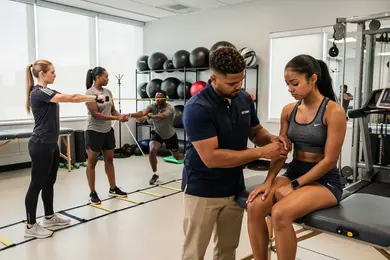
Positions such as physical therapists, occupational therapists, and exercise physiologists demand complex decision-making and empathetic understanding of patient-specific biomechanics-skills that AI cannot replicate. Certified athletic trainers and rehabilitation specialists also maintain low automation risk due to their need for immediate problem-solving and response to unpredictable injuries.
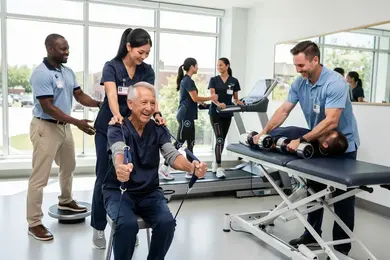
In practice, a physical therapist must continuously assess individual progress, tailor rehabilitation exercises, and provide emotional encouragement, illustrating a real-world scenario where kinesiology-related expertise outperforms automation tools.
By contrast, roles focused on routine data collection or basic fitness instruction present higher automation risks, urging prospective professionals to emphasize clinical reasoning, personalized care, and interdisciplinary collaboration in their training.
Data from Harvard University and the Burning Glass Institute highlight that among 911 occupations, only 18% exhibit high automation potential, while demand for kinesiology jobs with low automation risk has expanded 20% since 2022. These trends reflect employer preferences for analytical and creative competencies coupled with skilled human judgment.
Strategic career planning must balance technical knowledge with skills in behavioral coaching and motivational interviewing, where dynamic communication remains beyond current AI capabilities.
For individuals considering a shift or advancement, pursuing an online dietitian degree can complement kinesiology experience to broaden scope and employability in interdisciplinary health fields.
What kinesiology jobs still need human judgment and hands-on care?
Human judgment remains indispensable in kinesiology therapy, especially in hands-on care roles where clinical nuances defy automation. For example, rehabilitation specialists treating post-stroke patients must interpret variable pain tolerance, muscular fatigue, and psychological factors to tailor exercise regimens dynamically. These subtle assessments, integral to patient recovery, cannot be reduced to biometric data alone.
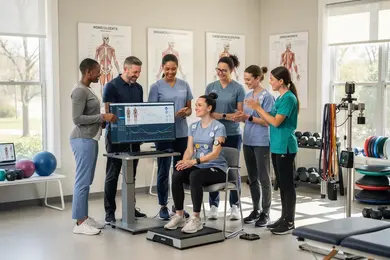
While technology aids data collection, it lacks the capacity to substitute the empathetic interaction and moment-to-moment decision-making characteristic of experienced clinicians. Employers increasingly prioritize kinesiology professionals with clinical training who can merge technological tools with active patient supervision to address complex, chronic conditions. This emphasis highlights the unique human element in therapy roles that resist automation.
According to the U.S. Bureau of Labor Statistics Occupational Outlook, employment for exercise physiologists is projected to grow 7% from 2022 to 2032, which outpaces average occupational growth, reflecting the persistent demand for such expertise. Prospective students evaluating a career pivot should consider the importance of mastering detailed anatomical knowledge and developing strong communication skills, both essential for success in hands-on care roles in kinesiology careers.
Training programs that stress biopsychosocial factors and customized, evolving treatment scenarios prepare graduates to meet employer expectations more effectively. For those considering broader health sector pathways, pursuing a degree in healthcare administration might complement clinical skills with organizational acumen, expanding career versatility.
What degree do most resilient kinesiology careers require?
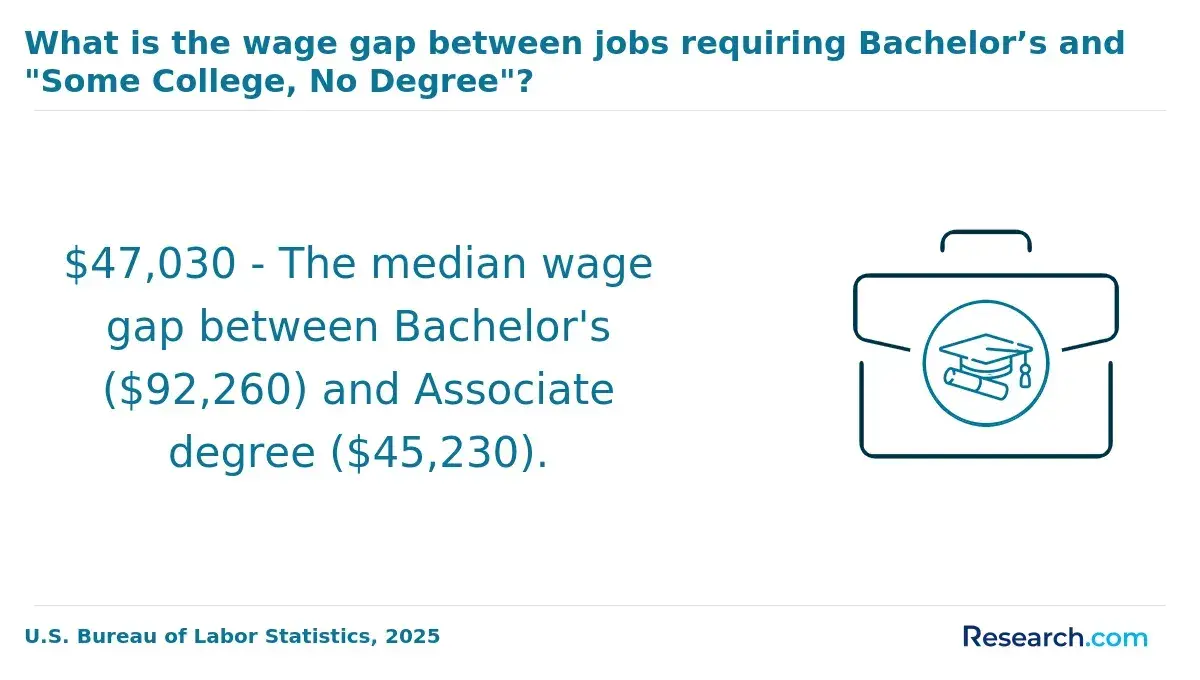
Employers filling resilient kinesiology careers consistently expect candidates with at least a bachelor's degree in kinesiology, exercise science, or related fields such as sport science or athletic training. This baseline reflects the practical reality that knowledge of human anatomy, biomechanics, and physiology paired with hands-on skills in performance enhancement and injury prevention is non-negotiable. For example, sports performance analysis roles now frequently require proficiency in data interpretation and athlete development-skills typically integrated within accredited kinesiology degree programs that adapt to evolving workforce demands.
Advanced positions, especially in clinical exercise physiology and specialized athletic training, tend to require additional certification beyond associate degrees, emphasizing that shorter credentials often fall short of market expectations. Graduates with bachelor-level education maintain a balanced theoretical and applied foundation, crucial for engaging with emerging technologies like biometric sensors and analytics platforms that dominate modern kinesiology practices.
The best educational paths for kinesiology automation-resistant jobs include blended curricula offering technology and sports analytics alongside traditional kinesiology content. This fusion equips candidates to translate complex analytic outputs into actionable training protocols-a key employer preference that safeguards against data-processing automation replacing human insight. Market projections, including a compound annual growth rate (CAGR) of approximately 27% in global sports analytics between 2023 and 2030, validate this interdisciplinary approach.
Prospective students and professionals targeting a strategic pivot or advancement should also explore flexible, affordable graduate options such as the cheapest online MBA healthcare management programs to augment kinesiology expertise with management capabilities, improving competitive positioning in health and sports sectors.
Is an online kinesiology degree respected by employers?
Employers prioritize kinesiology graduates who demonstrate verified competencies over those holding purely online credentials, especially for roles requiring hands-on assessment and applied clinical skills. The value of online kinesiology programs in the job market hinges on the program's integration of supervised clinical placements, accreditation by recognized bodies, and alignment with certification standards in the candidate's target region. For instance, a candidate aiming to work in occupational health or workplace ergonomics must ensure their degree includes experiential learning elements to meet employer expectations in sectors emphasizing safety compliance and therapeutic practice.
Employment data from Canada's Occupational Projection System projects roughly 4,300 job openings balanced by 4,400 qualified professionals between 2024 and 2033, illustrating that employers seek demonstrated skills rather than the mode of education delivery. This balance reflects a labor market where practical experience and employer-recognized credentials carry more weight than the format of the degree itself.
Prospective students evaluating an online kinesiology degree should consider key factors:
- Programs must provide supervised clinical or lab components critical for therapeutic and assessment skills.
- Accreditation status and alignment with certification requisites in target employment areas are essential.
- Access to employer networks and effective job placement support bridges the gap from education to workforce integration.
Choosing a purely online program without in-person practicum elements may restrict employability in fields requiring tactile expertise. Hybrid or blended models with strong applied training offer more reliable pathways. For candidates exploring alternative professional health degrees, related options like direct entry MSN programs might provide different but complementary route considerations.
How do you choose an accredited kinesiology program?
Accreditation is the gatekeeper for kinesiology graduates aiming to meet employer and licensing standards in the U.S. Without CAAHEP or recognized regional accreditation, eligibility for certification exams and clinical placements is often blocked, limiting access to many therapy and assessment roles. This creates a critical barrier for professionals seeking validated credentials and verified competencies.
Programs that integrate hands-on clinical hours and interdisciplinary training align better with employer expectations in rehabilitation science, biomechanics, and chronic disease management. For instance, Ontario's Government of Canada Job Bank reports a "Good" employment outlook through 2027 driven by aging populations and complex patient needs-trends increasingly reflected in U.S. community health settings.
Evaluating graduate employment rates and employer connections provides tangible data on program ROI and competitive positioning. Strong internships and partnerships with therapy providers enhance immediate workforce entry, especially given the scarcity of unemployed kinesiologists ready to fill roles. Practical work experience embedded within the curriculum is a decisive advantage in hiring contexts.
Logistical considerations also matter: accelerated programs suit career changers needing swift labor market re-entry, but programs lacking robust accreditation or current curricula hinder moves into specialties like aging-related chronic disease management. Prospective students should weigh these tradeoffs alongside program duration and credit transfer policies.
What courses prepare students for automation-resistant kinesiology careers?
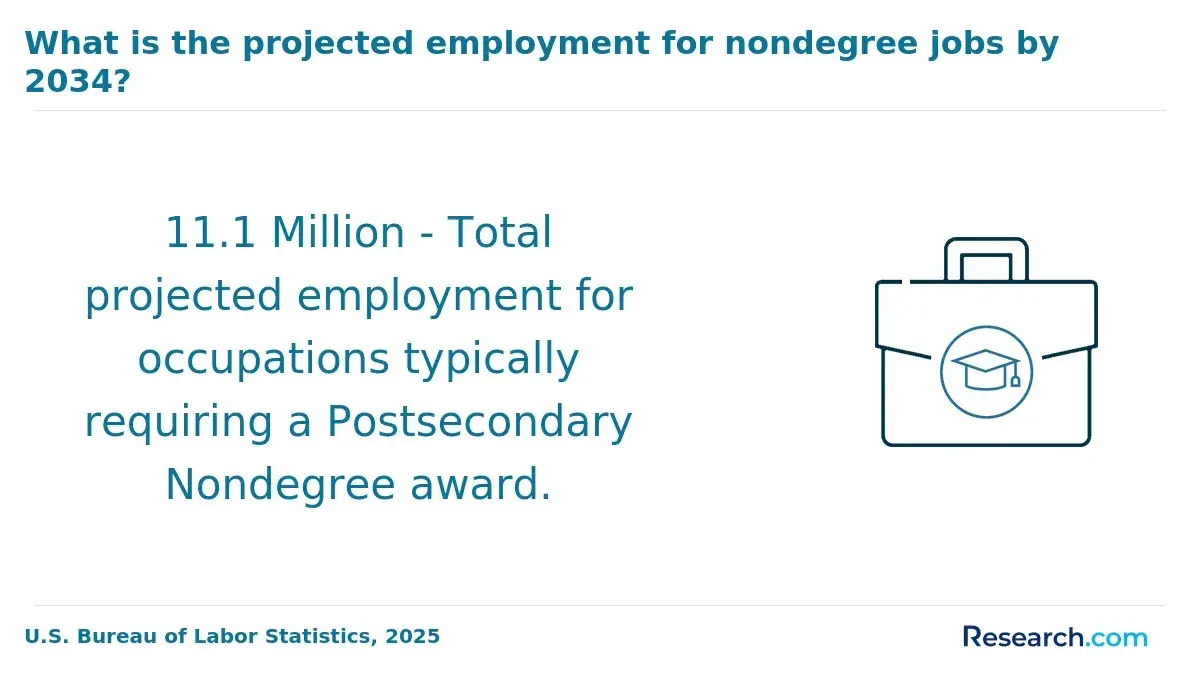
Kinesiology careers insulated from automation increasingly demand expertise in biomechanics, research methodology, data analysis, and human performance technology. Bachelor's programs integrating these components cultivate scientific rigor and analytical capabilities, which align with the highest-paying and most resilient roles identified in recent labor market analyses.
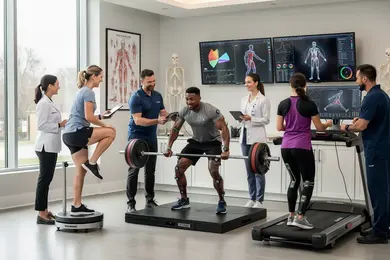
For instance, a professional in sports performance analysis leverages motion capture data alongside biomechanical principles to tailor athlete training programs-a process requiring nuanced interpretation and judgment far beyond algorithmic automation. Employers expect fluency in programming languages such as MATLAB or Python to manage extensive datasets and develop supportive machine-learning tools, although these tech skills complement rather than supplant expert decision-making.
This specialized focus entails tradeoffs. Students invest additional time mastering interdisciplinary content and may pursue certifications in data science or physiology. However, this investment matches market demand for roles that merge scientific knowledge with evolving technologies, offering enhanced job security and compensation.
Key considerations for candidates include:
- Balancing extended study durations against long-term employment stability.
- Navigating employer expectations for technical aptitude integrated with kinesiology fundamentals.
- Applying critical thinking to interpret complex biomechanical data that AI cannot replicate.
Adopting this framework helps those evaluating kinesiology pathways to prioritize practical outcomes while steering clear of commodified educational promises.
What certifications improve kinesiology career options?
Certifications that emphasize specialized, client-facing skills offer concrete advantages in kinesiology careers, especially as employers prioritize human interaction and tailored motivation over automation. For example, credentials like Certified Health & Wellness Coach (CHWC) and Certified Personal Trainer (CPT) place professionals in a resilient employment category, confirmed by U.S. Career Institute data highlighting these roles as among the 65 least affected by AI-driven job displacement.
More advanced certifications such as Certified Strength and Conditioning Specialist (CSCS) and Exercise Physiologist extend professional scope into performance and rehabilitation sectors, where evidence-based exercise prescription remains indispensable in settings like sports medicine clinics.
Licensure tracks, including Physical Therapy Assistant (PTA) certification and Board-Certified Specialist (BCS) designations in orthopedics, require greater upfront commitment through formal education and clinical hours but reward candidates with multidisciplinary team roles and elevated responsibilities.
Decision-making for specialization should align with intended markets: prioritizing geriatric fitness and fall prevention certifications addresses increasing elder care demands, whereas pursuing credentials focused on sports or corporate wellness fits different workforce niches.
Students without university degrees face particular challenges in navigating accreditation and credential value to avoid underemployment. Balancing cost, time investment, and employer recognition remains essential when selecting nationally accredited programs targeting clear kinesiology career paths.
How long does it take to finish a kinesiology degree?
Completing a kinesiology degree within four years remains the practical benchmark for entry-level workforce readiness, balancing foundational sciences, applied biomechanics, exercise physiology, and essential internships. Accelerated pathways exist but often hinge on prior credits, while part-time students typically extend study to five years due to lighter course loads. Choosing a shorter certification or pausing before degree completion frequently results in diminished job prospects and delayed income growth, underscoring the long-term value of finishing the full program.
The wearable fitness tracker sector, projected to expand dramatically by 2030, exemplifies why employers prioritize candidates with solid human movement science expertise coupled with applied project experience. Integrating data analytics or software coursework can extend program duration but significantly broadens roles, especially in tech-driven environments where kinesiology intersects with product design and user engagement.
Students targeting immediate employment may find community college dual-credit options expedite progression, provided credits transfer efficiently. Still, most employers in kinesiology-related fields holistically assess completed degrees and practical experience, favoring candidates who have engaged in capstone projects or industry partnerships. Delays in program completion often translate into setbacks in career trajectory and earnings potential.
- Standard completion time: 4 years full-time, with accelerated options occasionally available
- Extended timelines common for part-time or working students: up to 5 years
- Greater workforce value when credentials combine technical skills with applied experience
- Strategies to shorten time include dual-credit pathways and targeted coursework integration
What do kinesiology professionals earn in resilient roles?
Job stability in kinesiology-related roles largely depends on specialization and credentials, especially in education, coaching, and leadership positions. For instance, certified kinesiology instructors in public high schools typically earn between $55,000 and $65,000 annually, influenced by regional funding and tenure. These education-based roles are notably resistant to automation, preserving their relevance amidst technological changes.
Coaching jobs present a broader salary spectrum, from approximately $40,000 for entry-level assistant coaches to $90,000 or more for experienced head coaches who also manage programs. Employers emphasize interpersonal abilities and adaptability-skills that remain beyond the reach of current automation. Similarly, program leaders designing fitness or rehabilitation initiatives in healthcare see salaries ranging from $75,000 to $105,000, particularly when holding certifications like the Certified Strength and Conditioning Specialist (CSCS).
Practical workforce considerations highlight the need to balance time and financial investment in certifications against sustained employment durability. Advancing within educational institutions requires accumulating credentials and honing management skills, since roles combining leadership and personalized engagement face little automation risk.
In sum, kinesiology professionals must navigate credential prerequisites, consider regional salary variations, and develop hands-on competencies to maximize employability and long-term income stability.
What is the job outlook for kinesiology careers?
The labor market for kinesiologists remains resilient due to the occupation's minimal automation risk-just 2%, ranking it among the top 15% safest jobs from automation perspectives. This stability largely results from the profession's demand for nuanced human judgment, personalized assessments, and adaptable physical interventions that current technologies cannot replace effectively.
A mean annual wage of $84,800 positions kinesiologists competitively within allied health fields. Employment numbers hover around 36,280, with job availability concentrated in urban rehabilitation clinics, healthcare systems, and sports organizations. Candidates who pair clinical skills with proficiency in technology-assisted rehabilitation or exercise analytics considerably enhance their employability and longevity.
However, geographic and institutional factors heavily influence access to roles. Urban centers tend to demand advanced certifications and interdisciplinary experience, whereas rural or smaller practice settings offer greater autonomy but fewer openings. Such tradeoffs should direct educational choices toward programs emphasizing applied skills and real-world clinical integration rather than solely theoretical foundations.
Practically, employers seek professionals who go beyond generic exercise protocols to customize interventions tailored to individual patient needs-technical competence alone is insufficient without clinical adaptability. Prospective students and career pivots must weigh program outcomes through a lens of workforce realities, focusing on pathways that integrate hands-on experience, rehabilitative technology, and data-driven exercise science.
- Low automation risk supports career stability
- Median salary competitive with allied health roles
- Urban-rural divide affects opportunity and necessary credentials
- Strong preference for clinical adaptability and tech integration
Other Things You Should Know About Kinesiology
Kinesiology careers least vulnerable to automation frequently demand high levels of physical and cognitive workload, including direct patient interaction, individualized program design, and real-time problem-solving. This variability impacts work-life balance and stress levels more than standardized or technology-driven jobs. Candidates should weigh their tolerance for hands-on, dynamic environments against the tradeoff of greater job security in automation-resistant roles.
Employers seek kinesiology graduates with proven experience in clinical settings, strong interpersonal skills, and adaptability to evolving healthcare technologies. Candidates must develop practical competencies through internships or cooperative education as classroom knowledge alone is insufficient for automation-resistant jobs. Prioritizing programs with embedded practical training aligns with employer expectations and enhances immediate employability in competitive labor markets.
Specialization in areas such as rehabilitation, sports psychology, or ergonomic assessment significantly improves resilience against automation compared to generalist kinesiology roles. Employers favor candidates who offer expertise addressing complex human factors that machines cannot replicate efficiently. Prospective students should consider narrowing their focus during studies to access more secure and specialized career tracks rather than broad, entry-level positions.
References
- What Can You Do With a Kinesiology Major? | USAHS https://www.usa.edu/blog/what-can-you-do-with-a-kinesiology-major/
- Which jobs can remain secure until 2030 despite AI? - AEEN https://www.aeen.org/which-jobs-can-remain-secure-until-2030-despite-ai/
- Jobs AI Won’t Replace: Which Professions Will Always Need Human Hands? - "Das Work" recruitment and temporary staffing https://daswork.eu/jobs-ai-wont-replace/
- 9 jobs resilient to AI & automation https://www.processexcellencenetwork.com/ai/news/9-jobs-resilient-to-ai-automation
- Best Exercise Science Careers - Let's Find out! https://www.ptpioneer.com/personal-training/exercise-science-careers/
- How to Become a Kinesiologist (Degree & Salary) - Natural Healers https://www.naturalhealers.com/blog/applied-kinesiology/
- What Can You Do with a Kinesiology Degree? https://www.nec.edu/news/what-can-you-do-with-kinesiology-degree
- AI job losses: Look up which workers are most vulnerable - Washington Post https://www.washingtonpost.com/technology/interactive/2026/jobs-most-affected-ai-automation/
- What is the Career Outlook in Kinesiology? https://www.sports-management-degrees.com/faq/what-is-the-career-outlook-in-kinesiology/
- Future-Proof Careers: 10 Careers that AI cannot Replace https://www.skiltrak.com.au/blogs/future-proof-careers-10-careers-that-ai-cannot-replace