2027 Human Performance Roles You Can Target With a Kinesiology Degree

Co-Founder and Chief Data Scientist
Graduates and working professionals often confront a narrow job market where a kinesiology degree's versatility can be misunderstood or undervalued, complicating decisions about specialization and career trajectory.
This intensifies as 67% of adult learners pursue online or hybrid programs, according to the National Center for Education Statistics, signaling a shift toward flexible education but also raising questions about employer perception of such credentials. Given workforce demand favoring applied skills over broad theory, candidates must carefully assess how various kinesiology roles align with evolving hiring standards and practical outcomes.
This article identifies specific career paths a kinesiology degree enables and clarifies strategic choices that improve employment prospects and professional growth within this evolving field.
Key Things You Should Know
- Employment data from the U.S. Bureau of Labor Statistics projects a 10% growth in exercise physiologists and related roles by 2028, pressuring candidates with kinesiology degrees to seek specialized certifications to remain competitive.
- A recent Georgetown University Center study shows over 40% of employers prefer kinesiology graduates with internships or practical experience, intensifying the need for experiential learning despite longer degree timelines and higher costs.
- State licensure variations for clinical and therapy careers create geographic employment constraints, complicating time-to-employment and necessitating upfront cost-benefit analysis for kinesiology graduates targeting healthcare-centric roles.
What is a kinesiology degree and how does it prepare you for human performance roles?
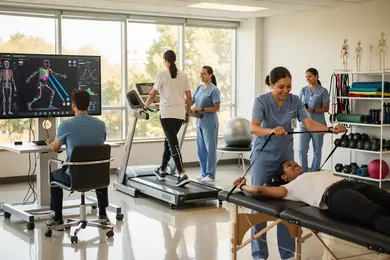
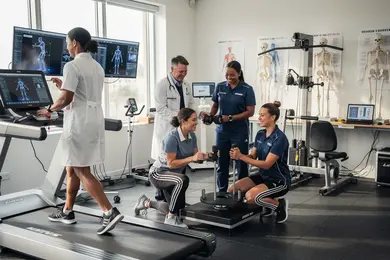
Kinesiology degree career opportunities in human performance demand more than theoretical knowledge; they require direct applied skills in biomechanics, physiology, motor control, and exercise science. Graduates are expected to design evidence-based training programs, perform injury prevention, and develop tailored performance enhancement protocols that suit diverse clients, from elite athletes to rehabilitative patients.
For example, certified strength and conditioning specialists working with professional or NCAA Division I teams often leverage neuromuscular adaptation principles to maximize athlete recovery and reduce injury downtime. This contrasts sharply with roles in clinical or corporate wellness where ergonomics assessments and functional rehabilitation dominate daily responsibilities.
The workforce implications of a kinesiology degree reveal significant salary variation tied to certification level and setting. Top-tier positions with advanced credentials can command $80,000 to over $200,000 annually, whereas entry-level roles in high schools or smaller private settings typically pay between $40,000 and $60,000 according to the National Strength and Conditioning Association Salary Survey 2024. These numbers highlight the practical tradeoff between immediate entry and long-term credential investment.
Those considering how a kinesiology degree prepares you for athletic and health roles should anticipate a need for further certifications and real-world experience to meet employer expectations emphasizing data analysis, hands-on assessment, and interdisciplinary collaboration.
Prospective students may explore options through programs like exercise science degree online to balance flexible learning with market relevancy.
What human performance careers can you pursue directly with a kinesiology bachelor's degree?
A bachelor's degree in kinesiology opens immediate pathways primarily into exercise physiology roles, anchored by a median wage of $58,160 as reported by the U.S. Bureau of Labor Statistics for May 2024. However, entry into higher-level positions frequently requires professional certifications like CSCS, which many employers prioritize beyond the degree itself. This distinction is critical for prospective students targeting strength and conditioning careers or roles with sports teams and military programs.
When exploring kinesiology degree career options in human performance, it's essential to recognize that occupational health, ergonomics, and community fitness leadership often demand specialized training or advanced credentials to achieve meaningful impact and upward mobility.
Graduates working in cardiac rehabilitation or direct patient care face licensing barriers or the necessity of clinical education post-bachelor's, reflecting a tradeoff between early workforce entry and long-term professional development.
For students balancing time and resources, pursuing certifications or graduate education significantly affects employability and earning potential. Strategic planning should weigh the benefits of immediate work against the delayed but expanded opportunities that further training enables.
Additionally, those interested in administrative roles might consider interdisciplinary credentials, such as an accelerated healthcare administration degree, to diversify their prospects within human performance careers with a kinesiology bachelor's degree.
Which advanced or specialized human performance roles require a master's or doctoral degree in kinesiology?
Advanced human performance roles requiring a master's degree in human performance kinesiology involve complex responsibilities that exceed undergraduate preparation, often encompassing clinical, research, and leadership functions.
For example, clinical exercise physiologists in hospital or rehab clinic settings must apply graduate-level diagnostic and therapeutic protocols to reduce patient readmission rates and manage chronic diseases effectively. Without this expertise, outcomes and compliance with clinical guidelines can suffer, increasing institutional risk.
Doctoral programs for specialized human performance roles in kinesiology prepare researchers and faculty to design original interventions that impact workplace safety and athlete recovery. These PhD-trained professionals provide evidence-based insights that link well-implemented wellness programs to measurable cost reductions and lowered absenteeism, a crucial consideration for organizations aiming to maximize ROI.
Advanced wellness management positions also demand graduate training to navigate behavior theories, program evaluation, and policy integration. Lacking such preparation, professionals may struggle to scale health initiatives or translate findings into effective workplace programs.
Deciding to pursue graduate study requires weighing practical factors such as role-specific credentials, research competencies, and leadership demands that typical undergraduate kinesiology programs do not offer.
For professionals considering specialized advancement or a strategic pivot, exploring a healthcare management degree can complement human performance expertise in organizational settings.
How do salaries and earning potential compare across different human performance jobs in kinesiology?
Salaries in human performance fields with a kinesiology degree depend heavily on the sector and required expertise, illustrating practical earning potential for kinesiology careers is far from uniform. Entry-level roles in rehabilitation or general fitness typically start between $40,000 and $55,000, reflecting modest responsibilities commonly found in smaller clinics or community programs.
Conversely, positions in biomechanics or exercise physiology at research institutions or healthcare organizations tend to offer $60,000 to $75,000, requiring specialized credentials or advanced study.
Professional sports settings provide a markedly different salary scale. Sports scientists and performance analysts working with major franchises have experienced roughly 30% salary growth in recent years due to the rise in data-driven performance strategies. These roles currently command between $85,000 and $120,000 annually, with compensation rising alongside league prominence and team resources.
Choices between more immediate employment and pursuing additional certifications significantly impact career trajectory. Clinical specializations or physical therapy assistant roles may increase salary ceilings by 20-40% but require upfront investment in time and money that delays workforce entry.
Employers also increasingly expect proficiency in data analysis and performance technology, limiting advancement for candidates relying solely on foundational kinesiology knowledge.
For students navigating the human performance job salaries in the kinesiology landscape, weighing these trade-offs carefully matters. Those considering further education can explore options like the cheapest MSN online programs as models of balancing cost with credential advancement.
What certifications or licenses do you need for common human performance roles with a kinesiology background?
Certification and licensure are decisive factors for kinesiology graduates seeking roles in athletic training, physical therapy assistance, strength and conditioning, or exercise physiology. For example, becoming a certified athletic trainer requires passing the Board of Certification (BOC) exam, a step mandated by nearly 40 states for legal practice. This credential is a non-negotiable gateway to employment in clinical settings, where state licensure follows as a regulatory safeguard.
Becoming a physical therapy assistant similarly demands passing the National Physical Therapy Exam and meeting state licensure prerequisites, which include documented clinical hours and continuing education. These credentials often outweigh general academic qualifications because they guarantee readiness to handle patient care under supervision.
Strength and conditioning roles are frequently secured by those who hold the Certified Strength and Conditioning Specialist (CSCS) certification. Though not legally required, this certification substantially boosts hiring potential and salary negotiation power in competitive athletic programs.
In exercise physiology, recognized certifications like those from the American Society of Exercise Physiologists (ASEP) and ACSM provide credibility in clinical and research domains. However, ongoing education remains a constant demand; for instance, athletic trainers must accrue 75 continuing education units every three years. Employers often prefer candidates who pair these credentials with practical experience acquired through internships or residencies.
According to U.S. Bureau of Labor Statistics data compiled by Arizona State University, the median annual wage for athletic trainers reached $60,250, accompanied by an above-average projected growth of 13% from 2023 to 2033. This combination emphasizes how targeted certifications and state licensure shape viable, sustainable career trajectories in kinesiology-related fields.
What coursework and concentrations best align a kinesiology degree with human performance careers?
Pursuing a kinesiology degree with a focus on human performance demands coursework that integrates applied biomechanics, exercise physiology, and injury prevention. Practical preparation hinges on functional anatomy, motor control, and strength and conditioning, which align closely with roles requiring precise performance optimization and rehabilitation programming.
For example, military human performance teams embed strength coaches and kinesiologists to significantly reduce injury rates and enhance deployment readiness. The U.S. Department of Defense's evaluation shows such teams cut musculoskeletal injuries by up to 28% and medical non-deployability by 15% over three years.
Students aiming for these roles should seek curricula with hands-on labs in movement analysis and exercise prescription software, reflecting employer demands for technical proficiency. Concentrations in health promotion or rehabilitation sciences broaden options but often require additional certifications to meet human performance team requirements.
Key workforce considerations include balancing deep theoretical knowledge with tangible applied skills, especially given rising industry expectations to interpret wearable technology data and manage workload monitoring. Narrow specializations in neuromuscular physiology or sport psychology without injury prevention and conditioning expertise may limit opportunities.
Prioritizing musculoskeletal health optimization alongside real-world performance metrics offers the most direct pathway to roles in military or elite sports settings.
How do online kinesiology programs for human performance compare with campus-based options?
Online kinesiology programs often deliver comprehensive theoretical content but fall short in matching the hands-on training embedded in campus-based education. Employers in fields such as physical therapy and athletic training frequently require practical experience verified through clinical hours, which online platforms struggle to coordinate unless supplemented by local internships.
For instance, aspiring health coaches in corporate wellness—a sector expanding at roughly 15% annually per Grand View Research—must prove applied competencies typically developed in face-to-face settings.
Choosing an online route demands deliberate effort to source or negotiate in-person practicums, lacking the structured supervision and immediate feedback found on campus. Campus-based pathways provide faster immersion into human movement assessments and biomechanical analysis, critical to roles involving precise physical evaluation. This affects employability since employers prioritize graduates with verifiable experiential hours over purely theoretical credentials.
Online study suits professionals balancing external responsibilities but may delay skill acquisition where physical practice opportunities are sparse or postponed. Prospective students should evaluate whether online kinesiology programs offer robust clinical partnerships near their location to meet workforce expectations.
Ultimately, assessing career objectives and capacity to secure practical exposure is essential before committing to an online kinesiology degree.
What should you look for in accreditation and program quality for kinesiology and human performance degrees?
Accreditation significantly affects employability in kinesiology and human performance fields, especially for roles demanding expertise in applied biomechanics and ergonomics.
Programs accredited by recognized bodies like the Commission on Accreditation of Allied Health Education Programs (CAAHEP) or aligned with National Strength and Conditioning Association (NSCA) standards better prepare students for precision-driven roles such as ergonomists, who had a median wage near $99,000 in 2024 with 12% job growth forecast through 2033, according to the U.S. Bureau of Labor Statistics.
Depth of faculty expertise, availability of up-to-date lab technology, and hands-on experience with industry-standard tools are critical markers of program quality. For example, graduates lacking exposure to rigorous biomechanics labs or practical ergonomics training may struggle in human factors engineering positions that demand skills in motion analysis software and ergonomic assessment protocols.
Employers highly value clear evidence of these competencies on transcripts and portfolios, especially in manufacturing or applied research settings.
When evaluating programs, consider detailed graduate placement data relevant to your target specialization rather than general employment rates. A kinesiology degree with strong fitness coaching placement but weak ergonomics outcomes might limit pivot opportunities. Also weigh programs that offer internships or corporate partnerships focused on applied research—these connections often smooth the transition from academic theory to workplace practice.
Curricula incorporating emerging specialties like wearable tech analytics or cognitive ergonomics better position graduates against rapidly evolving labor market demands.
How can internships, practicums, and research experiences strengthen your human performance career path?
Employers in human performance roles increasingly prioritize hands-on skills gained through internships, practicums, and research, viewing these experiences as proof of clinical competence and applied knowledge. For instance, involvement in cardiac rehabilitation practicums links directly to a documented 26% reduction in cardiovascular mortality and a 47% decline in hospital readmissions, demonstrating the tangible impact of supervised fieldwork backed by clinical research.
This kind of applied exposure is a decisive factor for candidates seeking competitive positions in healthcare and fitness sectors.
Practical field experiences build indispensable abilities such as designing tailored exercise protocols, monitoring diverse populations, and integrating evidence-based practices. Research roles complement this by enhancing scientific communication and critical thinking, often resulting in co-authored publications or presentations that elevate a candidate's professional profile.
Decision-makers should weigh the trade-off between time spent on clinical practicums versus research projects. Internships with multidisciplinary teams and clear metrics of success offer measurable outcomes employers value, while research involvement fosters adaptability to emerging trends like wearable tech and metabolic health assessments.
Students and professionals must balance these elements strategically to improve job market readiness, especially when navigating sectors from medical rehabilitation to corporate wellness. Ultimately, experiential learning translates theoretical kinesiology concepts into actionable skills that substantively influence employability.
How do you choose between kinesiology and related majors for a human performance-focused career?
Choosing kinesiology as a foundation for a human performance career requires a nuanced evaluation of credential timelines, earnings potential, and labor market demands. For example, those aiming for physician assistant (PA) roles should expect substantial graduate-level investment but benefit from a median salary of $133,260 and a robust 28% job growth rate through 2033. This path demands rigorous licensing exams and longer training but opens doors to clinical roles with high workforce demand.
In contrast, focusing kinesiology on physical therapy leads to a doctorate requirement, a higher educational barrier upfront, and an annual median wage around $101,020 with 14% job growth. This path offers greater job stability but slower entry, which might matter for students balancing time and financial constraints.
Key decision factors include:
- Credential attainment speed versus long-term return
- Access to clinical internships and program partnerships with graduate schools
- Licensure support and workforce projections specific to target roles
Balancing these allows candidates to tailor kinesiology education to their career strategy—whether prioritizing faster clinical workforce integration or committing to advanced doctorate training for a rehabilitation focus.
Emphasizing accreditation pathways and real-world licensure hurdles is critical for making an informed plan that aligns with evolving healthcare labor market demands.
Other Things You Should Know About Kinesiology
Yes, a kinesiology degree in 2027 offers diverse career paths beyond sports and fitness. Graduates can explore roles in ergonomics, corporate wellness, health promotion, and biomechanics. This versatility equips professionals with a broad understanding of human movement applicable to various sectors seeking to optimize performance.
Hands-on experience through internships, practicums, or lab work is often decisive for kinesiology graduates entering human performance roles. Employers prioritize candidates who have applied real-world assessment, training, or rehabilitation techniques over those with purely theoretical knowledge. Programs lacking integrated experiential components risk producing graduates who must seek additional post-graduate training or certifications to meet job readiness standards. Therefore, prioritize kinesiology programs that require supervised practical experiences aligned with your career targets.
Obtaining specialized certifications right after graduation can open immediate job doors, especially in personal training or corrective exercise. However, some certifications require or benefit from accumulated work experience to be most valuable. For long-term career advancement, a phased approach is recommended: secure entry-level employment through a solid foundational degree, then acquire targeted certifications based on employer demand and career trajectory. Premature certification pursuit without context can waste time and resources, while timed certification improves employability strategically.
The NSCA’s Certified Strength and Conditioning Specialist (CSCS) is the main credential for strength and conditioning roles. You need a bachelor’s degree or be in the final term of one, plus CPR/AED certification. The exam covers exercise technique, program design, testing, and organization, and many employers prefer it.
References
- Discover Exciting Career Options With a Health & Human Performance Degree https://www.salemu.edu/blog/health-human-performance-degree-careers/
- Online Kinesiology Degree Programs: Review Top Schools https://www.edumed.org/online-schools/kinesiology-degrees/
- Is a Kinesiology Degree Right for You? | Corban University https://www.corban.edu/is-a-kinesiology-degree-right-for-you/
- Kinesiology vs. Exercise Science vs. Sport Performance https://www.pointloma.edu/resources/health-sciences/kinesiology-vs-exercise-science-vs-sport-performance
- The Professional Skills and Values of an Internship - Workplace Options https://www.workplaceoptions.com/blog/the-professional-skills-and-values-of-an-internship/
- What Can You Do with a Kinesiology Degree? https://www.nec.edu/news/what-can-you-do-with-kinesiology-degree
- What Can You Do With a Kinesiology Major? | USAHS https://www.usa.edu/blog/what-can-you-do-with-a-kinesiology-major/
- Internships - Connect Human Performance https://connecthumanperformance.com/internships/
- The Crucial Role of Internships in Career Development - Not Just Labcoats https://notjustlabcoats.co.uk/the-crucial-role-of-internships-in-career-development/
- Best Online Kinesiology Degree Programs, Updated for 2026 https://www.kinesiologydegrees.org/programs/online