2027 First Kinesiology Roles for Students Preparing for Graduate Health Programs

Co-Founder and Chief Data Scientist
Many aspiring health professionals with backgrounds in kinesiology face a pressing challenge: securing relevant early roles that align tightly with graduate program prerequisites while navigating an increasingly competitive admissions landscape. The National Center for Education Statistics reports that enrollment in graduate health programs grew 15% since 2022, intensifying pressure on applicants to demonstrate direct, practical experience.
This surge reflects broader shifts toward interdisciplinary skill sets and hands-on engagement, where generic internships no longer suffice as credible preparation. Consequently, students must strategically identify beginner positions that optimize skill acquisition, employer recognition, and academic alignment.
This article outlines specific first kinesiology roles designed to meet these pragmatic demands and enhance graduate program readiness efficiently.
Key Things You Should Know
- Graduate health programs now emphasize clinical experience over GPA, with 62% of admissions committees weighting practical Kinesiology roles more heavily, pressuring students to balance work with academic demands, increasing time-to-degree risk.
- Employers in rehabilitation and sports medicine prioritize candidates holding internships with measurable patient outcomes; 74% report better long-term retention, shaping student decisions toward specialized Kinesiology subfields.
- Cost barriers persist as median preparatory program expenses exceed $15,000 annually, disproportionately affecting underrepresented demographics and forcing tradeoffs between affordable entry-level roles versus unpaid clinical hours that impact graduate readiness.
What are the best first kinesiology roles for graduate health school preparation?
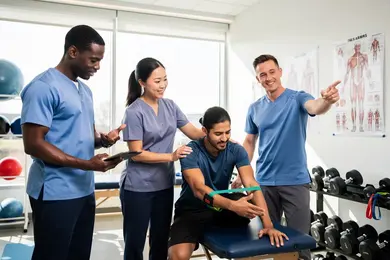
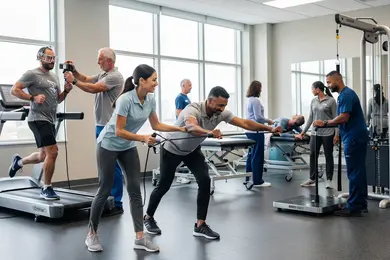
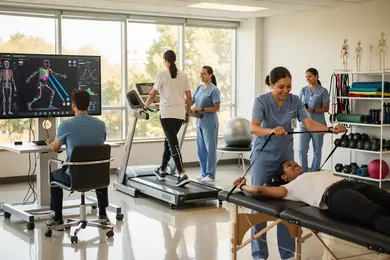
Entry-level kinesiology roles for health graduate school applicants often require balancing clinical skill development with practical constraints like academic scheduling and credentialing. Positions such as physical therapy aides, athletic trainer assistants, and rehabilitation technicians immerse candidates in musculoskeletal assessments and therapeutic interventions.
These roles offer critical experience with electronic health records (EHR), a non-negotiable competency for most graduate programs and employers.
Candidates gain valuable hands-on experience that complements academic learning, making them more attractive to graduate programs and future employers. However, the practical nature of these positions can create scheduling challenges for students who are also pursuing their academic degrees.
Common tradeoffs include relatively low initial wages and limited decision-making autonomy despite the median annual wage for healthcare practitioners and technical occupations being $80,180, substantially higher than the general workforce median of $48,060. This gap underlines the long-term financial rationale for early immersion in specialized roles.
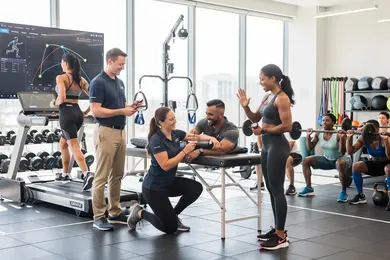
Hands-on roles in outpatient rehabilitation or occupational health environments expose individuals to diverse patient populations and interdisciplinary collaboration, advancing diagnostic reasoning and fostering skills essential for competitive graduate applications. Job functions that track measurable patient outcomes better prepare candidates for licensure and post-graduate employment.
For students evaluating pathways, awareness of required certifications such as CPR and the challenge of aligning work with academic demands is vital. For those seeking formal academic support alongside practical experience, pursuing an online degree in exercise science can provide structured knowledge complementing real-world application in the best first kinesiology jobs for graduate health program preparation.
What kinesiology jobs strengthen graduate school applications most?
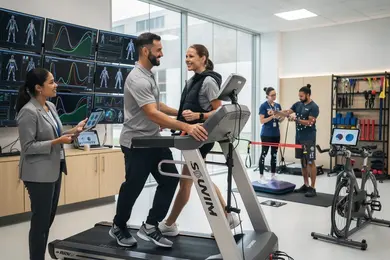
Kinesiology roles that enhance graduate health school applications tend to require direct patient interaction and application of clinical exercise science. Positions such as Clinical Exercise Physiology Assistants in cardiac or pulmonary rehabilitation deliver practical experience highly valued by graduate programs, as they involve hands-on clinical skills essential for managing chronic diseases common in aging populations.
Employment of exercise physiologists is expected to grow 10% from 2023 to 2033, reflecting employer demand for candidates with this specialized expertise.
Top entry-level kinesiology jobs for future health graduate students often include responsibilities with supervised exercise testing, rehab program support, or physiological data collection. For example, working in cardiac rehab offers the chance to design and monitor exercise interventions, demonstrating applied knowledge and critical clinical decision-making. Roles limited to fitness or wellness contexts without clinical exposure generally provide weaker support for advanced health studies.
Prospective candidates should prioritize jobs providing:
- Exposure to chronic disease management protocols
- Collaborative work alongside certified exercise physiologists or clinicians
- Opportunities to lead patient assessments or fitness evaluations
- Documentation of work impacting patient health outcomes
Securing these positions often requires advanced kinesiology coursework and credentials like the Clinical Exercise Physiologist certification. Despite strong academics, applicants lacking clinical experience risk reduced competitiveness.
Additionally, practical access is constrained by limited paid internships in hospital systems, prompting many to seek partnerships via academic programs or local providers. Students assessing this pathway should weigh the value of such experience against logistical challenges and may also explore healthcare administration roles with online accelerated degree options, as outlined in healthcare administration.
Which kinesiology roles build clinical and patient-care experience?
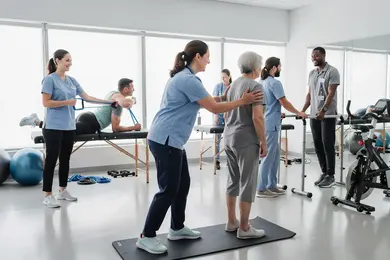
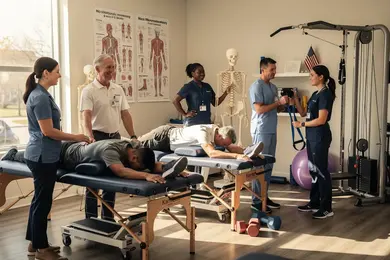
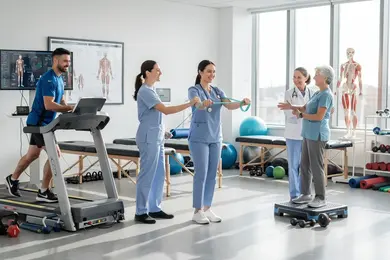
Physical therapy aide and rehabilitation technician roles offer kinesiology students rare access to hands-on clinical experience essential for patient-care kinesiology positions for graduate health preparation. These positions immerse students directly in routine therapeutic tasks, patient mobility assistance, and equipment setup, providing real-world exposure employers value. Yet, these roles rarely allow for performing intricate clinical interventions, limiting clinical depth.
Employment growth for physical therapist aides and assistants is projected at 19% from 2022 to 2032, signaling strong demand tied to increased rehabilitation service needs. For students, aides serve as practical entry points to accumulate documented patient contact hours often mandated by physical therapy and occupational therapy graduate programs.
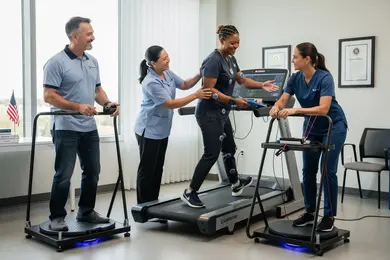
Pursuing opportunities as rehabilitation technicians or patient care assistants in outpatient or hospital rehab settings can expand exposure to supervised exercise program delivery and monitoring, bridging gaps in clinical complexity.
Tradeoffs include navigating variable supervision quality and balancing work with academic demands. Many employers require certifications such as CPR or first aid, adding preparatory barriers. Despite these challenges, these roles consistently form the most accessible pathway to gathering meaningful clinical experience, essential to enhancing graduate admissions portfolios.
Applying these experiences strategically can better position kinesiology students. For example, integrating work in patient-care kinesiology positions for graduate health preparation with complementary academic options, like selective healthcare administration courses, can broaden professional versatility beyond direct clinical roles.
What degree is needed for entry-level kinesiology jobs?
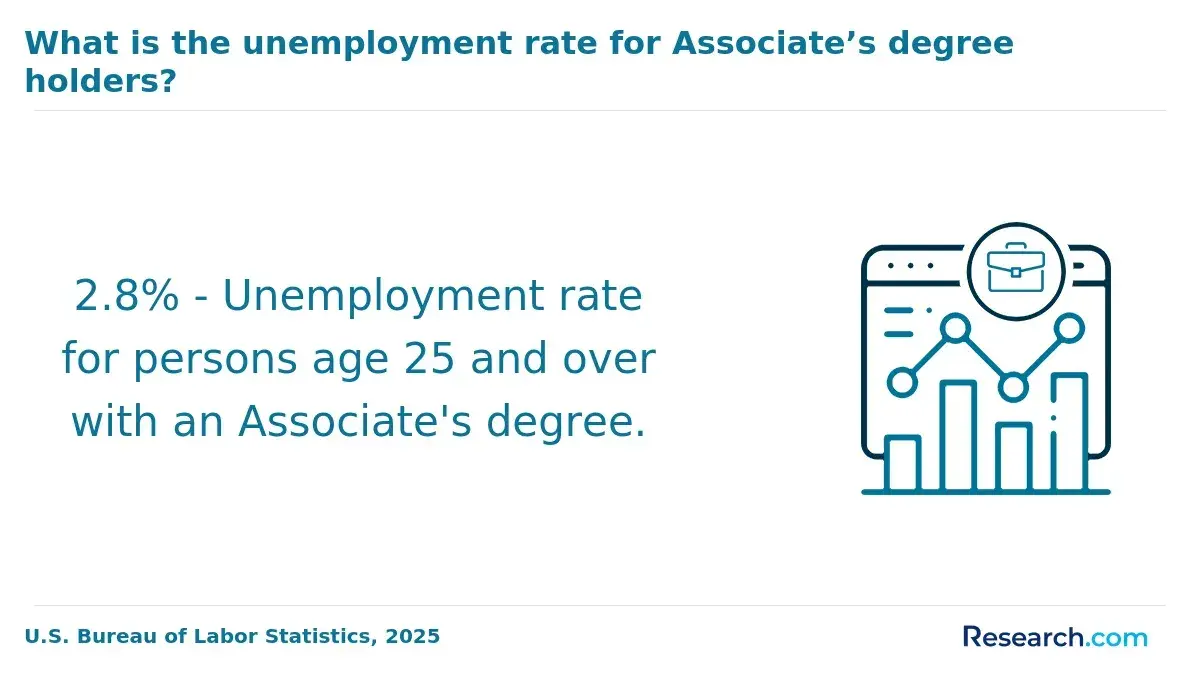
Kinesiology career entry strongly favors candidates holding at least a bachelor's degree due to its depth in anatomy, physiology, and biomechanics. While entry-level kinesiology jobs degree requirements sometimes accept associate degrees or certifications for technician roles, these pathways often restrict long-term advancement and graduate study prospects.
For instance, inpatient hospital settings typically require more than academic knowledge-they seek documented clinical experience, which a bachelor's program more reliably facilitates.
Outpatient clinics tied to other health practitioners have experienced a 15.2% employment increase since 2013, highlighting growing demand for professionals blending solid academic credentials with practical training. Candidates who align internships or volunteer roles with their undergraduate kinesiology degrees improve employability significantly, reflecting employer emphasis on real-world skills alongside theoretical knowledge.
Students must weigh the tradeoff between degree length and future academic or clinical opportunities. A bachelor's degree provides a direct route to graduate programs in physical therapy, occupational therapy, or athletic training. In contrast, an associate degree may expedite initial workforce entry but often necessitates retraining for advanced roles.
Those evaluating undergraduate degrees for kinesiology career entry should consider how the rigor of their program influences graduate admissions and employment ceilings. Additionally, for healthcare undergraduates seeking cost-effective pathways, the cheapest RN to BSN options represent strategic alternatives for related healthcare advancement beyond kinesiology's scope.
How do online and campus kinesiology programs compare?
Campus kinesiology programs typically provide the direct clinical exposure employers prioritize, including hands-on internships, lab access, and mentorship crucial for mastering physical assessment and rehabilitation. This access addresses a tangible skills gap, especially for roles in orthopedic or sports medicine settings, where practical competence is non-negotiable. Graduates from campus-based programs often align more closely with employer expectations for applied proficiency.
Conversely, online kinesiology curricula appeal to working professionals and those in remote locations by offering flexibility but frequently lack embedded clinical practicum. This absence forces students to independently secure internships or certifications, which introduces logistical challenges and may delay readiness for hands-on roles.
Employment growth projections for allied health occupations, including medical assistants in sports medicine-forecasted at 14% over a decade-underscore the premium on practical experience.
For example, a candidate aiming for an orthopedic clinical assistant position who attends an online program without structured clinical components will likely face additional barriers compared to peers from campus programs. Such students must be proactive in obtaining local practicum placements to remain competitive. Decision-making around program format should weigh:
- The structured, immersive clinical environment of campus programs aligned with employer requirements
- The flexible but self-directed nature of online options requiring extra effort to secure practical experience
This distinction matters for prospective students who must balance workforce integration speed against personal circumstances like employment or geographic constraints.
What coursework should a kinesiology student expect?
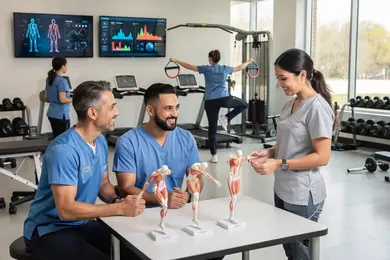
Students targeting graduate health programs relying on kinesiology must weigh course selection against tangible workforce demands. Basic coursework in human anatomy, physiology, biomechanics, and motor control forms the foundation, yet practical employment hinges on proficiency in clinical assessment, rehabilitation techniques, and applied physical activity.
For roles such as chiropractic or rehabilitation assistants-fields expecting growth aligned with a projected industry increase from $16.9 billion to $19.5 billion-deep familiarity with musculoskeletal systems and manual therapy is non-negotiable. Effective training must include hands-on labs and internships replicating real clinical dynamics, as the variance between working in chiropractic settings versus athletic training environments significantly affects skill application.
Students should prioritize these components alongside coursework in exercise physiology and pathophysiology, critically linking knowledge to chronic disease management and preventative care. Analytical skills in movement science data and clinical outcome interpretation also meet employer expectations increasingly focused on evidence-based practice.
The balance between theoretical knowledge and applied skills essentially predicts readiness for advanced study and employment. Candidates lacking practical exposure or research literacy risk falling short in interdisciplinary healthcare teams where decision justification and adaptable treatment planning are vital. Aligning program demands with targeted job functions shapes whether the kinesiology education path leads to sustainable roles or stalls amid competitive healthcare markets.
What admission requirements do kinesiology programs usually ask for?
Kinesiology graduate admissions prioritize a rigorous balance of STEM coursework and applied healthcare experience, reflecting practical workforce demands rather than merely academic benchmarks. A minimum GPA around 2.75 to 3.0 in core sciences-biology, chemistry, physics, and anatomy-is standard to ensure foundational competence.
Yet, the practical differentiator is documented hands-on exposure, such as roles supporting occupational or rehabilitation therapy, which aligns with the U.S. Bureau of Labor Statistics' 23% projected employment growth in these fields.
This real-world experience matters because admissions committees weigh familiarity with patient care environments heavily, viewing it as an indicator of both readiness and professional fit. In contrast, reliance on GRE scores alone increasingly falls short amid heightened program selectivity.
Applicants face a distinct tradeoff: front-load intensive STEM prerequisites while securing relevant internships or employment to remain competitive. Failure to accomplish both often results in delayed graduation or the need for extra credentialing after admission. For example, a candidate neglecting early exposure to rehabilitation work may struggle to articulate career goals convincingly or obtain strong letters of recommendation, hindering acceptance.
Prospective students must consider how this dual demand shapes their undergraduate timeline, influencing both academic trajectory and employability in rehabilitation or allied health professions. Strategic planning directly impacts the feasibility of successful admission to kinesiology graduate programs tailored for health-related career pivots.
How long does a kinesiology degree typically take?
A kinesiology bachelor's degree typically requires four years of full-time study, matching the norm for U.S. undergraduate programs. This timeline rarely accounts for prerequisite courses, clinical hours, or balancing part-time work, which can extend completion and delay entry into graduate health programs.
Students aiming to enter fields like physical or occupational therapy must carefully manage course load and experience accumulation. Many find it necessary to take summer sessions or stretch their studies beyond four years to satisfy competitive graduate program requirements.
Conversely, some opt for shorter certificate programs to become nursing assistants or patient care technicians. These positions offer quicker workforce entry, with nursing assistants earning a median $38,130 annually and experiencing steady demand with 209,400 projected openings per year through 2032 according to U.S. Bureau of Labor Statistics data.
This tradeoff balances early employment and practical exposure against the advanced credentials needed for clinical roles. Early workforce involvement provides healthcare experience but may postpone graduate-level study, potentially affecting long-term career trajectory and earning potential.
In sum, strategic planning around coursework, scheduling, and early healthcare roles influences both time-to-degree and graduate readiness, impacting how effectively students pivot into advanced kinesiology-related careers.
What can kinesiology graduates earn in these roles?
Graduates with a kinesiology background entering orthopedic technician roles typically face a starting salary range of approximately $40,000 to $60,000 annually, influenced by location, certifications, and experience levels.
For example, a new technician in a metropolitan hospital setting might start near $42,000, with wages rising above $55,000 mid-career, particularly where advanced orthopedic care is standard. Certifications increase earning potential by 10-15%, making ongoing education a critical factor for income progression beyond the entry point.
These roles demand precision, patient safety awareness, and manual skills in casting and assistive device fabrication, and they often entail physical strain and shift work, potentially limiting sustainability without further specialization or education. Positions outside hospitals-such as in sports medicine or physical therapy clinics-show similar salary patterns but with pay variability linked to clinic size and regional cost of living.
- Entry-level wages around $40,000 often reflect limited certifications and experience.
- Certification as an orthopedic technician can raise salaries by up to 15%.
- Long-term wage growth depends on maintaining current knowledge of orthopedic protocols and practical competencies.
Given the global orthopedic device market expansion, demand for technically skilled professionals handling musculoskeletal care is rising, but students should weigh certification and ongoing training costs against potential wage ceilings. Balancing immediate earnings with the necessity of credentials critically shapes career trajectory and market competitiveness in these applied kinesiology fields.
What career outlook do kinesiology-related health jobs have?
Positions in kinesiology-related health fields, especially clinical research assistants or coordinators in rehabilitation and movement science, offer steady demand but with nuanced challenges. Employment for medical and clinical laboratory technologists and technicians-roles overlapping significantly with clinical research and rehab-projects a 5% growth from 2022 to 2032, adding about 19,000 openings annually per U.S. Bureau of Labor Statistics data.
The primary practical consideration is geographic concentration: these roles predominantly cluster in urban research hubs, hospitals, and specialized rehab clinics. Prospective candidates must weigh the willingness to relocate against immediate job prospects, as local opportunities may be scarce. Equally important is balancing research protocol adherence with patient-centered empathy, requiring both technical rigor and interpersonal skills.
Employers prioritize candidates who combine a strong foundation in human movement science with certifications or hands-on clinical experience. This creates a tradeoff for students and professionals between pursuing additional certifications to enhance employability versus faster entry into technician roles with fewer credentials.
For those aligning their career path toward graduate health programs, these kinesiology-related roles provide relevant, applied experience. The dynamic demands of multidisciplinary coordination and evolving treatment evidence further stress the importance of adaptable skill sets.
- Job growth rate: 5% over a decade, with roughly 19,000 openings annually
- Key employers: Urban research centers, hospitals, rehabilitation clinics
- Core skills: Data collection, patient interaction, interdisciplinary coordination
- Decision tradeoff: Additional certification versus rapid entry as technician
Other Things You Should Know About Kinesiology
Students should prioritize practical internships when possible, as clinical and hands-on experience aligns more closely with expectations in graduate health programs. While research experience adds value, especially for programs with a strong scientific focus, internships provide direct patient interaction and skill application that graduate admissions and employers often consider essential.
If time or resources limit both options, prioritize internships that offer exposure to patient care or rehabilitation settings.
Kinesiology programs, particularly those with laboratory components and clinical practica, demand substantial time beyond classroom hours. Students balancing part-time jobs must plan carefully to avoid compromising their GPA or experiential learning, which are critical for graduate school admissions. Programs with flexible scheduling or summer internship options better support working students, but without strong time management, the risk of burnout or subpar performance increases.
A strong biology background greatly aids kinesiology students when pursuing graduate health programs. Understanding human anatomy and physiology is crucial for grasping advanced concepts. However, students can bolster their knowledge with tailored coursework and supplementary resources like tutoring and academic workshops.
Obtaining certifications such as CPR, First Aid, or fitness specialist credentials during undergraduate studies significantly improves employability and practical readiness. Employers and graduate programs often view certifications as evidence of commitment and applied skills that go beyond academics. Prioritizing certifications that align with targeted graduate health fields enhances job prospects and strengthens applications.
References
- Careers in Kinesiology: Experience A Day in the Life! https://www.kinsk.ca/post/a-day-in-the-life-kinesiology-as-a-career
- Online Kinesiology Degree Programs: Review Top Schools https://www.edumed.org/online-schools/kinesiology-degrees/
- What Can You Do with a Kinesiology Degree? https://www.nec.edu/news/what-can-you-do-with-kinesiology-degree
- 8 Facts to Know Before Starting a Kinesiology Undergrad https://www.symmetrix.ca/blog/starting-a-kinesiology-undergraduate-degree
- Kinesiology and Exercise Science Careers Guide https://teach.com/online-ed/healthcare-degrees/online-bachelors-kinesiology-exercise-science/career-outlook/
- What Can I Do in My Career With a Master’s in Kinesiology? https://www.pointloma.edu/resources/health-sciences/what-can-i-do-my-career-masters-kinesiology
- What Can You Do With a Kinesiology Major? | USAHS https://www.usa.edu/blog/what-can-you-do-with-a-kinesiology-major/
- How Long to Get a Kinesiology Degree? | ValidGrad https://validgrad.com/blog/kinesiology-degree-duration/
- High School Applicants https://www.ualberta.ca/en/kinesiology-sport-recreation/programs/undergraduate-programs/admissions/high-school-applicants.html
- Bachelor's Degree in Kinesiology | UT San Antonio | Undergraduate Program in Kinesiology | Earn Your Degree (MS) in Kinesiology https://future.utsa.edu/programs/undergraduate/kinesiology/