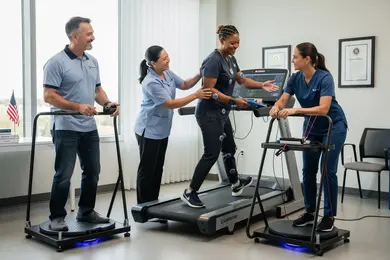
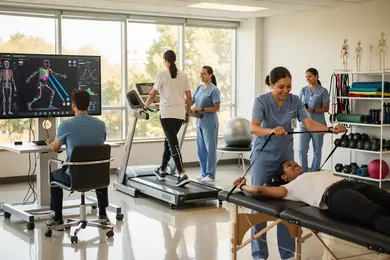
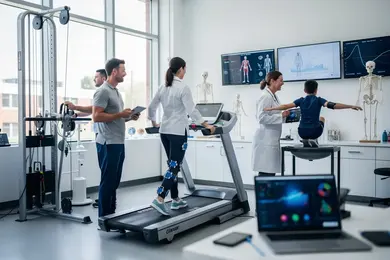
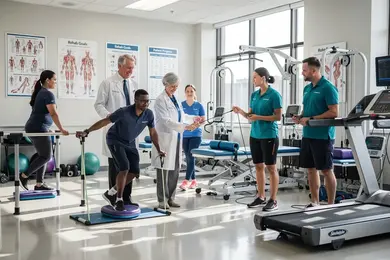
2027 Best Online Kinesiology Programs for Professionals Seeking Community Wellness Careers

Co-Founder and Chief Data Scientist
Professionals aiming to enter or advance in community wellness careers face the urgent challenge of balancing credentialing with demanding schedules. The Bureau of Labor Statistics projects a 10% growth in occupations related to human movement and health, yet many learners must navigate limited access to flexible, accredited programs that align with workplace commitments. This bottleneck disproportionately affects adult learners who prioritize part-time study and remote delivery, with National Center for Education Statistics data showing a 15% annual increase in online enrollment among working professionals.
Selecting an adaptable kinesiology program that meets both academic rigor and professional timelines is critical for sustainable career progression. This article analyzes leading online kinesiology programs designed for working adults, focusing on flexibility, curriculum quality, and pathways to community wellness roles, equipping readers to make informed decisions that overcome typical educational barriers.
Key Things You Should Know
- Online kinesiology programs' uneven clinical practicum access, noted by the National Consortium for Clinical Education, forces tradeoffs between accreditation and direct client interaction, impacting licensure and employer readiness.
- Employers prioritize candidates from programs with integrated community health curricula, as Bureau of Labor Statistics data links such backgrounds to 15% higher placement rates in wellness organizations.
- Programs requiring extended synchronous sessions increase total student costs by 12%, per Postsecondary Education Finance Reports 2024, affecting professionals balancing income loss and upskilling timelines.
What is an online kinesiology degree and how does it prepare professionals for community wellness roles?
Online kinesiology degree programs for community wellness careers provide essential, applied expertise that goes beyond generic health education by integrating biomechanics, motor control, and exercise physiology into a curriculum designed for practical intervention. Graduates are positioned to address complex workforce needs where employers demand evidence-based program development capable of measurable population health outcomes.
These programs typically combine virtual labs, interactive simulations, and community-based practicum to balance hands-on experience with professional and personal obligations. Such structure is critical for professionals transitioning from general healthcare to roles emphasizing public or corporate wellness, where tailoring exercise interventions can notably reduce hospitalization among elderly populations or decrease workplace injuries.
Understanding how an online kinesiology degree prepares professionals for public health roles involves recognizing the prerequisite clinical hours and certification hurdles that shape workforce entry. Employers prioritize candidates demonstrating quantifiable impact and adherence to licensure requirements, which online programs address by integrating navigational guidance for these barriers.
Job prospects in this field reflect growing demand, with exercise physiologists and wellness coordinators earning median wages near $59,000 and experiencing a 9% growth outlook through 2034, surpassing average occupational expansion reported by the U.S. Bureau of Labor Statistics.
Prospective students evaluating their options should review current rankings and program specifics carefully, including considerations detailed in exercise science degrees online resources that elaborate on educational quality and employability outcomes.
How do online kinesiology programs compare with on-campus options for flexibility, cost, and learning quality?
Online kinesiology programs offer unmatched flexibility compared to traditional on-campus options, particularly benefiting working professionals who cannot afford to pause employment. This flexibility supports asynchronous coursework, yet hands-on elements such as biomechanical labs or practicums often necessitate hybrid models or local arrangements. Such requirements create a tradeoff between convenience and the essential in-person skill development demanded by many employers.
Cost benefits from online kinesiology programs generally range between 20% and 50% savings when factoring indirect expenses like commuting and housing. These savings expand accessibility for candidates relocating for community wellness roles, but fully online credentials without accredited clinical components may be less valued in hiring decisions. Practical experience remains a critical differentiator in workforce readiness.
Recent analyses comparing the comparative learning quality of online versus on-campus kinesiology courses reveal that synchronous classes incorporating virtual simulations and instructor engagement deliver strong theoretical understanding. However, physical assessment and therapeutic skills acquisition often lag without direct supervision, sometimes requiring supplemental certification or mentorship to meet employer standards.
The community wellness sector is projected to grow 8% from 2024 to 2034, adding roughly 6,900 positions in health education and community health work driven by preventive care emphasis. Hiring managers prioritize applied competencies over pure academic credentials, emphasizing the importance of internships or local partnerships.
Prospective students evaluating educational pathways should consider programs balancing online flexibility with credible in-person practicums to meet employer expectations effectively. For those interested, further insights on educational options can be found through a healthcare administration degree resource that highlights program structures supporting strategic career pivots.
What types of kinesiology degrees best support careers in community and population wellness?
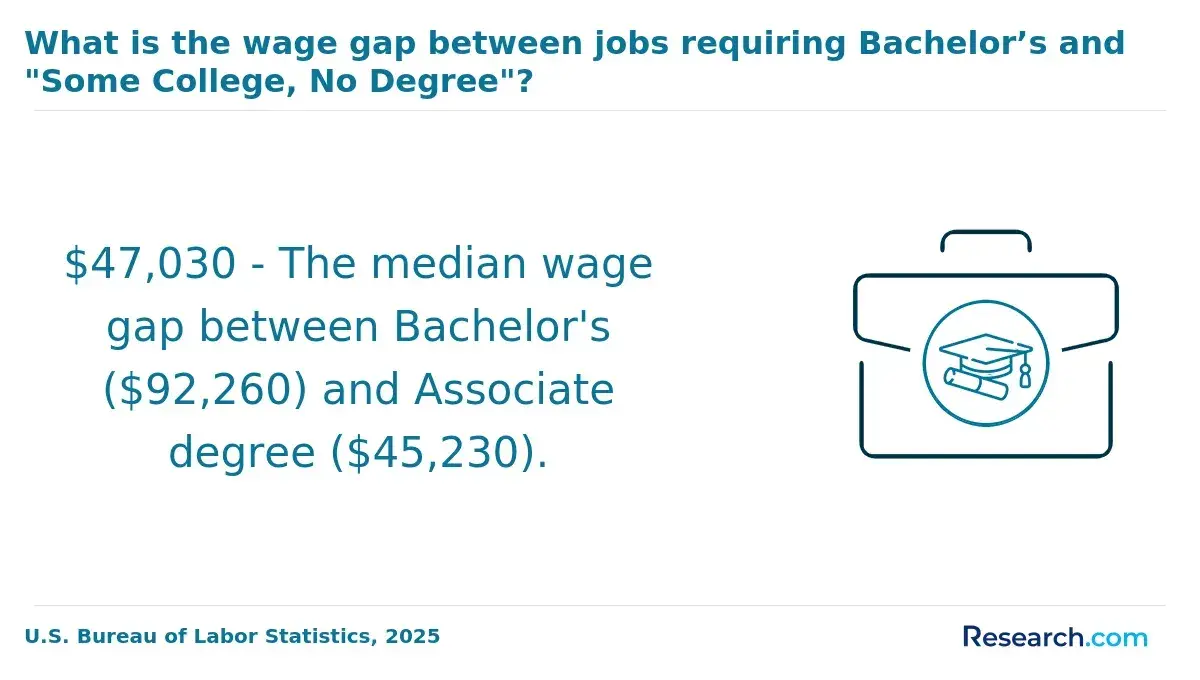
Degrees in kinesiology that emphasize community health, exercise science, or occupational therapy serve as pragmatic foundations for roles in community and population wellness. Such programs impart skills crucial for designing and assessing interventions tailored to diverse groups, directly supporting employment in public health agencies and nonprofit organizations.
For example, a master's degree featuring occupational therapy coursework can qualify graduates for licensure, linked to a median wage of $100,330 with a job growth forecast of 13.8% over the next decade, according to the U.S. Bureau of Labor Statistics and ASU Online. The best kinesiology degree programs for community wellness careers integrate behavioral health, epidemiology, and data analysis, equipping students to address social determinants of health through scalable initiatives.
In contrast, programs focused narrowly on physical therapy or athletic training often restrict opportunities for community-level impact unless supplemented by public health credentials. Students need to scrutinize program accreditation, clinical practicum availability, and certification alignment to prevent employment obstacles. Without strong population health content, graduates may face limited eligibility for community wellness positions or the burden of extra certifications.
Practical coursework in program planning, grant writing, and policy advocacy enhances workforce readiness, as employers seek candidates who combine applied kinesiology expertise with the ability to convert data into effective population health strategies. For those exploring online options, an healthcare administration degree can complement kinesiology to broaden career pathways in population health.
Online kinesiology degrees supporting population health professions generally demand a strategic balance between specialization and versatility to maximize career adaptability and impact.
Which accreditation and program quality standards should online kinesiology students look for?
Regional accreditation remains the vital criterion for online kinesiology programs if graduates want qualifications that carry weight with employers and licensure boards. For professionals targeting clinical rehabilitation or sports medicine, the absence of accreditation from bodies like the Higher Learning Commission directly limits opportunities for internships and eligibility for advanced certifications, creating a practical barrier to entry in these fields.
This emphasis on online kinesiology program accreditation standards also ensures that credits transfer effectively and that program rigor meets national benchmarks. Quality assurance criteria for kinesiology degrees extend beyond accreditation to curriculum alignment with national competencies. Effective programs integrate biomechanics, exercise physiology, and public health applications, which prepare graduates for diverse roles-from athletic training to corporate wellness.
These standards also influence employability; programs lacking synchronous learning or faculty with certified kinesiology expertise tend to under-prepare students for remote practicums or local partnerships crucial for hands-on experience. Cost considerations significantly impact decision-making. According to OnlineU's 2026 data, regionally accredited online kinesiology bachelor's degrees average about $9,000 in annual tuition, with some total program costs under $25,000.
This affordability, paired with realistic ROI focused on entry-level community wellness roles, supports non-traditional students balancing education with professional commitments. For those exploring further health pathways, programs like ADN to BSN represent parallel models of accessible, accredited online degrees offering clear career progressions.
What core courses and concentrations are common in online kinesiology programs focused on community health?
Online kinesiology programs focused on community health must balance foundational science with applied skills to meet employer expectations in public health and rehabilitation settings. Core courses in anatomy, physiology, biomechanics, exercise physiology, and health promotion build critical understanding of human movement relevant to diverse populations.
Students pursuing careers in community health rely heavily on epidemiology and applied research methods to interpret health data and craft targeted interventions. For instance, a graduate employed at a community health center uses these skills to monitor injury patterns and develop exercise regimens for high-risk groups. This emphasis contrasts with general fitness degrees by prioritizing functional assessment and therapeutic exercise tied to measurable health outcomes.
For those aiming at clinical advancement, coursework in therapeutic modalities and clinical kinesiology serves as a practical foundation. Physical therapist assistant roles-projected to grow 22% with median salaries over $68,000-illustrate the tangible labor market advantage of specialized biomechanics and rehabilitation training.
Online learning demands strategic navigation of practicum logistics, often requiring programs with local partnerships to secure meaningful field experience. Students should weigh the tradeoffs between flexible remote study and the necessity of hands-on clinical training to position themselves competitively in community health and rehabilitation careers.
What are typical admission requirements and prerequisites for online kinesiology programs?
Admission criteria for online kinesiology programs focus on establishing a baseline of academic readiness combined with relevant scientific foundations. Candidates typically need at least a high school diploma for undergraduate entry or a bachelor's degree with official transcripts for advanced study. Prerequisites often include biology, anatomy, physiology, and sometimes chemistry to ensure students can handle the coursework's technical demands.
GPA thresholds usually fall between 2.5 and 3.0 on a 4.0 scale, aligning with health science norms. Beyond academics, programs may require letters of recommendation, personal statements, or interviews, particularly important for applicants shifting careers without prior kinesiology experience. Reliable technology and internet access remain essential, given the remote or hybrid program delivery formats.
Employers in community health and wellness increasingly demand graduates who combine academic knowledge with applied skills. For example, a fitness instructor transitioning to public health kinesiology must ensure their education covers population health, biomechanics, and program evaluation to qualify for roles addressing sedentary lifestyle costs. The U.S. Department of Health and Human Services estimates cutting physical inactivity by 10% could save $8.7 billion annually in healthcare expenses.
How long do online kinesiology degrees take and what total costs should students expect?
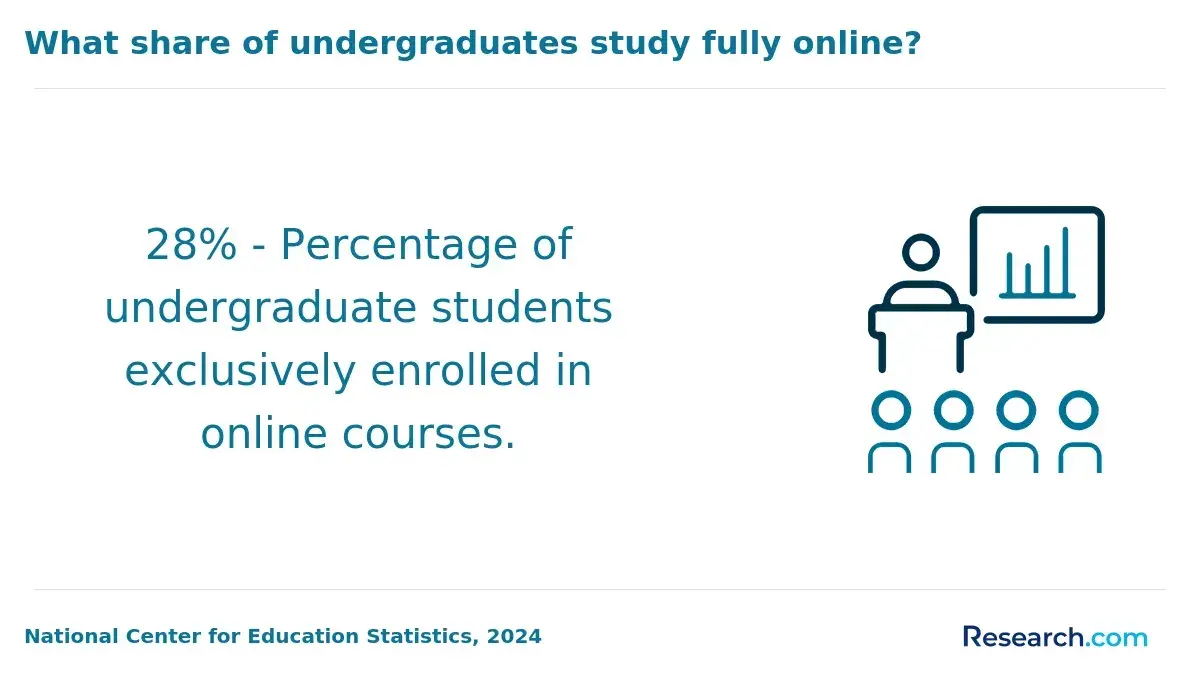
Online kinesiology bachelor's degrees offer a flexible timeline but require strategic planning to align educational progress with career goals. Full-time students typically finish within three to four years, whereas working adults often extend study over five or more years. This flexibility accommodates nearly 60% of online health and fitness bachelor's enrollees who juggle employment while pursuing credentials.
Tuition usually ranges from $20,000 to $50,000, varying by institution type and residency, with additional expenses for textbooks, technology fees, and certification exam preparation adding several thousand dollars. A critical but sometimes underestimated factor is budgeting for practicum or internship experiences, which often demand in-person attendance and can incur travel costs.
For example, a professional shifting from corporate roles to community wellness must select programs with accessible local placements to manage commuting burdens effectively. Conversely, those pursuing research or academia might prioritize programs offering virtual labs or remote partnerships to maintain consistency with their current employment.
Employers prioritize candidates graduating from accredited programs with demonstrable hands-on experience relevant to their industry segment. Prospective students face a tradeoff between minimizing time and cost and maximizing applied experience, all while balancing ongoing employment demands.
What community wellness and public health careers can you pursue with an online kinesiology degree?
Graduates with an online kinesiology degree enter a competitive landscape where practical expertise and cross-disciplinary collaboration significantly affect employability. Positions like health promotion specialists or corporate wellness consultants demand skills beyond academic knowledge, including biomechanics application and individualized exercise programming for diverse populations.
The expanding digital fitness sector presents incremental opportunities-remote coaching, app design, and virtual health monitoring require kinesiology professionals to integrate domain knowledge with technology fluency. Market projections estimate this segment doubling by 2030, but success depends on mastering digital communication alongside physical health competencies.
Distinguishing oneself typically requires additional certification, such as health coaching credentials or proficiency in digital health platforms, reflecting employer expectations for practical versatility. Consider a kinesiology graduate working in community health: coordinating exercise programs with epidemiologists involves adapting initiatives based on ongoing population data, requiring skill in data interpretation and interdisciplinary teamwork.
Alternatively, coaching via a fitness app demands strong client engagement and remote monitoring capabilities, underscoring divergent daily realities within kinesiology careers. Key workforce implications include:
- Balancing clinical knowledge with tech skills to access emerging roles
- Navigating certification and experiential requirements to meet employer standards
- Targeting career pathways that align with desired work settings-whether community-level outreach or digital wellness entrepreneurship
What salary ranges and job outlook can kinesiology graduates expect in community wellness roles?
Starting salaries for graduates with kinesiology degrees targeting community wellness range broadly from $45,000 to $60,000, with mid-career wages rising to between $60,000 and $80,000 depending on sector and geography. Positions within government public health often offer compensation on the lower end, whereas roles in private wellness organizations or large health systems may exceed $75,000.
These variances reflect employer expectations for candidates who combine accredited academic credentials with hands-on experience. The U.S. Bureau of Labor Statistics anticipates a 10% growth in health education and community health worker roles through 2032, driven by a societal shift toward preventive care and chronic disease management. However, practical tradeoffs in educational pathways are significant.
A 2024 multi-institutional study found no notable difference in licensure success or employment rates between online and on-campus kinesiology programs if hands-on clinical practicums are incorporated, highlighting the essential role of supervised internships regardless of delivery mode.
Professionals often navigate diverse environments such as nonprofits, schools, and public health agencies, with clinical roles requiring additional certification or graduate study. This elevates salary potential but also adds time and financial burdens. Prospective students must weigh the flexible scheduling and cost benefits of online programs against the challenge of securing quality clinical placements that meet employer standards and support sustainable career growth.
How can professionals choose the best online kinesiology program for their career goals and lifestyle?
Choosing an online kinesiology program involves more than curriculum review; it requires aligning course specificity, credential recognition, and flexibility with tangible career prospects. For example, those targeting corporate wellness roles need programs emphasizing exercise physiology and population health, while physical therapy assistants should prioritize biomechanics and rehab certifications.
Accreditation validation is a practical gatekeeper ensuring eligibility for employment and advanced credentials, particularly against varying state licensing requirements. Scheduling also matters: asynchronous programs better accommodate working professionals maintaining income while studying. Technology platforms must be intuitive with responsive faculty support to reduce dropout risks inherent in complex online systems.
Consider a full-time worker aiming for a community fitness trainer role: seeking programs offering accelerated or modular options is crucial to enter a job market expected to grow 13% by 2034 with median salaries around $60,000. Evaluating tuition against post-graduation earnings and local labor demand highlights investment value.
Employers increasingly want candidates with measurable clinical skills; thus, programs incorporating internships or capstones provide a distinctive advantage. Overlooking these experiential elements can lead to outdated qualifications or misalignment with prevention-focused wellness roles.
- Clear certification pathways
- Strong employer networks
- Flexible, practical learning formats
Prioritizing these factors equips professionals to meet sustained demand across community centers and corporate health initiatives.
Other Things You Should Know About Kinesiology
Online kinesiology programs can deliver comprehensive theoretical knowledge and data analysis skills essential for community wellness careers. However, programs with minimal or no in-person practicum components may leave students less prepared for hands-on assessments and direct client interactions, which are critical in community settings. Prospective students should prioritize programs that integrate supervised fieldwork or local internship options to gain practical experience valued by employers.
Employers increasingly accept online kinesiology degrees if they come from accredited institutions with a solid reputation and rigorous curricula. The key difference lies in practical competence; candidates from programs without substantial applied training or community engagement may face challenges demonstrating readiness for wellness roles. Prioritizing programs with proven graduate employment rates and experiential learning components can enhance alignment with employer expectations.
Online kinesiology degrees require disciplined time management, especially as they often include asynchronous coursework combined with real-time sessions or lab scheduling. Balancing study with full-time employment and possible field experiences can lead to a high cumulative workload. Students should assess program pacing, credit load per term, and flexibility to avoid burnout and ensure steady progress toward degree completion.
Online kinesiology programs in 2027 offer simulation-based learning and virtual community service projects, tailored to prepare students for real-world community wellness roles. These elements provide vital experience and insights, ensuring graduates are ready to contribute effectively to community health initiatives.
References
- Online Bachelor’s in Kinesiology and Exercise Science Programs https://teach.com/online-ed/healthcare-degrees/online-bachelors-kinesiology-exercise-science/
- Online Degree vs. Traditional: Choosing the Right Path https://beal.edu/online-degree-vs-traditional/
- Exploring Careers in Health and Exercise Sciences: From Personal Training to Public Health - UNCF https://uncf.org/the-latest/improve-human-health-by-studying-public-health-and-nutrition
- Online vs in-person study: which one is right for you? https://www.ube.ac.uk/whats-happening/articles/online-vs-in-person-learning/
- Online Kinesiology Degree Programs: Review Top Schools https://www.edumed.org/online-schools/kinesiology-degrees/
- Share On Social https://www.northampton.edu/news/online-vs-on-campus-degree-whats-the-best-option-for-me.html
- Quality Standards and Accreditation of Distance Education Programs in a Pandemic - OJDLA https://ojdla.com/articles/quality-standards-and-accreditation-of-distance-education-programs-in-a-pandemic
- What is kinesiology and why should you study it? https://brive.com/blog/studies/kinesiology-degree/
- Bachelor's in Kinesiology Program Online | Montreat College https://www.montreat.edu/online/kinesiology/