2027 Best Online Kinesiology Degrees for Fitness and Wellness Careers

Co-Founder and Chief Data Scientist
Facing a demanding schedule, many aspiring fitness professionals struggle to balance continuing education with work and personal commitments. The challenge intensifies in kinesiology, where gaining relevant credentials often requires rigid, on-campus programs that exclude non-traditional or adult learners.
Yet, the National Center for Education Statistics reports a sustained 12% growth in fully online enrollment among health and wellness majors over the past two years, signaling a shift toward flexible learning modalities. This evolution is reshaping how students access and time their education, critically influencing career mobility in a field that demands both academic rigor and practical experience.
This article evaluates the best online kinesiology degrees designed to navigate these tradeoffs, helping prospective students choose programs that align with realistic schedules, employer expectations, and long-term career goals.
Key Things You Should Know
- Online kinesiology degrees often exclude key hands-on practicum hours required for advanced certifications, forcing graduates to seek costly in-person internships that delay workforce entry by 6-12 months, per 2024 accreditation audits.
- Employers in fitness and wellness favor candidates with hybrid kinesiology programs demonstrating applied biomechanics and nutrition labs, associating these skills with 15% higher retention rates, according to a 2024 workforce survey.
- Tuition disparities in online kinesiology programs vary over 120%, making total financial commitment a critical factor when balancing midcareer reskilling against immediate income loss, as reported by the National Center for Education Statistics in 2024.
What is an online kinesiology degree and how does it prepare you for fitness and wellness careers?
The practical value of an online kinesiology degree lies in its targeted preparation for roles demanding applied biomechanics, exercise science, and injury prevention expertise. Such programs equip graduates with scientific proficiency pivotal for fitness professionals designing evidence-based health and movement interventions.
For instance, a rehabilitation specialist uses kinesiology assessments to tailor patient recovery, while a corporate wellness coordinator translates body mechanics into actionable workplace exercises reducing musculoskeletal risks.
Online kinesiology degree benefits for fitness professionals extend beyond theory through virtual labs and simulated client scenarios, enhancing skill relevance and employability. However, students must critically evaluate program accreditation, internship access, and remote clinical hour policies, as these factors influence licensure eligibility and market readiness.
Employers emphasize demonstrable competencies in movement analysis and individualized program design, creating a premium on graduates with hands-on practicum experience and faculty expertise. Median salaries reported by Oregon State University Online alumni-around $60,964-highlight that well-structured online programs can compete with traditional formats in delivering career-relevant outcomes.
For those weighing educational options, aligning study with practical application and workforce realities is key. Exploring specialized pathways such as a sports science degree online can complement kinesiology studies and broaden career opportunities in wellness fields.
How do online kinesiology degrees compare with campus programs for quality, labs, and hands-on training?
Online kinesiology degree programs generally match campus-based curricula in theoretical complexity but fall short in replicating the hands-on training essential for clinical or athletic roles. For instance, programs like California Baptist University charge roughly $541 per unit plus fees, representing a premium for remote access yet without facilitated lab or practicum environments.
This gap affects students' skill acquisition, as unlike campus offerings that integrate supervised labs and advanced motion capture technologies, online learners rely heavily on external internships or limited local partnerships. Such arrangements often introduce logistical and financial complications, particularly in meeting employer-preferred proficiency in biomechanical assessments and anatomy labs.
Quality differences between online and campus kinesiology programs manifest distinctly in practical exposure. Campus students receive approximately twice the hands-on hours, addressing employer expectations in physical assessment capabilities critical for rehabilitation or athletic training roles.
Employers tend to prioritize graduates with verified experiential learning, narrowing opportunities for fully online-trained candidates. Hybrid models partly offset this by combining digital theory with mandatory local practicums, yet students must carefully assess these partnerships and factor in additional costs like travel and certification.
Students pursuing an online kinesiology degree hands-on training comparisons should weigh these tradeoffs rigorously, especially when pivoting careers. Online options provide swift theoretical foundation but demand proactive strategies to secure practical credentials. For those interested in broader healthcare fields, the shortest online nurse practitioner program may offer a faster clinical pathway with integrated practicum elements.
What accreditation should an online kinesiology program have to be respected by employers and certifiers?
Accreditation from recognized regional bodies such as the Northwest Commission on Colleges and Universities (NWCCU) or the Southern Association of Colleges and Schools Commission on Colleges (SACSCOC) is essential for online kinesiology programs in the US to meet employer and certification standards.
Without this validation, graduates face significant barriers: they cannot sit for key credentialing exams like the Certified Strength and Conditioning Specialist (CSCS) or the Board of Certification for Athletic Trainers (BOC), limiting their employment opportunities in clinical or fitness settings.
Employers and licensure boards often mandate degrees from accredited online kinesiology programs in the US to ensure patient safety and adherence to evidence-based practice, especially in healthcare-related roles. This requirement reflects a practical hiring reality-programs lacking accreditation often restrict transfer credit acceptance and block access to federal financial aid, adding financial and operational burdens to students.
For example, students attending nonaccredited institutions may encounter costly re-education or credential rejection as they attempt to enter competitive kinesiology labor markets.
Cost factors also intersect with accreditation quality. Oregon State University's $409 per credit tuition for its online kinesiology bachelor's degree, with no extra fees for out-of-state students, exemplifies transparent pricing typical of established programs. Students must weigh these costs against potential long-term gains tied to recognized kinesiology degree accreditation for employers.
For those seeking accelerated healthcare management education, exploring the fastest online MHA may provide strategic alternatives suitable for certain career pivots.
What types of online kinesiology degrees can you earn, from associate to master's level?
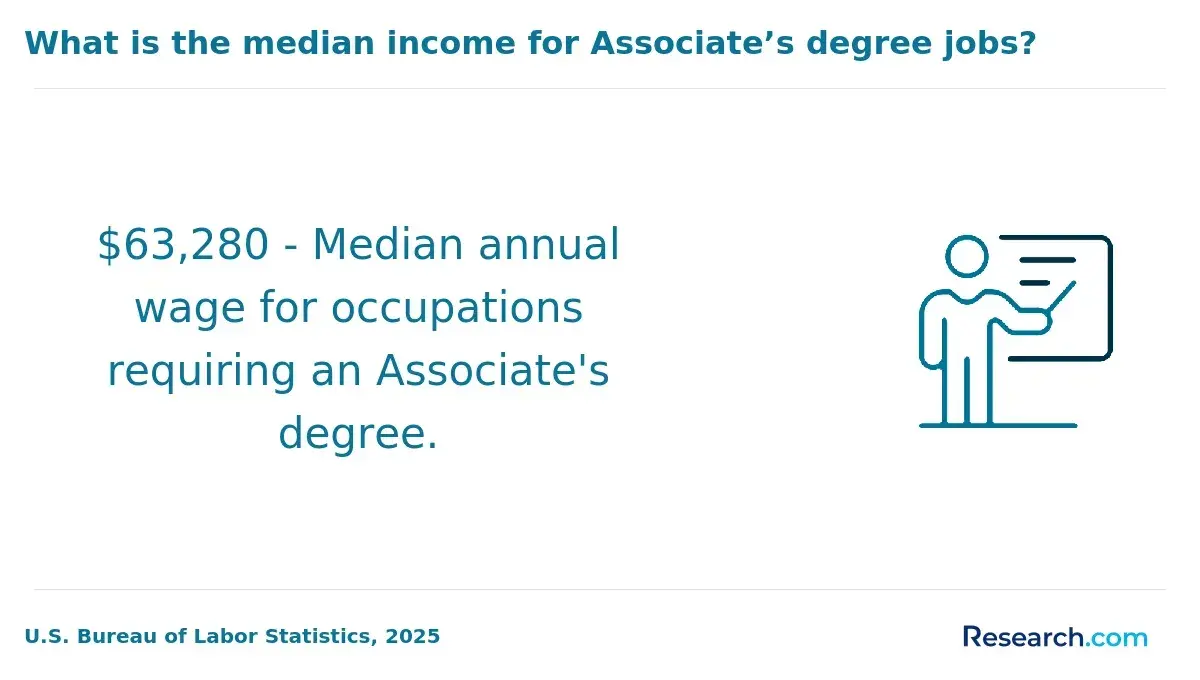
Opting for an online kinesiology degree requires balancing immediate workforce entry against long-term career flexibility and advancement. Associate-level programs provide core knowledge in anatomy and exercise science but typically confine graduates to entry-level fitness roles with limited progression. Employers increasingly favor candidates holding a bachelor's degree for positions demanding applied physiology expertise and program development skills.
Bachelor's programs emphasize motor learning and wellness strategies, integrating internships that, while challenging to coordinate remotely, build critical practical experience. These flexible online kinesiology degrees for fitness and wellness careers open doors to certified instructor roles and foundational rehabilitation work yet still may fall short for candidates seeking specialized clinical or supervisory positions.
Master's degrees concentrate on research rigor and clinical specialization-such as sport psychology or ergonomics-preparing graduates for leadership or advanced therapeutic roles. Demand trends, including the Bureau of Labor Statistics' forecasted 13% growth in personal trainer jobs, highlight the value of such advanced qualifications for certification eligibility and job security in competitive markets.
Prospective students also face regulatory nuances: state licensing may mandate in-person clinical hours despite online coursework. Evaluating these practical constraints against career objectives is crucial for an effective educational investment. For those comparing educational financing options, resources like the cheapest RN-BSN online program listings offer insight into cost-effective pathways elsewhere, informing budget decisions for kinesiology candidates.
What courses and specializations are typically included in an online kinesiology curriculum?
Choosing an online kinesiology program requires weighing the balance between theoretical mastery and practical application, especially since employers expect graduates to translate knowledge into safe, client-specific interventions. Core courses in anatomy, physiology, biomechanics, and exercise physiology form the baseline for fitness and rehabilitation careers.
However, specialization shapes employability. For instance, those targeting personal training careers benefit most from in-depth study of exercise prescription and injury prevention, while rehabilitation roles demand thorough clinical competency and therapeutic skills beyond fitness fundamentals.
Practical training remains a critical challenge in virtual delivery. Successful programs integrate kinesiology labs, virtual simulations, or local internships to compensate for the lack of in-person experience, a factor that differentiates graduates in competitive job markets where applied skills are paramount.
Students should also consider interdisciplinary courses in psychology, ergonomics, and health behavior that reflect workforce needs for designing population-level health initiatives. Given the median wage of around $60,000 for personal trainers, the choice between specialized kinesiology coursework versus general certification influences long-term earning potential and job stability.
- Foundational knowledge supports diverse career paths but practical skills determine immediate job readiness.
- Program structures that address local workforce needs through internships or externships increase employability.
- Advanced nutrition and research methods training builds capacity for evidence-based practice.
What are the admission requirements and prerequisites for online kinesiology bachelor's programs?
Selecting an online kinesiology bachelor's program demands a clear understanding of the intersection between admissions criteria and subsequent workforce readiness. Minimum academic standards-typically a high school diploma plus a 2.5 to 3.0 GPA-are baseline filters, but variations occur relative to program focus and institutional size.
Programs emphasizing health sciences or fitness often require verifiable practical experience, such as CPR certification or documented involvement in physical therapy environments, reflecting employers' demand for graduates who are not only knowledgeable but also job-ready.
Admissions complexity increases for candidates without traditional academic backgrounds but with applicable work experience; some programs waive standardized test scores for these students, enabling a route that values professional insight over test metrics.
However, applicants should carefully weigh this flexibility against potential challenges like fulfilling lab or practicum requirements, which may involve local partnerships or occasional campus visits-logistical factors crucial for working adults planning their education.
Large online providers such as Arizona State University Online enrollment numbers suggest streamlined admissions aiming to accommodate diverse learner profiles, yet smaller programs maintain tighter entry metrics to preserve rigor. A prospective rehabilitation therapist, for instance, must demonstrate prior healthcare exposure to meet prerequisite depth, underlining the practical demand for real-world readiness embedded in program entry.
- Core prerequisites often include biology, chemistry, anatomy, and physics to ensure foundational scientific literacy
- Standardized tests may be waived based on prior college credits or relevant work history
- Practicum or clinical experience requirements necessitate strategic planning around local or hybrid participation
See more about kinesiology programs and admissions.
How long do online kinesiology degrees take and what do they typically cost to complete?
Choosing an online kinesiology degree requires balancing credit requirements, costs, and career objectives with labor market realities. Standard programs demand approximately 120 credit hours, aligning with comprehensive curricula that cover anatomy, physiology, biomechanics, and exercise science. For example, ASU Online's kinesiology B.S. reflects this norm, ensuring graduates meet clinical and fitness industry benchmarks.
Cost differences heavily impact ROI. Public institutions typically charge $300-$500 per credit for in-state students, totaling $36,000 to $60,000, while private schools can exceed $72,000 due to higher per-credit rates.
Additional expenses like fees and materials must be anticipated. Students targeting entry-level fitness roles might consider accelerated 90-credit options, which reduce time and cost but narrow content depth. Conversely, careers demanding licensure or specialized clinical expertise generally require the full 120-credit program.
Part-time enrollment often extends degree completion beyond four years, increasing living costs and delaying workforce reentry benefits. Accelerated tracks provide faster credentialing but constrain employment flexibility due to intense workloads.
- Strategically align credit demands with your target role to avoid under- or overqualification.
- Analyze tuition structures and ancillary costs to ensure financial sustainability.
- Weigh pacing formats against personal obligations and employment goals.
Thorough credit and cost comparison across accredited online kinesiology programs is essential for informed investment decisions targeting 2026 and beyond.
What fitness, wellness, and rehabilitation careers can you pursue with an online kinesiology degree?
Online kinesiology degrees offer focused preparation for roles tied closely to human movement analysis and applied biomechanics. However, their limited availability demands strategic consideration, as only six such programs were identified in 2025, leading to both scarcity and competitive credentialing requirements.
Employers in fitness, rehabilitation, and wellness sectors seek candidates who combine theoretical knowledge with practical assessment capabilities. For instance, a personal trainer in a rehab gym must integrate kinesiology data to design injury-preventative regimens effective for post-surgical recovery.
The degree often serves as a stepping stone toward physical therapy assistant or occupational therapy aide positions; however, these paths generally require additional state licensing and certifications. Clinical experience and credentials like Certified Exercise Physiologist frequently become decisive employability factors.
In wellness industries-such as corporate health programming-kinesiology supports evidence-based intervention design but usually needs to be paired with expertise in public health or nutrition to meet employer expectations in competitive markets.
Students should carefully assess internship and certification opportunities when selecting online kinesiology programs to navigate regional licensing demands and accelerate workforce entry. The limited number of programs amplifies the importance of networking and ongoing professional development to offset slower career momentum.
What are the salary expectations and job outlook for kinesiology and exercise science graduates?
Exercise science and kinesiology graduates face a median salary near $47,940, with clear distinctions between job settings. Entry-level roles in community health or fitness centers typically start at $38,000 to $43,000 annually, whereas clinical or research positions, especially in hospitals or academia, often surpass $55,000. Regional and employer differences influence these figures significantly.
The workforce demand for exercise physiologists is projected to grow by 10% from 2024 to 2034, exceeding average occupational growth. This expansion largely originates in healthcare sectors catering to an aging population and preventive health initiatives, such as rehabilitation clinics and cardiac care units.
Advancement increasingly requires targeted certifications-strength and conditioning or clinical exercise testing-and professional networking with employers dedicated to prevention. Such credentials can yield $10,000+ salary increases but demand time and financial investment beyond a bachelor's degree.
Prospective students must carefully weigh these tradeoffs. The marginal salary gain from advanced degrees or certifications often comes with reduced flexibility and extended commitment. Aligning educational choices with specific employer expectations and realistic career timelines is essential to avoid overinvesting in credentials that may not guarantee proportional returns.
How does an online kinesiology degree support professional certifications like personal trainer or strength coach?
Holding an online kinesiology degree can substantively enhance a fitness professional's ability to meet certification standards, yet it does not substitute for required exams or practical experience mandated by bodies like NASM or ACSM. This degree delivers critical knowledge in anatomy, biomechanics, and exercise physiology, thereby positioning graduates to handle complex client needs such as rehabilitation or aging populations-tasks that often exceed the scope of entry-level certifications.
Employers frequently value the theoretical depth and applied understanding associated with a kinesiology degree, which tends to influence hiring decisions and wage potential. However, aligning coursework precisely with state-specific or certifying agency prerequisites is essential to avoid delays in credentialing that arise when foundational requirements are unmet.
Cost considerations remain significant. For instance, Concordia University-Chicago's online exercise science degree charges approximately $15,150 annually, correlating with a median graduate income near $50,705. This investment must be weighed against potential earnings and the enhanced analytical capacity necessary for roles in strength coaching or advanced personal training that certifications alone seldom prepare candidates for.
Other Things You Should Know About Kinesiology
In 2027, online kinesiology degrees are widely recognized by employers, especially if they are accredited by reputable agencies. Accreditation ensures that programs meet educational standards, making graduates more attractive to employers in various fitness and wellness settings, including clinical and rehabilitation facilities.
Online kinesiology degrees demand similar academic rigor but require more self-discipline due to the asynchronous nature of many courses. The absence of in-person schedules means students must proactively manage time for both theory and lab assignments, which can be challenging without on-site support. Candidates who struggle with independent learning or delayed feedback should weigh this carefully before committing to a fully online structure.
Programs vary significantly in how they accept transfer credits, particularly for science and allied health courses. Students with prior college coursework or professional certifications should verify how much credit can be applied to reduce study time and cost. Prior experience in fitness or wellness may not translate into academic credit but can improve practical understanding and networking, so assess institutions' policies carefully to avoid redundant coursework.
Online bachelor's degrees can meet prerequisites for many advanced certifications and graduate studies, but not all programs are equally recognized. For students targeting specialized fields like physical therapy or advanced sports science, selecting an online bachelor's program with strong science prerequisites and research components is critical.
Prioritize institutions with a proven track record of graduate success to ensure your bachelor's serves as a solid foundation for future academic and professional advancement.
References
- Online Bachelor’s in Kinesiology and Exercise Science Programs https://teach.com/online-ed/healthcare-degrees/online-bachelors-kinesiology-exercise-science/
- How to choose what certifications are right for you https://engineeredbodies.ca/2016/10/23/how-to-choose-what-certifications-are-right-for-you/
- What Can You Do with a Kinesiology Degree? https://www.nec.edu/news/what-can-you-do-with-kinesiology-degree
- How Online Fitness Coach Certification Helps You Stand Out In The Industry | Functional Training Institute https://functionaltraininginstitute.com/how-online-fitness-coach-certification-helps-you-stand-out-in-the-industry/
- Online Kinesiology Degree Programs: Review Top Schools https://www.edumed.org/online-schools/kinesiology-degrees/
- Bachelor's Degree in Kinesiology | UT San Antonio | Undergraduate Program in Kinesiology | Earn Your Degree (MS) in Kinesiology https://future.utsa.edu/programs/undergraduate/kinesiology/
- Bachelor's in Kinesiology Program Online | Montreat College https://www.montreat.edu/online/kinesiology/
- 2026 Best Online Kinesiology Degrees https://www.onlineu.com/degrees/kinesiology
- Kinesiologist vs Strength Coach vs Personal Trainer vs… - Vital Performance Care https://vitalperformancecare.com/trainer-vs-strength-coach/
- Explore UM | University of Manitoba - Kinesiology (BKin) https://umanitoba.ca/explore/programs-of-study/kinesiology-bkin