2027 Best Online Kinesiology Degrees for Advancement in Performance and Wellness Leadership

Co-Founder and Chief Data Scientist
Professionals aiming to advance in performance and wellness leadership frequently confront the challenge of reskilling while maintaining full-time work and personal commitments. The rapid growth of online higher education-up 21% in enrollment since 2023, according to the National Center for Education Statistics-reflects a broader shift toward flexible, accessible programs.
This shift particularly benefits working adults who require adaptable scheduling and accelerated pathways to respond to evolving employer demands for interdisciplinary expertise and leadership readiness. Selecting the right online kinesiology degree involves navigating trade-offs in curriculum depth, clinical experience, and credential recognition.
This article evaluates top online kinesiology degrees designed to facilitate career advancement through practical, accessible education aligned with workforce realities.
Key Things You Should Know
- Programs averaging 24 months and $45K tuition often require in-person clinical practicums, limiting access for full-time workers despite higher-than-average 7% Kinesiology job growth forecast by the U.S. Bureau of Labor Statistics through 2032.
- Employers increasingly prioritize certifications tied to performance analytics post-graduation; degrees lacking integrated tech skills reduce job placement by up to 15%, per National Sporting Goods Association data.
- Emerging wellness leadership roles demand cross-disciplinary knowledge, forcing a tradeoff between specialized kinesiology depth and broader management competencies as reported in 2024 Forbes Workforce Reports.
What is an online kinesiology degree in performance and wellness leadership, and who is it for?
An online kinesiology degree in performance and wellness leadership is designed to develop both scientific expertise and management skills necessary for overseeing athletic training programs or wellness initiatives.
For instance, a certified athletic trainer aiming to supervise a collegiate sports medicine department gains critical leadership strategies and performance optimization techniques through this program. Prospective students considering online kinesiology degree programs for performance and wellness leadership should evaluate how well the curriculum integrates biomechanics, injury prevention, and behavior change theories with organizational leadership.
This degree suits health coaches, exercise physiologists, and wellness coordinators looking to expand into program development, staff supervision, or outcome evaluation roles. These programs prepare graduates for positions in healthcare, corporate wellness, and sports organizations where multifaceted skills are essential.
From a workforce standpoint, occupational growth in related roles is notably strong; exercise physiologists and athletic trainers are expected to grow 9% and 11%, respectively, from 2024 to 2034, well above the 4% average for all jobs.
Balancing coursework with current professional duties and securing practical components, such as internships or clinical hours, are common challenges. Students must choose programs that combine kinesiology fundamentals with leadership training without requiring additional degrees.
Median salaries of $58,160 for exercise physiologists and $60,250 for athletic trainers indicate competitive pay that typically rises with leadership roles. To understand earnings potential further, research how much do athletic directors make.
Those who should pursue an online kinesiology degree in wellness and performance are professionals targeting leadership roles that demand both hands-on experience and strategic oversight in the kinesiology field.
How do online kinesiology programs compare with campus programs for quality and outcomes?
Online kinesiology degree program outcomes compared to traditional campus counterparts hinge largely on access to hands-on experience and professional networking. While online kinesiology degree programs cover foundational theory with comparable academic rigor, practical skill application often requires students to independently arrange local externships or clinical placements.
For instance, a working professional pursuing kinesiology leadership credentials online must proactively secure internships, imposing additional time management and networking demands not typically encountered by campus students. This gap can delay workforce entry or limit immediate leadership opportunities.
Employers emphasize measurable leadership impact and applied experience, especially in roles such as health education specialists, which present a stable job outlook with a 4% projected growth and a median salary of $63,000.
Campus programs typically provide embedded practicums and local partnerships that facilitate this applied learning more seamlessly, enhancing employability in health education and wellness program delivery.
Students evaluating quality differences between online and campus kinesiology programs should consider these operational tradeoffs: convenience and flexibility of online study balanced against the necessity for deliberate external engagement to achieve comparable workforce readiness.
Individuals balancing work with education might explore related fields like online PMHNP programs for alternate pathways that similarly demand self-directed experiential learning but in more clinical health domains.
Which accredited schools offer the best online kinesiology degrees for advancement and leadership?
Choosing an accredited online kinesiology program with demonstrated employer value is critical for navigating advancement challenges in wellness and sports performance leadership. Oregon State University's Bachelor of Science in Kinesiology is noteworthy, with graduates earning a median salary of $60,964-among the top 25% nationally, reflecting robust industry recognition. This data-driven outcome supports professionals aiming for roles in health promotion leadership or program coordination.
Other notable options like the University of Florida and Arizona State University offer curricula tailored to performance and rehabilitation sectors, but prospective students must weigh practicum demands. Many online kinesiology degrees for leadership roles require on-site clinical hours or local internships, which can complicate schedules or geographic flexibility.
Key considerations extend beyond salary to include accreditation by bodies like CAATE or CAAHEP and how licensure requirements align with state regulations. For those exploring a strategic shift into corporate wellness management roles, programs emphasizing applied science and strong employer networks offer clearer career pathways than alternatives with lower tuition but weaker outcomes.
Students exploring advanced degrees to complement kinesiology often consider the cheapest online MBA healthcare management options for cost-effective growth in leadership capacity.
Practical realities shape decision-making more than rankings alone-particularly around flexibility, clinical engagement, and the demonstrated track record in advancing careers in wellness and human performance.
What types of online kinesiology degrees and specializations can you pursue?
Choosing an online kinesiology degree program requires weighing specialization relevance and workforce applicability to avoid costly misalignment between credential and career trajectory. Entry-level bachelor's degrees in kinesiology or exercise science typically emphasize foundational topics like anatomy and biomechanics, suiting roles in fitness, rehabilitation assistance, or wellness coordination.
These programs often incorporate specializations in kinesiology for wellness and leadership, preparing graduates for applied tasks integral to employer demands in these sectors.
Graduate programs extend into clinical kinesiology and sports medicine, aligning with supervisory and technical roles in rehabilitation or corporate wellness. For example, professionals focused on injury prevention or motor control analysis benefit from master's degrees that emphasize evidence-based methodologies relevant to health organizations.
Certification paths in niche areas like corrective exercise or ergonomic assessment offer a more efficient route for practitioners seeking targeted skill acquisition or workplace advancement without the broader time and financial commitments of degree programs.
Cost variations are significant, with bachelor's tuition ranging from $184.50 to $688 per credit, a factor critical when considering return on investment. Students should weigh short-term affordability against long-term leadership opportunities.
Employers expect candidates with practical specialization credentials directly tied to job complexity, underscoring the need to select programs balancing program flexibility, workforce outcomes, and cost efficiency. Those evaluating advanced study options might also compare programs such as MSN direct entry programs online for alternate healthcare career paths.
What courses and practical experiences are included in online kinesiology leadership programs?
Completion of online kinesiology leadership programs requires careful navigation of theoretical rigor and applied practice, reflecting real-world demands for adaptable professionals who can translate human movement science into effective health and performance solutions.
These programs integrate core coursework in biomechanics, exercise physiology, motor learning, and leadership principles with practical components such as virtual simulations and fieldwork placements ranging from 100 to 200 hours to satisfy accreditation criteria.
Graduates are expected to demonstrate skills that align with diverse employer priorities-whether devising biomechanically informed athletic training plans or implementing ergonomic interventions in occupational health settings.
This variation highlights the importance of choosing a program that balances advanced analytics and leadership development with flexibility, especially for working professionals needing asynchronous formats but facing challenges in securing practicum sites.
Key tradeoffs include logistical complexity in coordinating hands-on experience and local practicum site access against the scalability of online delivery frameworks. For example, a student targeting community health leadership roles may need to actively establish local partnerships to meet practicum requirements, which enhances networking but complicates scheduling.
Enrollment data, such as Arizona State University Online's registration of over 50,000 students in health-related programs in 2026, illustrates the growing demand for scalable, flexible kinesiology education that must still meet employer expectations for practical leadership and scientific competence.
What admission requirements and prior experience do online kinesiology programs expect?
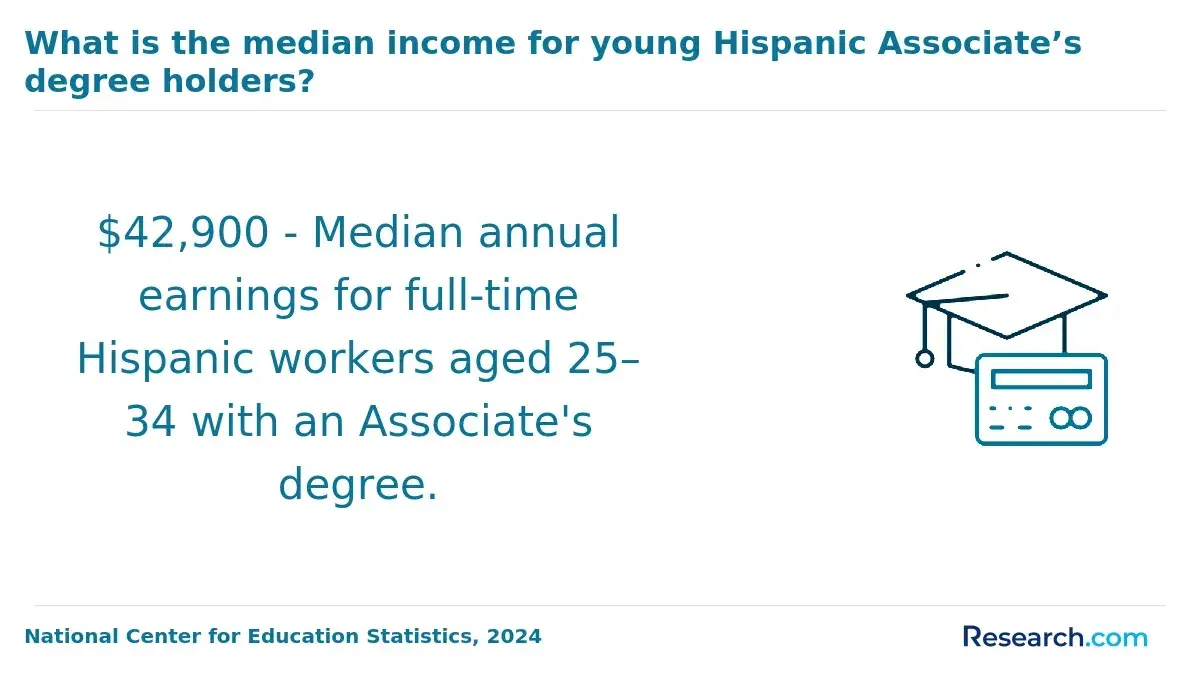
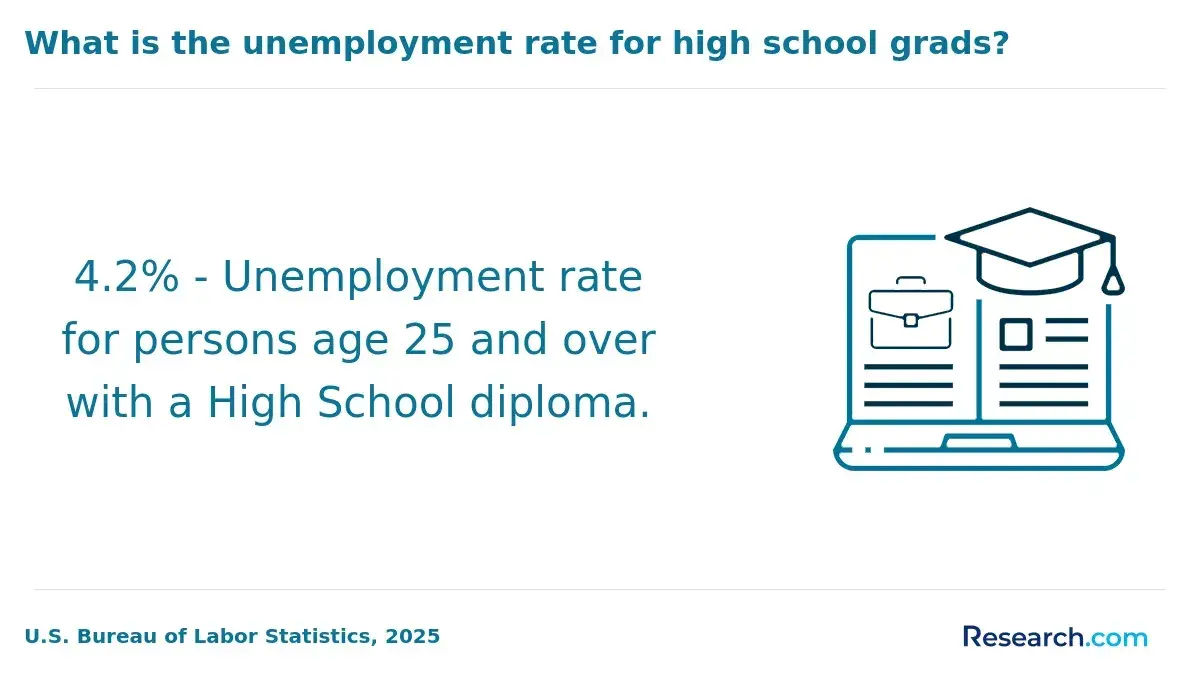
Admission to kinesiology programs often hinges on more than just a high school diploma; degree tracks typically require foundational coursework comparable to an associate degree, emphasizing subjects like biology, anatomy, and physiology.
Candidates lacking direct experience in fitness or rehabilitation settings - usually 1 to 3 years - face longer paths, as they must complete prerequisite classes, which increases both time and cost. For example, someone shifting from a non-healthcare role will likely need these extra steps to engage effectively with core kinesiology topics such as biomechanics and exercise prescription.
Graduate programs add complexity by mandating relevant undergraduate degrees and sometimes GRE scores or certifications, especially for specializations like performance coaching or wellness leadership.
This higher bar reflects the blend of academic preparation and practical skills employers expect. In real-world hiring, demonstrated hands-on experience often outweighs credentials alone, aligning with workforce data showing median personal trainer salaries near $60,000 and a 13% projected job growth.
Prospective students must therefore weigh admission requirements against their career timelines and financial resources, since failing to meet experience or coursework thresholds can delay entry into higher-paying or managerial roles within human performance fields. In short, early strategic planning around prerequisites and work experience is necessary to avoid extended credentialing timelines and maximize employability upon graduation.
How long do online kinesiology degrees take, and what do they cost to complete?
Completing a kinesiology degree on a traditional four-year timeline provides a critical advantage for entering allied health roles with strong labor market demand. Extending studies through part-time enrollment or slower pacing delays access to growing positions such as physician assistants and physical therapist assistants, both projecting over 20% job growth.
Accelerated or transfer pathways condense time-to-completion but require a heavier course load and prior credits, which can increase short-term student stress and financial strain.
Graduate kinesiology programs-master's or specialized clinical certifications-typically require 1.5 to 3 years beyond the bachelor's degree. These often include clinical practicums that cannot be fulfilled fully online, imposing additional logistic and cost challenges for learners juggling employment or distant locations.
Tuition costs vary considerably: public online programs range from $15,000 to $40,000 total, while private institutions charge $30,000 to $70,000, excluding technology fees, textbooks, or clinical placement expenses that add approximately 10-20% more. Employer tuition reimbursement caps can also affect net affordability for working professionals.
Given this landscape, strategic planning around program selection and pacing is essential for prospective students aiming to leverage kinesiology qualifications toward durable career outcomes.
What careers in performance and wellness leadership can you get with an online kinesiology degree?
Leadership roles for graduates with an online kinesiology degree require expertise beyond foundational knowledge, integrating applied human movement science and strategic health promotion within diverse settings such as corporate wellness and rehabilitation supervision.
For example, a health coach employed by a corporation must not only design scalable wellness initiatives rooted in kinesiology but also monitor employee engagement and ensure compliance with evolving health regulations.
Practical employability depends on acquiring recognized credentials like Certified Health Education Specialist (CHES) or Registered Dietitian Nutritionist (RDN), as most leadership positions demand these alongside the degree. Career trajectories frequently involve shifting from direct client interaction to managing interdisciplinary teams and developing data analytics competencies to assess program effectiveness.
Incorporating real-world experience through internships and connections with employers in corporate health sectors can distinguish candidates in a competitive job market. This blend of applied research and experiential learning aligns with employer priorities for leadership roles that influence chronic disease prevention and optimize workforce productivity.
Given these dynamics, the selection of an online kinesiology program should weigh the program's capacity to deliver relevant practical skills alongside academic theory, with a clear pathway to the required certifications and employer engagement opportunities.
What salary ranges and job outlook can kinesiology graduates expect in performance and wellness roles?
Income potential for kinesiology graduates varies sharply based on credentials and specialization. Entry-level positions in fitness coaching or wellness support typically pay between $45,000 and $65,000 annually but offer limited upward mobility without advanced certification or graduate study.
For instance, occupational therapists-a role accessed through further education-earned a median salary of $100,330, demonstrating the economic premium attached to clinical credentials. This distinction underscores a key tradeoff: the time and cost of 2-4 years of postgraduate education or certification versus access to leadership roles and six-figure salaries.
The demand growth for occupational therapists, projected at 13.8% through the mid-2020s, reflects broader workforce needs in aging populations and integrated care settings where kinesiology skills intersect with medical teams. Graduates who delay or forgo credentialing risk stagnation in support or ancillary positions with lower earnings and job security. Conversely, those who invest in industry certifications position themselves for rising wages and leadership pathways.
Practical decision-making should emphasize aligning credential attainment with target job markets to convert kinesiology education into measurable economic and professional returns. Employers consistently prioritize licensure and specialized qualifications, meaning that credentials are not optional but foundational to career progression in this field.
How can you evaluate and choose a reputable, accredited online kinesiology program?
Choosing an online kinesiology program demands critical evaluation of accreditation and curriculum relevance to employer expectations. Accreditation by bodies like CAAHEP or regional universities is essential not only to ensure rigorous instruction but also to maintain eligibility for certification exams.
Employers prioritize graduates adept at interpreting biometric data and integrating wearable technology, which aligns with a projected 9% growth in exercise physiology jobs through 2034 and a median salary near $58,160.
Programs that emphasize hands-on experience via virtual labs, internships, or partnerships address the challenge of limited in-person training, a vital component for mastering biomechanics and client assessment. Students should compare curricula for focus on data analytics, digital health, and evidence-based practice-skills increasingly demanded by employers managing wellness and performance.
For example, a sports rehabilitation specialist routinely synthesizes complex data from wearable devices to customize interventions, a capability often absent in generic kinesiology training. Graduates from accredited, tech-forward programs typically gain a competitive hiring advantage.
Prospective students should scrutinize graduation rates, certification pass rates, and employer feedback to differentiate programs meaningfully. While lower tuition may appeal, programs lacking experiential learning or current content risk long-term career limitations. Flexible pacing and faculty expertise in applied kinesiology, combined with robust employer networks, further influence employment outcomes in a technologically evolving labor market.
Other Things You Should Know About Kinesiology
Online kinesiology degrees often rely on virtual simulations and remote collaboration to substitute for in-person labs and teamwork. While these methods can build foundational knowledge and digital communication skills, programs with limited hands-on practicums may fall short in developing nuanced leadership capabilities that require direct mentorship and real-world interaction. For students prioritizing leadership roles, selecting programs with supervised internships or hybrid components will enhance readiness and employer confidence in their applied skills.
Online kinesiology programs demand significant time for coursework, including theoretical study, data analysis, and often practical assignments. Working professionals must evaluate program intensity versus flexibility; programs with asynchronous content provide scheduling advantages but may increase self-discipline requirements. Prioritizing programs that offer clear pacing guidelines and access to support services reduces burnout risk and improves progression without compromising current job performance.
When an online kinesiology program lacks specialized wellness leadership courses, students should evaluate their career goals and seek programs offering supplemental workshops or certificates to gain essential skills. They might also consider mentorship opportunities or internships to enhance their leadership knowledge practically.
Accreditation is non-negotiable since it ensures baseline educational standards and eligibility for certification or licensure pathways relevant to kinesiology careers. However, institutional reputation influences network strength, internship opportunities, and employer perceptions, which impact job prospects. For career advancement, prioritize programs that combine regional or national accreditation with a proven track record of alumni success in your desired performance and wellness sectors.
References
- Online Kinesiology Degree Programs: Review Top Schools https://www.edumed.org/online-schools/kinesiology-degrees/
- Careers in Kinesiology https://www.angelo.edu/career/career-exploration/majors/kinesiology.php
- What Can You Do with a Kinesiology Degree? https://www.nec.edu/news/what-can-you-do-with-kinesiology-degree
- Master of Science in Kinesiology | Corban University https://www.corban.edu/academics/majors-programs/master-of-science-in-kinesiology/
- Online Bachelor of Science in Kinesiology https://calbaptist.edu/academics/programs/online-bachelor-of-science-kinesiology/
- American Kinesiology Association | Careers in Kinesiology https://americankinesiology.org/careers-in-kinesiology/
- Kinesiology vs. Exercise Science vs. Sport Performance https://www.pointloma.edu/resources/health-sciences/kinesiology-vs-exercise-science-vs-sport-performance
- Best Online Kinesiology Degree Programs, Updated for 2026 https://www.kinesiologydegrees.org/programs/online
- How Long to Get a Kinesiology Degree? | ValidGrad https://validgrad.com/blog/kinesiology-degree-duration/
- Online Bachelor’s in Kinesiology and Exercise Science Programs https://teach.com/online-ed/healthcare-degrees/online-bachelors-kinesiology-exercise-science/