2027 Best Online Bachelor's in Kinesiology With Biomechanics Coursework

Co-Founder and Chief Data Scientist
Professionals pursuing a career in kinesiology face a critical bottleneck balancing rigorous biomechanics coursework with inflexible traditional schedules. This issue disproportionately affects working adults and career changers, with the National Center for Education Statistics reporting a 15% rise in enrollment among nontraditional students in online programs since 2023.
Such growth signals a shift toward demand for accessible, high-quality online curricula that accommodate complex lifestyles without compromising specialized content vital for biomechanical competence. Navigating this evolving landscape requires a clear understanding of programs that effectively integrate biomechanics within a fully remote kinesiology bachelor's degree.
This article examines top online programs to help candidates strategically prioritize flexible, career-relevant education.
Key Things You Should Know
- Biomechanics coursework enhances employability in competitive rehabilitation and sports performance sectors, where 14% job growth and median salaries near $70K reflect employer demand for technically specialized kinesiology graduates but limit program options nationally.
- Graduates face a tradeoff between depth in biomechanics and broader kinesiology competencies; programs heavily weighted to biomechanics may restrict eligibility for roles prioritizing applied clinical certifications, per 2025 Occupational Outlook trends.
- Extended time-to-degree and higher tuition in biomechanics-focused kinesiology tracks—averaging 10-15% above standard programs—can delay workforce entry and ROI, complicating decisions for mid-career changers balancing earnings loss and skill acquisition.
What is an online bachelor's in kinesiology with biomechanics coursework, and who is it for?
Enrolling in an online bachelor's in kinesiology with biomechanics coursework requires careful consideration of its practical relevance and limitations. Employers increasingly seek candidates who can translate biomechanical data into actionable rehabilitation or performance strategies, a key competency in fields such as exercise physiology and workplace safety.
For example, rehabilitation specialists apply biomechanics to create patient-specific recovery protocols that minimize re-injury risk while optimizing healing.
Who should pursue an online kinesiology degree with a biomechanics focus? It primarily suits those targeting hybrid roles demanding both broad kinesiology knowledge and specialized biomechanical expertise, especially in clinical, athletic, or ergonomic contexts.
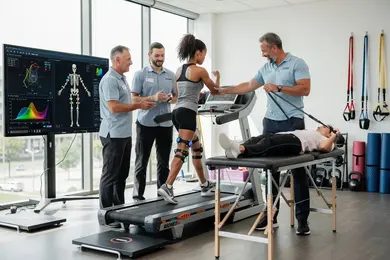
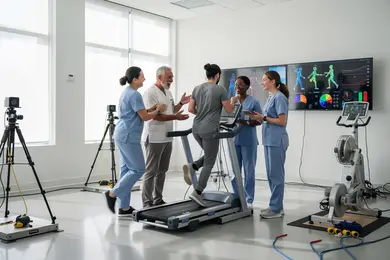
The U.S. Bureau of Labor Statistics projects 10% growth for exercise physiologists through 2032, with a median wage of $51,350 in 2023, reflecting sustained demand. However, prospective students must scrutinize the availability of rigorous practical components. Online study can lack hands-on gait analysis or motion capture labs unless supplemented by virtual simulations or local partnerships, potentially weakening graduate employability.
The tradeoff involves balancing the flexibility of remote learning against limited direct collaboration opportunities found in traditional programs. Applicants should evaluate curriculum depth in biomechanics instrumentation and data interpretation to ensure readiness for injury prevention or performance enhancement careers.
Additional context on occupational trajectories, such as how much do athletic directors make, can further inform decision-making.
How does an online kinesiology program with biomechanics compare to a campus-based program?
Online kinesiology programs with biomechanics coursework replicate theoretical foundations found in campus-based counterparts but create distinct challenges around practical skill acquisition and professional networking. Campus learners gain direct exposure to biomechanics labs and real-time assessments using specialized tools—critical for roles emphasizing clinical or performance analysis.
Conversely, online kinesiology programs with biomechanics coursework require students to independently locate local labs or partnerships for hands-on experience, which can complicate completing program requirements and delay workforce entry.
Employers in biomechanics-focused fields frequently prioritize applicants with documented lab proficiency and in-person internship experience, which campus students access more seamlessly through established collaborations. However, online formats offer flexibility that suits working professionals balancing employment with study or pursuing career changes, especially in sectors like fitness and wellness.
Given the U.S. Bureau of Labor Statistics projects 13% job growth for fitness trainers and instructors from 2022 to 2032, with a median wage of $46,880 in 2023; integrating biomechanics expertise alongside verifiable practical skills significantly enhances market competitiveness.
Students should carefully weigh tradeoffs between immediate practical training access and program flexibility. Those targeting research, clinical biomechanics, or high-performance sport science roles typically benefit from campus-based infrastructure and networks, while fitness coaching or rehabilitation roles can be well served through online study combined with local hands-on opportunities.
Prospective students might also explore opportunities comparable to online Psych NP programs in terms of flexible delivery but must remain vigilant about securing applied learning experiences to distinguish outcomes effectively.
Which accreditation and program quality standards matter for online kinesiology and biomechanics degrees?
Regional accreditation from bodies such as the Higher Learning Commission or the Southern Association of Colleges and Schools Commission on Colleges remains the most important standard for evaluating online kinesiology and biomechanics programs in the United States.
Beyond institutional accreditation, students must scrutinize programmatic quality indicators like program endorsements from the Commission on Accreditation of Allied Health Education Programs (CAAHEP) or the American Kinesiology Association to ensure the curriculum aligns with industry competencies.
Practical exposure is a decisive factor for employability in biomechanics fields. Programs lacking access to physical biomechanics labs or real-world partnerships often leave graduates unprepared for clinical assessments or research roles, which rely heavily on hands-on skills and motion analysis technology. This tradeoff directly impacts workforce readiness and career flexibility.
Cost considerations intersect sharply with return on investment. Tuition commonly ranges between $36,000 and $60,000 for a 120-credit curriculum at $300-$500 per credit hour.
Students should assess whether their chosen program's structure supports efficient completion without extended part-time enrollment that increases costs and delays employment, factors that significantly influence program value and affordability.
Employers in rehabilitation, sports science, and ergonomic consulting explicitly prefer applicants with verified practical training supported by accredited programs. Evaluating quality indicators for accredited biomechanics and kinesiology online degrees entails balancing rigorous standards, technical skill development, and efficient pacing to secure tangible career outcomes.
For those comparing options, including alternatives like the cheapest online MBA healthcare management, understanding these nuanced factors is essential to informed decision-making.
What biomechanics-focused courses and kinesiology core classes can you expect in the curriculum?
Courses with biomechanics coursework in online kinesiology programs directly influence readiness for specialized roles in rehabilitation technology and sports science. Practical skills such as interpreting digital motion capture and force plate data are essential for roles that demand precise biomechanical assessment and applied problem-solving.
These programs do not only teach theory but extend into applied lab simulations, preparing students for nuanced workforce expectations in clinical and ergonomic settings.
Core kinesiology classes with a biomechanics emphasis include exercise physiology, which provides foundational knowledge for designing effective rehabilitation or athletic programs, and motor learning and control, which addresses the neurological integration necessary for neurorehabilitation or adaptive education fields. This underlines the importance of interdisciplinary expertise rather than isolated technical skills.
Students face a tradeoff between theoretical depth and applied competence, as programs integrate data analysis relevant to sensor technology and wearable devices—an area rapidly expanding in health tech but requiring statistical rigor and clinical relevance. Functional anatomy courses support this by grounding biomechanical principles in real-world intervention strategies.
The rapid growth of online kinesiology degrees signals increasing employer demand but also more competitive expectations for technical proficiency. As many U.S. institutions evolve offerings, prospective students should weigh program rigor against their career goals.
For those considering accelerated options, exploring resources on ABSN programs online may provide insight into structuring faster credential pathways across healthcare disciplines.
What are the typical admission requirements for an online bachelor's in kinesiology with biomechanics?
Admission to an online bachelor's in kinesiology with biomechanics demands more than baseline academic credentials; it signals preparedness for a science-intensive curriculum requiring strong analytical aptitude. Most programs set a minimum GPA between 2.5 and 3.0, with prerequisites including biology, chemistry, and algebra. Some still consider standardized test scores, though many waive these if GPA criteria are met, reflecting shifting admissions policies.
Applicants benefit from having completed courses in statistics or physics, which directly support biomechanics competencies. Transfer students should be ready to provide prior transcripts and demonstrate relevant credit completion, typically 12-24 credits.
A personal statement focusing on specific career objectives in biomechanics and kinesiology remains a decisive factor, offering admissions committees insight into the applicant's motivation.
Students choosing this path should anticipate technical challenges inherent to online formats—specifically, gaining access to labs or simulation tools. Some programs require in-person assessments or clinical practice through local partnerships, creating an additional layer of logistical complexity and potential travel planning.
Considering workforce outcomes, over 60% of graduates pursue advanced studies in fields like physical therapy or athletic training, which necessitates strong foundational science skills. Navigating these requirements early mitigates the risk of delayed licensure or graduate admissions, making realistic planning essential.

How long does this online kinesiology degree take, and how is it structured for distance learners?
Choosing an online kinesiology degree with biomechanics coursework demands careful assessment of time investment versus practical training needs. While most programs follow the traditional four-year full-time model, asynchronous classes accommodate working professionals seeking flexibility. However, hands-on biomechanics labs often require virtual simulations or periodic on-site residencies, potentially extending completion times if in-person components are missed.
Part-time enrollment can stretch the degree duration up to six years, presenting a critical tradeoff between immediate income and timely credential attainment. For example, rehabilitation specialists balancing work might prefer semester systems that integrate labs steadily, whereas those targeting faster entry into advanced roles may opt for accelerated 7.5-week terms, which challenge time management and focus.
Cost disparities notably influence enrollment choices. In-state tuition can start as low as $5,430 annually, whereas out-of-state fees average $21,891, affecting whether students pursue full-time study or balance employment. This financial variance impacts not only affordability but also the pacing of degree completion and access to experiential learning opportunities.
Employers in fitness and rehab sectors expect candidates to demonstrate applied biomechanics skills, favoring programs that prioritize lab proficiency alongside theory. Ultimately, prospective students must navigate these structural and financial factors in light of their career timelines and employer demands, recognizing that online kinesiology paths with biomechanics components require strategic planning to align educational outcomes with workforce realities.
How much does an online kinesiology degree with biomechanics coursework cost, and what aid is available?
Choosing an online kinesiology degree with biomechanics coursework involves balancing tuition costs against realistic employment outcomes in a competitive job market. Total tuition ranges widely—from $15,000 to $45,000—depending on whether the institution is public or private and if in-state rates apply.
Public universities typically charge between $300 and $500 per credit hour for residents, whereas private institutions can exceed $700 per credit. Additional fees for technology and materials usually add $1,000 to $2,000 over the program's duration, increasing the total investment.
Financial aid options play a critical role but require early planning. Federal Pell Grants can cover up to $7,395 annually for qualified undergraduates, while state scholarships and institutional awards vary and often target STEM or health sciences students.
Employer tuition reimbursement remains underused despite its potential to defray costs without added debt. Applicants must start FAFSA submissions promptly to align financial aid with their educational timeline.
The labor market drives the value of biomechanics specialization. With a 15% projected growth in physical therapy roles through 2032, graduates with biomechanics skills may find enhanced opportunities in rehabilitation settings, where competitive salaries reflect the demand.
However, entry-level positions in general fitness or coaching may not justify the higher tuition premiums associated with advanced biomechanics courses.
What careers can you pursue with a kinesiology bachelor's that emphasizes biomechanics?
A bachelor's in kinesiology with a focus on biomechanics positions graduates to engage in specialized roles where applying mechanical principles to human movement is essential. Employers emphasize skills in gait analysis, sports performance optimization, and ergonomic assessment—areas where hands-on experience with motion capture and biomechanical tools directly impacts job readiness.
For instance, exercise physiologists working in government health agencies earn a median $75,740, substantially above the broader $36,070 to $78,170 salary range, illustrating how niche expertise and workplace setting influence compensation based on 2024 Bureau of Labor Statistics data.
The pathway involves key tradeoffs: while immediate employment opportunities exist in clinics and labs, advancing requires additional certification such as physical therapy assistant licensure or ergonomic specialist credentials, often necessitating further education beyond the bachelor's degree.
Research roles demand ongoing proficiency in quantitative methods and software modeling, underlining continuous skill development.
Decision-making must consider:
- The balance between early workforce entry versus investing in postgraduate qualifications to improve upward mobility and financial outcomes
- Limited scope in roles like adaptive equipment design when lacking clinical certifications
- The competitive advantage conferred by programs offering internships or applied biomechanical projects
What is the salary potential and job outlook for biomechanics-related kinesiology careers?
Biomechanics careers within kinesiology show significant variance in salary based on specialization and experience. Median annual wages range from $60,000 to $85,000, with roles such as biomechanical engineers or rehabilitation specialists exceeding $90,000 when advanced credentials supplement foundational education. Employment growth is projected at 8% through 2032, driven primarily by sectors like healthcare, sports science, and ergonomics research.
Job opportunities frequently arise in physical therapy clinics, orthopedic device manufacturers, sports performance centers, and research institutions. For example, a recent graduate focused on biomechanics working at an ergonomics consultancy might start near $65,000, leveraging clinical knowledge combined with mechanical analysis skills essential for injury prevention.
Those targeting athletic performance or assistive technology development typically require further certifications to approach or surpass $85,000.
Financial considerations favor online degree options; for instance, Texas Tech University offers an online BS in Kinesiology with biomechanics coursework priced between $415 and $500 per credit hour. This pricing model lowers overall expenses compared to on-campus or out-of-state alternatives, facilitating quicker returns on investment while accommodating working students.
Practical experience—through internships and networking—consistently outweighs degree titles in influencing salaries and job access. Employers prioritize applied expertise in motion analysis software, data interpretation, and cross-disciplinary communication, underscoring the need for curricula aligned with real-world skill demands.
How can you choose the best online kinesiology program with strong biomechanics training?
Programs promising biomechanics expertise must deliver applied proficiency beyond theory, as hiring managers prioritize measurable skills in movement analysis and technology integration. For example, a candidate trained through hands-on labs or virtual simulations demonstrating clinched competence in gait assessment will stand out for rehabilitation or sports science roles. This practical element significantly affects employability in clinical and research environments.
Cost stability directly influences a student's ability to complete their degree without financial disruption. Concordia University Chicago's BS in Kinesiology charges $440 per credit hour with a tuition freeze for continuously enrolled students, removing common financial uncertainty. This control over price inflation avoids unexpected debt expansion—crucial for working adults balancing education and income.
Key decisions hinge on accreditation status and faculty-to-student ratios; smaller programs often yield tailored mentorship critical for mastering biomechanics applications.
Additionally, alignment with labor market demands through recognized certifications and institutional internship partnerships correlates with faster job placement and improved starting salaries.
When assessing programs, candidates should weigh:
- Depth of biomechanics coursework integrated with applied anatomy and movement analysis
- Transparent, predictable cost structures
- Employment outcomes linked to professional certifications and internships
- Accreditation by recognized bodies ensuring credit transfer and credential validity
Flexible pacing options are also essential for professionals maintaining employment, minimizing extended degree timelines that can erode earning potential during study interruptions.
Other Things You Should Know About Kinesiology
Work experience is not always mandatory for admission, but it significantly enhances comprehension and application of biomechanics concepts. Students with prior exposure to clinical, athletic, or rehabilitation settings tend to navigate advanced coursework more efficiently and demonstrate stronger critical thinking. For those without experience, programs with built-in internships or practicum components are preferable to bridge theoretical study with practical skills, which employers prioritize.
Programs that overly emphasize theory at the expense of hands-on labs or movement analysis tend to produce graduates less prepared for technical roles in rehabilitation, sports performance, or ergonomics. Employers typically expect proficiency in using biomechanics software and conducting physical assessments. Choosing a program with integrated lab simulations, movement capture technology, and real-world case studies improves job readiness and widens career options.
Specialization in biomechanics can provide a competitive edge for technical positions but may limit flexibility if career goals shift. A broad kinesiology foundation with biomechanics coursework allows graduates to adapt across allied health, therapy, or fitness sectors. For career pivots or uncertain paths, prioritizing programs with comprehensive core content and optional biomechanics tracks supports long-term adaptability and employment stability.
References
- Online Kinesiology Degree Programs: Review Top Schools https://www.edumed.org/online-schools/kinesiology-degrees/
- Online Bachelor’s in Kinesiology and Exercise Science Programs https://teach.com/online-ed/healthcare-degrees/online-bachelors-kinesiology-exercise-science/
- Top 5 Kinesiology Programs in 2026 https://bold.org/blog/best-kinesiology-programs/
- American Kinesiology Association | Careers in Kinesiology https://americankinesiology.org/careers-in-kinesiology/
- Bachelor's in Kinesiology Program Online | Montreat College https://www.montreat.edu/online/kinesiology/
- Accreditation - CCUPEKA https://www.ccupeka.org/accreditation/
- What Can You Do with a Kinesiology Degree? https://www.nec.edu/news/what-can-you-do-with-kinesiology-degree
- 2026 Best Online Kinesiology Degrees https://www.onlineu.com/degrees/kinesiology
- Best Online Kinesiology Degree Programs, Updated for 2026 https://www.kinesiologydegrees.org/programs/online
- Kinesiology M.S., Biomechanics https://www.pointloma.edu/graduate-studies/programs/kinesiology-ms-biomechanics