2027 Best Online Bachelor's in Kinesiology for Exercise Science Career Paths

Co-Founder and Chief Data Scientist
Balancing a full-time job while pursuing a bachelor's degree in kinesiology can create a logistical maze, especially when access to campus-based programs feels limited or inflexible. The Bureau of Labor Statistics projects a 10% growth in exercise science careers in the next decade, intensifying demand for qualified professionals, yet many working adults delay enrollment due to rigid schedules and commute challenges.
Meanwhile, the National Center for Education Statistics now reports over 30% of undergraduates fully enroll online, signaling a critical shift in higher education accessibility and timing. This article evaluates the best online bachelor's in kinesiology programs tailored to practical career advancement, helping prospective students align program flexibility, rigor, and occupational outcomes with their unique circumstances.
Key Things You Should Know
- Online bachelor's in kinesiology often lack in-person lab components critical for exercise science roles, forcing employers to scrutinize practical readiness, thus complicating post-graduation certification and job placement rates, per 2024 NATA data.
- Employment growth in exercise science fields is projected at 17% through 2030 by the U.S. Bureau of Labor Statistics, yet many online programs fail to align curricula with evolving industry-required skills, reducing long-term career mobility.
- Accelerated online formats reduce time-to-degree but come with higher tuition rates averaging 12% above traditional programs, impacting affordability and increasing student debt risk for career switchers without employer tuition support.
What is an online bachelor's in kinesiology and how does it support exercise science careers?
Choosing an online bachelor's degree in kinesiology for exercise science careers requires understanding both its practical benefits and inherent challenges. While the program integrates anatomy, physiology, biomechanics, and motor control to cultivate skills relevant to fields such as physical therapy and sports training, the online format demands diligent time management and proactive networking to offset limited in-person interaction.
The curriculum stresses data-driven assessment and intervention strategies vital to applied roles; for instance, exercise physiologists use these competencies to monitor cardiac rehab progress, and strength and conditioning coaches rely on biomechanics to enhance safe athletic performance. This balance of theoretical and practical knowledge addresses employer demands for candidates with applied skills, a consideration often overlooked by prospective students.
Support structures, including faculty expertise and internship facilitation, critically affect how well the degree translates into employment. Graduates from Oregon State University's online BS kinesiology program report median earnings near $61,000, positioning them among the top quartile nationally-a significant indicator of market value. However, ensuring practicum access aligned with accreditation standards remains a real-world friction point.
Those exploring how an online kinesiology program supports exercise science professionals should weigh these operational tradeoffs carefully. For more data-driven program comparisons, consult the best online exercise science degree rankings to make decisions grounded in outcomes and workforce relevance.
How do online kinesiology programs compare with campus programs for exercise science training?
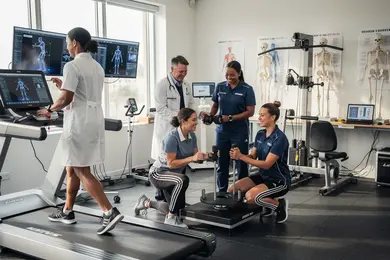
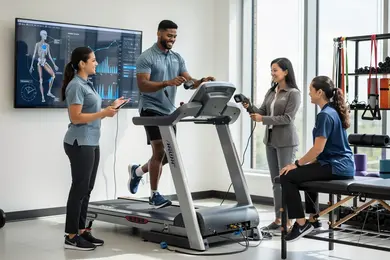
The distinction between online kinesiology programs vs campus programs for exercise science hinges on access to hands-on training critical for employability in this field. Campus programs provide structured lab environments where students refine skills in biomechanics, exercise testing, and patient interaction-all vital for meeting employer demands in clinical or sports settings.
In contrast, online kinesiology degrees in exercise science offer scheduling flexibility but expect students to independently secure quality local internships, which can be uneven in availability and rigor.
Employment projections show a 9% growth in exercise physiology roles from 2022 to 2032, with median annual wages around $59,460. Employers prioritize proven expertise in functional assessments and rehabilitation, competencies often sharpened through campus labs and supervised clinical practica. Online learners must compensate for less direct instruction by proactively building partnerships with healthcare or fitness providers.
For working professionals shifting careers, online programs offer accessibility but require additional effort to arrange accredited clinical hours. Campus students often benefit from institutional career services and employer networks, giving them an edge in accessing hospital, rehabilitation, or corporate wellness roles early on.
Selecting between these formats involves weighing personal discipline, internship accessibility, and how experiential training impacts readiness for roles demanding real-time physiology assessments.
Those exploring flexible health-related education pathways might also consider the best online RN programs for non nurses as a comparative option.
Which accredited schools offer the best online bachelor's in kinesiology for exercise science paths?
Choosing accredited online kinesiology degree programs for exercise science careers requires careful evaluation of curriculum alignment with real-world clinical and fitness demands. Graduates must meet employer expectations for certification eligibility, particularly through programs recognized by CAAHEP or CoAES, which enable access to essential certifications such as ACSM or NSCA.
Without this accreditation, students risk limited job prospects in roles dependent on evidence-based practice competencies.
Top online bachelor's in kinesiology schools for exercise science paths vary in how they replicate hands-on learning components. Institutions like University of Florida and California University of Pennsylvania integrate virtual labs and simulation tools to offset challenges created by remote delivery.
However, students should critically assess whether those programs provide sufficient practicum support or local internship placement assistance, especially if geographic location limits access to affiliated clinical sites.
Arizona State University Online's large enrollment scale offers extensive faculty expertise and diverse peer networks, which can enhance applied science learning remotely. Still, remote formats trade off direct supervision and campus resources, making flexibility and clear clinical affiliations key factors for working professionals seeking both academic progression and practical experience.
Prospective students must weigh the availability of flexible scheduling and credit transfer pathways against the necessity of completing internships required by certifying bodies. Balancing these considerations influences long-term career trajectories in kinesiology fields heavily conditioned by practical skill demonstration.
For those evaluating cost-effective options during this process, examining the cheapest online healthcare administration degree offerings may provide insights into affordable, accredited program structures that provide fiscal as well as academic value.
What accreditation and program quality standards should online kinesiology students look for?
Choosing accredited online kinesiology programs in the United States rests heavily on verifying both regional institutional accreditation and program-specific validation such as that from the Commission on Accreditation of Allied Health Education Programs (CAAHEP).
These accreditations guarantee that curriculum rigor aligns with industry expectations, particularly for roles in rehabilitation and athletic training. Students ignoring these standards risk diminished eligibility for federal aid or weak employer recognition.
Prospective students should prioritize measurable outcomes tied to workforce readiness, including graduation rates and job placement statistics. For instance, a 90% job placement in clinical exercise physiology indicates strong practical training and employer connections, often facilitated by internships or clinical rotations that may be offered online or through regional partnerships.
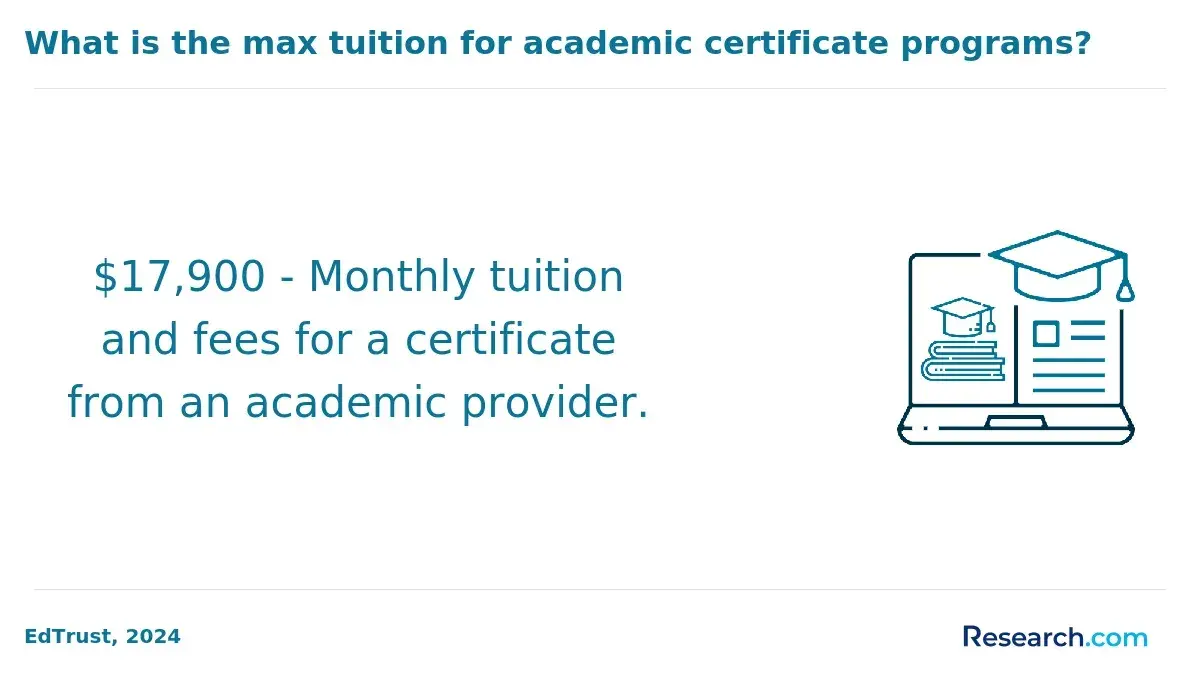
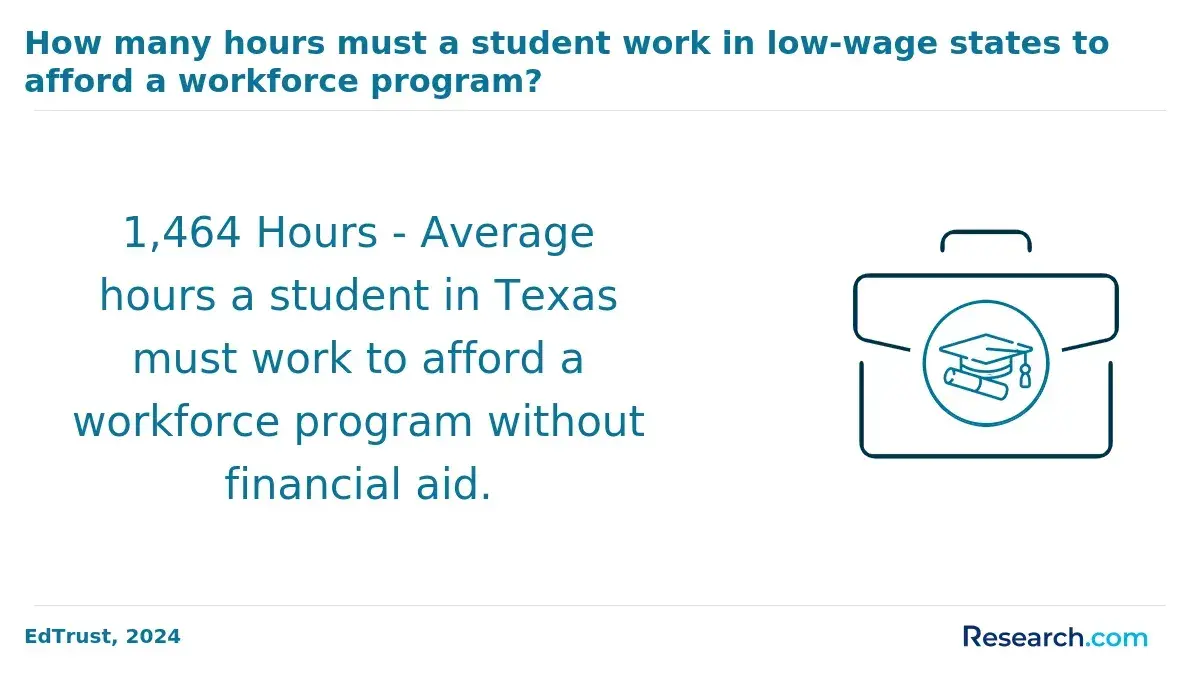
Cost remains a decisive factor within the spectrum of affordable options. In-state tuition can be as low as $5,430 per year, while out-of-state rates may exceed $29,706, influencing decisions about geographic flexibility versus financial burden. Comparisons such as those found in RN to BSN online programs cost comparison illuminate these disparities.
Quality standards for online kinesiology degrees extend beyond accreditation and cost. They include integration of evidence-based practice, technological competence in telehealth platforms or biomechanics software, and interdisciplinary collaboration skills. These are key in sectors like corporate wellness or sports performance analysis, where employers expect applied expertise over theoretical knowledge.
What courses and concentrations are typical in an online kinesiology degree focused on exercise science?
Online kinesiology programs in exercise science must balance theoretical depth with applied skills to meet workforce demands. Employers in fitness and rehabilitation sectors prioritize graduates who demonstrate competency in exercise testing, program design, and client engagement rather than purely academic credentials.
Programs typically concentrate on biomechanics, exercise physiology, motor control, and anatomy, tailoring content toward specific career paths such as strength and conditioning, clinical exercise science, or wellness coaching.
However, students should recognize the critical need for experiential learning-practicums or internships are often mandatory but pose logistical challenges in remote formats. Effective programs mitigate this by coordinating local placements, a key factor for maintainability alongside work or family responsibilities.
The disparity in tuition, ranging from approximately $9,000 to nearly $25,000 annually, demands scrutiny of return on investment. Median salaries in exercise science exceed $60,000, but this income closely correlates with how well programs align with market needs, including specialty coursework and hands-on competencies.
Prospective candidates should weigh:
- Fieldwork flexibility to ensure practical experience without undue disruption
- Curriculum relevance to targeted occupations such as athletic training or cardiac rehabilitation
- Tuition cost against realistic job placement and earning potential
These considerations influence long-term employability and career trajectory more than program reputation alone.
What are the admission requirements and application steps for online kinesiology bachelor's programs?
Admissions for online kinesiology bachelor's programs typically require a high school diploma or equivalent with a minimum GPA between 2.5 and 3.0. While standardized tests like the SAT or ACT are often optional, submitting scores can provide a competitive edge.
Applicants must submit official transcripts, a personal statement focused on exercise science career goals, and at least one letter of recommendation from an academic or professional source. Many programs also mandate foundational science coursework, such as biology or chemistry, before enrollment, emphasizing the degree's technical demands.
Prospective students should anticipate a multi-stage application involving online forms, document submission, and occasionally interviews or assessments. Meeting deadlines is essential, as cohorts have limited spots. Practical certifications like CPR or fitness training can boost candidacy, especially for advanced standing.
For working professionals aiming to pivot or advance in exercise physiology or athletic training, showcasing relevant work experience and continuing education helps balance lower academic records. Employment growth for roles like athletic trainers and exercise physiologists ranges from 9.5% to over 20%, reflecting strong industry demand that rewards applied skills alongside academic knowledge.
Balancing courses with work commitments remains a challenge, requiring programs that offer flexible scheduling and clear clinical practicum advisement to ensure timely credentialing. Verifying each program's specific prerequisites and application steps against existing credentials is vital to avoid delays in graduation or licensure.
How long does it take to earn an online kinesiology bachelor's and what does it cost?
Earning an online bachelor's degree in kinesiology demands a careful balance between time, cost, and practical requirements that directly affect career readiness. While full-time study typically takes four years, prior credits or accelerated options can reduce this to around three years, and part-time learners often extend completion to five or six years.
This duration variation impacts tuition expenditures-starting near $9,480 annually per OnlineU's 2026 Exercise Science rankings-and opportunity costs tied to delayed workforce entry.
Graduates report median salaries near $50,700, suggesting a reasonable earnings-to-tuition ratio compared to other health-related degrees. However, asynchronous course delivery and credit transfer flexibility are critical for students juggling employment or family obligations to shorten time-to-degree and limit financial exposure.
Many employers require hands-on internship or clinical experiences integrated with online coursework, adding layers of complexity. These practical elements may extend program length or necessitate local arrangements, influencing both timelines and costs. State residency can also alter per-credit tuition rates, making geographic considerations vital.
Prospective students must also factor in indirect expenses such as specialized equipment or certification exams. Aligning program features like transfer credit support, pacing options, and transparent fee structures with realistic entry-level salaries aids in strategic financial and career planning.
What exercise science and fitness careers can you pursue with an online kinesiology degree?
Obtaining an online kinesiology degree can position graduates for roles such as exercise physiologist, strength and conditioning coach, or rehabilitation technician, but the pathway is less straightforward than often assumed. While the 11% projected job growth for exercise physiologists between 2022 and 2032 suggests growing demand, real employment success depends heavily on integrating certifications like ACSM or NSCA with the degree, especially for competitive roles in athletic settings.
Working professionals pursuing this degree remotely must consider the logistical challenges of securing internships or clinical hours, which are essential for licensure in fields like physical therapy assistance or specialized rehabilitation. Programs that embed practical, supervised experience are more likely to deliver tangible career benefits, yet such offerings are uneven and require careful vetting based on outcomes data.
Data from OnlineU, collected from over 90,000 student surveys, indicates those enrolling in programs with employer recognition and flexible formats tend to report better satisfaction and post-graduation adaptability. This suggests that program selection should prioritize measurable results over convenience alone.
Graduates often find employment in clinical environments, fitness centers, corporate wellness, or community health, but must plan strategically for certifications and experiential learning. For working learners, balancing these demands with existing responsibilities often requires deliberate scheduling and realistic timelines.
What are the salary expectations and job outlook for kinesiology and exercise science graduates?
Entry-level salaries for graduates with a bachelor's in kinesiology focused on exercise science typically range from $45,000 to $60,000, with a median near $54,000, varying by location and employer type. Growth projections for related roles such as fitness trainers and exercise physiologists are notably strong at 13% through 2032, driven by increased demand for chronic disease management and preventive healthcare.
Employers increasingly require industry-recognized certifications tied to accredited kinesiology programs, especially those aligned with organizations like the National Strength and Conditioning Association (NSCA) or the National Academy of Sports Medicine (NASM), to validate candidates' practical skills. This accreditation alignment significantly affects employment prospects and wage potential.
Hands-on experience remains a practical barrier; many positions demand internships or clinical training before graduates can fully leverage their degrees. For instance, clinical exercise physiologists who supplement their degree with certification can boost earnings by up to 20% within five years. This reflects the field's premium on applied learning rather than purely academic credentials.
The choice of online programs involves balancing flexible study options with ensuring recognized accreditation and meaningful applied experiences. Graduates from programs lacking these components often face extended job searches or stagnating wages, emphasizing the importance of strategic program selection based on workforce expectations and real-world outcomes.
What certifications or licenses pair best with an online kinesiology degree in exercise science?
Choosing certifications after a kinesiology degree requires strategic consideration of the intended career sector, as credential relevance directly impacts employability in a saturated job market. For instance, Certified Strength and Conditioning Specialist (CSCS) certification suits graduates targeting collegiate athletic performance coaching, where proving practical experience and passing a demanding exam can increase access to NCAA programs or private facilities with competitive salaries.
Conversely, Certified Exercise Physiologist (CEP) certification aligns with clinical settings but mandates a bachelor's degree plus supervised, structured clinical hours, positioning candidates for roles in cardiac rehab or medical fitness environments rather than general fitness markets.
Licensing and certification requirements vary by state and specialization-common among physical therapy aides or occupational therapy assistants-so verifying local regulations is essential before investing in credentials. Many kinesiology graduates pursue Certified Personal Trainer (CPT) certifications like NASM or ACSM for quicker entry into fitness roles, though these often lack sufficient weight for advanced clinical or research positions.
Additional, niche credentials such as Corrective Exercise Specialist (CES) or nutrition coaching can strengthen specific career tracks but demand ongoing education and renewal to stay valid. With academic programs producing growing numbers of graduates annually, stacking relevant, accredited certifications tied to the target employment sector is critical to avoiding entry-level stagnation and ensuring mobility within exercise science fields.
Other Things You Should Know About Kinesiology
Online programs rely heavily on theoretical coursework, which can limit physical skill development unless supplemented with local practical training. Students must proactively seek external opportunities for strength, movement analysis, and manual therapy practice. Choosing a hybrid program or ensuring access to in-person labs allows you to build essential physical competencies employers demand.
Employer recognition varies significantly based on program accreditation, curriculum rigor, and alumni outcomes. Degrees from regionally accredited institutions with specialized kinesiology accreditation carry the most weight. When considering an online degree, verify the program's connection to recognized certification bodies and its graduate placement rates to avoid weak market perceptions.
Choosing a specialized concentration can increase expertise and appeal to niche employers but may limit flexibility to pivot within the broad exercise science sector. Working professionals aiming for leadership or multidisciplinary roles should prioritize degrees offering comprehensive foundational courses and electives allowing cross-functional skills. Align your choice with your targeted career trajectory rather than generic specialization appeal.
References
- Online Kinesiology Degree Programs: Review Top Schools https://www.edumed.org/online-schools/kinesiology-degrees/
- Kinesiology and Exercise Science Careers Guide https://teach.com/online-ed/healthcare-degrees/online-bachelors-kinesiology-exercise-science/career-outlook/
- Kinesiology - Admissions - University of Victoria https://www.uvic.ca/undergraduate/programs/undergraduate-programs/pages/kinesiology.php
- Bachelor's in Kinesiology Program Online | Montreat College https://www.montreat.edu/online/kinesiology/
- Best Exercise Science Careers - Let's Find out! https://www.ptpioneer.com/personal-training/exercise-science-careers/
- Best Online Kinesiology Degree Programs, Updated for 2026 https://www.kinesiologydegrees.org/programs/online
- 2026 Best Online Exercise Science Degrees https://www.onlineu.com/degrees/exercise-science
- Exercise science program accredited by national organization | Lipscomb University https://lipscomb.edu/news/exercise-science-program-accredited-national-organization
- The College of New Jersey earns CAAHEP accreditation for kinesiology and health sciences program | The College of New Jersey https://tcnj.edu/2026/02/03/caahep-accreditation-for-khs/
- Best Online Bachelor's in Kinesiology - 2018's Best https://www.onlinecollege.org/bachelors/kinesiology/