2026 Human Resource Management Specializations That Best Match Healthcare and Government HR Roles

Co-Founder and Chief Data Scientist
For HR professionals targeting healthcare or government sectors, aligning specialization choices with sector-specific demands is a high-stakes challenge that directly affects employability and advancement. Healthcare HR faces unique compliance and talent retention pressures, while government roles emphasize regulatory knowledge and public accountability. The U.S. Department of Education reports that 48% of adult learners now prioritize programs enabling flexible, asynchronous study.
Navigating this balance intensifies the difficulty of selecting human resource management specializations that genuinely enhance both sector fit and long-term career mobility. This article dissects top human resource management specializations tailored to healthcare and government HR roles, offering clear guidance to optimize educational investments and career outcomes.
Key Things You Should Know
- Healthcare HR roles demand expertise in regulatory compliance, with 72% of organizations prioritizing candidates versed in CDC and OSHA standards, creating a tradeoff between specialization depth and broader HR competencies.
- Government HR increasingly values data analytics skills, as 64% of federal agencies report improved workforce planning accuracy after integrating HR metrics, pressing applicants to align studies with these analytic capabilities.
- Specializations with lengthy certification requirements delay entry by 12-18 months on average, impacting career timing and cost; professionals must balance accelerated routes against comprehensive credential value.
What human resource management specializations align most closely with healthcare and government HR careers?
Specializations in strategic HR leadership and workforce analytics shape the most effective human resource management specializations for healthcare and government careers, where compliance and precision are paramount. Healthcare HR requires mastery of labor relations, credentialing compliance, and performance management amid federal regulations like HIPAA and the Affordable Care Act. In government roles, expertise revolves around federal employment law, veterans' affairs, and union negotiation, essential for managing public sector bureaucracies.
For example, a healthcare HR manager balancing hospital staffing must navigate clinical credentialing, budget constraints, and patient safety under regulatory scrutiny. Similarly, government HR professionals develop workforce plans respecting merit systems and equal opportunity mandates tied to public policy priorities. These differences highlight operational tradeoffs between sectors that impact workforce stability and organizational outcomes.
Workforce analytics specialization enhances data-driven recruitment, turnover mitigation, and training effectiveness—skills highly valued in the best human resource management roles in healthcare and public sector jobs. Median annual wages around $140,030 reflect these market demands, alongside a projected 5% growth from 2024 to 2034, confirming their relevance but also the necessity for continuous upskilling to maintain compliance with evolving policies.
Choosing either path requires rigorous understanding of regulations, ethical standards, and diverse workforce management, often involving ongoing certification and education commitments. Those considering a strategic career pivot should evaluate the practical challenges and sector-specific requirements through a master's degree in organizational leadership to align skill sets with real-world labor market expectations.
How do healthcare HR and government HR roles differ from traditional corporate HR positions?
Healthcare human resource management role differences from corporate HR become clear when considering regulatory demands and workforce complexity. Unlike typical corporate HR, healthcare HR must ensure strict compliance with HIPAA and maintain the licensure and certifications essential for clinical staff competence.
Meanwhile, government human resource management versus corporate HR features a more rigorous focus on civil service laws, union negotiations, and public-sector employment policies that private companies rarely encounter.
This regulatory environment drives specialized talent acquisition strategies. Healthcare organizations prioritize recruiting staff with precise clinical credentials, while government roles emphasize unionized workforce management and benefits administration, demanding distinct operational expertise. The tradeoffs include longer hiring timelines, exhaustive background checks, and compensation frameworks shaped by public accountability rather than market competitiveness.
The 30,300 HR job openings projected in 2025 spotlight roles tied to compensation, learning and development, and strategic hiring support, sectors where healthcare and government HR specialists excel at managing complex pipelines under regulatory pressure. For those exploring educational pathways, coursework aligned with these niches is essential. Some students may find value in pursuing a bachelor project management to develop skills relevant to workforce planning challenges in these sectors.
Choosing a focus in healthcare or government human resource management demands grasping public funding cycles, union dynamics, and compliance. These factors strongly color recruitment and retention compared to private corporate HR, requiring candidates to weigh the operational realities before committing to a specialized career track.
Which degree levels and majors best prepare you for healthcare or public-sector HR jobs?
Degrees in human resource management or related fields such as industrial-organizational psychology and business administration with HR concentrations are foundational for roles in healthcare human resource management degree options and public-sector HR degree programs and specializations. These programs provide essential training in compliance, labor relations, and benefits administration that align with the stringent legal and unionized frameworks typical of healthcare and government sectors.
In healthcare HR, mastering compensation frameworks tied to clinical credentials is critical, while public-sector HR professionals must navigate complex federal employment laws and collective bargaining processes. For example, HR managers with a master's degree often design benefit packages within large government entities, balancing policy mandates and transparency requirements.
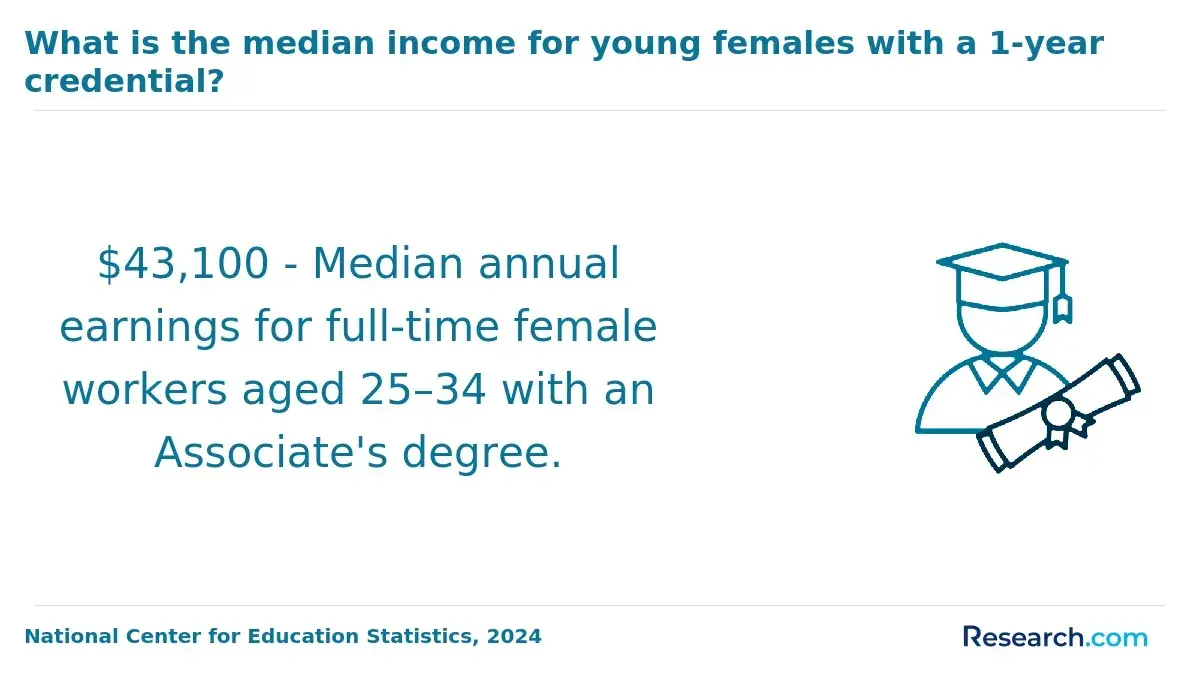
Associate degrees or certificates tend to fall short when employers demand strategic expertise in total rewards, workforce analytics, compliance auditing, and talent management, reflecting the reality faced by compensation and labor specialists earning a median $77,020 with projected 5% growth from 2024 to 2034. Real-world experience through internships or partnerships with public health systems or government HR offices significantly enhances employability in these regulated fields.
Prospective students evaluating pathways should carefully assess program specializations and practical components to avoid slower career progression or constrained eligibility for advanced roles. Those interested in flexible options can explore accredited human services degree online programs that align with these professional demands.
What HR concentrations focus on healthcare administration, hospital staffing, and clinical workforce management?
Healthcare human resource management specializations demand managing complex regulatory requirements and operational realities unique to clinical environments. A key challenge lies in hospital staffing and clinical workforce management concentrations, where coordinators must synthesize clinical skill matrices with patient acuity indexes to maintain optimal nurse-to-patient ratios while balancing overtime and burnout risks. This precision in workforce alignment directly influences patient outcomes and financial sustainability.
Specialized training emphasizes analytics tailored to clinical outcomes, staff diversity, and credential renewals. For example, India has seen a 70% surge in healthcare HR analytics roles over five years, highlighting global demand for predictive workforce modeling in these sectors.
Government workforce management programs additionally address policy-driven labor forecasting and emergency response staffing, often navigating tradeoffs between bureaucratic hiring timelines and urgent public health needs. These scenarios underscore the necessity for agility in both credential verification and labor negotiation under constrained budgets.
Both healthcare and government tracks require cross-disciplinary fluency in labor law, healthcare system operations, and HR analytics. Programs embedding practicum experiences within hospitals or government agencies significantly enhance employability by exposing students to electronic health record integrations and policy applications.
Prospective students evaluating this pathway should consider practical program attributes and outcomes, such as real-world exposure and data-driven workforce strategies. For those seeking accessible education routes, a health information management degree can provide relevant foundational skills supporting specialized healthcare HR roles.
Which HR specializations support public-sector, civil service, and federal government personnel management?
Specializing in public-sector human resource management requires navigating a regulatory environment that prioritizes compliance, labor relations, and organizational adaptation over typical private-sector HR dynamics. For instance, when a federal agency deploys new cybersecurity protocols, learning and development professionals must design precise training programs that not only upskill employees but also satisfy strict government policies. This specialization directly involves managing federally mandated workforce upskilling and diverse civil service employee populations.
Labor relations roles demand proficiency in union negotiations and collective bargaining processes unique to sectors like postal and transportation services, where union activity is prominent. Failure to manage these relationships effectively can disrupt essential public services, highlighting the critical need for expertise in government-specific labor laws and risk mitigation strategies.
Organizational change management specialists in the public sector face challenges such as workforce resistance during restructurings or technology rollouts, where mismanagement can cause operational inefficiencies and morale issues. Their function is pivotal in smoothing transitions and aligning personnel with new policy directives or IT infrastructure.
Training and development specialists report a median wage of $65,850 with an 11% job growth projection through 2034, affirming consistent demand driven by government investment in employee development. However, slower promotion rates typical of civil service systems and variable agency needs necessitate careful evaluation by candidates prioritizing stability and growth potential.
How do online and on-campus HR programs compare for students targeting healthcare and government roles?
Selecting between online and on-campus human resource management programs demands weighing practical immersion against flexible access, especially in sectors like healthcare and government where relational nuance and crisis response matter. On-campus formats deliver direct interaction with faculty and peers, fostering hands-on skills crucial for navigating complex workforce issues.
For instance, healthcare HR professionals facing a critical retention challenge—as 39.9% of registered nurses and 41.3% of LPN/VNs expect to leave within five years per the 2025 NCSBN report cited by AAG Health—gain from role-playing retention strategies and immediate mentorship unavailable online.
Online programs accommodate working professionals by allowing integration of coursework with current job demands. Nevertheless, this format limits live practical experiences and local network building, potentially delaying the refinement of interpersonal and policy enforcement skills employers seek in public service HR roles.
Employers increasingly demand HR practitioners who combine theory with emotional intelligence and applied experience. Prospective students in online tracks should deliberately pursue internships or local practicums to supplement distance learning.
Conversely, those able to engage fully in on-campus settings often secure deeper industry connections and experiential learning, which can accelerate their positioning in high-demand, engagement-intensive environments.
What courses and skills should you look for in HR programs serving healthcare and government employers?
Success in human resource management within public health and government sectors hinges on understanding the intersection of diversity, equity, inclusion, and belonging (DEIB) with legal and operational frameworks. Given an annual projection of 1.9 million healthcare job openings through 2034, recruitment and retention strategies must be attuned to systemic barriers and workforce demographics specific to these environments.
The ability to navigate federal employment law, union negotiations, and sector-specific labor relations is critical for government HR professionals, where collective bargaining is routine. Healthcare HR managers face distinct challenges, such as aligning DEIB objectives with clinical credentialing and strict confidentiality requirements under HIPAA.
Technical skills in data analytics and HR information systems tailored for these sectors are not optional. Tracking demographic trends, conducting compliance audits, and measuring performance metrics support data-driven decisions essential for reducing turnover and enhancing inclusive cultures.
Practical training that includes internships or capstone projects centered on public or healthcare HR issues bridges the gap between theory and practice. For example, government HR specialists managing veteran affairs must reconcile federal hiring preferences with nondiscriminatory mandates, while healthcare HR leaders design onboarding that integrates equity without compromising regulatory compliance.
What are typical admission requirements, program lengths, and costs for specialized HR degrees?
Admission to specialized human resource management degrees for healthcare and government often demands more than a bachelor's degree, with many programs favoring a master's in HR, healthcare administration, or public administration. Minimum undergraduate GPAs hover around 3.0, but relevant work experience in healthcare or government sectors significantly strengthens candidacy, as employers prioritize practical knowledge.
Applicants typically face requirements including letters of recommendation and targeted personal statements outlining specific HR career objectives.
Program duration varies: bachelor's degrees generally require four years, while master's programs tend to span 18-24 months full-time or up to three years part-time. Flexibility is critical for mid-career professionals seeking management roles in medical and health services, prompting many CAHME-accredited or government-linked programs to offer hybrid learning options that minimize disruption to work commitments.
Costs vary widely from approximately $15,000 for public in-state undergraduate degrees to upward of $50,000 for private or graduate programs. The investment aligns with labor market realities: medical and health services managers earn a median annual wage of $117,960, with a 23% projected employment increase over the next decade.
However, students must weigh tuition expenses against expected salary gains and recognize that navigating these programs demands balancing study, work, and often complex admission prerequisites.
Which accreditations, certifications, and professional standards matter most in healthcare and government HR?
Choosing between healthcare and government HR certifications involves weighing specialized knowledge against broader regulatory expertise in distinct operational environments. Healthcare HR certifications such as the Professional in Human Resources (PHR) and Certified Professional in Healthcare Human Resources (CPHHR) emphasize compliance with clinical staffing needs, patient privacy laws like HIPAA, and managing insurance benefits.
In contrast, government HR credentials like the Certified Federal HR Professional (CHRM) or SHRM-CP/SHRM-SCP prioritize civil service regulations, labor relations, and policy enforcement relevant to public agencies. This distinction reflects workforce realities where government HR professionals typically command higher median wages—for example, $132,620 for medical and health services managers in government settings, indicating a market premium tied to regulatory complexity and public accountability.
Decision-making about these credentials should factor in the intended professional context, given the tradeoffs between focused healthcare expertise and the versatility needed for government HR roles. Maintaining these credentials requires ongoing education and adapting to evolving digital HR systems central to both sectors. Employers in compliance-heavy environments expect proficiency in employee relations within unionized or regulated contexts and capability in digital auditing tools.
Prospective HR professionals must assess how certification aligns with their career trajectory: government roles often demand fluency in public resource stewardship and complex labor law, while healthcare roles require detailed operational knowledge of patient-related HR functions. This assessment influences employability, earning potential, and practical competence over the long term.
What are the salary ranges and job outlook for HR professionals in healthcare and government settings?
Salary potential in human resource management within healthcare and government is heavily influenced by sector-specific demands and skills. While entry-level roles start near $50,000 annually, specialists with expertise in regulatory compliance or union relations often earn $90,000 or more.
Notably, healthcare HR professionals encounter unique challenges related to credentialing clinical staff and navigating health regulations, which tends to elevate compensation. Government HR positions trade off higher pay for more stable, structured progression tied to civil service scales.
Projected 6% growth over the next decade aligns with expanding public health and government workforce needs. This demands that HR practitioners develop agility in managing diverse employee groups and implementing rapid policy shifts—factors that critically impact recruitment and retention strategies. In government, practitioners often face additional constraints like budget limits and procedural rigidity, shaping advancement opportunities differently than in healthcare.
Successful advancement typically depends on combining core human resource management capabilities with targeted knowledge in areas such as healthcare privacy laws or government labor regulations. Prioritizing certifications tied to these specializations correlates with higher earning potential and job security.
For professionals navigating this field, balancing broad HR proficiency with sector-specific expertise is essential for optimizing employment outcomes and adapting to evolving workforce challenges.
Other Things You Should Know About Human Resource Management
It should include HIPAA privacy rules, FLSA wage-and-hour compliance, ADA accommodations, FMLA leave administration, public-sector merit rules, and collective bargaining basics. For healthcare HR, training should also cover Joint Commission documentation standards and clinical credentialing audits, which are essential in hospitals and public agencies.
Practical experience carries more weight in healthcare and government HR roles due to the operational complexities and stakeholder management challenges inherent to these environments. Academic credentials signal baseline knowledge but rarely substitute for demonstrated ability to manage compliance, collective bargaining, and public accountability. Prioritize opportunities for internships, fellowships, or roles that offer direct exposure to public sector or healthcare HR issues alongside degree completion.
Yes. Certifications tailored to healthcare and government HR demonstrate specialized competence and are often preferred by employers due to the distinct regulatory and operational challenges in these sectors. Prioritizing sector-specific credentials over generalist HR certifications improves hiring competitiveness and indicates readiness for complex, compliance-heavy environments. Programs that integrate certification preparation into their curriculum better position candidates for immediate applicability in these fields.
References
- Why trust GlobalHealth Education? https://globalhealtheducation.com/au/resources/online-vs-on-campus-courses
- Guide to Federal Human Resources Management Foundations https://www.graduateschool.edu/learn/federal-human-resources/foundation-for-federal-human-resources-management
- what courses are required for hr - A comprehensive guide https://www.bmc.net/blog/general-blog-posts/what-courses-are-required-for-hr
- Career Insight: How Much Does a Human Resources Professional Make? https://www.utsa.edu/pace/news/career-insight-how-much-does-a-human-resources-professional-make.html
- Workforce management in healthcare: Challenges, trends & best practices https://www.aspect.com/resources/workforce-management-in-healthcare-challenges-trends-best-practices
- Public vs. Private Sector: Managing Complexity and Scale in HR Operations https://mybentek.com/public-vs-private-sector/public-vs-private-sector-managing-complexity-and-scale-in-hr-operations/
- The Importance of Healthcare Human Resources https://www.oracle.com/africa/human-capital-management/healthcare-human-resources/
- HRH Global Resource Center https://www.hrhresourcecenter.org/taxonomy/term/104.html
- Difference Between Civil Service Management and HR https://www.freebalance.com/en/blog/civil-service-management/difference-between-civil-service-management-and-hr/
- Master Healthcare Workforce Management and Make a Real Difference https://www.kimedics.com/master-healthcare-workforce-management-and-make-a-real-difference