2026 Human Resource Careers Most Resilient to Automation

Co-Founder and Chief Data Scientist
Mid-career professionals in human resource management face a pressing dilemma: how to safeguard their roles against automation while juggling work and personal commitments. As 60% of HR tasks become increasingly digitized, according to the U. S. Bureau of Labor Statistics, many students seek flexible programs that accommodate adult learning patterns without compromising career advancement.
Yet, not all HR pathways provide the same resilience or return on investment. This article breaks down the most automation-resistant roles in human resource management, emphasizing practical factors like skill transferability, employer demand, and strategic timing to guide informed decisions on educational and career trajectories.
Key Things You Should Know
- Automation-resistant roles heavily favor HR professionals with advanced data literacy; 65% of U.S. employers cite analytics skills as essential, forcing candidates to balance costly upskilling against faster AI encroachment.
- Employers increasingly prefer hybrid HR specialists adept in compliance and employee relations, with turnover-linked automation risk rising 27%, pressuring workforce planning to prioritize interpersonal skills.
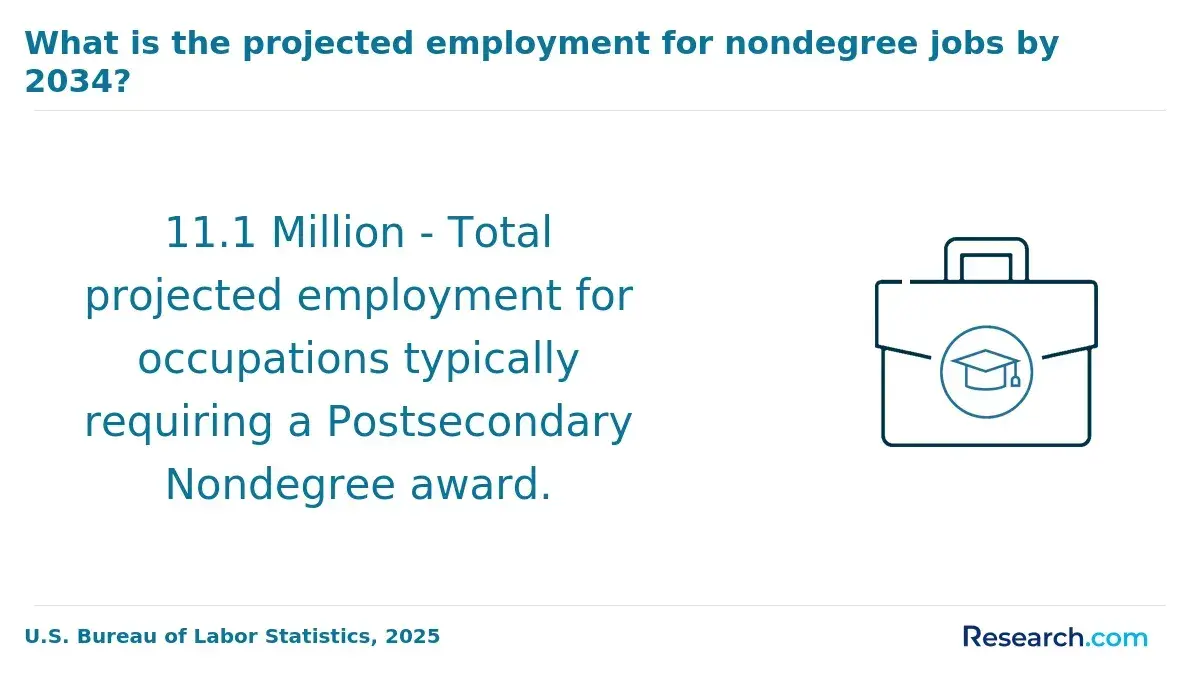
- Certification timelines extending beyond 18 months correlate with a 12% employment delay in HR sector entrants, revealing a tradeoff between credential depth and timely market entry.
What human resource careers resist automation best?
Human resource careers resistant to automation in the United States increasingly center on strategic roles that require complex interpersonal judgment and adaptable organizational insight. HR business partners, projected by 2026 to be considered critical by 76% of organizations-up from 58% in 2023-illustrate this shift, as their function extends beyond transactional tasks to understanding nuanced team dynamics, cultural factors, and stakeholder negotiation that AI cannot replicate.
Positions chiefly involved in strategic workforce planning, change management, and conflict resolution demonstrate the least automation vulnerability. For instance, an HR business partner in healthcare must navigate regulatory compliance alongside patient care workflows and employee well-being, variables too fluid for rule-based automation. Similarly, talent development professionals rely on deep human insight to craft personalized upskilling strategies, as automated systems typically address these areas superficially.
In contrast, roles anchored in transactional duties such as payroll processing, benefits administration, and resume screening face elevated automation risk due to their routine, formulaic nature. Candidates pursuing human resource management roles least affected by automation need to weigh the tradeoff between mastering technical HR information systems and cultivating strategic advisory and consultation abilities sought by employers.
Certification curricula that emphasize organizational psychology, data interpretation, and consultative skills tend to prepare candidates for longer-term employability than those focused solely on administrative proficiency. Those considering a strategic pivot or advancement might also evaluate advanced degrees such as an online PhD leadership, which can deepen expertise in organizational dynamics relevant to these resilient roles.
Which HR jobs still need human judgment most?
Human resource jobs requiring critical thinking increasingly depend on nuanced judgment that technology cannot replicate. Despite 81% of organizations maintaining or increasing spending on talent acquisition technology through 2026, 70% still identify qualified candidate shortages as their main hiring challenge. In recruitment, decisions involving cultural fit, candidate nuances, and negotiation require human evaluation beyond automated algorithms.
For instance, healthcare recruiters face intricate credential verification and interpersonal assessments that AI-driven tools cannot handle adequately, risking costly hiring errors without experienced professionals. Workforce planners, tasked with forecasting based on economic shifts and skill supply fluctuations, combine data interpretation with contextual awareness-an aspect automation alone cannot address effectively.
Employee relations managers confront challenges demanding emotional intelligence, legal expertise, and ethical judgement to resolve workplace conflicts. Automation may streamline documentation, but managing complex interpersonal dynamics remains an inherently human function, underscoring hr roles demanding complex decision making.
Candidates seeking advancement in human resource management careers must prioritize critical thinking and relational skills over technical proficiency alone. Understanding these dynamics helps clarify why transactional functions become automated while strategic roles retain human oversight. Those evaluating educational pathways should consider programs that emphasize these competencies. Professionals interested in structured learning options that complement this skill set may consult the best accelerated project management degree programs online for compatible interdisciplinary training.
What HR degree best prepares you for automation-resistant roles?
Degrees in human resource management designed for automation-resistant careers prioritize leadership, emotional intelligence, and strategic development rather than transactional tasks prone to AI replacement. Programs combining organizational behavior, leadership, and learning and development (L&D) coursework cater to skills employers demand-empathy, collaboration, and power skills vital for navigating complex workforce dynamics. Deloitte's 2026 Global Human Capital Trends reports that while 83% of executives prioritize leadership skills, only 21% feel ready, indicating strong employment stability for graduates trained in these areas.
Graduates aiming for future-proof roles benefit from curricula focused on change management, talent development, and workforce analytics, particularly in industries like healthcare and technology. For instance, an HR professional overseeing a tech company's talent pipeline gains more value from developing strategic workforce planning and leadership competencies than from training in HR information systems, a field facing greater automation risks.
L&D-centric human resource management degrees empower professionals to foster collaboration within remote or hybrid teams, manage diversity initiatives, and coach leadership-functions that require nuanced interpersonal judgment beyond standard automation. Candidates should seek programs embedding these elements with real-world projects and measurable leadership outcomes.
For those exploring educational options, this analysis aligns with the practical value of an online masters in human services and related pathways.
How do online and campus HR programs compare?
Online vs campus human resource management programs distinctly shape the skillsets critical for employee relations roles in evolving work environments. Campus programs afford hands-on practice through live networking, role-playing, and immediate instructor guidance-elements essential for mastering interpersonal conflict resolution in hybrid or remote teams. Conversely, online human resource management programs often emphasize flexible access to the latest regulatory updates but typically lack immersive scenarios that build nuanced mediation capabilities.
A 2025 SHRM survey reports 74% of HR leaders have noted more employee relations cases influenced by hybrid work models since 2021, placing a premium on real-time problem-solving skills. Online formats normally rely on asynchronous learning, which may delay these competencies, whereas traditional campus settings better simulate live mediation exercises connected to workplace tensions.
Consider a manufacturing company with frequent on-site versus remote worker disputes: hiring HR professionals trained in campus environments with collaborative workshops improves trust and negotiation faster. By contrast, a nationwide tech firm may prefer candidates from online programs for their regulatory knowledge, supplementing with external conflict management training.
Prospective students comparing online and traditional human resource management education must assess industry focus and career goals carefully. Those targeting frontline employee relations roles gain more from campus or hybrid options offering applied practice alongside flexibility. In contrast, candidates prioritizing foundational credentials or regulatory expertise might find online health information management programs CAHIIM accredited models adequate if paired with practical experience obtained independently.
What should an accredited HR program include?
Companies with advanced diversity, equity, inclusion, and belonging (DEIB) strategies outperform peers financially, yet only a minority consider their DEI programs effective, signaling a significant labor market gap for professionals trained in nuanced DEIB implementation. Accredited hr programs that balance legal compliance, workforce analytics, and DEIB must prepare graduates to navigate complex trade-offs-such as designing initiatives that boost innovation without compromising measurable business outcomes.
A critical component is in-depth employment law instruction covering federal and state regulations, emphasizing applied scenario analysis like union contract negotiations. Graduates lacking this experience often struggle with the legal complexities employers face.
Advanced data literacy in predictive attrition and skills gap modeling translates large datasets into tailored HR strategies aligned with business priorities. Equally important are embedded soft skills through role-play and simulations targeting diverse industries with distinct human dynamics, which is essential as automation reshapes employee relations.
To operationalize theory, capstone projects and internships with organizations prioritizing DEIB and analytics offer real-world decision-making experience. Without them, graduates risk falling short of employer expectations, especially around managing hybrid workforces and sustaining engagement.
Which HR courses build automation-resistant skills?
Automation reshapes compensation functions but cannot replicate the nuanced judgment required for strategic pay design, regulatory compliance, and employee relations. HR professionals must master advanced total rewards management and change communication to navigate growing pay transparency regulations, which 68% of organizations identify as complicating compensation. This shift compels nearly 60% of employers to upskill their total rewards teams, emphasizing expertise in data-driven benchmarking and legal frameworks.
Scenario-based training helps develop adaptable compensation packages, a necessity as companies diversify incentives amid volatile labor markets. For instance, healthcare total rewards specialists face intricate government regulations demanding tailored solutions, while tech-sector professionals balance fast-changing equity arrangements-both scenarios exceeding automation's current capabilities.
Key skill areas include:
- Cross-functional collaboration with finance and legal
- Negotiation and conflict resolution in sensitive discussions
- Change management to implement automated systems without losing personalization
These competencies support the tradeoff between automation-driven efficiency and the strategic, compliant implementation of compensation policies directly linked to employee retention. Identifying credential programs with strong placement in total rewards roles offers measurable ROI for HR professionals aiming to sustain relevance amid automation pressures.
What admissions requirements apply to HR degree programs?
Admission to human resource management degree programs involves balancing basic eligibility with strategic preparation tailored to workforce realities. While a high school diploma or GED is the baseline, competitive bachelor's and graduate tracks usually demand transcripts reflecting strong academic performance-commonly a GPA above 3.0-and some combination of standardized test scores, letters of recommendation, and personal statements focused on relevant experience or career objectives.
Working professionals aiming for a master's often face stricter entry prerequisites, such as requiring two to three years of HR or related professional experience. This ensures cohorts bring practical insights aligned with employer priorities, like managing disruption due to AI-driven workplace changes-a skill 89% of executives see as essential, according to Boston Consulting Group's 2026 AI and work report.
Applicants should weigh the practical tradeoff between open-enrollment programs with fewer barriers and selective ones that, though harder to access, better prepare candidates for specialized contexts like healthcare or manufacturing HR roles. These sectors demand domain-specific competencies to navigate complex regulatory and labor dynamics.
Program prerequisites also reflect this divergence: some require core coursework in business or psychology, directly affecting readiness for curricula centered on labor law, employee relations, and talent management. Assessing these requirements against career goals reduces the risk of costly misalignment and positions candidates to address evolving organizational needs amid accelerating workforce transformation.
How long do HR degree programs usually take?
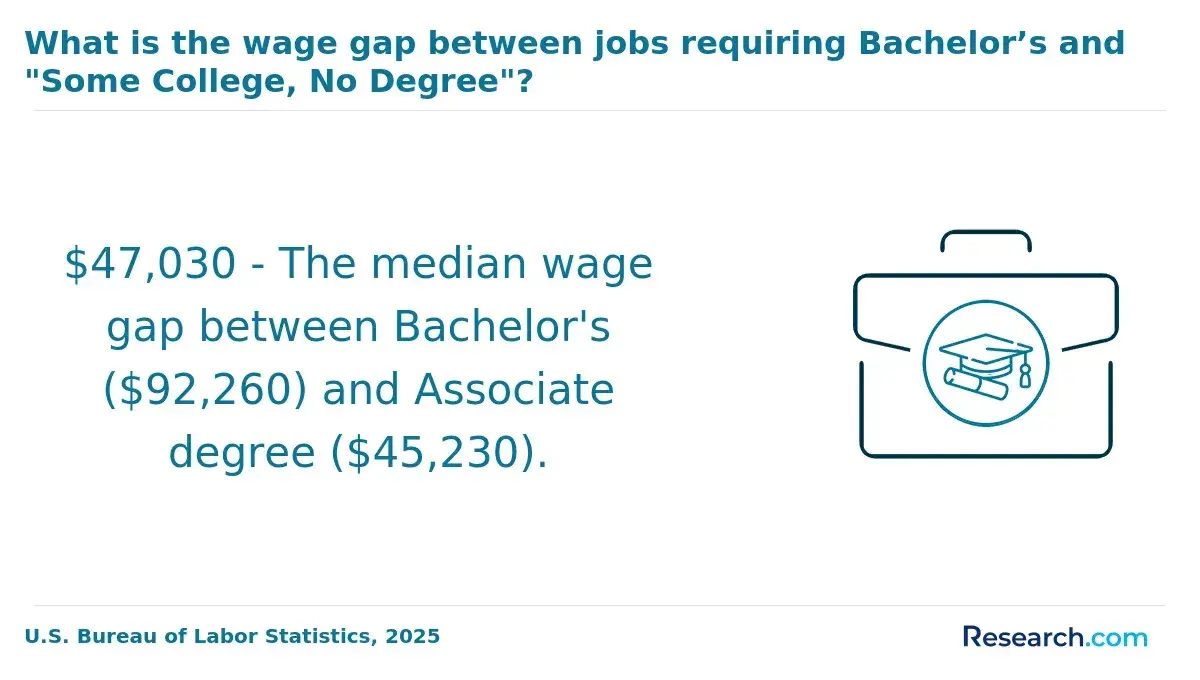
HR degree programs typically require four years of full-time study for a bachelor's degree, though part-time or accelerated options adjust this timeline. For entry-level roles, a bachelor's remains the foundational credential, emphasizing employment law, organizational behavior, and talent management. However, advancing into specialized or leadership positions often necessitates a master's degree, which demands an additional one to two years and focuses on strategic workforce planning, labor relations, and advanced analytics.
Consider this practical workforce scenario: manufacturing and retail HR professionals frequently rely on bachelor's degrees supplemented by certifications, balancing cost and time investment with local market demands. Conversely, sectors like technology or finance increasingly expect expertise in people analytics, a gap highlighted in Deloitte's 2026 Global Human Capital Trends, which found 71% of organizations boosting investment in analytics but only 27% integrating insights into strategic decisions. This disparity creates opportunity but also raises the stakes for HR candidates with advanced analytical training.
Extended part-time or online programs offer flexibility over five to six years, but this route may delay critical skill acquisition and market responsiveness, especially where employers prioritize data-driven decision-making. Students must weigh these tradeoffs-time, cost, and skill depth-against evolving employer expectations and the rising automation risk within HR roles. Choosing the right program involves balancing immediate employment goals with long-term adaptability.
What certifications strengthen HR career prospects?
PHR and SPHR certifications hold distinct value because they validate core competencies in workforce planning, employment law, and organizational development-areas less vulnerable to automation and critical for sustaining employee engagement initiatives linked to measurable profit growth. Employers prioritize these credentials specifically for professionals expected to navigate complex regulatory environments and to lead human-centered change.
In industries like healthcare and finance, the SHRM-CP certification stands out by emphasizing the practical application of HR principles within diverse business challenges, which can differentiate candidates for leadership tracks. Conversely, tech-sector HR roles lean heavily toward certifications in HR analytics, responding to demands for data-driven talent strategies that integrate technology without compromising personalized employee relationships.
Mid-career entrants transitioning into human resource management from adjacent fields face a notable tradeoff: investing significant time and money into certifications that bridge strategic workforce planning and change management versus their immediate relevance to employers' specific needs. This tension requires careful evaluation of each credential's industry recognition and how it aligns with shifting workforce dynamics.
Employer priorities in staffing roles focused on retention and employee engagement increasingly favor certifications that combine compliance expertise with emotional intelligence skills. Such credentials equip candidates to address the persistent challenge of workforce disengagement, which affects roughly two-thirds of employees globally, impacting productivity and culture.
What salary and job outlook do HR careers offer?
Specializing in compliance and ethics within human resource management increasingly distinguishes professionals in a market where median salaries range from $65,000 to $120,000, with the highest pay tied to roles navigating emerging regulatory complexities. The U.S. Bureau of Labor Statistics anticipates a 7% growth for HR specialists through 2034, but growth is highly segmented, favoring those who combine foundational HR skills with expertise in AI ethics and regulatory governance.
Employers prioritizing candidates capable of managing AI-driven workforce tools under evolving legal frameworks place a premium on practical knowledge. For example, HR professionals in healthcare or finance-industries burdened by stringent compliance demands-experience accelerated salary growth and more stable job prospects when they integrate AI ethics into their skill set. Meanwhile, entry-level HR roles focused strictly on transactional tasks face stagnation and automation risk, particularly where processes are highly standardized.
Prudent professionals should weigh the benefits and limitations of pursuing certifications or graduate studies with a strong focus on AI governance, legal compliance, and case-based learning that mirror real-world policy challenges. Such targeted education enhances employability, but candidates must consider the friction of additional credentialing against tangible outcomes, especially in sectors where regulatory complexity and AI oversight are expanding rapidly.
Other Things You Should Know About Human Resource Management
The strongest credentials are SHRM-CP, SHRM-SCP, and HRCI’s PHR or SPHR, because they verify judgment, employee relations, and policy skills. SHRM-CP and PHR are aimed at early- to mid-career professionals, while SHRM-SCP and SPHR target senior practitioners with strategic responsibilities.
Large enterprises expose HR professionals to complex systems and diverse employee relations, fostering skills in cross-functional collaboration and technology integration, which are valuable against automation pressures. Smaller companies offer broader exposure and require hands-on problem solving but may limit access to sophisticated HR technologies and structured career paths. Job seekers targeting automation-resistant roles should prioritize experience in environments with scalable HR processes and technology adoption.
Accelerated programs offer speed but often sacrifice depth in critical areas like labor law or strategic HR management, which are essential to roles resistant to automation. Employers may view condensed curricula as less comprehensive, impacting initial hiring competitiveness. Students should consider accelerated degrees only if supplemented by targeted work experience or certifications to compensate for reduced academic exposure.
References
- How Long Does It Take to Get an HR Certificate? https://hrcertification.com/blog/how-long-does-it-take-to-get-an-hr-certificate-biid1000037
- What course should I take to work in HR? - INSEEC https://www.inseec.com/en/guides/orientation-guide/what-course-should-i-take-to-work-in-hr/
- Future-Proofing Your HR Career From AI Risk - 55 Jobs Ranked https://www.hrmorning.com/news/future-proofing-your-hr-career/
- What Are the Prerequisites for a Master's in Human Resources? - Human Resources Degrees https://www.humanresourcesmba.net/faq/what-are-the-prerequisites-for-a-masters-in-human-resources/
- Future-Proof Your HR Career in the AI Era https://nextinhr.com/blogs/future-proof-your-hr-career
- What Happens When AI Replaces Human Judgment in HR? https://www.predictiveindex.com/blog/ai-in-hr-hiring-decisions/
- Yes, HR Still Needs Humans: Why AI Makes Human Judgment More, Not Less, Valuable https://sea.peoplemattersglobal.com/article/hr-effectiveness/yes-hr-still-needs-humans-why-ai-makes-human-judgment-more-not-less-valuable-43149
- 4 Ways to Balance AI and Human Judgment in Recruitment Processes | Recruitment and HR Services https://www.newlandhrservices.com/4-ways-to-balance-ai-and-human-judgment-in-recruitment-processes/
- Individual HR Certifications | Advance Your HR Career https://www.hrci.org/certifications/individual-certifications
- Automation, Generative AI, and Job Displacement Risk in HR Employment https://www.shrm.org/topics-tools/research/automation-generative-ai-job-displacement-risk-hr-employment