2026 HR Job Market Outlook Through 2030

Co-Founder and Chief Data Scientist
Facing stagnant career growth amid rapid automation and evolving workforce expectations, human resource management professionals must choose educational pathways that align tightly with emerging labor demands. The National Center for Education Statistics reports a 27% surge in adult learners enrolling in flexible, online graduate programs focused on workforce-relevant skills, illustrating a clear shift toward nontraditional education tailored for experienced professionals.
Yet not all programs offer the same return on investment or accessibility, forcing students to weigh timing, delivery format, and employer recognition carefully. This article examines job market trends and educational strategies through 2030 to guide prospective students in making informed choices that optimize career mobility and long-term employability.
Key Things You Should Know
- By 2030, U.S. Bureau of Labor Statistics projects 11% growth in human resource management jobs, yet 45% will require certification or graduate credentials, forcing a costly credentialing tradeoff for candidates balancing time and finances.
- Employers increasingly prioritize HR professionals with demonstrated data analytics skills, with 62% of large firms reporting these competencies as essential, creating a gap for traditional HR generalists and shifting recruitment priorities.
- The average time-to-hire for HR roles expanded by 28% since 2024 due to talent scarcity in specialized HR niches, prompting candidates to consider accelerated programs despite 20-30% higher tuition costs for these certifications.
How is the HR job market expected to change through the end of the decade?
Growth in the HR job market in North America will be steady but modest through 2030, with specialist roles expected to rise by 6% and manager positions by 5%. This reflects broader workforce changes in human resource management where expanding compliance demands and evolving organizational needs coexist with slower growth compared to technology sectors.
For example, healthcare HR specialists must navigate credentialing and labor law adjustments to maintain adequate staffing for rising patient loads, while manufacturing HR managers face the challenge of integrating automation impacts.
Employers increasingly value practical skills in HR analytics, diversity and inclusion, and digital HR platforms. These priorities mean prospective candidates must balance continuous upskilling with work responsibilities, a friction point especially for mid-career professionals.
Entry-level graduates, meanwhile, often compete with experienced professionals transitioning from related business fields, placing a premium on programs offering substantive internships or applied projects. Such real-world training enhances employability by aligning skills with industry-specific challenges.
HR managers also encounter tradeoffs between strategic leadership and operational specialization, which varies significantly across company sizes. Smaller firms often require balancing administration and employee engagement tasks, making targeted skill focus vital to job security and career trajectory.
Given these complexities, evaluating advanced education options, such as an online PhD in leadership, can support strategic advancement through rigorous training in workforce analytics and organizational development.
What HR roles and specialties are projected to be most in-demand by 2030?
By 2030, the most sought-after human resource management roles in North America will revolve around strategic partnership and organizational transformation rather than traditional administrative functions. Industries facing rapid technological change and digital disruption prioritize HR business partners and organizational design specialists capable of aligning human capital with evolving business objectives.
For instance, a healthcare firm undergoing digital mergers will depend heavily on these professionals to recalibrate talent strategies and workflow structures to maintain agility.
The emphasis on growth-centric HR functions requires measurable impact in retention, productivity, and innovation, with less tolerance for purely transactional skill sets. This shift means professionals who blend strategic insight, analytical capability, and change management experience will have stronger career trajectories. However, there is a tradeoff: deep strategic proficiency demands more specialized education and applied learning than typical HR generalist programs.
Prospective students evaluating human resource management roles in North America should consider programs that prioritize data-driven decision-making and business acumen over rote administrative training. Those focused solely on conventional coursework risk limited employability growth in the evolving market. Practical examples include financial services firms integrating AI tools, which increasingly rely on organizational transformation specialists to optimize human-machine collaboration.
For individuals weighing educational pathways that enable a strategic pivot or advancement, program selection should factor in realistic employability outcomes and alignment with market demand. Those also interested in related fields might explore degrees like the construction management degree online, which reflect similar demands for integrating technical and managerial skills.
How does HR salary potential compare across roles, industries, and experience levels?
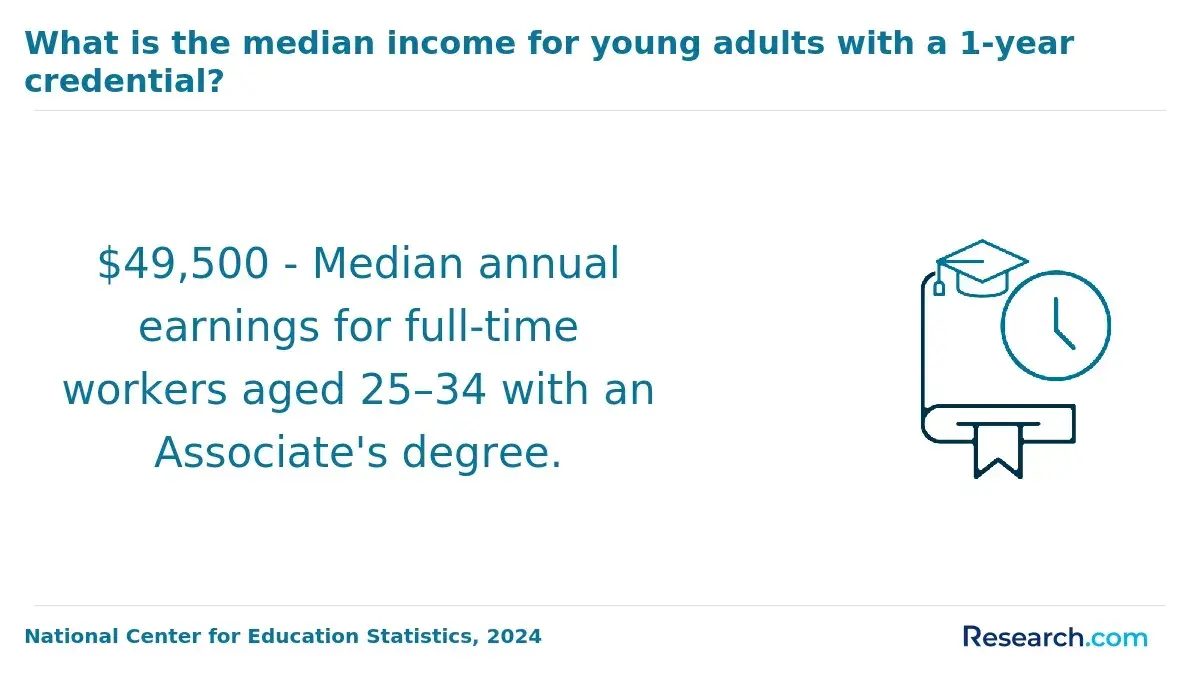
HR salary differences by role and industry reflect complex tradeoffs between specialization, regulatory environments, and organizational scale. For example, an HR generalist with moderate experience in manufacturing typically earns about $65,000 annually, whereas a mid-level HR manager in finance commands closer to $90,000, illustrating a roughly 38% difference that underscores sector-specific reward patterns.
Experience level impact on HR compensation becomes increasingly significant at leadership tiers. Directors with 8-12 years of experience can see salary growth between 40% and 60% compared to junior roles, driven by strategic responsibilities and cross-unit influence. This escalation reflects employer demand for multifaceted decision-making capabilities.
Industry nuances also affect pay structures: compliance expertise in pharmaceutical HR roles can boost salaries by up to 20%, while recruitment-focused HR jobs in hospitality typically offer steadier but lower base pay, supplemented by volume-based incentives. Candidates considering a pivot should weigh short-term salary reductions against the long-term value of acquiring data analytics and AI proficiency.
The integration of workforce analytics and generative AI in HR processes is repositioning the field, creating premium opportunities for professionals adept in technology adaptation. Pursuing a masters in human services can provide strategic leverage for such skill development, supporting transitions into analytics-driven or advisory roles.
What degree do you need for a competitive HR career path in the United States?
A bachelor's degree in human resource management remains a foundational requirement for a competitive HR career in the United States, especially as the market tightens and AI influences hiring. By early 2026, job openings fell to 6.5 million, the lowest since 2017, making formal education an increasingly critical factor as employers use AI-driven systems that prioritize degrees and keyword-optimized resumes.
Industry demands vary: technology firms favor HR professionals skilled in data analytics and AI-competencies typically embedded in bachelor's curricula-while healthcare and manufacturing sectors prioritize degrees coupled with specializations like labor relations or compliance, due to regulatory complexities. This dynamic shifts the value proposition for candidates without degrees, who face significant obstacles navigating AI filters.
For professionals transitioning into HR, the best degrees for a successful human resource management career in the United States integrate advanced workforce analytics and digital HR systems, ensuring relevance amid rapid automation. Certificate programs, by contrast, generally lack the depth and recognition to effectively compete when openings diminish and selection criteria become stringent.
Workers must balance the timeline and investment required to earn a degree against the exclusion risk posed by AI-centric recruitment tools that favor validated credentials over experience alone. For those seeking flexible options, programs such as hotel and restaurant management degree online provide insight into alternative educational pathways, though specific HR content should be evaluated carefully.
How do online human resource management programs compare with campus-based options?
Choosing between online and campus-based human resource management programs hinges on balancing flexibility against access to direct employer engagement. Online formats cater to professionals maintaining work obligations or complex schedules, offering critical adaptability. Campus programs, however, retain an advantage in facilitating internships and in-person networks valued by many HR employers-especially for early-career candidates.
U.S. hiring patterns reflect a shift toward skills-based evaluation: from 2019 to 2025, job postings requiring a four-year degree declined by 33% in mid-skill roles, indicating growing acceptance of alternative credentials. Yet the gap remains in how experiential learning opportunities translate into immediate employment.
For example, a healthcare-focused HR leader advancing mid-career might efficiently integrate online study without job interruption, but a recent finance graduate frequently needs campus-based internships for sector-specific experience and employer visibility. Online students face limitations accessing practical HR simulations or broad career services, making proactive networking and supplementary credentials essential.
Deciding factors include:
- Campus programs often require relocation and fixed schedules but provide stronger direct access to employers and local HR ecosystems.
- Online formats demand greater self-motivation and strategic supplementing with internships or certifications to offset fewer hands-on opportunities.
- Cost differences and time investment vary, with online programs commonly offering reduced financial burden and scheduling flexibility.
Students and professionals eyeing HR pivots should align their choice with target industry expectations, career stage, and willingness to invest in supplementary practical experience beyond formal coursework.
What should students look for in an accredited human resource management program?
Graduates of human resource management programs face a labor market with projected growth of only 3.1% over the next decade, a steep decline from prior expansion rates. This slowdown demands that professionals develop skills beyond basic HR administration to influence workforce strategy and organizational resilience effectively.
Practical mastery of analytics tools-such as predictive modeling, talent segmentation, and performance metrics-is essential to navigate fluctuating labor conditions in sectors like healthcare and manufacturing with tight talent pools.
Programs lacking experiential components often leave students underprepared for sector-specific challenges. For instance, HR managers in retail must efficiently manage volatile seasonal staffing, while those in technology require nuanced approaches to retaining specialized talent. Accredited programs offering internships or employer partnerships sharpen these critical capabilities and support smoother transitions into workforce roles.
Compliance knowledge, too, carries significant weight amid increasingly complex federal and state labor regulations. Graduates must be skilled in mitigating legal risks originating from shifting workforce demographics and evolving regulations. Faculty expertise and reliable alumni employment data are vital indicators of a program's relevance, guiding students toward curricula recognized by employers in a stagnant job market.
Which HR certifications best align with emerging employer needs and future roles?
Strategic Human Resource Management roles now demand certifications combining regulatory expertise with advanced analytics, reflecting a shift toward integrated business leadership. For instance, manufacturing firms employing AI-driven scheduling prioritize professionals certified in HR analytics to balance labor optimization with compliance constraints.
This pragmatic intersection of skill sets directly impacts salary trajectories, with Robert Half noting a 10-20% wage increase for strategic positions since 2021, driven by pay transparency and competitive talent markets.
Certifications such as SHRM-SCP and HRCI's SPHR remain dominant credentials for HR business partners aligning workforce and organizational strategies. However, practical hurdles include significant exam complexity, costs, and experience prerequisites that can limit access, especially for mid-career changers. Choosing a credential closely matched to one's current expertise and target industry-whether healthcare, technology, or manufacturing-maximizes hiring potential.
Employers increasingly filter candidates through automated applicant tracking systems programmed to prioritize certifications validating proficiency in compliance, labor relations, and strategic workforce planning. Meanwhile, total rewards managers benefit from credentials like WorldatWork's Certified Compensation Professional, proving competence in navigating evolving compensation regulations.
Ultimately, certifications that evidence expertise in compliance, analytics, and strategic HR management position candidates for roles where legislative shifts and talent dynamics reshape HR through 2030.
What core HR courses and skills prepare graduates for an evolving job market?
Graduates targeting human resource management roles must prioritize expertise in hybrid work leadership and workforce analytics, as organizations adopting mature hybrid models significantly outperform traditional on-site counterparts in skill access and operational agility. This shift demands practical proficiency in designing hybrid policies that optimize flexibility without sacrificing productivity or compliance.
Core competencies extend well beyond conventional HR administration. Data literacy is essential for interpreting workforce analytics to identify skill gaps and forecast talent needs that align with strategic goals. Additionally, managing cross-functional remote teams requires advanced communication calibrated to diverse digital platforms-especially critical in sectors like technology where agile talent acquisition and continuous learning models determine competitiveness.
Legal training must evolve concurrently, addressing remote and global labor law complexities along with virtual mediation techniques that differ markedly from in-person conflict resolution. Adaptability and change management skills become vital as workforce models continuously adjust to technological and economic pressures.
Prospective students should critically assess programs for integrated, project-based scenarios replicating hybrid environments rather than curricula centered on outdated, on-site HR theory. Employers increasingly value candidates who demonstrate applied experience navigating complex hybrid models and strategic talent planning, a distinction that will shape HR career trajectories through 2030.
How do program length, tuition, and financial aid impact the return on investment in HR education?
Choosing a program length in human resource management demands weighing lost income against skill deployment speed. Intensive certificates or accelerated master's degrees completed within 12 to 18 months minimize time away from the workforce, benefiting professionals pivoting careers or upgrading skills quickly.
Longer programs spanning 2 to 4 years generally entail higher tuition and prolonged opportunity costs, which may undermine net returns unless the credential carries high employer recognition in niche sectors.
Tuition levels alone do not guarantee improved outcomes. For instance, median salary increases of 15-25% post-hr degree often compete with tuition costs from $15,000 to over $50,000, potentially limiting net gain. Financial aid plays a pivotal role here; federal grants or employer reimbursement that reduce tuition by 30-50% significantly enhance affordability and return on investment.
HiBob's 2026 hr trends highlight burnout prevention as a strategic priority for employers, elevating demand for hr professionals skilled in organizational well-being. Programs incorporating these competencies justify higher tuition but may be less feasible within shorter durations, requiring candidates to balance curriculum depth with time constraints.
Consider two scenarios: a tech sector professional may prioritize an 18-month program with strong financial aid to quickly reskill in hr analytics, while a hospital hr manager might accept a 3-year program's higher cost for specialized burnout prevention training aligned with industry needs. Decisions should align program duration, financial aid, and curriculum focus with each student's career objectives and sector demand.
How can prospective HR students evaluate schools and programs for long-term career outcomes?
AI integration in talent acquisition is no longer optional but a defining factor for HR programs preparing students to meet employer demands. The near doubling of AI use in recruiting calls for programs that embed digital HR analytics, AI-driven tools, and predictive workforce planning-skills now baseline requirements in sectors like healthcare, technology, and manufacturing.
Graduates lacking competency here risk falling behind peers in both hiring and salary growth within six to twelve months post-graduation.
Prospective students must scrutinize programs for transparent employment outcomes and active employer partnerships that reflect the rise of AI in recruitment workflows. For example, a mid-career professional aiming to pivot into HR analytics might prioritize hybrid or part-time formats offering direct project collaboration over prestigious but less current curricula.
The tradeoff between institutional prestige and practical, AI-relevant training can materially affect immediate job placement and longer-term career trajectory.
Licensing or certification alignment remains essential, particularly for compliance and labor relations roles that coexist with digital HR demands. Programs granting real-world exposure to AI applications through internships or partnerships provide a competitive edge, as theoretical knowledge alone increasingly falls short of employer expectations by 2030.
Other Things You Should Know About Human Resource Management
The most recognized certifications are SHRM-CP, SHRM-SCP, PHR, and SPHR. Employers in 2026 usually value them most for HR generalist, talent acquisition, and HR operations roles, especially when combined with 3 to 5 years of experience and HRIS or analytics skills.
By 2026, emerging critical skills include data analytics, digital HR technology proficiency, and change management. Organizations increasingly value HR professionals who can leverage data-driven insights and utilize advanced HR tech to enhance workforce planning and employee engagement.
Remote and hybrid setups place higher expectations on HR for digital communication, virtual onboarding, and employee engagement strategies. HR must adapt by mastering remote work technologies and developing policies that maintain fairness and compliance across varied locales. Programs focusing solely on traditional workplace relations risk producing graduates who struggle with these demands. Candidates should seek learning experiences that provide skills for managing distributed workforces and data privacy complexities.
References
- 10 Best Online HR Courses To Take in 2025 https://gethirex.com/blog/10-best-online-hr-courses
- Top Professions by 2030: Which Roles Will Dominate the Market? https://alte.edu.ge/en/jobs-of-the-future-which-roles-will-be-most-in-demand-by-2030
- 11 HR Trends for 2026: Shaping What’s Next https://www.aihr.com/blog/hr-trends/
- 11 Top HR Courses that Every Working Professional Should Take https://learnerspoint.org/blog/hr-courses-for-working-professionals
- CourseCareers https://coursecareers.com/blog-posts/7-best-human-resources-courses
- What course should I take to work in HR? - INSEEC https://www.inseec.com/en/guides/orientation-guide/what-course-should-i-take-to-work-in-hr/
- Study HR Management in Germany: from 219/month https://www.privathochschulen.net/en/courses/economics/human-resources
- HR Career Path: A Complete Guide to Growth in HR https://www.oakwoodinternational.com/blog/hr-career-path
- 7 Steps to a Career as an HR Manager https://www.allbusinessschools.com/human-resources/
- Global Salary Guide for HR Professionals https://nextinhr.com/blogs/hr-professional-salary-guide