2026 First HR Roles for Psychology Majors Entering Human Resources

Co-Founder and Chief Data Scientist
Psychology majors transitioning into human resource management often confront an immediate hurdle: how to demonstrate targeted competencies amid a sea of candidates with formal HR credentials. With over 60% of HR roles requiring prior specialized experience or certification, according to the U.S. Bureau of Labor Statistics, newcomers must strategically bridge academic knowledge with practical skill sets.
The rise in enrollment of adult learners pursuing accelerated or hybrid HR programs signals evolving educational routes but also reflects access constraints and time pressures faced by career changers. This article examines the initial HR roles best suited for psychology graduates and offers actionable guidance on aligning educational choices with employer expectations to expedite job placement.
Key Things You Should Know
- Psychology majors entering human resource management face a 15% salary penalty compared to specialized HR graduates, per National Association of Colleges and Employers 2024 data, requiring strategic credentialing to remain competitive.
- Employers increasingly demand dual fluency in psychometrics and employment law; 62% of HR roles now require demonstrated expertise in data-driven talent analytics, intensifying cross-disciplinary skill investments.
- Delays averaging 6-12 months in gaining SHRM certification post-degree extend time-to-promotion, disproportionately impacting mid-career pivoters balancing tuition costs and immediate income needs.
What are the best first human resources roles for psychology majors starting in HR?
Psychology majors targeting the best entry-level human resources roles for psychology graduates should prioritize positions that integrate behavioral insight with fundamental HR operations. Roles like talent acquisition coordinator uniquely apply psychological assessment techniques to improve hiring outcomes, especially within industries such as technology or healthcare, where cultural fit and cognitive evaluation are critical.
This contrasts with operational HR roles prevalent in manufacturing or retail, which often emphasize procedural knowledge over behavioral strategy, potentially limiting immediate application of psychological expertise. Employee relations specialists and HR analysts represent alternative entry points, balancing psychology with practical HR skills.
Employee relations demand conflict management and emotional intelligence, giving psychology graduates a comparative advantage. HR analysts utilize statistical and data interpretation skills acquired during psychology training to track workforce trends, a growing requirement as organizations increase reliance on data-driven human resource management.
Starting salaries reflect these dynamics, with the median wage for psychology bachelor's holders at $65,000, surpassing averages in many other fields. However, progression beyond entry-level roles often hinges on acquiring relevant HR certifications like SHRM-CP or PHR, an investment necessary given employer expectations for compliance and operational knowledge alongside psychological acumen.
Industry choice significantly impacts career trajectory. Consulting and nonprofit sectors typically offer early strategic involvement aligned with psychological skillsets, unlike certain operational-focused sectors. These considerations underscore the nuanced tradeoffs confronting psychology graduates seeking top human resource management jobs for psychology majors starting their careers.
Those evaluating educational advancement toward HR should consider programs recognized for practical workforce alignment, such as the best online master's degree in human resource management programs, which emphasize both behavioral and operational competencies necessary for sustained advancement.
How does a psychology degree prepare you for entry-level jobs in human resources?
A psychology degree benefits human resource entry-level roles by providing critical insight into employee behavior, motivation, and group dynamics-skills rarely matched by traditional business-focused HR pathways. Graduates equipped with applied psychological principles can assess workplace challenges through behavioral data, enabling targeted strategies that enhance retention and engagement.
For example, in retail's high-turnover environment, these graduates use assessment techniques to pinpoint factors driving churn and adjust recruitment and training accordingly. Employers increasingly seek candidates who translate psychological frameworks into concrete talent acquisition, performance evaluation, and organizational development tactics.
Mastery of research methods and statistical analysis, hallmarks of psychology training, supports competencies in analyzing employee surveys and productivity metrics, which aligns with the 6-8% employment growth projected for human resource specialists. However, this skill set alone is insufficient without supplementing knowledge in employment law, HR software, and compliance, areas often absent from psychology curricula.
New psychology graduates should anticipate an initial learning curve, mastering fast-changing regulatory requirements and diverse work cultures. Practical internships or certifications focusing on HR technology and legal compliance can bridge these gaps and meet employer expectations more effectively.
Overall, applying psychological principles to human resource management careers demands balancing interpersonal insight with operational rigor, an advantage in sectors emphasizing workforce analytics and adaptive employee relations. Those seeking expedited qualifications may consider the quickest online project management degree as a complementary pathway to enhance organizational skills.
What HR career paths can psychology majors pursue beyond their first entry-level role?
Psychology majors pursuing career paths in human resources must navigate a landscape demanding specific operational knowledge beyond general behavioral expertise. Typical trajectories include talent acquisition, employee relations, and organizational development-functions where applied psychology improves outcomes such as candidate screening or workplace conflict resolution.
For example, a talent acquisition specialist in healthcare uses psychological assessment techniques to reduce turnover by refining interview processes tailored to high-stress environments. Advancing into advanced roles in human resource management for psychology graduates often requires mastering HR analytics, labor law compliance, and strategic workforce planning.
Certifications like SHRM-CP or PHR serve as practical bridges connecting psychological theory with the legal and operational demands common in mid-level HR roles. This shift frequently entails weighing specialized HR skills against broader psychological capabilities, influencing career mobility across industries. Salary differences reinforce this strategic choice: median pay for HR specialists stands at $67,650, notably higher than the $38,520-$49,410 range typical of social service roles related to psychology.
This premium compensates for the additional HR competencies and reflects corporate demand intensity compared to social services. Psychology majors considering leadership within human resource management should also anticipate responsibilities in diversity, equity, and inclusion strategy alongside workforce analytics.
Effective career progression involves targeted internships and proactive upskilling on dominant platforms like HRIS systems. Those interested in complementing their psychology background with credentials might explore a bachelor in human services as a tactical educational step.
Which HR degree or certificate should psychology majors consider to transition into HR?
Psychology majors transitioning into human resource management degrees face a practical dilemma between swift employability and comprehensive preparation. About 12-15% of psychology graduates enter management-track roles immediately, but most begin in operational or supervisory positions where credential relevance directly influences advancement.
Prioritizing a certificate aligned with human resource practices, such as a Professional in Human Resources (PHR) or specialized certificate in talent acquisition, helps bridge psychological insight with employment law, payroll, and recruitment competencies demanded by employers. Choosing between certificates and degrees hinges on time, cost, and career objectives.
Certificates often require 6 to 12 months, offer affordability, and facilitate rapid entry into HR roles, but may limit progression beyond mid-level positions without experience. Conversely, bachelor's or master's degrees provide strategic HR training in analytics, workforce planning, and leadership at the expense of delayed workforce entry and increased debt, a tradeoff critical for those targeting senior or organizational development roles.
For psychology graduates evaluating the best certificate programs for psychology majors in human resource management, specialized accredited certificates provide efficient routes tailored to sectors like healthcare or technology by combining psychology fundamentals with employee engagement skills. This niche expertise enhances employer appeal, especially in competitive markets.
Employers expect practical mastery of employment law, compensation frameworks, and HRIS systems beyond theoretical knowledge. Extending this discussion, those seeking flexible learning options might consider an accelerated hospitality degree online as a model for rapid credential acquisition, reflecting a broader trend toward condensed, industry-focused education pathways.
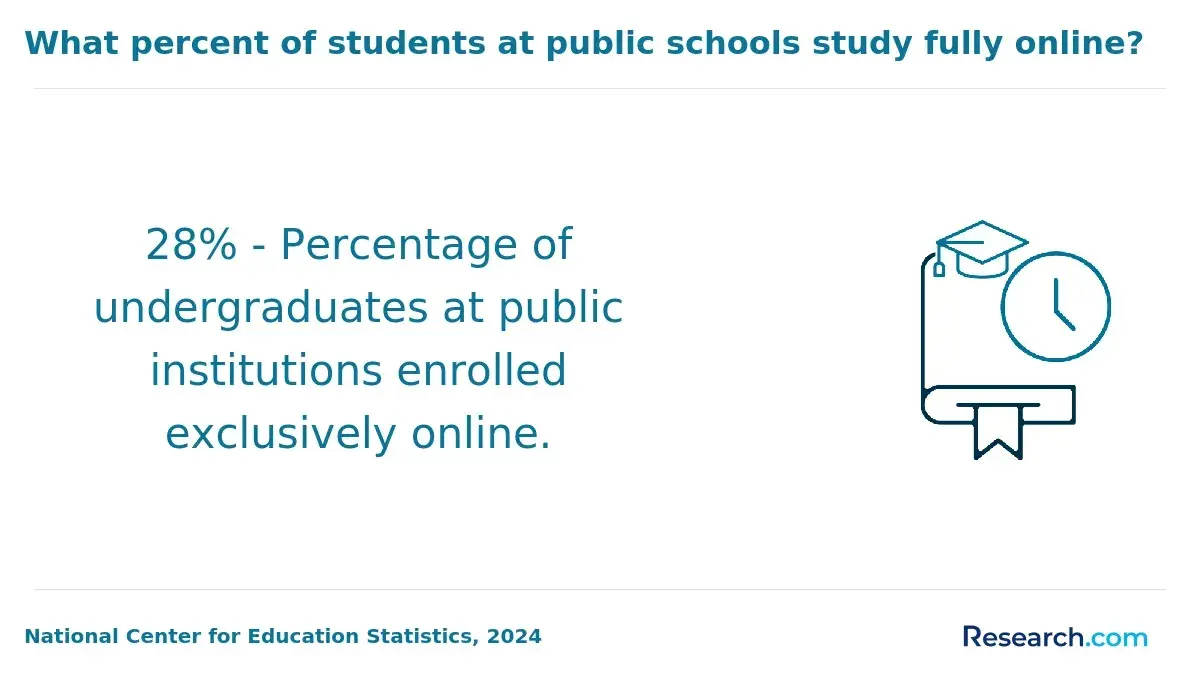
How do online human resource management programs compare with campus programs for psychology grads?
Campus-based human resource management programs often provide a tangible advantage through structured internships and direct employer networking, which are pivotal for psychology majors aiming for analytics-driven HR roles. For instance, industrial-organizational psychology students gain access to on-site labs and faculty with active industry connections, resulting in higher job placement and stronger portfolios.
Online programs, while offering flexibility for working professionals, generally lack the immersive, experiential components necessary to master interpersonal skills and collaborative problem solving demanded by hiring managers in data-intensive HR positions. This gap can translate into longer onboarding periods and a need for supplementary internships or projects to develop a competitive edge.
Given the reported median salary of $147,420 for industrial-organizational and personnel psychologists in analytics-heavy roles, the quality and context of training directly affect earning potential. Campus graduates' early exposure to real-world organizational culture and data-driven decision-making aligns better with employer expectations for entry-level HR analytics roles.
- Campus programs offer hands-on experience through internships and industry collaboration.
- Online formats provide accessible, asynchronous learning but limit face-to-face interaction and teamwork simulation.
- Graduates from campus settings typically secure stronger recommendations and portfolios, enhancing employability in competitive HR fields.
- Online students must proactively seek practical experience to bridge skill gaps.
What courses and skills should psychology majors focus on to qualify for early HR roles?
Psychology majors pursuing early roles in human resource management must prioritize quantitative and interpersonal skills that align tightly with employer demands, particularly in talent acquisition-a sector noted for acute skills shortages in technology and healthcare. Core coursework in statistics, research methods, and organizational psychology provides the analytic framework essential for interpreting workforce data and steering evidence-based hiring strategies.
However, theoretical knowledge alone is insufficient without practical skills in applicant assessment and interviewing, which materially impact recruitment outcomes. Technical proficiency in HR information systems (HRIS) and applicant tracking systems (ATS) is increasingly a baseline expectation, enabling candidates to navigate recruiting workflows efficiently.
For example, negotiation competencies may vary in emphasis depending on whether one targets retail or corporate environments, yet remain pivotal across HR functions to address onboarding and retention challenges. Given persistent high turnover across industries, understanding employment law and DEI principles moves beyond compliance-it directly influences the adaptability of recruitment pipelines.
Psychology students should actively seek internships or project-based experiences involving hiring metrics to translate academic theory into operational human capital strategies.
- Focus on data-driven decision-making and organizational behavior courses.
- Develop hands-on skills with HRIS and ATS platforms.
- Gain experience in conflict resolution tailored to diverse workplace settings.
- Understand sector-specific negotiation dynamics impacting talent retention.
What are typical admission requirements for HR master's or certificate programs after a psychology major?
The decision to pursue an HR master's or certificate after a psychology major demands more than academic eligibility; it involves strategic consideration of prerequisite knowledge, professional experience, and program format. A bachelor's degree with a GPA near 3.0 from an accredited school is commonly required, alongside standardized test scores such as GRE or GMAT-though some programs waive these for applicants with strong work history or academic records.
Critical coursework in statistics, research methods, or organizational behavior often serves as a gatekeeper to advanced HR topics. Practical exposure through internships or work in organizational environments is increasingly non-negotiable, especially for those targeting roles in training and development.
The Bureau of Labor Statistics projects faster-than-average growth in this area, validating the value of applied psychology knowledge in behavior change and motivation. Employers prioritize candidates who can translate psychological principles into effective upskilling and employee engagement strategies.
Professionals transitioning from psychology should anticipate gaps in business fundamentals or labor law knowledge, which may require taking bridge courses. The choice between part-time, full-time, or certificate formats affects workload and career timing but must be balanced against the strategic value of the credential. Those juggling employment must weigh flexibility against program rigor to avoid credentials with limited labor market currency.
How much do entry-level HR roles for psychology majors pay, and what affects starting salary?
Entry-level salaries for psychology majors pursuing roles in human resource management vary significantly based on geographic location, industry, and employer scale, typically ranging from $48,000 to $58,000 annually. Candidates entering HR positions in metropolitan tech hubs often command higher wages due to local market competitiveness and living costs, whereas non-profit or government roles generally pay less, sometimes near $45,000.
More than 70% of organizations prioritize employee experience and engagement, driving demand for HR professionals skilled in organizational development and workplace culture-areas where psychology majors have a direct advantage. This emphasis translates into higher starting offers for those who bring relevant expertise, particularly in behavioral science applications aligned with business outcomes.
Salary negotiation leverage also correlates strongly with related internships, certifications like SHRM-CP or PHR, and analytic competencies. Without hands-on experience, entry-level candidates often face offers at the lower end of the spectrum, making early internship acquisition critical. Geographic flexibility and willingness to focus on culture-centric HR roles rather than traditional administration affect both salary and role fit.
Students and professionals considering this pathway must weigh practical tradeoffs such as balancing compensation against location and role type, aligning educational choices with market demands, and targeting credentials that improve real-world employability and negotiation standing within human resource management.
What is the job outlook for human resources careers that value a psychology background?
Human resources careers that leverage a psychology background increasingly demand versatility across industry-specific applications and hybrid work environments. By 2025, approximately half of HR specialist positions at major U.S. firms offered hybrid or fully remote work, expanding opportunities but also requiring candidates to demonstrate how psychological insights can improve remote team dynamics and employee engagement.
Different sectors prioritize distinct skills: technology firms emphasize data-driven workforce analytics and diversity initiatives, while healthcare focuses on mental health support and regulatory compliance. This divergence means psychology majors must supplement foundational knowledge with skills like statistical analysis, interpersonal mediation, and digital HR platform proficiency.
Many applicants face hurdles due to limited training in employment law and HRIS software. Securing certifications or targeted coursework in these areas is often essential to meet employer expectations. Practical experience through internships or projects involving recruitment, employee assessments, or organizational development strengthens one's profile by showcasing the translation of psychological principles into actionable HR strategies.
Professionals who integrate behavioral science with operational HR functions tend to gain more competitive roles and compensation, especially as hybrid work models become standard. Realistically, success in such positions demands continuous skill adaptation aligned with evolving organizational needs.
How can psychology majors evaluate accredited, reputable HR programs and avoid low-quality options?
Choosing an accredited HR program directly impacts a psychology major's ability to secure relevant employment swiftly. Regional or national accreditation recognized by the U.S. Department of Education is vital, as it assures employers and certifying bodies of educational rigor and program legitimacy.
Beyond accreditation, scrutinize curricula against standards set by SHRM or the HR Certification Institute. Programs that omit critical areas like legal frameworks or labor relations risk leaving graduates underprepared for roles in heavily regulated sectors such as healthcare or finance.
Practical exposure through internships or partnerships with local businesses adds measurable value. For instance, manufacturing-focused HR positions require solid knowledge of labor and safety compliance, whereas technology sector roles prioritize analytics-driven talent acquisition. Networks formed during study can shape long-term career trajectories significantly.
Cost considerations must factor in outcome transparency and employer connectivity. Low-cost programs without clear ties to hiring entities may delay workforce entry despite the sector's robust outlook, where HR managers earn a median annual wage of $140,030 and face sustained demand, with 17,900 openings annually and 5% projected growth from 2024 to 2034 per the U.S. Bureau of Labor Statistics.
- Verify program accreditation consistency and national recognition.
- Assess alignment of courses with strategic HR management and compliance.
- Prioritize programs offering embedded internships and local business links.
- Balance tuition against proven placement metrics and outcome data.
Other Things You Should Know About Human Resource Management
Psychology majors often enter HR with strong interpersonal and analytical skills but typically lack experience with specialized HR software like applicant tracking systems, HRIS platforms, or workforce analytics tools. This creates a steep learning curve that can slow early productivity. To address this, psychology majors should prioritize gaining hands-on experience with core HR technologies during internships or certificate programs, as employers expect fluency in these platforms for even entry-level roles. Delaying tech skill acquisition risks being passed over for candidates with more immediately applicable tool proficiency.
Entry-level HR professionals frequently face conflicts between supporting individual employees and enforcing company policies. Psychology majors' understanding of individual behavior helps them empathize with employees, but this can create bias when impartiality is required. They must learn to balance advocacy with consistent policy application, often by developing clear frameworks for ethical decision-making and aligning personal judgment with organizational priorities. Prioritizing this balance early enhances credibility and reduces liabilities for the employer.
While specialization in areas like talent acquisition or employee relations offers focused skills, most employers prefer entry-level candidates to have well-rounded exposure as HR generalists. Psychology majors should build a broad foundation first to understand diverse facets of HR functions. Specializing too soon limits early career options and may require later retraining. A recommended approach is spending 1-2 years in generalist roles before targeting specialization based on demonstrated interest and organizational needs.
Start with the SHRM-CP or aPHR only if you meet the eligibility rules; the aPHR is the more common early-career option because it does not require prior HR experience. Employers also value Excel skills, HRIS familiarity, and coursework in employment law and compensation.
References
- Degrees in HR: The Best Human Resources Bachelor's Degrees https://www.humanresourcesmba.net/best/bachelors-degrees-future-hr-professionals/
- Requirements for a Master’s in Psychology https://www.calsouthern.edu/articles/requirements-for-a-masters-in-psychology/
- The Great Reinvention of Human Resources Has Begun JOSH BERSIN https://joshbersin.com/2026/01/the-great-reinvention-of-human-resources-has-begun/
- HR Salary in the UK: How Much Can You Earn at Every Level? https://www.avadolearning.com/blog/what-jobs-salaries-can-i-expect-in-human-resources/
- What Do Psychologists Earn? Highest Paying Psychology Jobs | Walbrook https://www.walbrook.ac.uk/subjects/psychology/psychologist-salaries-highest-paying-jobs/
- How to Use Your Psychology Degree in Human Resources https://online.maryville.edu/online-bachelors-degrees/psychology/resources/degree-in-psychology-in-human-resources/
- What Kinds of Jobs Can I Get With a Bachelors in Human Resources and a Masters in Psychology? https://www.bestmastersinpsychology.com/faq/what-kinds-of-jobs-can-i-get-with-a-bachelors-in-human-resources-and-a-masters-in-psychology/
- Southwestern College - Professional Studies https://ps.sckans.edu/news/view/178/
- What Can You Do With A Psychology Degree? | Psychology.org https://www.psychology.org/resources/alternative-careers-for-psychology-majors/
- Masterâs Degree in Human Resource Development https://www.towson.edu/cla/departments/psychology/grad/human-resource/