2026 Best Online Human Resource Management Programs for Professionals Seeking Compensation Careers

Co-Founder and Chief Data Scientist
Professionals targeting compensation roles in human resource management often face the immediate challenge of balancing career advancement with rigorous program schedules. With 62% of adult learners now choosing online formats due to workplace and family commitments, as reported by the National Center for Education Statistics, candidates must navigate program flexibility without sacrificing curriculum quality.
Employers increasingly favor applicants demonstrating both current industry knowledge and practical experience, elevating the need for programs that integrate real-world skill development with accessible delivery. This article evaluates the top online human resource management programs designed specifically for compensation career seekers, focusing on adaptability, employability outcomes, and strategic program features to aid informed enrollment decisions.
Key Things You Should Know
- Programs offering CIPD-aligned curricula show 22% higher mid-career salary growth but require 18+ months commitment, posing timing and cost tradeoffs against faster pathways focused on HR analytics.
- Employers prioritize candidates with integrated compensation law and benefits design training, correlating with 35% greater promotion rates within three years per SHRM workforce surveys.
- Online program accessibility strongly influences career pivot success: 47% of working professionals report that scheduling inflexibility prevented completing advanced HR programs, per 2024 National Labor Survey.
What is an online human resource management degree with a compensation focus, and who is it best for?
A specialized online human resource management degree with compensation specialization is targeted at professionals who must master the intricacies of pay structures and benefits within complex regulatory environments. This pathway suits candidates aiming for roles such as compensation and benefits analysts or total rewards specialists, especially those transitioning from general HR functions to compensation-centric careers. It also supports advancement into leadership, managing strategic pay frameworks aligned with corporate goals.
Graduates develop analytical skills essential for interpreting labor market data and legal compliance, preparing them to design competitive, equitable reward systems. For instance, a compensation specialist in healthcare must navigate diverse professional roles and regulatory demands, while one in technology must link pay to innovation outcomes.
These nuances appear in rigorous curricula featuring real-world case studies. Choosing among the best human resource management programs for compensation professionals requires weighing program quality against practical challenges like limited networking opportunities and time management demands inherent to online learning.
The U.S. Bureau of Labor Statistics reports a median annual wage of $144,010 for compensation and benefits managers, with the top 10% earning over $239,600, underscoring the financial impact of expertise in this field. Successful graduates integrate academic concepts with tools like salary surveys and HRIS software to align compensation strategy with shifting organizational priorities.
Those considering a deeper leadership role might also evaluate online PhD programs in organizational leadership to complement their compensation focus and expand strategic influence within human resource management.
How do online human resource management programs prepare graduates for compensation and benefits careers?
Online human resource management programs that focus on compensation careers in the US equip graduates with specialized skills in salary structuring, benefits design, and navigating complex regulatory compliance requirements. These programs train students to analyze market data alongside internal pay equity to develop compensation packages that improve talent attraction and retention-critical in sectors with tight labor availability, such as healthcare and technology.
Preparing graduates for benefits administration roles through human resource management education often involves real-world case studies, such as adjusting executive pay in public versus private firms or tailoring benefits for remote workforces.
Graduates also learn to forecast the financial impact of benefits changes, a key competency amid rising healthcare costs and shifting employee preferences. Effective communication between HR, finance, and legal teams is another essential skill taught, smoothing the logistical challenges of administering compensation under regulatory pressure and organizational demands.
The employment outlook for compensation and benefits managers is positive, with a 6% projected growth from 2022 to 2032 and approximately 1,300 annual job openings according to the U.S. Bureau of Labor Statistics. The pathway also involves tradeoffs, as mastering specialized analytics software and compliance requires time and technical commitment not suited for every candidate.
Those considering a strategic pivot in human resource management should also evaluate related options, such as the best accelerated project management degree programs online, which may offer complementary skills for navigating complex organizational challenges.
Which types of HR degrees are best for specializing in compensation and benefits?
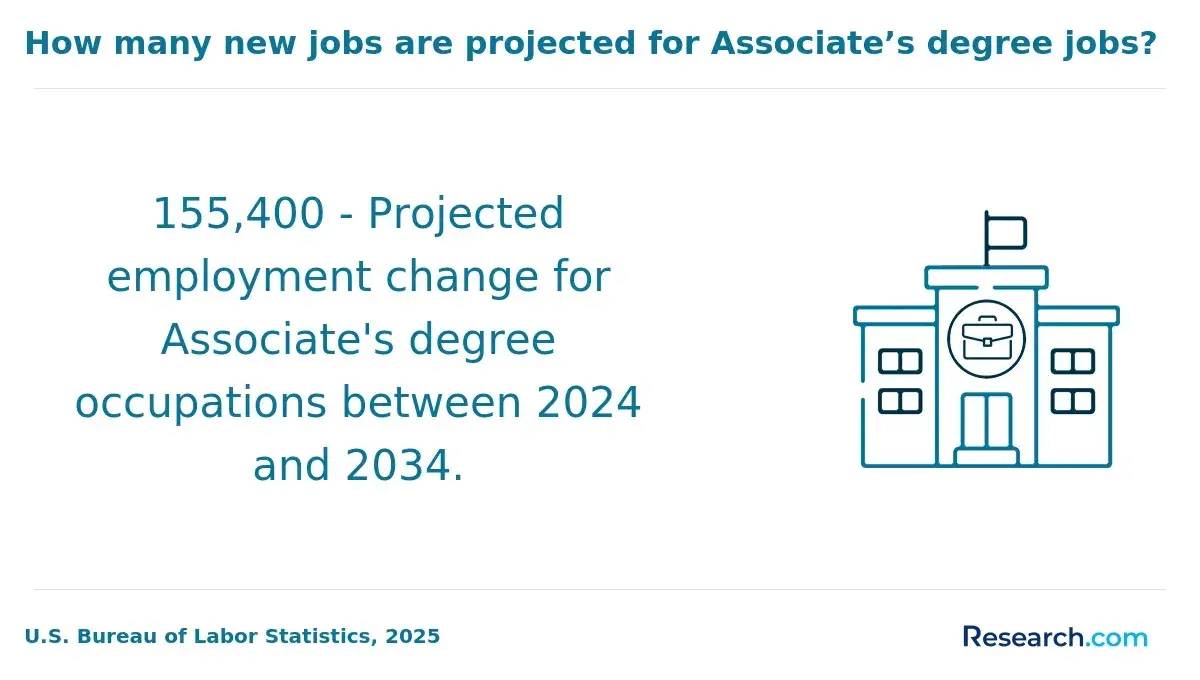
Opting for human resource management degrees for compensation and benefits specialization demands balancing foundational legal and economic knowledge with specific industry applications. Bachelor's degrees serve as critical entry points, offering grounding in labor laws and compensation structures that translate into a median wage advantage over high school graduates.
Yet, professionals targeting roles such as compensation analyst or benefits manager must typically pursue master's degrees with concentrations in data analytics, strategic pay planning, and compliance to meet sophisticated employer expectations.
The best HR degree programs for careers in compensation and benefits increasingly integrate practical elements like internships or co-ops, which enhance candidates' ability to navigate sector-specific challenges. For instance, graduates entering manufacturing roles must understand union wage agreements, whereas those in tech or startups need expertise in equity incentives and flexible benefit models. These variations underscore how degree choice impacts real-world readiness.
Students should anticipate mastering statistical tools for pay equity assessments and regularly evolving regulations such as FLSA updates. Programs that incorporate case-based learning and relevant software applications are better aligned with employer demands in complex compensation environments. Evaluating career services with a focus on compensation-specific job placement can also guide efficient program selection for strategic career moves.
For candidates interested in exploring interdisciplinary routes, there are alternatives like online construction management courses that, while outside traditional HR, may offer complementary skills in contract and labor cost control.
How do online HR programs compare to campus-based options for compensation career preparation?
Online human resource management programs offer a distinct advantage for compensation professionals needing flexible integration of emerging HR analytics skills into their current roles. The hiring market reflects this shift, with Lightcast data cited by SHRM showing 28% growth in job postings mentioning "HR analytics" and 32% for "compensation analytics" from 2020 to 2024. This trend favors candidates who can demonstrate immediate applied competency over traditional academic residency.
Comparing how online human resource management programs compare to campus-based options for compensation careers, online formats enable direct application of data-driven decision-making tools on the job, which improves outcomes for professionals in dynamic sectors such as healthcare and retail.
Campus-based programs remain relevant for those seeking immersive networking and mentorship essential to strategic compensation roles in established corporations. However, rigid schedules, commuting, and relocation costs create barriers for working adults. Online learners access asynchronous content and digital tools aligned with market demand, supporting continuous employment and upskilling without income disruption.
For instance, an HR analyst in a healthcare setting can immediately apply compensation equity analytics learned online while managing daily responsibilities.
Employers increasingly prioritize candidates with demonstrable analytics competencies over traditional academic experiences, which is central when considering the benefits of online vs campus human resource management training for compensation professionals. Those weighing options should also examine accreditation, such as CAHIIM accredited health information management programs online, to ensure credibility and alignment with industry standards.
What accreditation and institutional approvals should online HR programs have for compensation roles?
Accreditation status is a decisive factor in evaluating online human resource management programs focused on compensation careers. Regional accreditation recognized by the Council for Higher Education Accreditation or the U.S. Department of Education signifies adherence to academic standards that employers rely on when vetting candidates.
Beyond institutional approval, programmatic accreditation from organizations like the Society for Human Resource Management (SHRM) or WorldatWork reflects a curriculum aligned with current compensation strategy and total rewards management demands.
Consider a professional moving into compensation roles within healthcare or manufacturing: without verified coverage of industry-specific compliance, such as benefits administration and wage classification, graduates risk gaps in essential knowledge. Accredited programs ensure coursework addresses sector-specific pay equity and regulatory frameworks under federal mandates like the Fair Labor Standards Act, enabling graduates to manage compensation complexities confidently.
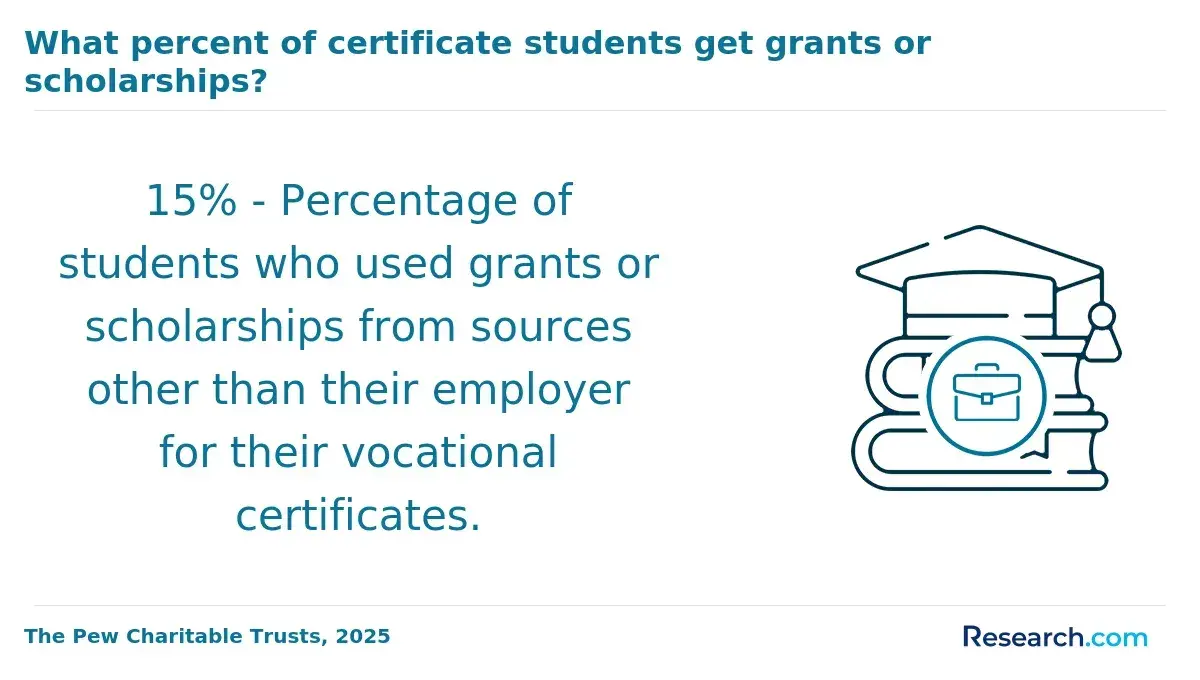
Financial viability also hinges on accreditation. Programs without federal financial aid eligibility can impose substantial cost barriers, whereas accredited institutions typically facilitate access to grants and scholarships, reducing net tuition burdens as confirmed by data from the National Center for Education Statistics.
Key tradeoffs for prospective students include:
- Limited credit transferability and certification eligibility if accreditation is absent
- Reduced employer network strength impacting job mobility in compensation
- Practical risk of unrecognized credentials in competitive hiring environments
Deliberate scrutiny of accreditation and tangible workforce alignment ensures the education investment advances both expertise and employability in compensation-focused Human Resource Management roles.
What courses and specializations should a compensation-focused HR curriculum include?
Compensation-focused education demands precise technical skills in total rewards design, encompassing salary structures, incentives, and benefits administration, integrated with data analytics expertise to balance market competitiveness against internal equity. Special attention to legislative compliance-particularly the Fair Labor Standards Act and Equal Pay Act-shields professionals from costly legal risks that emerge in compensation roles.
One practical challenge arises when moving from general HR to compensation-specific roles, as professionals must navigate diverse pay models-especially across industries like technology and manufacturing-that require nuanced understanding of real-world pay equity issues. Embedding applied learning through mentorship or internships focused on salary benchmarking and stakeholder reporting can significantly enhance readiness for these transitions.
Foresight in predictive modeling and compensation forecasting supports strategic workforce planning but demands advanced quantitative skills beyond basic HR curricula. Communication and negotiation training remain indispensable, given the frequent need to align multidisciplinary teams or manage union relations around compensation changes.
Core subjects recommended for effective preparation include:
- Compensation and Benefits Management
- Labor Law and Regulatory Compliance
- Data Analytics for Workforce Compensation
- Strategic Reward Systems and Executive Pay
- Pay Equity and Diversity in Compensation
- Communication Skills for Compensation Professionals
The reality of this pathway is reflected in data from WorldatWork, which reports 67% of compensation professionals advance within three years, but this outcome hinges on curricula that merge real-world case studies with current regulatory and global compensation trends-an essential factor for candidates aiming at multinational environments facing complex compliance challenges.
What are typical admission requirements for online HR programs leading to compensation careers?
Admission criteria for online human resource management programs focused on compensation frequently balance academic preparation with professional experience, targeting candidates who bring 2-5 years in HR or payroll roles. This prerequisite ensures students engage with compensation systems not just theoretically but through practical exposure, directly improving their job readiness for compensation-specific positions.
Applicants typically need a bachelor's degree from accredited institutions, often favoring backgrounds in business or economics. Core prerequisites often include coursework in statistics, labor economics, or organizational behavior to equip students with skills for quantitative analysis and compliance challenges. Professional references or employer endorsements play a pivotal role, especially in regulated sectors like healthcare or finance where internal pay equity and benefits design carry significant legal implications.
Technological proficiency in HRIS platforms or data analytics is increasingly assessed during admissions through interviews or skill assessments, reflecting employer demand for digital fluency in compensation roles. International students face additional hurdles, such as English proficiency proofs and credential evaluations.
The proven salary advantage of holding recognized certifications-Certified Compensation Professional (CCP) holders earn approximately 17% more total cash compensation-drives some programs to integrate certification pathways into admissions advisement. For those with limited HR experience, preparatory courses or bridging certificates often become mandatory, a critical detail for employer-supported tuition decisions aiming at deliverable return on investment.
How long do online human resource management degrees take and what do they cost?
Completing a human resource management degree involves significant time and financial tradeoffs that directly affect career trajectory and market readiness. Associate degrees typically take 18 to 24 months, while bachelor's degrees require about 36 months of full-time study, though accelerated or part-time models alter this timeline. Cost ranges from $6,000 to $15,000 for community college associate degrees and can exceed $60,000 for fully online bachelor's programs at accredited universities.
These figures do not factor in opportunity costs like lost wages during study or potential employer tuition support.
In industries with stringent pay transparency laws-covering roughly one-third of U.S. workers-graduates lacking training in compensation compliance, data analytics, and AI-driven salary modeling may face limited employability in specialist roles. For example, compensation analysts managing remote teams in tech require mastery beyond traditional HR functions to navigate updated regulatory requirements and complex salary data interpretation.
Choosing a program solely on duration risks surface-level knowledge, especially in compensation analytics, which undercuts eligibility for higher-paying, specialized HR roles. Conversely, longer programs that integrate niche competencies offer stronger labor market alignment but demand longer commitments, a critical factor for mid-career students balancing income and education.
An informed approach includes evaluating institutional accreditation, curriculum relevance to emerging labor laws, and technological skill development, all crucial in meeting employer expectations for candidates versed in compensation laws and data science applications.
What salaries, job titles, and career paths can HR compensation specialists expect?
Compensation specialists in Human Resource Management face distinct earning trajectories shaped by sector context, geographic region, and organizational scale. While entry-level analysts in manufacturing and retail can expect starting salaries near $65,000, experienced compensation managers and directors in technology or finance frequently surpass $130,000 annually. The top 10% of HR specialists, according to the U.S. Bureau of Labor Statistics, earn over $115,000, underscoring the premium placed on advanced compensation expertise in competitive markets.
Job roles commonly evolve from data-driven tasks such as job evaluation and market benchmarking toward strategic functions including pay structure development and executive remuneration advising. This progression demands analytical agility and familiarity with evolving labor market dynamics, especially as tech companies increasingly incorporate skill-based pay metrics-requiring proficiency in data analytics tools-and nonprofits prioritize equitable pay aligned with compliance and mission focus.
Effective pay-equity strategies deliver tangible workforce benefits. A 2024 Gartner survey revealed organizations conducting regular pay-equity analyses are significantly more likely to boost employee engagement and increase representation of underrepresented groups in management roles. These outcomes stress how connecting compensation to diversity, equity, and inclusion (DEI) metrics can enhance organizational resilience.
Considering a transition or advancement in Human Resource Management means weighing these varied sector demands and the specialized knowledge required to integrate compensation strategy with broader workforce planning or performance management initiatives.
Which certifications and professional credentials support advancement in compensation and benefits?
Choosing between Certified Compensation Professional (CCP) and Certified Employee Benefits Specialist (CEBS) hinges on distinct career trajectories and sector demands. CCP suits professionals focused on technical pay structures and compliance within compensation analysis, often seen in technology firms prioritizing competitive salary models. CEBS addresses the complexity of benefits design and administration, critical in industries like healthcare where regulatory compliance drives credential requirements.
Employers increasingly support certification pursuit through tuition assistance, yet policy limitations can affect personal investment and timing. For example, SHRM's 2024 Employee Benefits Survey notes nearly half of U.S. employers offer tuition aid, with most actively encouraging certifications to upscale HR capabilities.
Practical considerations include study duration-CCP typically requires 15-20 months, while CEBS extends beyond two years-impacting working professionals balancing job commitments. Additionally, generalist credentials like SHRM-CP and SHRM-SCP provide broader human resource knowledge but lack the deep specialization of CCP or CEBS.
Aligning certification choice with employer expectations, financial support, and industry needs is crucial. Early-career professionals must evaluate these tradeoffs to ensure their investment advances roles requiring specific expertise, whether managing compensation frameworks or navigating multifaceted employee benefit programs.
Other Things You Should Know About Human Resource Management
Choosing between synchronous and asynchronous formats impacts how effectively you manage work and study commitments. Synchronous programs demand fixed schedules, which can provide structured real-time interaction but may limit flexibility if balancing full-time work. Asynchronous programs offer schedule flexibility, beneficial for professionals working irregular hours, but they require greater self-discipline to complete complex compensation analyses without immediate access to instructors. Prioritize programs that balance flexibility with opportunities for live feedback, especially since compensation concepts benefit from discussion and scenario-based learning.
Programs exclusively focused on compensation provide deep, specialized expertise that supports quicker advancement within compensation and benefits roles, but they limit exposure to other HR functions that might be valuable in managerial positions. Broader HR programs allow for diverse skill development applicable to recruitment, labor relations, and organizational development, enhancing adaptability if career goals shift beyond compensation. If you are certain about a compensation career, prioritize specialized programs to gain technical rigor; if uncertain, a broader program preserves lateral career mobility.
Yes. Many 2026 online HR management programs require a capstone, internship, or practicum of 120 to 180 hours. Schools often let working professionals complete projects with their current employer, but some programs require a faculty-approved site and a minimum 2.5 or 3.0 GPA.
References
- Discover The Most Affordable Online Human Resources Degrees https://www.affordablecollegesonline.org/degrees/human-resources-programs/
- Masters in Human Resources Online No GRE or GMAT Required https://www.humanresourcesmba.net/best/top-online-masters-hr-no-gre-gmat/
- Learn about the importance of the Human Resources Diploma subjects and their core courses for developing your professional life https://mdit.edu.sa/en/blog/human-resources-specialization-materials-diploma
- Online Human Resources Courses: Top 10 https://devsdata.com/online-human-resources-courses-top-10/
- Top 20 Online Courses for Human Resource Managers https://zoetalentsolutions.com/top-20-online-courses-for-human-resource-managers/
- How a Human Resources Management Degree Can Boost Your Career | BSBI https://www.berlinsbi.com/blog/how-a-degree-in-human-resources-can-boost-your-career-a-guide-for-aspiring-professionals
- CourseCareers https://coursecareers.com/blog-posts/how-human-resources-courses-teach-skills
- What do you learn in a bachelor's in human resource management? | edX https://www.edx.org/resources/what-do-you-learn-in-a-bachelors-in-human-resource-management
- Human Resources Careers: Explore Entry-level and Advanced Roles | Herzing https://blog.herzing.ca/kompass-online-training/human-resources-jobs-what-are-your-career-options
- Top 10 Benefits of Professional Certification - Identity Management Institute® https://identitymanagementinstitute.org/top-10-benefits-of-professional-certification/