2027 Best Online Health Informatics Degrees for Decision Support Roles

Co-Founder and Chief Data Scientist
Healthcare organizations increasingly rely on data-driven decisions to improve patient outcomes, yet many face challenges in finding professionals skilled in health informatics decision support. Professionals transitioning from unrelated fields often struggle to identify flexible, accredited programs that equip them with the necessary expertise without sacrificing current work commitments.
Bridging this gap is essential for advancing careers and addressing crucial industry demands. This article explores top online health informatics degree programs tailored for decision support roles, focusing on flexibility, accreditation, and curriculum relevance to help prospective students make informed educational choices.
Key Things You Should Know
- Online health informatics degrees in 2026 emphasize data analytics, clinical decision support, and interoperability, aligning with a 15% projected job growth in the field through 2032.
- Programs blending technical skills with healthcare knowledge offer flexible learning for working professionals, with 62% of students reporting career advancement within a year of graduation.
- Curricula increasingly incorporate AI and machine learning applications to enhance decision support systems, responding to industry demand for innovative healthcare solutions.
What is an online health informatics degree focused on clinical decision support?
Online health informatics programs for clinical decision support equip students with the expertise to develop technology systems aiding healthcare professionals in evidence-based decisions. Coursework typically includes data standards, health information exchanges, clinical workflow analysis, and user-centered design. These programs emphasize tools like electronic health records (EHRs), predictive analytics, and clinical guidelines integration.
Graduates learn to design alerts for potential drug interactions and suggest care pathways to improve diagnostics, treatment plans, and patient outcomes. This reduces errors and enhances personalized care through intelligent systems. Many programs offer hands-on experience with real health data, software platforms, and may provide specializations in population health analytics or AI in healthcare. Advanced degrees often focus on regulatory compliance and interoperability standards.
Health informatics specialists earn a median annual salary of $67,310, with higher earnings linked to advanced degrees or RHIA certification. Prospective students should seek CAHIIM-accredited programs to ensure relevant training and certification eligibility. For those concerned about funding, resources on financial aid for medical billing and coding online classes can also benefit students pursuing clinical decision support systems in health informatics degrees.
How do online health informatics programs prepare graduates for decision support roles?
Online health informatics degree programs for decision support equip students with essential skills in managing healthcare data, using clinical decision tools, and analyzing complex datasets to enhance patient care. Coursework often covers data analytics, database management, health information systems, and healthcare policy, while emphasizing proficiency in standards like HL7, SNOMED CT, and ICD coding.
These programs also focus on skills gained from online health informatics programs for clinical decision making, including predictive analytics and machine learning to identify patient risks and care gaps. Students benefit from practical experiences such as real-world simulations or capstone projects with healthcare organizations, where they analyze patient data to recommend clinical interventions or improve resource allocation.
Online health informatics graduates are prepared to handle regulatory compliance and data privacy, ensuring sensitive patient information is managed within legal frameworks. The demand for health information technologists and medical registrars is projected to grow 17% through 2031, outpacing average job growth according to the U.S. Bureau of Labor Statistics. This trend reflects an increasing reliance on data-driven decision-making in healthcare.
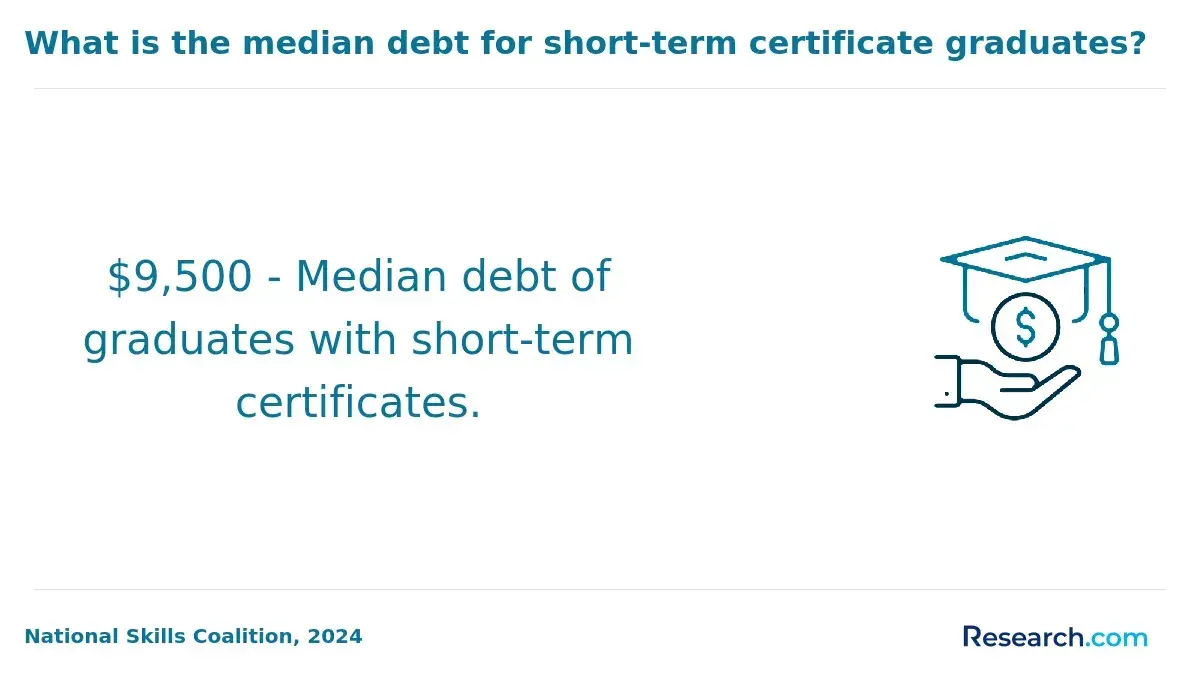
For those exploring educational costs, understanding medical billing and coding certification cost can be helpful when considering related health informatics training pathways.
Which accredited online health informatics degrees are best for decision support careers?
Top accredited online health informatics degrees for decision support focus on strong curricula in data analytics, clinical decision-making, and healthcare information systems. Programs with CAHIIM (Commission on Accreditation for Health Informatics and Information Management Education) accreditation ensure students receive rigorous training aligned with industry standards. Many offer concentrations in clinical informatics or decision support systems.
Online health informatics programs designed for working professionals often include applied coursework and case studies covering healthcare data management, clinical workflow optimization, and IT infrastructure. Decision support careers require competencies in technical tools such as predictive modeling software and health data standards like HL7 and FHIR. Programs integrating these technologies provide students with clear advantages.
Flexible scheduling and formats allow students to balance work and study without sacrificing depth in decision support content. Recognized universities offering these programs facilitate networking with healthcare experts and informatics professionals. Practical experience through virtual simulations and capstone projects centered on clinical decision support algorithms improves job readiness.
The U.S. Bureau of Labor Statistics forecasts that one-third of the 8.3 million new jobs by 2031 will be in healthcare and social assistance, signaling strong demand for graduates with decision support expertise. Those seeking top online health informatics programs for decision support careers should consider CAHIIM-accredited options aligned with these workforce trends.
Students may explore accredited online environmental health and safety programs for complementary knowledge in healthcare safety.
What admission requirements and prior experience are needed for these online programs?
Admission to online health informatics degree programs often requires a bachelor's degree in healthcare, computer science, information technology, or business. Many schools expect applicants to have at least a 3.0 GPA or equivalent academic standing. Some applicants may need prerequisite courses in statistics, programming, or healthcare systems, especially those with degrees in nursing, public health, or biology.
These foundational courses prepare students for the core curriculum. Relevant prior experience requirements for health informatics degrees typically include 1-3 years in healthcare or IT roles involving data analysis, clinical decision-making, or health information systems. Positions such as clinical informatics specialists, medical coders, healthcare analysts, or IT consultants are strongly aligned with these expectations.
Standardized tests like the GRE may be required, though some programs waive this for candidates with substantial professional experience or advanced degrees. Application components generally include letters of recommendation and personal statements outlining career goals and technical skills. AI literacy is increasingly vital due to rapid adoption in this field.
SUNY Downstate emphasizes that AI literacy is essential for health professionals to effectively use advanced data analysis and automation. Candidates should demonstrate knowledge of AI, machine learning, or data science through coursework or professional exposure. Prospective students interested in comparing degree options across institutions may find resources such as Capella vs WGU RN to BSN helpful for broader educational planning.
How does an online health informatics degree compare with on-campus options?
An online health informatics degree offers flexibility essential for working professionals and those balancing personal commitments, removing the need for commuting and allowing students to learn at their own pace through asynchronous lectures and 24/7 digital resources. This format supports healthcare workers in immediately applying new skills on the job, enhancing their real-time effectiveness.
These programs often focus on technology proficiency and data management skills, using interactive platforms that mimic real-world clinical decision-support roles. Virtual labs and case studies train students as healthcare data analysts or clinical informatics specialists-roles highlighted by institutions like Texas State University for their influence on patient outcomes and healthcare operations.
On-campus programs may be preferable for students seeking face-to-face interaction, immediate faculty access, or hands-on clinical rotations, while online cohorts bring together diverse peers from across different regions and professional backgrounds, enriching learning experiences.
Students should consider their learning style, work duties, and career goals. Success in decision-support roles demands accredited programs that integrate current informatics technologies along with technical support, flexible schedules, and opportunities for applied projects or internships.
What courses and technical skills are taught for decision support in healthcare?
Courses for decision support roles in health informatics develop advanced analytical and technical skills aimed at improving clinical outcomes. Key subjects include data analytics, clinical decision support systems (CDSS), and health data management, along with programming languages like Python or R. A major focus lies in integrating electronic health records (EHR) data to create predictive models and automate alerts.
Technical competencies covered include data mining, machine learning, and statistical analysis. Students learn to design algorithms that detect patient risk patterns, such as early signs of sepsis or hospital readmission probabilities. Familiarity with healthcare interoperability standards like HL7 and FHIR is vital for building systems capable of seamless communication across platforms.
Texas State University emphasizes predictive analytics tailored to identify early warnings like sepsis or readmission risk, enabling timely clinical intervention. Practical training includes implementing real-time decision support tools within healthcare workflows. Additional coursework addresses health information privacy, security, database management, and clinical vocabularies such as SNOMED CT and LOINC. Hands-on exposure to software like SQL, Tableau, or SAS enhances technical readiness.
Professionals transitioning into health informatics often study project and change management to facilitate decision support technology adoption in clinical settings, tackling challenges from data quality to user acceptance.
How long do online health informatics programs take and what do they cost?
Programs in health informatics online vary in duration, generally lasting from one to three years depending on the degree level and whether students enroll full-time or part-time. For instance, a full-time master's degree commonly takes about two years to complete, while certificate programs often require less than a year. The overall length depends largely on credit requirements and enrollment status.
Tuition costs fluctuate significantly across programs. Master's degrees typically cost between $10,000 and over $40,000, influenced by factors like the institution's public or private status and residency. Certificate programs are usually more affordable but still represent a meaningful financial commitment.
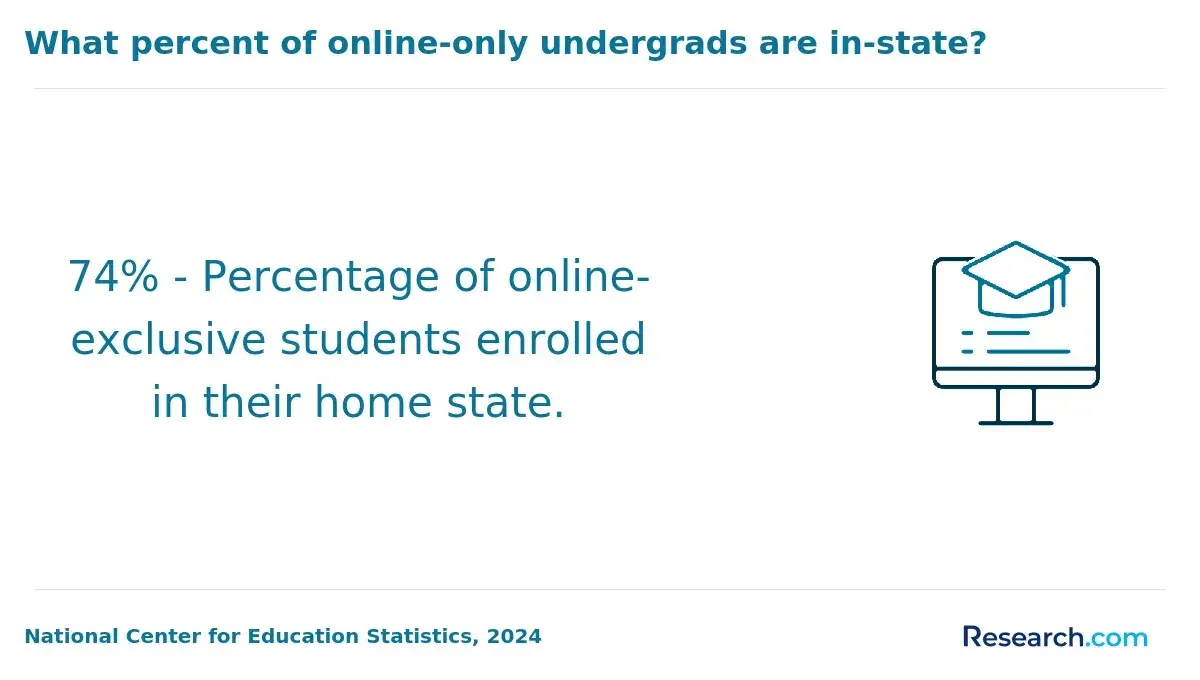
SUNY Downstate's Master of Science in Health Informatics presents a 39-credit STEM-designated curriculum, serving as a notable example. It also offers a 15-credit advanced certificate designed for professionals aiming to upgrade skills quickly without a full degree commitment.
Key factors shaping program length and expenses include:
- Credit load: More credits increase both study duration and tuition fees.
- Program format: Part-time enrollment extends the timeline but spreads costs.
- Residency: In-state tuition is generally more affordable at public universities.
- Financial aid and employer sponsorship: These can greatly reduce out-of-pocket costs.
The choice between a master's degree and a certificate depends on professional goals. Certificates are ideal for rapidly gaining targeted skills suitable for decision support roles. Meanwhile, master's degrees offer comprehensive knowledge often preferred for leadership positions in the health informatics field.
What clinical decision support and health informatics jobs can graduates pursue?
Graduates with degrees in health informatics qualify for various roles within healthcare organizations, especially those focused on clinical decision support and data management. Common career paths include clinical informatics specialist positions, where professionals implement and manage electronic health records (EHR) to optimize patient care workflows. Other typical roles include health information manager and clinical data analyst.
Decision support analysts develop tools that aid providers in diagnosis and treatment planning, while healthcare IT project managers oversee technology implementations that improve clinical decision-making. Clinical informatics coordinators collaborate with clinicians to translate data into enhanced protocols and patient safety initiatives.
Leadership roles are available for those pursuing advanced experience, such as health informatics directors who shape strategy and policy integration. Research analysts evaluate clinical outcomes and the cost-effectiveness of decision support systems. Technical skills like database management, data analytics, and knowledge of healthcare regulations such as HIPAA are often required.
According to reports by Texas State University, health information management professionals earn a median annual salary of $67,310, with graduate degrees frequently leading to higher salaries and leadership opportunities. Specializing in areas like clinical decision support analytics, data governance, or health IT project management can boost career growth. Professionals aiming to advance should focus on aligning their skills with evolving healthcare technology trends.
What salary ranges and job outlook can decision support specialists expect?
Decision support specialists in health informatics earn between $60,000 and over $110,000 annually, influenced by education, experience, and location. Entry-level roles generally start near $60,000, while advanced degrees or extensive experience can push salaries into six figures. Metropolitan areas and large healthcare systems often offer higher pay due to increased demand and cost of living.
The job outlook for decision support roles remains strong, driven by the growing adoption of electronic health records (EHRs), telemedicine, and digital health technologies. These developments create ongoing demand for experts who can manage and analyze complex healthcare data to enhance clinical decisions and improve operational efficiency.
Key practical considerations include:
- Higher demand in states with significant healthcare infrastructure like California, New York, and Texas.
- Better salaries for specialists skilled in data analytics, informatics software, and healthcare regulations.
- Certifications in clinical informatics and data security that may boost career advancement and pay.
- Job opportunities across hospitals, insurance companies, government agencies, and digital health tech firms.
As health informatics becomes increasingly vital to patient care and administrative workflows, decision support roles are expected to maintain strong employment prospects through at least 2030, presenting a stable and lucrative career path.
How can students evaluate accreditation, faculty, and data standards in a program?
Verifying program accreditation is essential for students seeking a quality education and professional certification in health informatics. Accreditation from organizations like the Commission on Accreditation for Health Informatics and Information Management Education (CAHIIM) or recognized regional bodies ensures curriculum rigor, qualified faculty, and institutional support, which enhance the degree's credibility.
Faculty expertise is a critical factor influencing educational outcomes. Prospective students should examine faculty members' academic backgrounds, research achievements, and practical experience in health informatics decision support. Instructors actively involved in publishing or consulting within clinical decision systems, data analytics, or health information governance help connect theoretical knowledge to real-world applications.
Familiarity with data standards is vital for health informatics programs that emphasize decision support roles. Students should look for training involving widely adopted standards such as HL7, SNOMED CT, and LOINC, which foster interoperability and maintain data quality. According to Texas State University, health informatics professionals rely on these frameworks to guide strategic decision-making for hospitals, public health organizations, and private healthcare providers.
Key questions for evaluating programs include:
- Is the program accredited by CAHIIM or a regional agency?
- Do faculty have hands-on experience with healthcare data standards and decision support technologies?
- Are data standards applied practically within coursework?
Transparency through course syllabi, faculty profiles, and accreditation documents helps students choose programs that align with industry demands and certification prerequisites.
Other Things You Should Know About Health Informatics
Continuing education is essential in health informatics to keep up with evolving technologies, regulations, and data standards. Professionals often attend workshops, webinars, or pursue advanced degrees to stay current. This ongoing learning ensures they can effectively leverage emerging decision support tools and maintain compliance with healthcare industry updates.
Health informatics professionals frequently encounter challenges such as integrating diverse data sources, ensuring data accuracy, and managing user adoption of clinical decision support systems. Navigating privacy and security regulations like HIPAA while maintaining system usability is also critical. Addressing these issues requires both technical expertise and effective communication with healthcare stakeholders.
Yes, prior experience in healthcare, nursing, or IT significantly benefits health informatics professionals, especially those focused on decision support. Understanding clinical workflows or IT infrastructure enhances their ability to design and implement effective informatics solutions. This interdisciplinary knowledge helps bridge gaps between technology and clinical practice, improving system adoption and patient outcomes.
References
- Warsaw University of Life Sciences - Entry requirements - Bachelor's degree (first cycle studies) https://www.sggw.edu.pl/en/recruitment/bachelors-degree-and-masters-degree-long-cycle/bachelors-degree-recruitment-rules/entry-requirements-bachelors-degree-first-cycle-studies/
- Clinical Decision Support System | La Salle https://www.salleurl.edu/en/clinical-decision-support-system
- Masters in Health Informatics - Opportunities and Scope — The BridgeWay Firm https://www.bridgewayfirm.com/masters-in-health-informatics
- Admission process 2025/2026 - Warsaw School of Computer Science https://wscs.eu/candidates/admission-process/
- Top Entry-Level Health Informatics Jobs https://www.usfhealthonline.com/resources/career/top-entry-level-health-informatics-jobs/
- Decision Support Analyst Salary - June 2026 https://www.comparably.com/salaries/salaries-for-decision-support-analyst
- Follow us https://eh4future.eu/local/staticpage/view.php
- Clinical Decision Support https://healthit.gov/clinical-quality-and-safety/clinical-decision-support/
- Five Ways a Health Informatics Degree Prepares You for a Career in Health Care - Healthcare Management Degree Guide https://www.healthcare-management-degree.net/list-articles/five-ways-a-health-informatics-degree-prepares-you-for-a-career-in-health-care/