2027 Best Online Forensic Science Degrees for Laboratory Science Careers

Co-Founder and Chief Data Scientist
When a forensic laboratory faces urgent backlogs amid rising caseloads, choosing a degree program that equips graduates with both technical expertise and flexible scheduling becomes a critical challenge. With the U.S. Bureau of Labor Statistics projecting a faster-than-average 11% job growth for forensic science technicians over the next decade, workers often need timely upskilling options that accommodate current employment or personal obligations. A 2024 National Center for Education Statistics report reveals adult learners increasingly prefer online programs for their adaptability, directly influencing enrollment patterns in forensic science education.
This article evaluates top online forensic science degrees calibrated to meet real-world lab demands and career mobility constraints, helping students optimize educational investments for laboratory science careers.
Key Things You Should Know
- Graduates from programs accredited by the Forensic Science Education Programs Accreditation Commission see 15% higher job placement rates within 12 months, influencing the critical tradeoff between shorter, cheaper degrees and longer, accredited pathways.
- Employers in public and private forensic labs increasingly demand proficiency in DNA and digital forensics software, driving a 22% workforce shift towards candidates with dual-specialty online degrees per 2024 National Forensic Science Technology Center data.
- Online forensic science programs frequently extend total completion times by 20%, raising effective costs and delaying workforce entry compared to traditional formats, challenging professionals balancing reskilling urgency with financial constraints.
What are the best accredited online forensic science degrees for laboratory careers?
Employers in forensic laboratories measure applicants not only by degree credentials but by demonstrated competence in practical methods such as evidence analysis and crime scene processing. The best accredited online forensic science degrees for laboratory careers provide rigorous science training paired with hands-on experience, often via virtual labs supplemented by optional residencies or internships. These hybrid models better meet industry demands, ensuring graduates understand instrumentation like GC-MS or FTIR, skills rarely mastered in fully remote settings.
Choosing a program requires weighing scientific depth, faculty expertise, and direct access to accredited lab internships. Programs focused purely on theory without mandatory practical components may reduce eligibility for entry-level lab technician roles, limiting opportunities in federal and state forensic labs. In contrast, degrees that integrate criminal justice with forensic chemistry and biochemistry align more closely with real-world job requirements and employer skills assessments.
Applicants should verify alignment with accreditation bodies such as the Forensic Science Education Programs Accreditation Commission (FEPAC) and confirm the availability of local forensic agency partnerships for experiential learning. Without these, students risk pursuing degrees lacking industry recognition, which delays workforce entry or advancement.
The landscape of top online forensic science programs for lab science professionals is expanding, with Educations.com noting 27 global distance-learning options in 2025. For those considering a strategic pivot, exploring an online master's degree in forensic psychology can also complement laboratory skills by adding behavioral expertise.
How do online forensic science degrees compare to campus programs for lab training?
Online forensic science degrees often fall short in replicating the critical hands-on lab training central to campus programs, which directly affects readiness for real-world forensic work. Without access to supervised, physical laboratories, students risk lacking proficiency in vital procedures-including evidence collection and instrument calibration-that employers expect. This gap is a significant consideration since forensic science technician roles are projected to grow by 11% from 2021 to 2031, intensifying competition among candidates.
Comparison between campus vs online forensic science programs for practical lab skills reveals a decisive advantage for traditional settings: in-person labs enable muscle memory development and procedural precision that virtual simulations cannot fully provide. Employers frequently prioritize applicants with documented practical hours, viewing online degrees without substantial lab components as less rigorous.
Students pursuing online forensic science degrees for lab training effectiveness should verify if programs offer local internships or partnerships with accredited forensic facilities. Those already employed by law enforcement or crime labs can apply coursework in their workplace environments, directly integrating theory and practice. Without such opportunities, graduates may face delays entering lab-based roles and struggle to demonstrate applied skills.
Strategic learners should consider augmenting online study with verified, supervised in-person training to address these limitations. Those evaluating paths for data science integration might explore online doctorate data science options that complement forensic expertise and expand analytical capabilities.
What types of forensic science degrees prepare students for laboratory science roles?
Choosing forensic science degrees for laboratory technician careers requires careful consideration of program rigor and hands-on training. Degrees emphasizing technical laboratory skills-such as evidence collection, chemical analysis, DNA profiling, and digital evidence examination-better align with employer needs in crime labs. Chemistry-focused forensic science programs, for example, prioritize analytical instrumentation which is essential for toxicology and trace evidence units where precision and regulatory compliance are critical.
Programs like online forensic science degree programs for lab science jobs offer flexibility but often differ significantly in practical applicability. Computer forensics degrees, such as Champlain College's online Bachelor of Science in Computer Forensics & Digital Investigations, cater to the growing cybercrime sector, with median annual earnings reported at $89,716. However, digital labs rely heavily on virtual simulations and require continuous skill updates to keep pace with technological changes, unlike physical evidence programs demanding onsite lab access.
Employers highly value graduates who demonstrate experience with accredited laboratory methodologies and instrumentation, typically gained via internships or embedded practicums. Degrees without hands-on lab components often hinder immediate employability in forensic laboratory roles, where strict chain-of-custody and testing protocols govern daily operations.
Prospective students should target programs aligned with forensic accreditation standards such as ISO/IEC 17025 and consider access to physical crime labs or credible field placements. For those seeking comparative earnings data in related fields, the online animal science degree salary analysis provides useful context for technical science disciplines requiring laboratory skills.
What admission requirements and prerequisites do online forensic science programs have?
Online forensic science admission requirements prioritize candidates with a foundational science background, often requiring biology, chemistry, and mathematics coursework. Undergraduate entrants typically need a high school diploma or equivalent, while graduate applicants must hold a bachelor's degree-commonly in STEM fields-with some programs emphasizing prior lab experience to meet employer expectations for technical readiness. Those lacking direct science exposure, such as criminal justice graduates, face additional prerequisites that can extend time-to-degree and increase upfront educational costs, affecting workforce entry timing.
Graduate admissions introduce further layers, including GRE scores, letters of recommendation, and statements of purpose that underscore research or forensic interests, signaling competitive selection. Financially, annual tuition for accredited online programs ranges widely-from about $8,100 to $24,780-reflecting differences in institutional resources and prestige. This tuition variance significantly impacts return on investment, especially when balanced against potential employer tuition assistance and certification costs. Practical challenges also emerge, as some programs require occasional in-person labs or proctored exams, adding geographic or scheduling constraints for working adults.
Students weighing prerequisites for forensic science degree programs should carefully consider these operational tradeoffs:
- Additional training costs and time commitments for non-science backgrounds
- Compatibility of hybrid or flexible models with professional and personal obligations
- Financial planning in light of tuition disparities and expected career mobility
Prospective students seeking to evaluate the broader landscape of degree affordability and outcomes can consult data like that presented for the MLIS degree to contextualize cost-effectiveness across disciplines.
What core courses and lab-related training are included in online forensic science curricula?
Effective forensic science education requires balancing theoretical knowledge with tangible skill development, particularly in laboratory competencies essential for employment. Many online programs adopt hybrid formats to simulate wet-lab experiences through virtual labs, interactive modules, and sometimes localized on-site requirements. For example, training in forensic toxicology demands proficiency in both understanding substance metabolism and executing precise sample preparation-capabilities best developed through blended learning that integrates chemical reagent handling and chromatographic technique practice.
Costs remain a significant consideration, as tuition rates directly affect return on investment and workforce entry timing. Columbia Southern University, for instance, offers an online BS in Forensic Investigation at $278 per undergraduate credit hour, with discounted rates for active-duty military that align with Department of Defense caps. Such pricing impacts accessibility, especially for career changers balancing income and education expenses.
Curricula emphasize operational knowledge of crime lab management, quality control, and forensic data interpretation, which align with accreditation standards like ISO/IEC 17025. Graduates with these competencies are more readily integrated into forensic lab workflows, reducing onboarding time and increasing immediate value to employers focused on compliance and precision.
- Core lab skills combine chemical, biological, and instrumental analyses adapted for remote learning.
- Tuition pricing often reflects trade-offs between specialized instruction and affordability.
- Mastery of quality control and regulatory standards enhances employability in forensic laboratories.
How long do online forensic science degrees take and what do they typically cost?
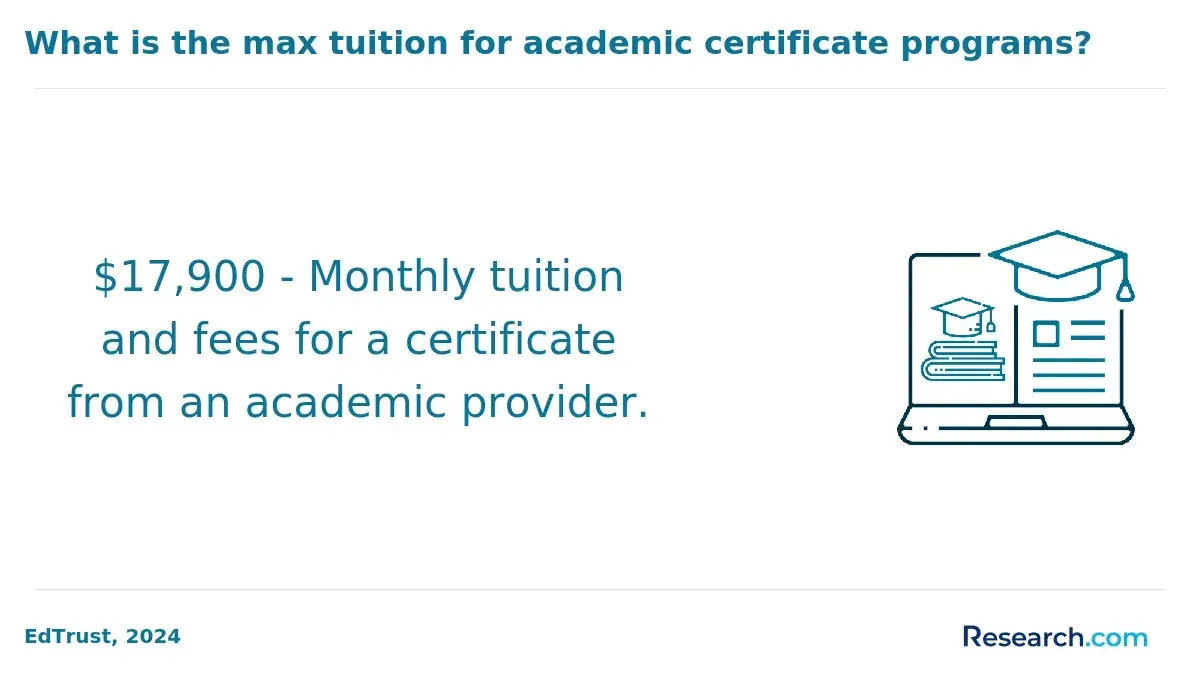
For forensic science candidates, the time investment directly affects workforce readiness and employability. An associate degree takes roughly 2 years, mostly insufficient for entry-level lab technician roles where employers increasingly demand a bachelor's degree requiring about 4 years of full-time study. Flexibility through part-time or accelerated paths often extends the timeline but can enable working professionals to remain employed during training. Programs emphasizing credit transfers or competency-based progress offer meaningful shortcuts, especially when rapid credential upgrades are necessary.
Costs range widely, from approximately $15,000 to over $50,000 for bachelor's degrees, shaped by factors like public versus private institutions and residency. Online offerings mitigate some expenses by removing commuting and housing costs but may add fees for technology and simulated labs. For instance, Arizona State University Online charges about $14,500 annually for in-state students while serving over 50,000 learners, balancing affordability with resources.
Prospective students should weigh cost against practical skill acquisition and employer recognition. Programs providing remote lab access or partnerships with forensic agencies better prepare graduates, reducing the need for costly post-degree training and shortening the path to sustainable employment. Without these elements, graduates might face skills gaps delaying job placement and increasing overall career investment.
How can students verify accreditation and program quality for online forensic science degrees?
Choosing an online forensic science degree requires critical scrutiny beyond institutional prestige. Regional accreditation recognized by the U.S. Department of Education or the Council for Higher Education Accreditation substantially affects both curriculum quality and employer recognition. Forensic science-specific accreditation from bodies like the Forensic Science Education Programs Accreditation Commission (FEPAC) adds another layer of validation, ensuring the curriculum and lab components meet sector standards.
Graduation rates and employment outcomes hold real-world weight in assessing program value. Employers strongly favor graduates with proven hands-on training-such as lab practicums and crime scene analysis software use-and demonstrated placement success in crime labs or governmental agencies. Publicly available data from the U.S. Bureau of Labor Statistics or Justice Department reports offers evidence of program graduates' workforce integration, a key differentiator from purely theoretical programs.
Financial considerations influence whether students pursue a bachelor's or master's path. Online master's programs frequently exceed $57,000, a price premium that must be justified by significant labor market advantages, especially for those targeting advanced forensic roles. Conversely, lower-cost bachelor's degrees offer earlier access to entry-level jobs but may limit upward mobility. Thus, candidates should weigh tuition burdens against concrete employment prospects.
- Confirm regional and programmatic accreditation before enrolling.
- Validate programs through independent employment statistics.
- Prioritize degrees offering robust laboratory and software training.
- Assess financial investment relative to intended career trajectory.
Ignoring these factors risks expensive credentials with minimal applied value or diminished employer credibility.
What forensic laboratory careers can you pursue with an online forensic science degree?
The financial and technical disparities between forensic science technicians and scientists reveal critical tradeoffs for online degree graduates targeting laboratory careers. While technicians focus on routine evidence processing and support roles earning about $37,755 annually, forensic scientists with advanced specialization in DNA, toxicology, or ballistics command median salaries near $62,325, according to Indeed's 2024 data. This gap underscores the value of investing in further certification or graduate-level study to achieve roles demanding complex analytical skills and lab instrumentation expertise.
Forensic chemistry represents another pathway, with average wages around $74,913 but requiring rigorous training in chemical analysis and specialized qualifications beyond a general forensic science curriculum. Employers increasingly prize candidates who integrate hands-on laboratory skills with data interpretation capabilities, especially under constraints such as limited budgets or remote workflows-a practical example being the use of instrumentation knowledge gained online to streamline evidence review.
Gaining required hands-on experience remains a significant hurdle, often necessitating internships or partnerships with local crime labs to meet employer expectations. Career trajectories depend on strategic choices about supplemental certifications and skill development to bridge from technician roles toward scientist or chemist positions, reflecting a strong correlation between credentialing depth and earning potential in forensic laboratory work.
What are the salary ranges and job outlook for forensic laboratory science professionals?
Salary outcomes for forensic laboratory science professionals vary widely, with entry-level public analysts typically earning around $55,000 annually, while specialized or senior roles in federal or private sectors can exceed $100,000. This disparity reflects differing responsibilities, security clearance demands, and funding sources that directly influence compensation. Candidates lacking certifications or advanced training often encounter bottlenecks in competitive urban labs, where demand for forensic expertise grows faster than the national average at 14% through 2032.
Choosing an online forensic science bachelor's program requires scrutiny beyond tuition pricing, which ranges from approximately $10,700 to $28,800 annually depending on residency status. Regional accreditation and hands-on laboratory experience-particularly with instruments like gas chromatographs and DNA sequencers-are critical factors employers weigh heavily. Graduates from under-equipped programs risk entering the workforce without essential practical skills, undermining employability.
Professionals pivoting into forensic science must balance cost, program quality, and access to in-person lab components to remain competitive. Employers favor candidates who demonstrate laboratory proficiency and contextual understanding, not just theoretical knowledge. This practical emphasis affects career trajectory, making accelerated or hybrid programs with accessible labs more viable for faster workforce integration.
- Entry-level salaries start near $55,000 in public crime labs
- Senior or federal roles pay upwards of $100,000
- Projected job growth of 14% through 2032, uneven across regions
- In-state tuition typically ranges from $10,710 to $11,720, out-of-state up to $28,800
- Hands-on skills and accreditation strongly influence hiring
Source: U.S. Bureau of Labor Statistics and Intelligent's 2025 guide on forensic science education and workforce trends.
Are licenses, certifications, or background checks required for forensic lab science careers?
Licenses are rarely mandatory across forensic lab science roles, but background checks and certifications decisively shape employment eligibility. Crime labs tied to law enforcement typically require federal or state clearances to protect evidence integrity, enforcing rigorous scrutiny beyond educational credentials. Without passing fingerprinting and criminal history screenings, candidates-even those with degrees-face immediate disqualification.
Certification from bodies like the American Board of Criminalistics or the International Association for Identification signifies validated technical skill sets sought by employers. However, lacking these credentials narrows opportunities largely to private sector labs, which often offer lower job security and pay. This bifurcation underscores a strategic tradeoff for career pivots: private labs provide entry but limit long-term professional growth.
Students and career changers must anticipate additional costs and delays tied to security clearance processing and exam fees. Educational programs that align course content with certification exam requirements enhance practical readiness and reduce downtime between graduation and hire.
Considering the financial aspect, the average net price at public universities offering online bachelor's degrees in forensic science approaches $14,903, while in-state tuition can be as low as $5,656-an accessible entry point compared to some professions that require costly, prolonged licensing.
Other Things You Should Know About Forensic Science
Hands-on lab experience is essential for forensic science careers, but many online programs face challenges in delivering it fully within a distance format. Programs that partner with local labs or provide mandatory in-person residencies offer more realistic training aligned with employer expectations. Without effective lab components, graduates may struggle to demonstrate practical skills, limiting their job readiness and competitiveness.
Specialized tracks in forensic chemistry or biology align training directly with specific lab roles and employer needs, improving hiring prospects in those subfields. If you have a clear career focus, choosing a program that offers depth in your target area outweighs broader, generalized curricula. However, broader programs may offer more flexibility if you want to explore multiple forensic science disciplines before committing.
ASCP certification, especially the MB(ASCP) and MB(ASCPi) routes for molecular biology, can help applicants for forensic laboratory roles. Many employers also value documented training in chain of custody, quality assurance, and instrument methods such as GC-MS or HPLC, plus 1 to 2 years of lab experience.
References
- Forensic Science https://www.ualberta.ca/en/science/programs/bachelor-of-science/degrees-and-majors/programs-by-areas-of-interest/forensic-science.html
- Forensic Pathologist Salary & Job Description https://www.forensicscolleges.com/careers/forensic-pathologist
- Forensic Science Education Programs Accreditation Commission https://www.aafs.org/FEPAC
- How to Become a Forensic Science Technician | University of Bridgeport https://www.bridgeport.edu/news/how-to-become-a-forensic-science-technician/
- Online Forensic Science Degree https://www.aiuniv.edu/degrees/criminal-justice/bachelors-forensic-science
- What job can I get with a degree in Medical, Molecular or Forensic Science? https://www.murdoch.edu.au/news/blogs/blog-posts/campus-and-community/what-job-can-i-get-with-a-degree-in-medical-molecular-or-forensic-science
- Forensic Science Technician Salary and Requirements https://www.warnerpacific.edu/blog/forensic-science-technician-salary-requirements/
- Forensic Scientist Salary: State-by-State Median Guide https://www.allcriminaljusticeschools.com/forensics/salary/
- Online Forensic Science Degrees | OnlineColleges.net https://www.onlinecolleges.net/degrees/forensic-science/
- Careers in Forensic Sciences - ASCLS https://ascls.org/careers-in-forensic-sciences/