2027 OT-School-Oriented Roles You Can Target Before Graduate Study

Co-Founder and Chief Data Scientist
Facing the necessity to gain practical experience before enrolling in graduate study, many prospective exercise science students struggle to identify roles that build relevant skills without requiring advanced credentials. This challenge intensifies as workforce demand shifts: the U. S. Bureau of Labor Statistics projects a 10% growth in allied health occupations by 2032, yet only a fraction of entry-level roles explicitly align with exercise science prerequisites.
Meanwhile, growing online and hybrid program enrollments-rising 15% in 2023 per the National Center for Education Statistics-suggest students need flexible, skill-building jobs that accommodate diverse schedules and support career mobility. This article outlines targetable roles ideal for accumulating professional experience before graduate commitments, bridging the gap between ambition and qualification.
Key Things You Should Know
- Occupational therapy roles emphasizing school-based interventions now represent over 27% of OTs nationally, with demand projections rising 23% through 2030 per the Bureau of Labor Statistics, pressuring candidates to secure specialized credentials pre-graduate study to remain competitive.
- Employers increasingly prioritize candidates with documented experience in IEP collaboration and pediatric sensory integration, shifting hiring criteria away from generalist skills toward demonstrable school-specific competencies, thus affecting job market entry points.
- Early entry into school-oriented OT positions without graduate degrees often caps salary potential at 15%-20% below master's-prepared peers, indicating a cost-benefit tradeoff requiring careful timing of advanced degree pursuit relative to workforce participation.
What OT-school-oriented roles can exercise science majors pursue before graduate study?
Exercise science majors aiming for a graduate career in occupational therapy often target school-based paraprofessional roles as an initial step. Entry-level occupational therapy assistant roles for exercise science majors serve as practical opportunities to develop clinical skills aligned with pediatric caseloads, particularly in educational settings where treatment plans are tailored to developmental delays or sensory processing disorders.
However, these positions generally require a certified OTA credential, imposing an additional two-year investment in technical education and supervised clinical hours. Planning this credentialing alongside a bachelor's degree is critical to avoid delaying graduate study.
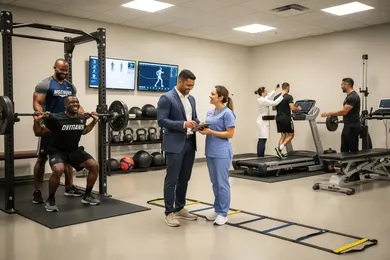
Pre-graduate occupational therapy-related jobs for exercise science students also include rehabilitation aide roles, which primarily support therapy logistics but offer limited patient-facing experience, and voluntary positions in developmental and adaptive physical education that build observational insight without formal certification or pay.
Deciding between these pathways involves weighing compensated clinical experience against the value of unpaid school-based roles that foster professional networks and contextual understanding.
The Bureau of Labor Statistics projects a 14% growth rate for occupational therapists by 2034, with around 10,200 annual openings, making these early-career school-oriented positions strategically significant. For students considering flexible academic options while pursuing this route, a sports science degree online may align well with such career objectives.
How does an exercise science degree prepare you for occupational therapy programs?
An exercise science degree provides a strong biological and biomechanical foundation that aligns well with core occupational therapy (OT) competencies, particularly in human anatomy and kinesiology. This scientific base accelerates learning within OT programs by allowing students to quickly grasp movement analysis and patient rehabilitation techniques.
For those evaluating the exercise science degree benefits for occupational therapy programs, this alignment can significantly reduce the initial adjustment period in graduate studies. However, prospective students must recognize that psychosocial and developmental theories central to OT are less emphasized, necessitating supplemental coursework or clinical experience to close this knowledge gap.
From a practical standpoint, exercise science prepares students for occupational therapy careers not only by enhancing understanding of physical function but also by developing data interpretation skills crucial for evidence-based therapeutic decisions.
Occupational therapists rely heavily on standardized assessments-skills nurtured during exercise science training-to customize patient interventions effectively. To leverage this advantage fully, candidates should seek opportunities such as certifications or internships that blend interdisciplinary knowledge and build client communication capabilities.
Financially, the median annual wage for occupational therapists was $98,340 in May 2024, offering a compelling incentive for those weighing the investment of time and cost in OT graduate programs versus remaining in exercise science roles with narrower clinical scope.
Students considering a pivot often use related pathways such as an online sports management bachelor's degree to diversify their expertise and career options within health sciences.
What education, GPA, and prerequisite courses do you need for OT school admission?
Admission to occupational therapy (OT) school demands more than a baseline GPA of 3.0 to 3.5; competitive programs frequently set a higher standard near 3.5. Prerequisite courses such as human anatomy, physiology, biology, psychology, and statistics form the core foundation not only for clinical reasoning but also for subsequent credentialing.
Exercise Science graduates must critically assess how their previous coursework aligns with these prerequisites to avoid redundant classwork, a common yet costly pitfall. Practical barriers often arise as candidates juggle completing prerequisites while gaining relevant clinical or volunteer experience, which admissions panels weigh heavily.
With 470 accredited OT programs nationwide, the landscape is robust yet selective. Applicants with marginal GPAs or incomplete prerequisites face intensified hurdles, often requiring targeted course plans combined with documented patient care experience to remain viable. Unlike many educational pathways, OT admissions prioritize practical exposure within clinical settings over sole GPA metrics, reflecting employer demands for field readiness.
Strategically, selecting prerequisites that fulfill both graduate admission and post-graduate certification requirements minimizes time and expense. This dual-purpose approach offsets the demands of full-time employment or family commitments. Candidates must communicate directly with programs to clarify specific prerequisites, including nuances like upper-division science or psychology subfields.
For those transitioning within Exercise Science, this pathway may require additional science credits or supervised fieldwork. Preparing for standardized tests, where applicable, is also part of the process. In parallel, understanding how prerequisite courses required for occupational therapy school admission compare with other disciplines-such as evaluating if is library science a good degree fits one's career goals-can help clarify priorities.
Which entry-level jobs and internships help build competitive OT school experience?
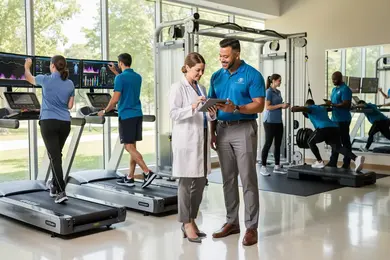
Gaining meaningful clinical experience before occupational therapy school demands a strategic balance of roles that develop both patient interaction and technical proficiency. Entry-level positions such as occupational therapy aides or rehabilitation technician assistants in outpatient clinics or long-term care environments provide essential hands-on exposure. These roles sharpen communication and foundational intervention skills that admission committees specifically value.
However, selecting the best jobs to gain experience for occupational therapy school requires evaluating settings for specialty alignment and direct therapeutic involvement.
Volunteer opportunities can supplement paid roles, particularly in pediatric hospitals or neurological rehab centers, but candidates must ensure these offer substantive clinical shadowing rather than peripheral administrative tasks.
Internships linked to accredited healthcare providers specializing in physical medicine afford structured learning and mentorship beyond observational hours alone. For instance, an OT aide in a stroke rehabilitation unit typically gains deeper insight into adaptive equipment and multidisciplinary collaboration than one in a general nursing home.
Combining paid entry-level OT aide positions with volunteer shadowing optimizes both time and financial investment, a critical consideration given that OT Potential reports about 23,000 students are currently enrolled in OT programs, signaling intense competition and ongoing demand. Documenting detailed supervisor evaluations and maintaining clinical hour logbooks with rigor is crucial; insufficient documentation can delay admission despite quality experience.
Prospective candidates searching for entry-level occupational therapy internships near me should prioritize opportunities offering measurable patient contact and clinical responsibility. This approach strengthens applications by providing verifiable therapeutic skills alongside frequent patient interaction.
For those interested in related fields, considering the financial and career implications of various educational pathways can inform decisions. For example, a data scientist degree offers a contrasting labor market profile, underlining the importance of aligning experiential training with long-term employability.
How do online exercise science programs compare to campus-based options for OT pathways?
Online exercise science programs offer flexibility for employed adults but impose significant logistical challenges that affect licensure timelines and employer perceptions. Unlike campus-based programs, which integrate supervised clinical placements directly into curricula, online learners must independently secure local clinical hours that satisfy state board requirements. This extra coordination often delays graduation and complicates job readiness.
Employers in healthcare prioritize candidates with verifiable, hands-on clinical experience. The lack of immersive practical exposure in online formats can generate skepticism despite strong theoretical grounding. For instance, a working professional in a metropolitan area must confirm the availability of approved clinical sites before enrolling; failure to do so risks extended education duration and weaker employment prospects.
Other key tradeoffs include:
- Online programs primarily use virtual simulations, which cannot fully substitute in-person clinical training.
- Campus students benefit from established fieldwork pipelines, accelerating credentialing.
- Hidden costs for online students often arise from travel to off-site clinicals and potential delays in completing required hours.
Economic payoff remains favorable: Beaming Health estimates approximately $10.80 return per dollar spent on occupational therapy education across modes. However, online students must weigh upfront flexibility against potentially prolonged pathways to licensure and employer confidence.

What accreditation should exercise science programs have to support future OT licensure?
Prospective occupational therapists who pursue exercise science without ACOTE accreditation face significant hurdles in licensure and graduate admission. ACOTE accreditation is essential because it certifies programs meet national requirements for occupational therapist registration and NBCOT exam eligibility. Without it, graduates risk having their coursework rejected, delaying progress by months or years.
For example, a candidate entering a master's OT program after completing a non-ACOTE exercise science degree may encounter denied credits or need extra classes, extending their timeline and costs. While CAAHEP-accredited programs provide some pathways, students must rigorously verify articulation agreements to ensure prerequisites align.
Employers, particularly in school districts, increasingly demand clear accreditation evidence amid a 24% workforce increase in OT roles over the past decade, which sharpens competition. Early confirmation of program status on the ACOTE website and alignment with state licensure requirements can prevent costly setbacks. Key practical steps include:
- Prioritizing ACOTE-approved programs when targeting school-based OT roles
- Confirming graduate program prerequisites before committing
- Aligning undergraduate coursework strategically to bypass additional prerequisites
Proactive preparation is critical to avoid delays and to position oneself competitively for certification and employment in evolving OT job markets.
What core exercise science coursework is most valuable for OT-focused students?
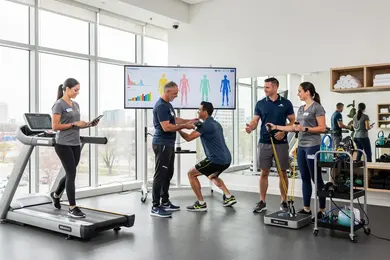
The foundational exercise science coursework for occupational therapy (OT) aspirants must extend beyond theory to address practical workforce demands, particularly in outpatient and neurological rehabilitation contexts. Core subjects like biomechanics, kinesiology, and human physiology are indispensable for safely guiding postoperative orthopedic patients and tailoring interventions that meet rigorous employer expectations.
Neuroanatomy and motor control are critical areas that directly influence clinical decision-making in neurological OT cases involving conditions such as stroke or Parkinson's disease. Professionals who command these areas demonstrate enhanced reasoning skills in adaptive equipment selection and motor retraining, differentiating themselves in competitive hiring pools.
Cardiopulmonary physiology's role often gets underestimated despite its direct connection to managing chronic illnesses prevalent in home health and long-term care sectors. Understanding oxygen transport limitations informs safe, effective treatment plans aligned with patient endurance.
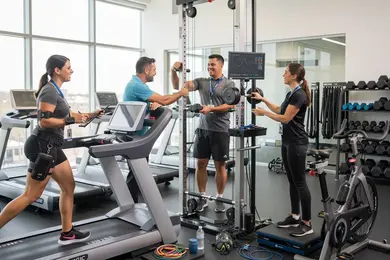
Students must also prioritize applied exercise prescription within rehabilitation frameworks, integrating clinical labs and functional assessments to reflect real-world OT demands. Without these practical competencies, adaptation to workplace workflows and meeting employer competency standards becomes significantly more difficult.
- Biomechanics anchors safe movement analysis for orthopedic cases
- Neuroanatomy supports targeted motor control interventions
- Cardiopulmonary insight guides chronic disease management strategies
- Applied prescription skills translate theory into patient-specific programs
Demand projections from Beaming Health estimate over 25,000 OT workforce shifts annually, amplifying the need for exercise science expertise grounded in clinical relevance. This underscores the operational tradeoff between superficial coursework and targeted preparation aligned with employer benchmarks.
What are typical program length, tuition costs, and financial aid options in exercise science?
Choosing an exercise science program requires balancing program length, tuition expenses, and targeted employment outcomes, especially for those aiming at occupational therapy roles in school environments. While public institutions offer in-state tuition between $8,000 and $15,000 annually, private colleges may exceed $30,000 per year, excluding substantial living costs often ranging from $10,000 to $15,000.
Lower tuition does not always deliver relevant clinical experiences; many public programs lack specialized school-based practicum opportunities crucial for direct entry into educational settings.
Nearly one-fifth of occupational therapists work in schools, making program placement affiliations a decisive factor for readiness and employability. A private program's higher cost may be offset by immersive practicum rotations aligned with school settings, accelerating workforce integration and reducing time to employment. Conversely, choosing a program solely on affordability might delay career entry due to missing this focused exposure.
To ease financial burdens, students should pursue federal aid-such as Pell Grants, subsidized loans, and work-study-and investigate scholarships targeted to exercise science. Early alignment with employer tuition reimbursement or part-time enrollment can further mitigate debt without sacrificing program quality.
The practical impact of these choices extends beyond tuition: it affects how quickly graduates meet employer expectations within specialized occupational therapy roles in schools, emphasizing the need for strategic program selection grounded in workforce realities.
What salaries and advancement opportunities exist in OT-related roles before grad school?
Pre-graduate occupational therapy roles typically offer limited salary growth and autonomy without strategic credentialing or graduate education. Salaries generally range from $35,000 to $55,000 annually, influenced by geography, work setting, and credential level. Positions such as occupational therapy assistants (OTAs) or rehabilitation aides provide important entry points but hit a wage and responsibility ceiling absent further qualifications.
For example, a bachelor's graduate in Exercise Science pursuing school-based OT work must anticipate starting in supervised roles with constrained decision-making and moderate pay. However, targeted certifications in assistive technology or pediatric school-based OT can increase earning potential and open paths to supervisory responsibilities like program coordinator.
Employers in regulated school environments demand comprehensive understanding of state licensing frameworks, making pre-graduate planning essential. Without meeting these licensing requirements, many roles remain entry-level with stagnant progression. Advancement opportunities frequently require OTA certification or graduate-level degrees, which can boost earnings by up to 25% and enable leadership roles.
Key career planning considerations include:
- Assess state-specific licensing requirements early
- Complete relevant experiential positions to strengthen employability
- Invest in certifications tailored to pediatric or assistive technologies
- Understand limitations of non-licensed roles within education systems
This intentional pathway management distinctly improves salary trajectory and job relevance in school-based occupational therapy settings regulated by state statutes.
How can you evaluate and choose a reputable U.S. exercise science program for OT?
Choosing a U.S. exercise science program for occupational therapy hinges on measurable outcomes, employer recognition, and adaptability to current healthcare demands. Accreditation by bodies like CAAHEP or CAPTE remains a baseline filter; programs lacking this face barriers in graduate certification eligibility and market acceptance. Employment placement rates above 80% within six months signal that a program effectively aligns training with real-world employer needs.
Critically, curriculum must incorporate telehealth and virtual service competencies. With telehealth use in occupational therapy surging 1,000% post-COVID-19 and 62% of practitioners employing virtual care, graduates untrained in these skills risk obsolescence. For example, a candidate aiming for pediatric OT roles in remote communities should prioritize programs offering telehealth practicums to navigate geographic service gaps.
Aside from technical skills, research collaborations with healthcare entities enhance direct exposure to multidisciplinary teams and emerging treatment modalities, which employers increasingly value. Programs embedded in hospital or rehab settings provide this advantage unlike purely academic offerings.
Prospective students must weigh program length and clinical hour requirements against flexibility and time-to-employment. Accelerated paths speed entry to the workforce but may curtail clinical diversity, while longer tracks with expansive practicum demands often yield deeper case experience.
Lastly, faculty expertise in evolving tools like digital assessment and telehealth reflects a program's readiness to prepare students for future occupational therapy landscapes.
Other Things You Should Know About Exercise Science
In 2027, exercise science graduates can consider roles such as rehabilitation aide, physical therapy assistant, or occupational therapy aide. These positions provide valuable hands-on experience in patient care and therapy environments, essential for building a strong foundation before OT graduate study.
Practical experience outweighs research for students targeting OT programs because OT admissions look for hands-on, patient-centered skills that mirror clinical work. Exercise science programs emphasizing internships, volunteer work, or shadowing opportunities build relevant competence more effectively than research-heavy courses. Prioritize programs and experiences that offer direct contact with rehabilitation, pediatrics, or adaptive physical activity settings.
Exercise science programs often have demanding lab work and practicum hours that can limit the time available for OT prerequisite coursework outside the major. Managing time effectively is critical, as some OT prerequisites might not be fully covered by exercise science curricula and require additional courses. Students should plan early to balance major requirements while completing prerequisites, considering summer courses or lighter semester loads to maintain competitive grades.
Focus on safe transfers, infection control, basic documentation, and confidentiality under FERPA and HIPAA. Many districts also expect first aid and CPR certification from the American Red Cross or the American Heart Association before hiring aides who assist with mobility, classroom setup, and supervised therapeutic activities.
References
- Occupational Therapy School Requirements & Prerequisites | USAHS https://www.usa.edu/blog/occupational-therapy-school-requirements/
- How to Get into Occupational Therapy School https://teach.com/online-ed/healthcare-degrees/online-doctorate-occupational-therapy/how-to-get-into-ot-school/
- Occupational Therapy Career Path: Specializations and Advancement https://www.scuhs.edu/otd-article/occupational-therapy-career-path-specializations-and-advancement/
- Exercise Science, BS https://www.belmont.edu/academics/majors-programs/exercise-science/
- How to Become an Occupational Therapist in 2025 https://www.duny.edu/how-to-become-an-occupational-therapist/
- Occupational Therapy: Jobs, Responsibilities, and Salaries https://snapcare.com/articles/occupational-therapy-jobs
- How to Become an Occupational Therapist (2025) • OT Potential https://otpotential.com/blog/become-an-occupational-therapist
- Exploring Careers in Health and Exercise Sciences: From Personal Training to Public Health - UNCF https://uncf.org/the-latest/a-gym-centered-career-apply-your-knowledge-with-health-and-exercise-sciences
- 7 Steps to Get Into Occupational Therapy School - myotspot.com https://www.myotspot.com/get-into-occupational-therapy-school/
- Online Exercise Science Degrees: Top School Review https://www.edumed.org/online-schools/exercise-science-degrees/