2027 Online Exercise Science Degrees With Fitness and Wellness Career Alignment

Co-Founder and Chief Data Scientist
Professionals seeking to pivot or advance in exercise science face a critical hurdle: balancing rigorous coursework with full-time employment or family commitments. The shift toward online programs has grown rapidly, with the National Center for Education Statistics reporting a 15% increase in adult learner enrollment in online degrees since 2023. This reflects a significant realignment in higher education access, prioritizing flexibility without compromising credential credibility.
However, not all online exercise science degrees align equally with fitness and wellness career pathways, complicating decisions for those targeting licensed or specialized roles. This article evaluates current online exercise science degrees focusing on their practical career alignment and accessibility for working adults.
Key Things You Should Know
- Degrees emphasizing fitness and wellness certifications face tradeoffs with fewer research components, lowering eligibility for clinical roles but aligning with a 7% workforce growth driven by preventive health employer demand per BLS 2024.
- Employers increasingly prefer candidates with integrated wellness coaching skills, with 62% of surveyed health systems in 2024 ranking interdisciplinary fitness expertise as a hiring priority, reshaping credential requirements.
- Online programs with accelerated tracks average 30% lower tuition-related debt but require compressed practicum schedules, constraining part-time workers' ability to balance clinical hours vital for licensure pathways.
What is an online exercise science degree and how does it prepare you for fitness and wellness careers?
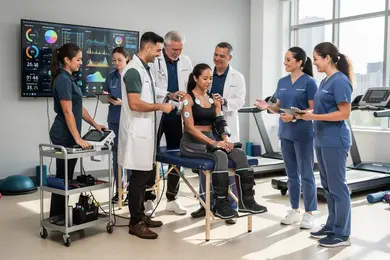
Graduates pursuing online exercise science degree programs for fitness careers must navigate a balance between theoretical knowledge and essential hands-on clinical experience. While virtual labs and remote practicums develop skills in human physiology, biomechanics, and exercise prescription, employers and certifying bodies typically require supervised, in-person clinical placements to validate applied competencies.
This gap can delay or complicate credentialing, particularly for candidates seeking roles in physical therapy assistance or exercise physiology.
This degree prepares you for wellness jobs by teaching data interpretation, behavior change theories, and condition-specific interventions, demonstrated when a corporate wellness specialist designs fitness initiatives that reduce employee healthcare costs or when an exercise physiologist monitors cardiovascular patients' metabolic responses.
These practical applications underscore the importance of choosing programs that offer robust clinical placement support and align with certifications like ACSM or NASM.
Employment for exercise physiologists is forecasted to grow 10.4% from 2023 to 2033, outpacing average job growth trends, with average wages around $59,620 in 2024, reflecting sustainable labor market demand for scientific fitness expertise within health and wellness sectors.
Prospective students should evaluate program accreditation and real-world readiness carefully. For those seeking detailed rankings and analysis of the best online exercise science degree, this resource provides focused guidance on programs geared toward measurable employability outcomes.
Are online exercise science degrees respected like campus programs for fitness and wellness roles?
An online exercise science degree can carry equal weight to campus programs in fitness and wellness careers if it is properly accredited and paired with industry-recognized certifications. Employers focus more on credentials verified by credentialing bodies and demonstrable practical experience than on whether the degree was earned online or on-campus.
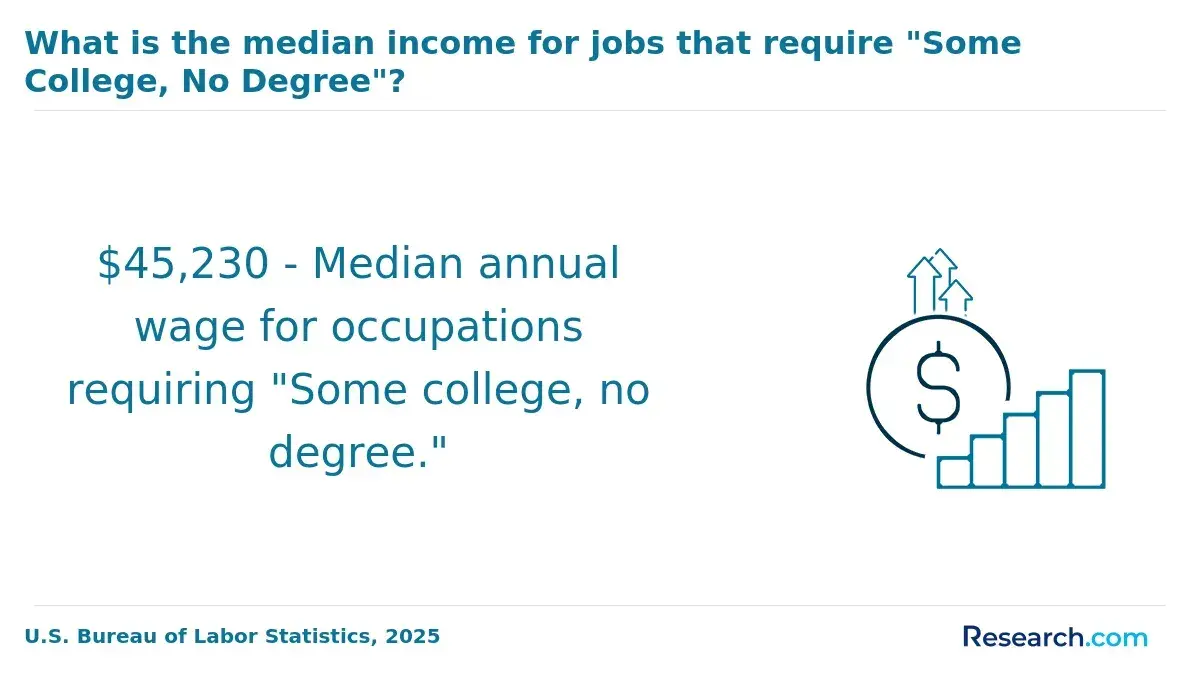
For example, fitness trainers and instructors command an average annual salary around $44,190, according to the U.S. Bureau of Labor Statistics, with a projected job growth of 14% from 2023 to 2033, indicative of broad sector demand.
However, a key challenge for online students is securing local practicums or internships to develop essential hands-on skills, which are critical for workforce readiness. Campus programs often integrate these components seamlessly, while online students must proactively coordinate with advisors and fitness providers to fulfill this requirement.
This distinction is especially important in clinical or hospital wellness roles, where in-person supervision and safety protocols necessitate documented practical training.
Community fitness centers and corporate wellness employers increasingly accept graduates from online exercise science programs accredited for health and wellness jobs, provided certifications like NASM or ACSM accompany the degree. Those targeting advanced positions such as rehabilitation specialists should verify if their program offers lab work or research opportunities, as these typically remain more accessible through traditional campus routes.
Students must weigh these factors carefully and ensure their degree path aligns with both employer expectations and their intended job environment. Additional insight into related pathways and comparative program timelines can be found by exploring online sports degrees.
How do you choose an accredited online exercise science program that meets industry standards?
Accredited online exercise science programs with fitness certification must prioritize recognized accreditation bodies like CAAHEP or NSCA to meet industry standards and uphold essential curriculum quality. Practical experience remains a non-negotiable hiring criterion; therefore, programs requiring internships or client interactions should confirm these components are accessible remotely.
For example, a candidate aiming for collegiate strength and conditioning roles benefits from courses offering specialized modules alongside verified placements with sports teams, aligning educational content with real-world workforce demands.
Employment data indicate that roughly 72% of graduates with recreation and fitness-related degrees work in their trained fields, underscoring the importance of program transparency around graduate outcomes. Students should investigate published employment rates and certification pathways, such as ACSM or NASM exam success, to avoid programs that overlook alignment with employer expectations or industry credentials.
Flexibility in course delivery affects long-term skill retention and professional networking, with balanced synchronous and asynchronous formats generally preferred. Additionally, cost and time-to-completion factors disrupt many working professionals' schedules; programs offering credit transfers or accelerated tracks ease these barriers.
Prospective students weighing options might also examine if employers in target sectors prioritize particular academic pedigrees, which sometimes matter more than holding a generic degree. For those exploring other academic routes, master's in library science offer a contrasting model worth comparing for career impact.
What are the typical admission requirements for online exercise science bachelor's and master's programs?
Admission to online exercise science degree programs often presents tradeoffs that shape student outcomes and employability. At the bachelor's level, programs typically require a completed secondary education with a GPA of at least 2.5, alongside coursework in biology, chemistry, and introductory physics, aligning admissions with foundational science competence.
Some applicants face the challenge of balancing remedial classes if prerequisites are unmet, which may extend time to graduation and affect practical readiness.
Master's programs demand deeper academic preparation, usually requiring a related bachelor's degree, a minimum GPA near 3.0, and demonstrated intent through letters of recommendation and a statement of purpose.
Risks arise from GRE requirements-still present in some programs-adding barriers that multiple institutions are moving away from to broaden access. Clinical experience mandates complicate purely online formats, requiring local internships or lab arrangements that can be difficult for distant students, impacting the fitness and wellness program entry criteria and overall timeline.
From an employer perspective, graduates with verified hands-on experience and credentials aligned with state licensure hold a marked advantage in healthcare and sports performance roles. Studies tracking Australian graduates found 92% employment within six months and over 80% career satisfaction, which echoes in U.S. contexts where practical components heavily influence workforce integration.
Students considering specialized trajectories might explore pathways such as accelerated MSN Psychiatric NP programs to pivot within allied health fields, complementing their exercise science foundation.
How do online exercise science programs differ from campus options in format, labs, and hands-on training?
Choosing between online and campus-based exercise science programs involves critical tradeoffs that directly affect skill development and employability. Online programs prioritize flexibility but rely on virtual labs and asynchronous assignments, limiting real-time access to specialized equipment and hands-on supervision essential for mastering kinesthetic competencies.
For example, a student aiming to become a clinical exercise specialist must secure supervised practical experience beyond virtual simulations to meet credentialing standards and employer expectations.
Campus programs provide immediate interaction with exercise physiology labs and biomechanics tools, allowing direct feedback during assessments, which accelerates proficiency in movement analysis and strength conditioning. Conversely, online students often must independently arrange off-campus internships or fieldwork, demanding strong self-management and networking abilities. This decentralization can delay practical skill acquisition and complicate verification of applied experience.
Employers in exercise-related sectors, projected by NutritionED's 2026 guide to grow 6-14% through 2032, increasingly value candidates who demonstrate verified applied skills through rigorous externships or hybrid training models. Prospective students should therefore:
- Assess the availability of synchronous labs or hybrid formats within online programs
- Plan early for immersive field placements to align with workforce requirements
- Balance scheduling flexibility against the necessity of hands-on training
This pragmatic approach better positions graduates to meet evolving labor market demands where practical proficiency remains non-negotiable despite the appeal of remote learning.
What core courses and specializations are included in online exercise science curricula?
Programs in exercise science that omit applied practicum components risk leaving graduates without the hands-on experience employers demand, particularly in clinical or fitness center settings. This gap often results in extended job search periods or the necessity for supplementary certification.
Practical training alongside rigorous coursework in anatomy, physiology, kinesiology, and biomechanics equips students to interpret physiological responses and nutritional impacts within performance contexts.
Specializations such as strength and conditioning or clinical exercise physiology directly influence employability by aligning with distinct workforce needs. For instance, strength and conditioning specialization suits roles optimizing athlete performance in sports or private training, whereas clinical exercise physiology prepares graduates for rehabilitation roles within healthcare environments.
Career changers benefit most from curricula aligned with recognized certifications like ACSM or NSCA, as these streamline entry into the workforce by reducing credentialing delays. Without such alignment, students may face additional barriers and delayed employment.
Calvin University's summary of BLS data projects an increase of more than 59,000 exercise science-related jobs by 2029, with a premium on candidates adept in both physiological science and client engagement. This employment growth signals a labor market favoring applicants who merge STEM knowledge with practical skills, challenging programs to balance theoretical and experiential learning effectively.
How long do online exercise science degrees take, and what do they cost compared to campus study?
Online exercise science degrees demand a careful balance between time investment, cost, and practical experience. Bachelor's programs typically extend four years, while accelerated associate options may compress down to two years, with master's degrees requiring 1.5 to 3 years depending on specialization and certification alignment.
Students pursuing these pathways online face the challenge of self-directed learning without direct campus support, which can affect engagement and access to essential hands-on training.
Costs vary notably: public institutions offer in-state online tuition ranging from $7,000 to $15,000 annually, whereas private universities often exceed $20,000 per year. While campus attendance incurs additional expenses such as housing and commuting, it also facilitates onsite labs and internships-a significant advantage in securing employment.
Employers prioritize graduates with programs that prepare them for national certification, especially at the master's level, as these credentials strongly correlate with job placement within 6 to 12 months. The University of Cincinnati projects a 10% job growth for exercise physiologists through 2033, with a median 2024 wage near $58,160, reflecting stable demand.
Professionals switching careers should weigh the tradeoff between faster online master's completion and the networking advantages of campus programs. Securing quality internships remains essential regardless of format, and those considering online routes must confirm curricula meet national certification standards to maintain workforce competitiveness.
- Degree duration ranges from 2 to 4 years for undergraduate programs and 1.5 to 3 years for advanced degrees.
- Online tuition costs vary widely, with public and private institutions differing substantially.
- Practical clinical placements are critical for achieving similar employability outcomes as on-campus options.
What fitness, wellness, and sports-related careers can you pursue with an online exercise science degree?
The decision to pursue an online exercise science degree must factor in the concrete realities of credentialing and employment pathways, as the degree alone rarely suffices for many roles in the fitness and rehabilitation sectors.
For instance, becoming a licensed athletic trainer typically demands additional certification and supervised clinical experience not always integrated into online programs. Alternatively, roles such as recreational therapists offer more immediate employment opportunities post-graduation, particularly in rehabilitation or senior care settings, with median salaries around $65,350 and moderate job growth projections.
Graduates aiming for fitness trainer or wellness coach positions should anticipate layering professional certifications like ACSM or NASM atop their academic credentials. These certifications translate scientific knowledge of biomechanics and behavioral health into practical client-facing skills.
Meanwhile, strength and conditioning specialists need expertise in interpreting physiological data to target athletic performance-a specialization that often requires experience within collegiate or professional sports contexts.
Choosing a specialization hinges on evaluating local job markets, required clinical hours, and internship availability. Many exercise science careers intersect with allied health disciplines, offering pathways to graduate programs in physical or occupational therapy, which expand employability but also extend time and financial investment.
- Certification requirements vary significantly by role and region.
- Practical experience through internships enhances job readiness.
- Career outcomes often depend on strategic credential stacking rather than the degree alone.
What certifications or licenses align with exercise science degrees in fitness and wellness fields?
Certifications and licenses aligned with exercise science degrees distinctly shape job prospects by signaling specialized competencies demanded across fitness, clinical, and rehabilitative roles.
Employers in arenas like collegiate athletics or physical therapy explicitly require certifications such as Certified Strength and Conditioning Specialist (CSCS) and Certified Clinical Exercise Physiologist (CEP) to ensure candidates possess advanced skills in performance evaluation, injury prevention, and clinical exercise protocols.
Without these credentials, graduates often encounter restricted opportunities or reliance on less formal training, delaying meaningful workforce integration.
For example, an aspiring strength coach must allocate several months to prepare for the CSCS exam while concurrently managing CPR/AED renewals-an ongoing certification baseline. Variability in state licensure for clinical roles adds complexity, necessitating careful verification of local medical clearance requirements to maintain compliant practice.
- Personal trainers and wellness coaches typically need Certified Personal Trainer (CPT) credentials plus CPR/AED certification.
- Elite strength and conditioning positions usually mandate CSCS certification.
- Clinical exercise professionals require CEP or Board Certified Clinical Exercise Physiologist (BCCEP) designations coupled with relevant state licenses.
- Nutrition advising often demands supplemental credentials such as the Certified Nutrition Specialist (CNS).
The U.S. Bureau of Labor Statistics projects an 8.8% growth in coaching and scouting roles alongside an average salary around $58,910, emphasizing demand for certified expertise. Candidates must balance exam costs and preparation time against this opportunity while strategically selecting credentials aligned with their target employment domain.
What salary ranges and job outlook can exercise science graduates expect in fitness and wellness careers?
Entry-level salaries for exercise science graduates in fitness and wellness typically fall between $40,000 and $55,000 annually, increasing to a median range of $60,000-$75,000 after 3 to 5 years of experience.
These figures vary notably based on employer type and location; for instance, clinical environments usually offer higher pay than community fitness centers due to the demand for specialized, evidence-based skills. This wage disparity illustrates the practical tradeoff between faster entry into the workforce and potential long-term earnings tied to sector and credential depth.
Many employers expect candidates to hold a 4-year bachelor's degree plus 3-6 months of certification. This timeline contrasts with allied health fields where entry often requires longer postgraduate education, underscoring exercise science's relatively swift path to employment and income. Graduates who promptly pursue certification reduce career downtime and improve early salary traction.
To advance beyond initial pay brackets, professionals often pursue certifications in areas such as clinical exercise physiology or strength and conditioning, which can raise salaries by 10% to 20%. Roles in corporate wellness or rehabilitation settings pay more but typically require additional credentials or experience, reflecting increased complexity and responsibility.
Projected job growth at 13% through 2030 exceeds many other occupations, yet urban market saturation limits rapid salary increases, compelling graduates to invest in networking and skill upkeep. These workforce dynamics emphasize the need for strategic career planning beyond degree acquisition.
Other Things You Should Know About Exercise Science
Programs that include training on fitness technology, such as wearable devices and data analytics platforms, better prepare students for current employer demands. Many fitness and wellness employers value graduates who can interpret client data to customize programs effectively. Prioritizing programs with hands-on technology components improves job readiness and differentiates candidates in a crowded market.
Programs should teach students to use wearable trackers, heart-rate monitors, workout apps, and basic data-analysis tools. Many employers also expect familiarity with telehealth platforms, electronic records, and client progress tracking software. These skills support coaching, wellness programming, and fitness assessment in 2027.
Many students pursuing online exercise science degrees work full-time, which makes program flexibility crucial. Programs with asynchronous coursework help accommodate varied schedules but may increase self-discipline demands and reduce real-time instructor access. Prioritize programs that offer a balance of flexibility with scheduled engagement opportunities to sustain motivation and effectively manage workload.
References
- Home Health Foundation - Family of Agencies https://merrimackvalleyhospice.org/online-exercise-science-degree-careers-supporting-movement
- Exercise Science Degree Programs & Career Guide 2025 https://www.nutritioned.org/exercise-science-degree/
- Exercise Sciences https://www.caahep.org/committees-on-accreditation/exercise-science
- The Best Education Pathway for Success in the Fitness Industry - IDEA Health & Fitness Association https://www.ideafit.com/the-best-education-for-success-in-the-fitness-industry/
- Online Exercise Science Degrees: Top School Review https://www.edumed.org/online-schools/exercise-science-degrees/
- Best Online Master's Programs in Exercise Science https://www.onlineu.com/degrees/masters-exercise-science
- Careers in Exercise Science – Jobs, Salaries, and Growth Opportunities https://www.pickmyuni.com/student-resources/careers-in-exercise-science-123
- Online Exercise Science Program https://stmary.edu/online-programs/exercise-science.html
- Exercise Science Degree Careers, Jobs and Salaries - Peak Physical Therapy and Sports Performance https://peaktherapy.com/blog/exercise-science-degree-careers-jobs-and-salaries/
- Exercise Science Degree Programs Lead to Rewarding Careers in Health and Fitness https://www.carrollcc.edu/articles/exercise-science-degree-programs-lead-to-rewarding-careers-in-health-and-fitness/