2027 Online Exercise Science Degrees for Exercise Physiologist Roles

Co-Founder and Chief Data Scientist
Aspiring exercise physiologists often confront timing and access barriers when pursuing degrees aligned with their career goals. Traditional campus programs can clash with professional or personal obligations, delaying entry into a workforce sector projected to grow 11% by 2032 according to the U. S. Bureau of Labor Statistics.
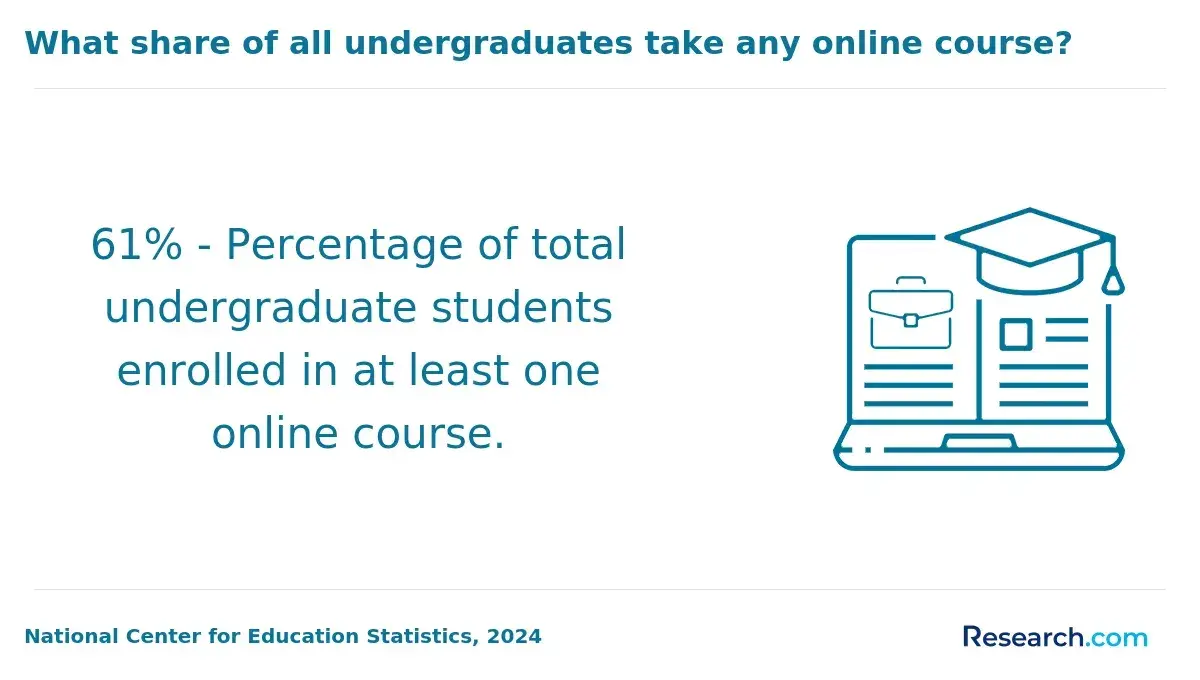
This expansion coincides with rising demand for flexible education models, as nearly 45% of undergraduates now favor online formats, per the National Center for Education Statistics. Understanding these dynamics is essential for selecting programs that balance rigor, clinical exposure, and credential validity. This article evaluates online exercise science degrees specifically designed to meet these pragmatic constraints and career advancement needs.
Key Things You Should Know
- Exercise science online degrees often lack in-person lab components, reducing hands-on skill acquisition; employers in clinical settings report 28% lower preference for graduates without demonstrable practical experience, impacting job readiness.
- Healthcare providers increasingly demand certifications aligned with functional capacity evaluations and cardiac rehabilitation, yet only 34% of online programs integrate these, creating a credential gap that shapes hiring eligibility.
- Median tuition costs for accredited online exercise science bachelor's programs increased 12% since 2022, per NCES data, driving longer debt repayment periods and influencing timing for career pivot candidates balancing financial constraints.
What is an online exercise science degree and how does it prepare exercise physiologists?
Pursuing an online exercise science degree programs for exercise physiologists demands careful scrutiny of how well these programs integrate practical skill development with theoretical knowledge. While virtual coursework in human anatomy, physiology, and biomechanics offers flexibility, securing sufficient hands-on experience is essential to meet certification standards like the ACSM Exercise Physiologist credential and satisfy employer expectations.
Graduates without direct clinical placements or internships risk underperforming in complex real-world scenarios such as customizing regimens in cardiac rehabilitation.
The curriculum must also encompass applied competencies in data analysis, chronic disease management, and client communication to remain aligned with workforce realities. Employers now expect exercise physiologists to implement evidence-based fitness and rehabilitation protocols across healthcare, corporate wellness, and sports domains.
The projected 9% employment growth from 2022 to 2032 highlights demand but also intensifies competition, pushing candidates to demonstrate measurable outcomes alongside academic credentials.
Students should weigh state licensure and certification timelines against program designs that support seamless credentialing without significant delay or unplanned costs. Programs embedding local practicum partnerships or utilizing current health technologies are better positioned to bridge online learning with employer requirements. Evaluating these factors is critical for those assessing how an online exercise science degree prepares exercise physiologist careers.
For perspective on allied professions, exploring sports analytics jobs can offer insight into adjacent fields where data interpretation and health science intersect.
What education and training do you need to become an exercise physiologist?
Securing a role as an exercise physiologist hinges on meeting rigorous educational and certification benchmarks that shape employability and earning potential. A bachelor's degree in exercise science, kinesiology, or closely related fields is the baseline, with hands-on clinical experience through internships or practicums being non-negotiable for both employers and certification bodies.
Without these, job access-particularly in specialized environments like cardiac rehabilitation-can be severely limited.
For those considering online exercise science degree programs for exercise physiologist careers, flexibility in coursework must be weighed against the necessity of arranging local clinical hours independently, as remote formats cannot fulfill these critical certification prerequisites. This gap often requires proactive planning to avoid delays in licensure and employment.
Employers in hospital-based cardiac rehab settings typically require advanced certifications from recognized bodies such as the American Society of Exercise Physiologists or registration with the American College of Sports Medicine, which further entail continuing education and passing standardized exams. Conversely, roles in wellness sectors may accept broader qualifications but generally offer lower compensation.
Anticipate a three- to four-year commitment to meet education and certification milestones, with median annual wages around $58,160 and upper-tier professionals earning $80,000 or more according to the U.S. Bureau of Labor Statistics.
Prospective students should focus on accredited exercise science education and training in the United States that integrate certification pathways and regional licensure standards upfront. Strategic program selection mitigates risks of delayed employment and aligns outcomes with targeted workforce segments.
Those evaluating degree options might also consider related fields; for deeper insight on alternative paths, visit what can you do with an environmental science degree.
How do online exercise science degrees compare to campus-based programs for this career?
The critical tradeoff between online exercise science degrees and campus programs lies in clinical training access. While online programs offer theoretical parity, they often lack readily accessible hands-on clinical experiences essential for exercise physiologist roles, especially in cardiac rehabilitation or clinical exercise testing environments.
By the 2025-2026 academic year, 37 applied sport physiology programs worldwide had integrated some form of online delivery, reflecting shifting educational models but not fully resolving practical skill acquisition challenges.
Campus-based curricula provide systematic supervised labs and specialized equipment use, whereas online students must typically seek local internships or hybrid residencies independently.
This creates a significant barrier for remote learners without metropolitan proximity or professional networks, impacting employability in hospitals and sports clinics prioritizing demonstrable clinical competence. Those comparing online and traditional exercise science education for physiologist careers should weigh these experiential gaps against flexibility needs.
Online degree pathways can benefit working professionals or career changers who already possess foundational practical experience. However, graduates without embedded in-person practicums often face extended post-graduation timelines to secure clinical credentials valued by employers.
Real-world hiring trends consistently favor candidates with accredited online degrees only when accompanied by verifiable clinical hours; fully virtual graduates lacking this will likely encounter longer job searches and narrower role eligibility.
Key considerations include:
- The necessity to proactively secure quality clinical placements for online students
- Employer preference for hands-on skills that online formats may not inherently provide
- Potential delays in workforce entry without practical residencies embedded in the curriculum
- Suitability of online programs primarily for those with prior applied experience or flexible schedules
Prospective students assessing an online exercise science degree vs. campus programs for exercise physiologists should also evaluate cost implications, as financial investment without in-person practicums can increase overall time and expenses. For insights into educational expenses, the computer science cost research page illustrates how affordability factors into selecting online programs in related fields, offering a comparative lens on budgeting educational pathways.
Which accreditation and program approvals should online exercise science degrees have?
Accreditation standards for online exercise science programs are a decisive factor in employability and credential eligibility. Degrees lacking recognition from regional accrediting bodies or specialized endorsements-such as from the Commission on Accreditation of Allied Health Education Programs (CAAHEP) or the American College of Sports Medicine (ACSM)-often preclude graduates from vital certification exams.
For instance, hospitals recruiting exercise physiologists frequently require candidates from CAAHEP-accredited programs to satisfy credentialing mandates related to patient care, especially in clinical rehabilitation settings.
Regional program approvals for exercise physiologist degrees align closely with sector-specific demands. Those aiming for clinical roles should prioritize programs with targeted certification alignment like ACSM's Clinical Exercise Physiologist credential prerequisites.
Without these credentials, access to work in hospital environments or research institutions managing chronic diseases can be severely restricted. In contrast, fitness or wellness-focused career paths may have more flexibility but still benefit from recognized program validity.
Financial considerations are tied to accreditation status since recognized online degrees, charging around $395 to $500 per credit, generally qualify for federal aid and credit transfer. Investing in unaccredited programs risks accumulating costly, nontransferable credits, impacting long-term career growth and certification eligibility. Students evaluating pathways should verify accreditation early and balance cost against program outcomes.
Prospective learners comparing educational options might also consider the shortest online nurse practitioner program for those interested in adjacent health careers offering distinct regulatory and employment profiles.
What courses and hands-on learning are included in online exercise science programs?
Online exercise science programs frequently combine foundational courses in human anatomy, kinesiology, exercise prescription, and biomechanics with applied virtual labs and simulations. Yet, the critical differentiator is access to supervised clinical practicums or internships near the student's location. Without these hands-on experiences, graduates often face challenges meeting licensure requirements or competing in markets where direct patient interaction is a baseline expectation.
For example, a candidate pursuing cardiac rehabilitation roles must accumulate clinical hours in relevant settings like outpatient clinics or hospitals. This practical exposure not only reinforces online theory but ensures proficiency in client evaluation and rehabilitation protocols under professional oversight. Programs lacking structured local practicum pathways risk producing graduates less prepared for credentialing examinations and real-world demands.
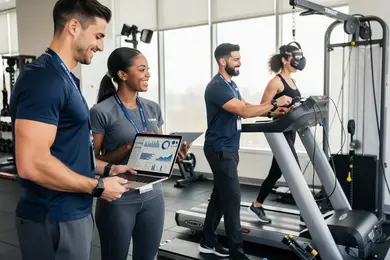
The increasing incorporation of fitness technology-such as heart rate monitors, metabolic analytics, and movement assessment software-reflects employer expectations for data-driven intervention skills. Complementary content in nutrition science and behavior modification strategies prepares completers for multidimensional wellness roles that extend beyond traditional exercise physiology.
Given median annual salaries between $46,000 and $58,000, which exceed the national average by 15-25%, the mix of rigorous scientific curriculum plus demonstrable clinical experience typically translates to sustainable employability. Prospective students should prioritize programs with explicit practicum support and technology integration to mitigate common risks of underpreparedness and credentialing delays.
What are typical admission requirements for online exercise science bachelor's and master's degrees?
A decisive factor for applicants is how admission standards align with their career objectives and background. Bachelor's programs in exercise science generally require a high school diploma with a GPA around 2.5 to 3.0 and standardized test scores where applicable.
Many online options employ holistic reviews, weighing academic records alongside personal statements or recommendations. Foundational coursework in biology, chemistry, and sometimes math reflects the scientific rigor necessary at this level.
For working professionals or transfer students, programs often provide pathways to recognize prior credits, reducing redundancies and time to completion.
In contrast, master's admission demands a completed bachelor's, typically in exercise science or related fields, with GPA expectations near 3.0. Graduate-level applicants frequently submit GRE scores unless waived for relevant experience, alongside transcripts, recommendations, and career-focused statements. Practical experience in fitness or rehabilitation roles significantly enhances candidacy by bridging theory and workforce expectations.
The workforce reality is that growth in fitness trainer and instructor roles, projected to add over 45,000 jobs through 2032 according to CSP Global, places a premium on candidates' readiness to perform early. Specialized trajectories like clinical exercise physiology require more stringent prerequisites and graduate credentials, contrasting with broader bachelor's tracks targeting entry-level fitness roles.
Prospective students must carefully select programs matching their targeted careers to avoid costly delays, unnecessary coursework, or misaligned preparation.
How long do online exercise science degrees take and what do they cost?
Choosing an online exercise science degree requires weighing distinct tradeoffs between program length, cost, and credentialing outcomes. Associate degrees typically take about two years, suitable for those aiming for entry-level roles or a pathway toward further study. Bachelor's degrees require three to four years full-time, though part-time or accelerated options affect timing and workforce entry.
Students targeting certification by organizations like ACSM-supported by over 60,000 active professionals globally-must ensure their curriculum includes both theoretical knowledge and practical competencies. For working adults, the choice between a longer part-time program and shorter full-time enrollment influences immediate employability and income potential.
Costs range from $10,000 to $40,000 annually for undergraduate programs, with public in-state tuition offering the lowest rates. Private or out-of-state options can nearly double expenses. Additional fees for certification exams, textbooks, and clinical internships also affect the total investment.
Practical decisions hinge on local job market demands and employer expectations, especially regarding clinical experience embedded in online programs. Balancing flexible timelines against timely certification eligibility can mitigate delays in workforce re-entry and affect long-term earning trajectories.
What jobs can graduates of online exercise science programs get in exercise physiology?
Graduates of online exercise science programs face a critical hurdle: fulfilling in-person clinical hour requirements that many employers insist upon, particularly in hospital or rehabilitation settings. Success in securing roles such as clinical exercise physiologist or cardiac rehabilitation specialist depends largely on programs' ability to integrate accredited internships or practicum experiences with local healthcare providers.
Without this practical verification, employability in clinical environments may be severely limited.
The exercise physiologist job market projects roughly 11% growth through 2031, driven by demographic aging and chronic disease management demands. Accelerated online bachelor's programs that enable completion in three years can reduce opportunity costs for students but must still meet comprehensive clinical and content standards to maintain credibility with employers.
For candidates targeting corporate wellness or fitness program coordinator roles, certifications often supplement degrees, with practical skills prioritized over strictly program format. Therefore, aligning education with employer expectations requires evaluating how well a program balances theoretical content with applied clinical training.
Key considerations for prospective students include:
- Verifying if clinical practicum affiliations exist to ease local clinical placement coordination.
- Recognizing that shorter program durations do not exempt candidates from clinical hour mandates.
- Understanding workforce segments valuing certifications alongside degrees, especially outside hospital settings.
These practical tradeoffs influence hiring potential and shape how candidates strategize educational investments in exercise science.
What is the salary outlook and job demand for exercise physiologists in the U.S.?
Job growth for exercise physiologists in the U.S. is projected at 10% over 2022-2032, outpacing most occupations and driven primarily by healthcare and rehabilitation demand. However, compensation varies notably depending on sector, credentials, and location. Clinical roles within metropolitan hospitals typically start at $55,000 to $65,000, with top performers exceeding $97,000, while community or fitness-centered positions may offer $40,000 to $50,000 and limited upward mobility.
Specialization and certifications markedly influence employability and salary trajectory. Programs with applied skill development and targeted credentials-such as ACSM Clinical Exercise Physiologist certification-carry more weight for hospital employment than generalist degrees. For example, an online M.S. in Exercise Science with sport coaching focus, like the 36-credit program at Texas State University costing around $18,017 in tuition, balances affordability with valuable specialization.
Geographic and employer-specific factors profoundly shape opportunities and job security. Candidates must assess these realities against program costs and content when choosing educational pathways. Solid clinical experience paired with appropriate credentials enhances salary growth potential, making strategic credential planning essential for sustained career advancement.
How do licensing and certification work for exercise physiologists after online degrees?
Online exercise science degrees inherently face practical certification and licensure hurdles that require more than just completed coursework. Nearly all U.S. states demand certification from bodies such as the American Society of Exercise Physiologists (ASEP) or the American College of Sports Medicine (ACSM), necessitating a bachelor's degree alongside 400 to 600 hours of supervised clinical experience and a standardized exam-requirements that online programs seldom waive.
Graduates must often secure local, in-person clinical practicums independently, since online programs rarely guarantee these hands-on hours. For example, a working professional in a licensure-mandated state might need to coordinate with nearby hospitals or wellness centers to fulfill supervised clinical hours, a logistical challenge compared to on-campus students with established institutional partnerships.
Employers in clinical and rehabilitation settings typically prioritize candidates holding certifications like ACSM-CEP or ASEP-EP, viewing these as indicators of verified clinical competency beyond academic credentials. By contrast, fitness industry roles may accept bachelor's degrees alone but tend to favor certified professionals for increased advancement opportunities and compensation.
The 2025 data on Future Trends in Online Education and Exercise Physiology Education shows online exercise science enrollments accounting for over 20% of new health-related bachelor's students. This growth increases scrutiny over graduates' clinical readiness and highlights the importance of early coordination around certification exams and local clinical placements to minimize credentialing delays and strengthen employability.
Other Things You Should Know About Exercise Science
Online exercise science programs vary widely in how they handle hands-on training. Programs that do not require local internships may limit your practical skills and employer readiness, reducing your advantage in clinical or fitness settings. Prioritize programs with structured, supervised practicum options arranged locally or through affiliated sites to meet employer expectations and certification standards.
A bachelor's degree suffices for many entry-level exercise physiologist positions, but a master's offers stronger clinical training and often improves job prospects in specialized or medical settings. If you aim for roles in hospitals or rehabilitation, prioritize master's programs with integrated clinical internships. For fitness-focused careers, a bachelor's from a reputable online program is effective and usually more cost- and time-efficient.
Yes, many programs require CPR and AED certification before students begin practicum or clinical placements. The certifying body is usually the American Heart Association or the American Red Cross, and proof must be current before any supervised patient-facing exercise physiology experience starts.
References
- From Student to Clinical Exercise Physiologist With a Degree in Exercise Science https://online.aurora.edu/program-resources/student-to-exercise-physiologist/
- What can I do with an Exercise Science degree? https://www.coloradomesa.edu/iris/explore-majors/what-can-i-do-with-an-exercise-science-degree.html
- Exercise Physiologist Career https://explorehealthcareers.org/careers/sports-medicine/exercise-physiologist/
- ACSM Approval for University Degree Programmes UK ACSM Approval for UK BSc Programmes https://www.hfigroup.com/acsm-approval-for-uk-bsc-programmes/
- Exercise Science Careers: Paths with Degrees https://www.fitnessmentors.com/exercise-science-careers/
- Exercise Physiologist https://acsm.org/certification/get-certified/exercise-physiologist/
- Exercise science program accredited by national organization | Lipscomb University https://lipscomb.edu/news/exercise-science-program-accredited-national-organization
- ESSA's career guide for Accredited Exercise Physiologists https://www.essa.org.au/Web/Web/Resources/Tools-and-templates/ESSA-AEP-Guide.aspx
- Online Exercise Science Program https://stmary.edu/online-programs/exercise-science.html