2027 Human Performance Roles You Can Target With an Exercise Science Degree

Co-Founder and Chief Data Scientist
Graduates with an exercise science degree frequently confront a fragmented job market where specialized roles demand tailored skill sets, yet educational programs vary widely in focus and accessibility. Recent data from the National Center for Education Statistics shows a 24% increase in adult learner enrollment in health-related fields since 2022, signaling a shift toward flexible and career-focused learning paths.
This trend reflects growing learner preference for programs that balance scientific rigor with practical application, impacting how candidates position themselves amid rising employer expectations for interdisciplinary expertise. This article identifies actionable human performance roles aligned with an exercise science degree, clarifying career trajectories that match evolving workforce demands and educational realities.
Key Things You Should Know
- Demand for exercise science graduates in clinical rehabilitation roles rose 8% from 2022 to 2025, yet only 45% secure relevant internships pre-graduation, complicating employer hiring readiness and skill validation.
- Specialization in biomechanics or sports nutrition correlates with 15-20% higher starting salaries but requires navigating fragmented certification landscapes, creating credentialing delays that may delay career entry by 6-12 months.
- Data from the Bureau of Labor Statistics shows accelerated growth in corporate wellness consulting jobs, pressuring candidates to demonstrate advanced data analytics alongside exercise science fundamentals, stressing curricular alignment pressures on educational programs.
What human performance careers can you pursue with an exercise science degree?
Human performance careers for exercise science graduates in the United States demand a strategic balance between academic qualifications, certifications, and practical experience to gain competitive advantage. Strength and conditioning coaches, the most prominent role, require not only a relevant degree but often certifications like CSCS and internships due to high employer expectations and tough entry barriers.
Other top human performance job roles with an exercise science degree US graduates pursue include personal trainers, exercise physiologists, occupational therapist assistants, and biomechanists. Each role involves distinct challenges: personal trainers face intensive competition and turnover, while exercise physiologists may need advanced credentials for clinical responsibilities.
Biomechanists, often working with elite sports teams or military units, combine movement science and data analytics, demanding interdisciplinary skills.
Geographic location heavily influences employment prospects; urban centers with established sports franchises offer greater opportunities but also intensify competition. Understanding workforce dynamics and employer preferences is vital. Practical experience, communication skills, and certifications enhance hiring potential, especially in strength and conditioning fields.
For those evaluating career pivots or advancement in exercise science online degree, recognizing that academic credentials alone rarely guarantee placement is critical. A practical example is noticing how the demand for strength and conditioning coaches is projected to grow by 19% from 2021 to 2031, reflecting both health industry expansion and the role in athlete optimization that the demand for sports analysts plays.
What are the most common human performance job titles for exercise science graduates?
Positions classified under human performance specialist careers for exercise science graduates vary sharply in credential requirements and work environment complexity, influencing employability and long-term career stability.
Exercise physiologists, who represent a significant segment, face a robust job growth projection of 10% from 2022 to 2032 driven by health prevention trends in hospitals and corporate wellness programs. Applicants must weigh this promising demand against typically rigorous academic preparation and clinical exposure.
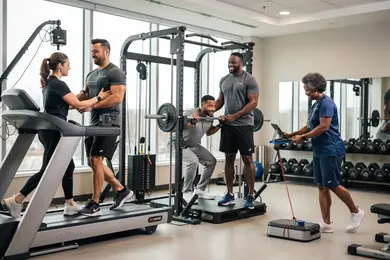
Strength and conditioning specialists serve athletes and military personnel, demanding certifications and hands-on internships. Failure to secure relevant field experience can limit job market access despite a sports-focused education.
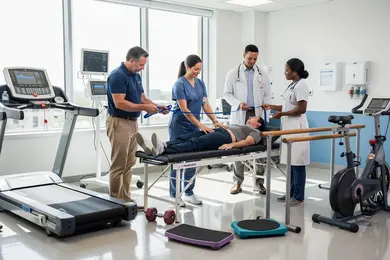
Clinical exercise specialists operate in multidisciplinary healthcare teams managing patients with chronic illnesses. This clinical orientation requires a comprehensive understanding of medical protocols and ongoing professional training.
In contrast, wellness coaches' effectiveness hinges less on technical knowledge and more on soft skills like communication and motivation within community or corporate programs.
Careers as rehabilitation coordinators involve navigating insurance and patient privacy laws, often necessitating additional specialized credentials. Graduates assessing the top job titles in human performance for exercise science professionals should recognize the sector-specific tradeoffs between clinical rigor and interpersonal skill sets.
Those exploring degree options might benefit from programs balancing practical exposure with academic grounding; for a streamlined path, consider reviewing options like a sports management degree online that aligns with applied industry demands.
How does an exercise science degree prepare you for human performance roles?
A human performance career supported by an exercise science degree demands more than academic knowledge; it requires tangible proficiency in applied assessment techniques like VO2 max testing and body composition analysis.
These competencies empower practitioners to develop evidence-based training and rehabilitation programs tailored to specific populations, improving outcomes in settings such as corporate wellness programs where reducing injury risk and boosting productivity are priority goals. Practical experience plays a critical role-students must engage in internships or practicum opportunities to manage complex client needs, including chronic conditions and athletic performance.
Skills developed through an exercise science degree for human performance roles include exercise prescription, injury prevention strategies, and client motivation methods, aligning closely with employer expectations across healthcare, sports, and occupational sectors.
However, the degree alone rarely suffices for competitive employment; industry-recognized certifications are often necessary to bridge this gap. Labor statistics underscore this reality: median pay for fitness trainers was $46,180 as of May 2024, with a 12% job growth projection through 2034, reflecting growing demand but also heightened standards for measurable client success.
Prospective students should weigh program emphases on hands-on training against purely theoretical instruction and consider support for credential acquisition post-graduation. This strategic evaluation is essential to navigate the balance between broad academic foundations and specialized certifications that shape viable human performance careers.
For those exploring complementary fields, an online library science degree offers a distinct skill set and career trajectory worth comparing during educational planning.
What human performance concentration or track should you choose in exercise science?
Career pathways in human performance with an exercise science degree demand deliberate specialization influenced by job market realities and credentialing norms. The best human performance specializations in exercise science include corporate wellness, tactical performance, and lab-based research or clinical roles, each presenting distinct employer expectations and skill profiles.
Corporate wellness roles emphasize health promotion and biometric data literacy, aligned with a projected 10-13% job growth from 2022 to 2032, driven by demand in large employers seeking workforce productivity improvements.
Tactical concentrations focus on injury prevention and readiness assessment for military or first responder environments, requiring tailored programming for high-stress conditions. Lab-based tracks require advanced exercise testing expertise and research acumen, often prioritizing graduate degrees and specialized practicums.
Students must carefully evaluate tradeoffs: a narrow specialization may limit employment flexibility, while broad training risks lacking differentiation in competitive markets. Employers also increasingly expect certifications such as Certified Corporate Wellness Specialist for certain tracks. For a working professional pivoting to corporate wellness, prioritizing programs integrating business and health promotion alongside relevant internships is essential.
Understanding how credential demands and experiential learning environments match your target setting will shape career viability and progression.
For those considering educational investments, it's also relevant to assess costs and options such as what is the cheapest data science course in the US? which may complement human performance knowledge with data analytic skills useful in this field.
What skills and coursework are essential for human performance-focused exercise science students?
Prioritizing applied competencies over theoretical breadth sharply differentiates successful exercise science graduates in clinical and athletic employment sectors. For instance, professionals targeting physical therapy roles must excel in patient evaluation and rehabilitation design, a focus reinforced by hands-on lab practices and an understanding of musculoskeletal pathologies.
Employers increasingly expect precision in functional movement assessments and evidence-based intervention planning, which signal readiness beyond textbook knowledge.
Critical coursework in anatomy, physiology, biomechanics, and motor learning supports versatile career paths but must be supplemented by strong communication and interdisciplinary collaboration skills. Working alongside physicians, coaches, and dietitians demands more than clinical expertise; it requires translating complex data into practical strategies within varied team dynamics.
Students should recognize that course material on statistics and research methods is directly linked to professional adaptability, enabling practitioners to evaluate new studies and tailor interventions to distinct populations. Managing intensive fieldwork and clinical hours concurrently underscores the necessity of robust time management and adaptability, especially when seeking licensure or certifications.
- Certification in CPR, First Aid, and specialized domains such as clinical exercise physiology or strength conditioning significantly improve employability by bridging educational preparation and workplace demands.
- The median annual wage of $97,720 for physical therapists (U.S. Bureau of Labor Statistics, May 2022) reflects the financial viability of pursuing clinical rehabilitation tracks but also entails extensive preparatory coursework and experiential requirements.
Which certifications strengthen your qualifications for human performance positions?
Certification decisions in human performance fields must be strategically aligned with employer demands and realistic career stages. For entry and mid-level roles, industry-respected credentials like Certified Strength and Conditioning Specialist (CSCS) and Certified Exercise Physiologist (CEP) provide essential competency proof, especially in clinical or athletic settings where exercise programming and performance assessment are critical.
Advanced positions-particularly in military, law enforcement, or pro sports-favor credentials such as Certified Performance Technologist (CPT) or Tactical Strength and Conditioning Facilitator (TSAC-F) that emphasize high-stress, data-driven environments.
In Columbus, Ohio, where exercise science roles typically average $46,942 annually with upper ranges approaching $55,100, certifications materially impact hiring and salary benchmarks. Professionals holding multiple certifications often navigate seamlessly between healthcare, corporate wellness, and athletics, enhancing flexibility and wage potential.
However, candidates face clear tradeoffs: some certifications require extensive preparation and ongoing renewals, impacting work-study balance and financial resources. Lack of recognized credentials restricts access to higher-paying roles, underscoring the importance of early, targeted certification planning matched to defined career paths. Prospective students must weigh certification costs against attainable salaries and sector-specific expectations when shaping their educational investment.
- Entry certifications focus on broad, validated performance skills.
- Specialized credentials support roles demanding tactical and data-driven expertise.
- Location-based salary data highlight certification value in local labor markets.
- Renewal requirements and upfront costs affect candidate timelines and options.
Source: salary data from ZipRecruiter
What are typical salary ranges for human performance roles with an exercise science degree?
Salary outcomes in human performance careers tied to an exercise science degree vary sharply based on education, employer type, and location. Master's-level professionals focused on sports performance or applied sport science earn an average of $58,920 annually, with the top 10% reaching $87,400 or more. However, starting salaries often fall between $40,000 and $50,000, especially in smaller organizations or entry-level roles.
For example, a professional developing data-driven athlete conditioning programs at a Division I university may command salaries near the upper range, while a community fitness coordinator might remain near median pay. Employers increasingly seek candidates who blend exercise science expertise with advanced data analytics, strength and conditioning certification, or clinical rehabilitation experience. These credentials strongly impact compensation growth and bargaining power.
Geographic factors also shape pay, as urban centers and regions with concentrated sports industries offer higher wages. Importantly, roles requiring only a bachelor's degree tend to cap below $50,000 annually, putting a premium on graduate education or certifications. Real-world hiring preferences emphasize demonstrable applied skills and recognized industry credentials over degree titles alone.
Prospective students should weigh the time and cost of advanced study against these salary differentials, considering long-term employability and professional development as critical investment factors.
What is the job outlook and demand for human performance specialists in the U.S.?
Human performance specialists face a labor market where practical management skills often eclipse purely academic credentials. For example, fitness directors at large facilities must navigate program scaling, staff oversight, and budget limits-demands that require operational savvy alongside exercise science expertise.
The projected 12% employment growth for fitness trainers and instructors through 2034 signals expanding opportunities in corporate wellness, rehabilitation, and community health sectors. However, these roles favor candidates who integrate data-driven assessment and behavioral coaching into program delivery.
Geographic and sector-specific hiring disparities compel candidates to critically assess specialization and location. Urban centers with robust wellness infrastructures provide more openings, while rural areas lag, affecting mobility and job stability.
Selecting among clinical exercise physiology, athletic performance, or program management pathways requires weighing employer expectations and measurable outcomes over credential accumulation. Certifications that complement exercise science degrees, especially those emphasizing client engagement metrics and program leadership, improve marketability.
Technology fluency is increasingly nonnegotiable. Specialists must interpret biometric data and adjust fitness strategies in real time, reflecting a shift from traditional, one-size-fits-all protocols. This technical integration aligns with preventive healthcare trends, emphasizing not just physical training but also sustainable behavioral change within diverse populations.
How do online and campus exercise science programs compare for human performance careers?
Campus-based exercise science programs deliver irreplaceable hands-on experience, particularly for students targeting lab-intensive roles like performance specialists or research coordinators. Direct access to specialized equipment, live supervision, and real-time troubleshooting cultivates technical proficiency that online alternatives struggle to replicate.
For instance, a student preparing for a university or clinical lab position gains a competitive edge through immersive, faculty-guided practice closely mirroring workplace demands.
Conversely, online programs offer flexibility for working adults but rely heavily on virtual simulations or arranging local internships. This fragmented approach introduces variability in learning quality and may lengthen time to graduation or reduce immediate job readiness in roles where validated lab skills are a baseline requirement. Students must actively seek out credible local facilities, which can be a significant logistical and financial challenge.
With master's-level job growth projected at 10-13% over the next decade, employers increasingly favor candidates demonstrating verified laboratory capabilities alongside research experience, according to Southern Nazarene University. This demand creates a practical tension:
- Campus pathways align tightly with employer expectations for hands-on proficiency and direct skill verification.
- Online formats accommodate diverse schedules but risk producing candidates with less integrated lab training.
Prospective students should critically assess whether their intended career paths can tolerate experiential gaps or require the comprehensive, supervised training campus programs uniquely provide. This distinction shapes employability, adaptability, and long-term success within the applied human performance workforce.
How can you evaluate and choose an accredited exercise science program for human performance?
Securing employment in tactical or military-related human performance roles demands more than accredited credentials; it requires educational programs that integrate applied strength and conditioning, injury prevention, and functional movement training. Institutional accreditation by bodies like CAATE or CAAHEP confirms baseline curriculum quality, but the program's alignment with sector-specific competencies directly impacts hiring prospects.
For instance, Southern Nazarene University projects a 10-13% growth in exercise science-related jobs linked to military demand, emphasizing the need to choose programs with hands-on, employer-connected training.
Faculty should possess demonstrable expertise in human performance environments, ideally with active connections to military or corporate strength training programs. Without embedded internships or tactical partnerships, students risk limited exposure to practical challenges faced in security-specific roles, complicating their job transition.
Program format influences skill development; traditional, full-time, on-campus study typically offers superior access to biomechanics labs and mentorship, whereas online or accelerated tracks may omit critical tactile learning, a tradeoff that affects readiness for nuanced roles. Prospective students must scrutinize graduate employment metrics focused on human performance sectors rather than generic placement rates.
Licensing alignment is equally pivotal. Preparation for recognized certifications such as CSCS or Tactical Strength and Conditioning Facilitator credentials can dictate employer acceptance and reduce time-to-hire delays. Programs neglecting this focus impose hidden costs and prolong entry into specialized career pathways.
Other Things You Should Know About Exercise Science
In 2027, a bachelor's degree in exercise science is generally sufficient for entry-level human performance roles. However, pursuing an advanced degree may enhance opportunities and expertise, particularly for specialized roles such as sports scientist or performance analyst.
Internship quality and relevance directly influence job prospects because employers expect candidates to demonstrate applied skills in authentic human performance settings. Prioritizing placements with professional sports teams, rehabilitation centers, or research labs provides experience that aligns more closely with employer needs compared to generic gym-based internships.
Candidates should select practicums offering diverse, measurable responsibilities over those focused on basic task completion.
The most recognized certifications are the NSCA Certified Strength and Conditioning Specialist (CSCS), the ACSM Exercise Physiologist credential, and USAW Level 1 for Olympic lifting. Many employers expect CPR/AED certification, and the CSCS requires a bachelor’s degree or final-year status plus passing two exam sections.
Research experience is less crucial for hands-on roles like personal training or coaching but essential for positions involving data-driven performance analysis or program design. Inclusion of research methodologies in your education signals to employers your capacity for evidence-based practice, a growing expectation in performance optimization and rehabilitation contexts.
Prioritize programs offering applied research opportunities if you seek roles beyond basic instruction to enhance your employability.
References
- Bachelor's Degree in Human Performance https://www.utpb.edu/academics/programs/human-performance/bs-human-performance
- Human Performance Advisor in Columbus, OH | Corporate Roles at Battelle https://jobs.battelle.org/us/en/job/75832/Human-Performance-Advisor
- Shippensburg University - Human Performance & Fitness Concentration https://www.ship.edu/academics/coehs/exercise_science/human-performance--fitness-concentration/
- On-Site Human Performance Specialist https://www.o2x.com/careers/on-site-human-performance-specialist
- Accredited Certifications | National Strength and Conditioning Association https://www.nsca.com/certification/certification-overview/
- Careers in Exercise Science – Jobs, Salaries, and Growth Opportunities https://www.pickmyuni.com/student-resources/careers-in-exercise-science-123
- What can I do with an Exercise Science degree? https://www.coloradomesa.edu/iris/explore-majors/what-can-i-do-with-an-exercise-science-degree.html
- Exercise science: What exactly is it? https://www.scienceforsport.com/exercise-science/
- The Ultimate List of professional certifications or accredited education as a Human Performance Practitioner — Human Performance Tools https://www.humanperformancetools.com/human-performance-tools/5