2027 Health Fitness Roles You Can Target With an Exercise Science Degree

Co-Founder and Chief Data Scientist
Facing the challenge of aligning an exercise science degree with concrete job prospects, many professionals find the shifting employment landscape daunting. The U. S. Bureau of Labor Statistics projects a faster-than-average 11% growth in related health and fitness occupations over the next decade, intensifying competition but also expanding opportunity.
Meanwhile, recent data from the National Center for Education Statistics shows a steady rise in adult learners opting for flexible, online exercise science programs, signaling a shift toward nontraditional pathways that accommodate career pivots and ongoing work commitments. This evolution demands strategic choices in program format and specialization to optimize employability.
This article analyzes specific health and fitness roles suitable for exercise science graduates and guides readers in targeting careers that match their educational investment to labor market realities.
Key Things You Should Know
- Graduates face a credential tradeoff: 48% of employers prefer or require advanced certifications beyond a bachelor's in exercise science, impacting early-career wage ceilings and promotion timelines according to 2024 BLS data.
- Health and wellness employers show increasing demand for integrative skills, with 35% growth projected in data-driven fitness roles by 2028, requiring specialization choices that affect employability and job security.
- Completing degree programs with clinical internship components adds 20% to educational costs and extends graduation timelines by six months on average, influencing candidate competitiveness in post-pandemic labor markets.
What health and fitness careers can you pursue with an exercise science degree?
The U.S. health and fitness careers with an exercise science degree reflect a clear division between immediate accessibility and long-term credential demands. Personal training and fitness coaching dominate entry points, fueled by an industry projected to grow from $13.07 billion in 2024 to $22.64 billion by 2032 at a 6.9% annual rate. This sector offers quicker workforce entry but often caps salary growth.
In contrast, clinical roles such as physical therapy assistants require additional certification and more upfront time investment, yet provide higher stability and advancement potential over time.
Strength and conditioning coaches primarily fill roles in collegiate and professional sports, where employers expect both academic credentials and practical experience in injury prevention and performance enhancement. Wellness coordinators, operating in corporate or community health environments, depend heavily on data analysis skills gained through coursework in exercise physiology and biomechanics to prove program ROI.
Deciding among these options involves weighing certification requirements, hands-on experience acquisition, and median salary ceilings. Graduates should consider their tolerance for longer credentialing phases versus quicker market entry. For those exploring flexible learning routes, an online exercise science degree offers practical pathways to meet employer expectations without pausing career momentum.
The exercise science degree job opportunities in health and fitness sectors vary considerably but consistently reward specialized knowledge aligned with workforce needs and measurable outcomes. Effective choices rest on evaluating real-world tradeoffs within evolving labor market trends.
What are the most common job titles and roles for exercise science graduates?
Employment in exercise science career opportunities in healthcare varies significantly by role, each demanding distinct credentials and practical readiness. Fitness trainers and instructors, comprising the largest segment, offer swift labor market entry but face inconsistent income levels and advancement potential; group fitness instructor positions alone are expected to grow 14% through 2033, far outpacing average occupational growth.
This makes them a common starting point for many, yet long-term stability often requires supplemental certifications or specialization.
In contrast, exercise physiologists working in clinical or outpatient environments shoulder responsibilities involving chronic disease rehabilitation and need advanced certifications beyond a degree, which can delay workforce entry.
Similarly, strength and conditioning coaches engage athletic populations with sport-specific demands, requiring flexible, often irregular hours and targeted expertise. Graduates pursuing rehabilitation specialist roles must navigate lengthier credentialing processes but typically benefit from higher pay tied to their specialized skillset.
Success in these fields increasingly depends on merging technical knowledge with strong interpersonal abilities to retain clients and meet employer expectations. Prioritizing internships and certifications aligned to specific positions is critical for employability. Understanding nuanced job differences and credential requirements helps tailor training to sector demands within the exercise science workforce.
Prospective students considering the intersection of healthcare and sport should also evaluate options such as a sports management online degree to complement their exercise science credentials and expand career flexibility.
How much do health fitness professionals with exercise science degrees typically earn?
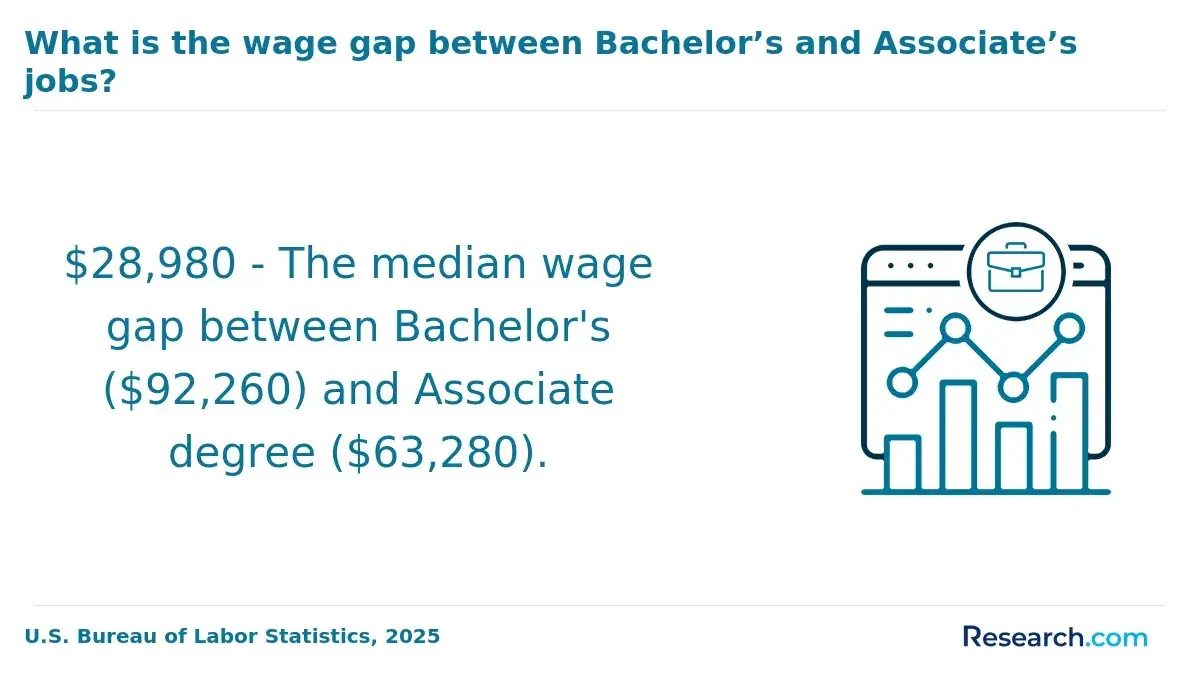
Health fitness professional salaries with exercise science degrees vary significantly based on role, experience, and work setting. Entry positions like fitness trainers earn about $40,000 to $50,000 annually, often in smaller gyms or community centers.
Mid-career strength and conditioning coaches in collegiate or semi-professional environments reach between $55,000 and $70,000, reflecting added supervisory responsibilities and specialized expertise.
A university-employed strength and conditioning coach may start near $60,000 but must pursue certifications such as CSCS to advance beyond $75,000 per year.
Average earnings for exercise science graduates in health fitness careers depend heavily on combining credentials with practical experience. Employers consistently seek candidates with academic qualifications, internships, and professional certifications, meaning graduates usually spend 1-2 years in assistant roles before hitting mid-level salary brackets. Geographic location and job specialization create notable disparities, requiring strategic choices for income maximization.
Industry data report that about 13% of UK sport and exercise science alumni enter coaching and officiating roles within 15 months of graduation, demonstrating a clear transition pathway. In the U.S., moving from general fitness to specialized coaching or rehabilitation can boost salaries by 15-25%, but such steps demand extra certifications and relevant experience. Wage variability is notable, as personal trainers in commercial gyms might earn less than $40,000 without secure client bases.
Prospective students evaluating this field should balance the time investment needed for credentials and hands-on experience with long-term earnings outlooks. For those exploring educational pathways, including affordable options in adjacent disciplines, researching the cheapest online computer science degree may offer complementary skills relevant to data-driven or tech-support roles within health and fitness organizations.
What types of exercise science degree programs are offered online vs on campus?
Online exercise science degree programs concentrate on theory-covering kinesiology, anatomy, physiology, and nutrition-offering flexibility especially valued by working professionals. However, hands-on elements like biomechanical assessments, lab work, and clinical practicum necessitate on-campus attendance or partnerships with local institutions.
This creates a practical tradeoff: online programs deliver geographic and scheduling freedom but often delay skill acquisition critical for clinical certifications.
For students pursuing clinical exercise physiology or physical therapy assistant roles, supervised practicums on-site are mandatory. This often renders hybrid or traditional on-campus programs more suitable despite online theory courses.
Conversely, career paths such as corporate wellness coordinators emphasize program design and health behavior strategies, which align well with online offerings. This sector's projected growth to $100.8 billion by 2032 with a 9.4% CAGR highlights scalable opportunities for graduates skilled in business-driven health initiatives.
Employers in sports performance and rehabilitation prioritize hands-on experience tied to certifications-something unavailable through purely online routes. Prospective students must evaluate the tension between flexible online study and the necessity of specialized practical training, a distinction echoed consistently in education on campus vs online exercise science programs.
Those considering shifting to or advancing within exercise science should reflect on market realities, program design, and workforce expectations. For those comparing data-intensive fields, understanding available pathways, as with an MS data science online, offers perspective on balancing theory and applied skills.
What do accredited exercise science programs teach about health, fitness, and human performance?
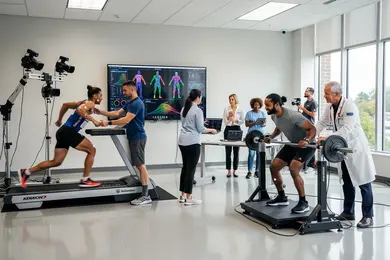
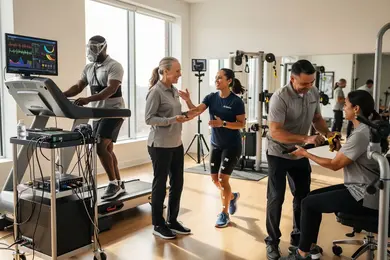
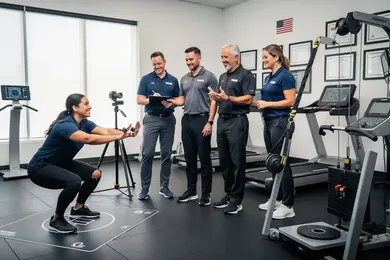
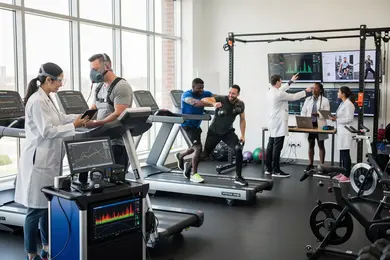
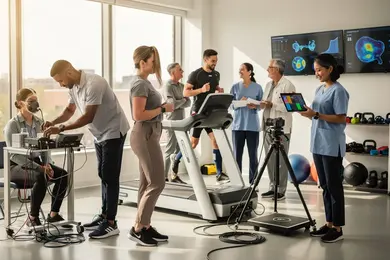
Exercise science graduates face a workforce demanding not just theoretical knowledge but demonstrable skills in clinical evaluation, exercise prescription, and outcome measurement. Employers increasingly prioritize candidates proficient in tools such as VO2 max testing and movement screening technology, reflecting a shift toward data-driven roles in rehabilitative and performance settings.
Programs must balance accreditation standards with hands-on learning opportunities-students without adequate practical experience often struggle to secure positions despite understanding core concepts. Partnerships with healthcare providers or structured internships are critical for bridging this gap, particularly given the varied requirements of certification and licensure.
The field shows a projected 10% employment growth over a decade with approximately 1,600 annual openings, signaling steady demand. However, success hinges on the ability to translate scientific principles into actionable health plans and communicate effectively within interdisciplinary teams.
Key curriculum components include anatomy, physiology, biomechanics, and nutrition, combined with practical skills such as administering stress tests and interpreting physiological data. This integration supports diverse roles, from clinical chronic disease management to sports conditioning labs.
- Prioritize programs offering immersive clinical hours and research balance.
- Develop competency in behavioral strategies that enhance client adherence.
- Prepare for workforce expectations by mastering both evaluation technology and interdisciplinary communication.
Sources and Links provided above were not included as there were none specified.
What admission requirements and prerequisites do exercise science bachelor's programs have?
Admission to bachelor's programs in exercise science demands more than a minimum GPA or test scores; it requires evidence of both academic readiness and practical engagement. Competitive applicants typically present a GPA above 3.0 and have completed college-preparatory courses in biology, chemistry, and math-especially algebra and statistics-to build essential scientific literacy and analytical thinking.
Secondary-level physics or anatomy, if available, further strengthens applications and reduces remedial burdens.
Programs often require letters of recommendation attesting to both scholarly aptitude and a genuine commitment to health or fitness professions. A well-crafted personal statement that clearly articulates career objectives and understanding of exercise science serves as a strategic differentiator. Hands-on experience, such as volunteering or shadowing in sports medicine environments, is a valuable asset, demonstrating alignment with the profession's practical demands.
Some curricula mandate prerequisite coursework, usually introductory biology or chemistry, completed before full enrollment. This gatekeeping ensures students can manage rigorous lab and clinical expectations without delay. Additionally, immunizations and background checks are mandatory in programs with clinical rotations, reflecting the healthcare context's safety requirements.
The sector's workforce dynamics also shape admissions rigor. Athletic trainers, for instance, earned a median wage of $60,250 in May 2024, with projected job growth at 13% over the next decade per the U.S. Bureau of Labor Statistics. Such demand drives programs to emphasize preparation for licensure and certification-failure to satisfy prerequisites can defer graduation and limit early employment opportunities in this competitive job market.
How long does it take to complete an exercise science degree and what does it cost?
Choosing to pursue an exercise science degree demands a clear appraisal of time, cost, and labor market returns. Typically requiring four years full-time, this pathway aligns with standard undergraduate programs but can stretch beyond five years for part-time students balancing jobs, affecting income flow and career momentum.
Tuition ranges widely-from $10,000 annual in-state public fees to $40,000 at private schools-resulting in total costs between $40,000 and $160,000 before incidental expenses.
Students accessing in-state public institutions often face a more manageable financial commitment, whereas out-of-state or private routes amplify debt risks.
Despite financial aid, average student loan debt hovers near $30,000 for graduates. Workforce demand projections show a 9% growth in coaching and scouting roles over the decade, reflecting moderate opportunity but intensified competition that favors candidates with verified practical skills, internships, or certifications integrated alongside academic credentials.
For professionals pivoting careers, the time-cost tradeoff requires strategic program selection, emphasizing experiential learning components that bolster employability even if tuition is higher. Employers increasingly differentiate candidates by hands-on exposure rather than academic duration alone.
What certifications or licenses do health fitness professionals commonly need after graduation?
Certifications significantly influence job prospects and earning potential for exercise science graduates. Employers weigh licensing as a practical filter rather than a mere credential.
For instance, securing the Certified Strength and Conditioning Specialist (CSCS) or the American College of Sports Medicine's Certified Exercise Physiologist (ACSM-EP) is often non-negotiable in clinical or athletic settings. These certifications not only validate specialized skills but also ensure compliance with insurance billing requirements.
State and workplace contexts alter certification priorities. Personal trainers in clinical environments face stricter mandates, needing recognitions endorsed by entities like the American Medical Association. In contrast, commercial gym positions emphasize nationally accredited credentials with continuing education components to mitigate liability.
Emerging roles in preventive and lifestyle medicine create stronger demand for licenses demonstrating expertise in chronic disease management and nutrition, aligning with accelerated employment growth in these sectors. Graduates must anticipate recurring costs between $400 and $1,200 every 2-3 years for recertification, where lapses can immediately disqualify candidates or jeopardize insurance coverage.
Responsible career planning involves obtaining one core certification post-graduation and securing a specialty license within 1 to 3 years to maintain competitiveness in local markets. Prioritizing this sequence balances initial access and long-term differentiation amid evolving employer expectations.
What is the job outlook and industry demand for exercise science-related health fitness roles?
Job growth in exercise science-related health fitness roles centers heavily on clinical and rehabilitation settings, where demand stems from an aging population and increased focus on post-injury recovery. For example, kinesiotherapists earned a median salary of $54,860 as of May 2024, with a projected 10% employment growth rate by 2033-outpacing average occupational growth.
This stronger hiring trend reflects how rehabilitation specialists are integrated into care teams managing complex patient needs and insurance protocols.
However, these opportunities require navigating a competitive landscape shaped by rigorous educational and certification standards. Employers prioritize candidates who combine specialized credentials with hands-on clinical experience, often demanding programs that offer applied internships. Practical communication skills and regulatory knowledge are also essential for adapting within multidisciplinary hospital or outpatient rehab environments.
Outside clinical roles, exercise science graduates may encounter slower and highly specialized growth in corporate wellness and sports performance sectors. These areas tend to lack the robust job stability and salary benchmarks linked to clinical careers, which benefit from insurance reimbursements and healthcare integration.
Key tradeoffs for candidates include longer training timelines versus stronger employment security in clinical pathways. Strategically selecting programs aligned with workforce expectations-emphasizing rehabilitation and clinical expertise-can mitigate risk and improve return on investment.
How can you evaluate and choose a reputable, accredited exercise science school in the U.S.?
Choosing a reputable accredited exercise science program requires prioritizing recognized institutional accreditation such as regional accreditation approved by the Council for Higher Education Accreditation (CHEA) or the U.S. Department of Education. This assures baseline academic quality and facilitates employer recognition.
Programs with additional endorsements from bodies like the Commission on Accreditation of Allied Health Education Programs (CAAHEP) or the American College of Sports Medicine (ACSM) often align more closely with current industry demands and competencies.
A practical factor is graduate employment outcomes. For instance, fitness directors and program managers in Australia report a median weekly wage of AU$1,067 with a workforce of 5,100, based on Griffith University's labor data. Equivalent U.S. programs should prepare students for similarly focused roles that emphasize leadership and applied skills.
Faculty qualifications that blend current certifications with active research or clinical involvement contribute to curriculum relevance and practical readiness. Real-world experience, through internships or clinical placements, can be decisive in building employer connections and bridging training with workforce expectations.
Prospective candidates must weigh program length, flexibility, and financial considerations against measurable outcomes like graduation and licensure exam pass rates, where applicable. Programs lacking transparent data or industry alignment risk less favorable employability trajectories. Curricula emphasizing evidence-based practice and emerging trends in digital fitness and preventive health improve adaptability to evolving professional landscapes.
Other Things You Should Know About Exercise Science
A bachelor's degree in exercise science provides foundational knowledge but often is not sufficient alone for stable employment in competitive health fitness roles. Many employers prioritize candidates with additional certifications such as strength and conditioning credentials or clinical licenses depending on the setting.
Graduates should plan to pursue relevant certifications or graduate education within the first few years post-degree to improve employability and career advancement. Without these, entry-level positions may be limited and pay scales restrained.
Hands-on experience is critical in exercise science education because practical skills are essential for most careers in health and fitness. Programs with structured internships, clinical practicums, or laboratory work grant students a decisive advantage when applying to jobs.
Students should prioritize programs offering credits for supervised fieldwork, as employers value candidates who can translate theory into practice efficiently. Lack of experiential learning can delay readiness for workplace demands and reduce competitive positioning.
Yes. Many employers expect a recognized certification such as ACSM-EP, NASM-CPT, or NSCA-CPT for health fitness specialist roles. ACSM’s Exercise Physiologist certification requires at least a bachelor’s degree in exercise science or a related field and a current CPR/AED credential.
References
- What Certifications Do Most Personal Trainers Have? | ISSA https://www.issaonline.com/blogs/training-tips/what-certifications-do-most-personal-trainers-have
- Fitness Professionals: Credentials, Roles, and How to Choose One https://nationalfitnessauthority.com/fitness-professionals-and-credentials/
- How to Become a Personal Trainer | NASM #1 Accredited Certification https://www.nasm.org/how-to-become-a-personal-trainer
- Exercise science: What exactly is it? https://www.scienceforsport.com/exercise-science/
- Online Exercise Science Program https://stmary.edu/online-programs/exercise-science.html
- Online Exercise Science Degrees: Top School Review https://www.edumed.org/online-schools/exercise-science-degrees/
- Exercise Science and Human Performance https://mcm.edu/major/exercise-science-and-human-performance/
- What is an Accredited Exercise Scientist | Exercise Right https://exerciseright.com.au/what-is-an-accredited-exercise-scientist/
- Types of Personal Training Certifications Online | Bryan University Online© https://bryanuniversity.edu/faq/types-of-personal-training-certifications-online/
- Bachelor of Science in Exercise Science, Fitness, and Nutrition Management (Completion Degree) https://catalog.bryanuniversity.edu/bachelor-of-science-in-exercise-science-fitness-and-nutrition-management-completion-degree