2027 Exercise Science Specializations With the Strongest Long-Term Momentum

Co-Founder and Chief Data Scientist
Choosing a specialization in exercise science today demands navigating shifting employer priorities and complex educational options. Employers increasingly value professionals with qualifications aligned to evolving health technologies and preventative care trends, yet prospective students confront barriers like rigid on-campus schedules and uneven access to clinical experiences.
Notably, data from the National Center for Education Statistics shows a 28% growth in online exercise science-related program enrollment among adult learners since 2022, signaling a shift toward greater flexibility but also raising questions about program rigor and career impact. This article analyzes the specializations in exercise science with the strongest sustained momentum, helping candidates align credentials with realistic career advancement opportunities.
Key Things You Should Know
- Exercise science specializations with clinical certifications command 15% higher starting salaries but extend education by 1.5 years, pressuring candidates balancing cost and time, per National Center for Education Statistics 2024 data.
- Employers increasingly prefer biomechanics specialties due to a 22% rise in rehabilitation tech integration, intensifying demand yet narrowing roles to research-intensive settings, industry workforce forecasts reveal.
- Preventive health-focused exercise science programs show 30% faster job placement in community health sectors but require navigating fragmented credentialing, complicating uniform career progression, according to the Bureau of Labor Statistics 2024.
Which exercise science specializations show the strongest long-term career momentum today?
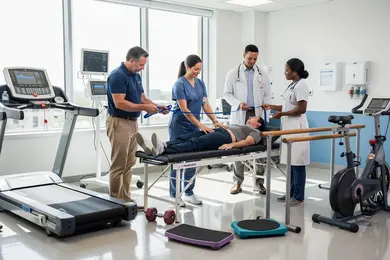
Clinical exercise physiology and chronic disease management represent the most dynamic specializations within exercise science fields with strongest long-term job outlook. Employment for exercise physiologists is expected to grow 13% by 2032, significantly above average occupational growth. This trajectory responds directly to healthcare's increased reliance on structured exercise interventions targeting chronic conditions such as cardiovascular and pulmonary diseases.
Students and career changers considering these top exercise science career specializations with growth potential must recognize that foundational knowledge of pathophysiology and clinical assessment is non-negotiable.
Employers demand certifications validating competency in rehabilitative and preventative exercise programming within multidisciplinary healthcare teams-settings that often require understanding insurance coding and patient communication complexities not typical in general fitness roles.
While roles focused on fitness or sports performance may offer more straightforward entry, clinical pathways generally provide greater long-term job stability and integration into treatment reimbursement models. However, acquiring experience through accredited clinical practicums tied to medical facilities is essential to meet evolving employer expectations and to maximize employability in preventive care contexts.
For those evaluating the exercise science degree online option, it is critical to verify program accreditation and clinical linkage opportunities to avoid gaps between academic credentials and workforce demands. Reliable resources such as exercise science degree online lists support informed decision-making.
What are the most in-demand exercise science careers and typical job roles?
Strength and conditioning specialists are positioned within one of the highest-demand sectors among in-demand exercise science careers and job roles, with a projected growth rate of 12% from 2022 to 2032 according to U.S. Bureau of Labor Statistics data. This demand reflects employer priorities on athletic performance and injury prevention, requiring varied expertise depending on the athlete's age and competitive level.
For instance, collegiate football programs emphasize periodization and recovery science, while youth sports focus on foundational movement skills and reducing injury risk.
Typical exercise science careers in health and fitness extend beyond strength roles to include clinical exercise physiologists who provide chronic disease therapeutic interventions and occupational health specialists who mitigate workplace injuries through ergonomic evaluation. These roles necessitate a strong grasp of biomechanics, athlete monitoring technology, and tailored exercise programming.
Entry-level salaries for strength and conditioning specialists average around $46,010 annually, but practical experience and specialized certifications such as CSCS play a significant role in advancement and employability.
Employers favor candidates with accredited credentials and real-world internships, resulting in a high threshold for newcomers. Candidates must balance the time and financial investments for certification against chosen specializations, particularly if targeting sports medicine or clinical employment settings.
Assessing outcomes should prioritize graduate job placement across NCAA programs, private training facilities, or rehab centers. For those exploring alternative pathways or program comparisons, reviewing similar fields like environmental studies can offer perspective on career flexibility and market demand; see what can you do with an environmental studies degree.
How does the job outlook for major exercise science specializations compare?
Employment trends for exercise science specializations in North America reveal clear distinctions in stability tied to sector focus. Healthcare-related roles, including clinical rehabilitation and wellness programming, are projected to grow between 6-14% from 2022 to 2032, outpacing the average occupational growth of 5%. This stronger trajectory reflects employer investments aimed at controlling healthcare costs and boosting workforce productivity.
For example, exercise physiologists in cardiac rehabilitation maintain consistent demand due to aging demographics and the rising incidence of chronic illnesses. Conversely, sports performance and athletic training positions experience volatility influenced by seasonal funding cycles and market fluctuations, resulting in less predictable career paths.
Employers increasingly seek candidates with graduate degrees or specialized credentials, raising entry barriers but enhancing job security and salary potential. Those targeting clinical roles should prioritize accredited programs with clinical hours, while corporate wellness specialists need certifications focused on outcome measurement and program administration.
Without these targeted credentials aligned with employer expectations, graduates face risks of underemployment or cycles of layoffs common in fitness-only domains.
This data-driven perspective on the long-term employment trends for exercise science specializations stresses careful credential and specialization choices aligned with realistic labor market demands. Practical pathways must balance necessary educational investment against reliable job prospects.
Students considering such shifts might also explore related disciplines; for instance, master of library science online programs offer alternative stable career avenues in health information and resource management.
What degrees and training pathways lead into high-growth exercise science fields?
Access to roles in cardiac and pulmonary rehabilitation depends heavily on focused credentials beyond a foundational degree in exercise science, kinesiology, or related health sciences. While a bachelor's degree often opens entry points, specialization demands certifications or graduate training aligned with clinical exercise testing and cardiovascular pathology.
For example, cardiac rehabilitation specialists typically must combine accredited coursework with practical internships to meet employer standards in cardiac rehab facilities and outpatient settings.
Employers prioritize candidates demonstrating both theoretical knowledge and supervised clinical experience, reflecting workforce data projecting 10% job growth by 2032 and median salaries between $54,000 and $60,000. This dynamic creates a distinct advantage for practitioners holding certifications such as Certified Exercise Physiologist (CEP), which prepare professionals for complex patient care within cardiovascular rehabilitation.
When evaluating exercise science degree programs for career growth, students should weigh the tradeoffs between accelerated master's options, bridge certifications, and time-to-practice considerations.
Transitioning professionals from fitness or allied health backgrounds face barriers if lacking clinical exposure, necessitating targeted credentials for rehabilitation sciences roles. Aligning degree selection with these specific employment outcomes improves efficiency and mitigates clinical delay risks.
Prospective students aiming for a strategic pivot can explore the cheapest online data science master's to supplement analytical skills or bolster interdisciplinary breadth. Balancing cost, time, and certification requirements against job stability and salary uplift remains a pivotal decision framework.
How do online exercise science programs compare with campus-based options for these specializations?
Online exercise science programs often miss the critical element of hands-on training that tactical strength and conditioning or performance analysis roles demand. Employers in these specialized fields prioritize candidates with in-person lab experience, supervised practicums, and direct physical assessment skills-components difficult to replicate fully via virtual learning.
For instance, a tactical human performance specialist working with military clients needs proficiency in live biomechanical assessments and conditioning sessions, which campus-based programs facilitate through structured, real-time environments.
Campus-based pathways also provide access to specialized equipment and foster professional networking crucial for employment in areas projecting roughly 20% job growth by 2028, according to Sacred Heart University data.
Salary ranges between $54,000 and $83,400 reflect the premium on applied skills. Conversely, online programs accommodate working professionals and distant learners primarily by covering theoretical content but require supplementary in-person internships or certifications to meet employer expectations for operational readiness.
Key practical considerations for candidates include:
- Evaluating current access to facilities and on-site mentorship
- Balancing flexibility against the necessity for supervised skill development
- Understanding that online-only credentials may hinder immediate placement in tactical roles
The decision hinges on long-term goals and the capacity to augment online education with tangible, work-ready competencies that campus programs naturally embed.
What coursework and skills are emphasized in high-momentum exercise science specializations?
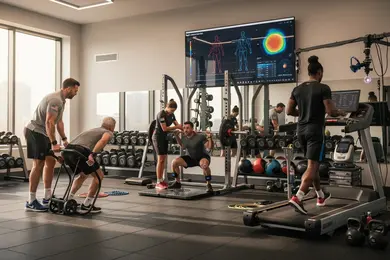
Specializations in exercise science emphasizing biomechanics, kinesiology, physiology, and data analytics equip graduates to tackle complex performance evaluation in athletic and clinical environments. The practical value lies in translating raw data-obtained through wearable technologies and physiological assessments-into actionable training modifications.
For example, a sports analytics specialist must be proficient in programming languages such as Python or R to convert extensive datasets into real-time athlete monitoring insights.
This field demands strong quantitative analysis skills, familiarity with statistical software, and a nuanced understanding of human movement science. Such capabilities align with employer priorities seeking performance analysts who can concretely improve outcomes; top professionals earn up to $118,500 annually, according to data from Sacred Heart University.
However, those lacking interdisciplinary fluency across biology and computational analytics frequently encounter barriers advancing to higher-level roles with commensurate pay.
Beyond technical expertise, communication skills are essential for effectively translating analytic results into coaching or rehabilitation strategies under time-sensitive, high-pressure conditions. Programs integrating lab work, internships, and cross-disciplinary projects outperform more theoretical curricula by reducing the gap between data collection and practical field application.
Prospective students should prioritize programs offering hands-on exposure to both emerging technologies and foundational movement science concepts to optimize employability and meet evolving workforce demands in exercise science.
Which certifications and licenses are required for major exercise science career tracks?
Certifications and licenses in exercise science serve as critical gatekeepers to specific career tracks, but the choice of credential determines practical employability and scope of practice. For instance, personal trainers typically secure nationally recognized credentials like the NASM Certified Personal Trainer or ACSM CPT to meet baseline hiring standards, yet these alone rarely suffice if aspiring to specialize or work remotely.
Trainers delivering online or telehealth services face additional compliance layers including HIPAA regulations and telemedicine licensure, which must be integrated alongside core certification.
Clinical rehabilitation roles demand state licensure as physical therapists or assistants, requiring graduation from accredited programs plus passing the National Physical Therapy Examination. This legal threshold restricts who can practice independently and influences length and cost of education.
Strength and conditioning coaching at collegiate or professional levels requires the CSCS credential, which entails a bachelor's degree and a rigorous exam, reflecting employer emphasis on academic foundation plus applied expertise. Exercise physiologists working in medically supervised environments generally hold the ACSM Certified Clinical Exercise Physiologist certification combined with local licensure or hospital privileging.
These factors create a tradeoff in career flexibility and earning potential: less stringent certifications may ease entry but limit advancement and salary, while clinical licensure or specialized credentials demand more upfront investment with higher market value.
According to the U.S. Bureau of Labor Statistics, personal trainers' jobs are growing at 14% through 2032 with median wages around $40,700; however, credentials and specialization significantly impact competitiveness and income trajectory.
How do salaries vary across the fastest-growing exercise science specialties?
Income potential within exercise science specialties hinges largely on credentials and settings, with advanced degrees driving markedly higher returns. For example, biomechanics professionals holding doctoral degrees often secure six-figure salaries, predominantly in research centers, sports technology companies, and rehabilitation clinics that demand intensive biomechanical analysis expertise.
Conversely, roles such as exercise physiologists in clinical or fitness venues typically start in the mid-$50,000s, constrained by the common entry-level bachelor's credential.
Strength and conditioning coaches, often employed in collegiate or private settings, earn between $45,000 and $70,000, reflecting lower academic barriers but quicker workforce entry. Candidates face a clear tradeoff: investing years and costs into doctoral training to access elite research and technology roles versus pursuing certification-driven positions with capped earning ceilings and limited career progression.
This balance affects both immediate employability and long-term earnings growth. When deciding, it is critical to consider factors such as geographic salary variation, institutional hiring preferences, and market demand shifts. For example, a candidate targeting research lab employment should anticipate extended study durations and funding challenges, whereas one aiming for coaching or wellness program roles may prioritize practical experience and certifications instead.
- Biomechanics specialists with doctorates average $79,000 annually, with higher earnings typical in top-tier research environments
- Exercise physiologists start near $55,000, influenced by bachelor's level qualifications
- Strength and conditioning coaches earn $45,000 to $70,000 depending on institution and athlete level
Source: Sacred Heart University's 2024 career analysis on exercise science salaries
How can students evaluate accredited, reputable schools for exercise science specializations?
Choosing an exercise science specialization requires prioritizing institutional and program-specific accreditation to ensure curriculum rigor and employer recognition. Regional accreditation secures overall quality, while specialized accreditation, such as from the Commission on Accreditation of Allied Health Education Programs (CAAHEP), signals alignment with industry expectations.
Programs connected to current federal labor data and recent studies targeting growth areas-like the integration of exercise science with mental and behavioral health-better prepare students for evolving job markets.
For example, wellness coordination and health education roles are projected to grow approximately 20% through 2028, offering salaries between $54,000 and $83,400 annually according to Sacred Heart University. This underlines the importance of selecting programs with interdisciplinary coursework and specialized clinical experiences.
Prospective students should thoroughly assess graduate employment rates, employer partnerships, and the availability of hands-on internships, as practical skills remain a key differentiator for employers. Faculty expertise, particularly involvement in current research or landmark studies, is another critical factor in judging a program's relevance.
Logistical considerations-such as program length, flexibility, and formats including online or hybrid models-play a significant role for working professionals pivoting into behavioral health-focused exercise science. Transparent data on alumni salary trajectories and job placement provide an essential lens for evaluating realistic return on investment and workforce alignment.
What program costs, clinical requirements, and timelines should applicants expect?
Costs for exercise science programs vary significantly-from about $15,000 for in-state undergraduate degrees to upwards of $45,000 for top-level graduate research programs at leading U.S. institutions. Clinical practicum or internship requirements, typically between 300 and 600 hours, are non-negotiable for credentialing and employer readiness, especially in roles focused on sports science innovation.
These hours demand placements at specialized environments such as sports clinics or rehabilitation centers, where hands-on experience directly informs job qualifications.
Degree completion timelines differ notably: bachelor's degrees generally require four years, while master's and doctoral paths extend from two to six years, influenced by research commitments and part-time study options. For example, pursuing a career as a sports researcher with an aim to reach salaries near $154,000 necessitates enrolling in doctoral programs that emphasize clinical hours and scholarly publication.
- Employers often require accredited certifications and documented practicum experience to mitigate liability risks.
- Reducing or forgoing clinical hours usually correlates with lower job placement rates and compensation.
- Part-time students should anticipate an additional year to fulfill clinical minimums due to seasonal or limited internship availability.
Choosing programs with established clinical partnerships and realistic timelines directly affects career trajectory and financial planning. According to Sacred Heart University's 2024 report, sports researchers and sport scientists earn an average annual salary of $113,000, underscoring the premium placed on comprehensive academic and practical training within the field.
Other Things You Should Know About Exercise Science
In 2027, hands-on clinical experience remains vital for exercise science students aiming for long-term career success. It provides practical skills development, critical real-world insights, and enhances employability by aligning educational experiences with industry needs, making graduates more adaptable to various professional roles.
Choosing to specialize early can concentrate learning and build targeted expertise, which benefits entry into niche fields but may limit flexibility if job market demand shifts. Maintaining a broad skill set allows adaptability across multiple sub-disciplines but delays mastery, potentially lowering competitive advantage for specialized roles.
Given the rapid evolution in exercise science applications, students aiming for long-term momentum should assess local labor market trends and prefer programs offering foundational breadth with clear pathways to specialization. This balance supports career resilience and opportunities for advancement.
Most high-demand exercise science specializations require biology, anatomy and physiology, chemistry, and statistics before upper-level admission. Many programs also expect a minimum 2.75 to 3.0 GPA, 60 to 90 undergraduate credits, and recent lab-based coursework before students can enter advanced study.
While academic reputation matters, practical certifications and demonstrable skills carry greater weight in hiring decisions within exercise science sectors. Employers consistently seek verified competence, often requiring nationally recognized certifications in addition to degrees.
Graduates from lesser-known programs can overcome limited institutional prestige by obtaining relevant certifications and documented hands-on experience. Candidates should prioritize certifications aligned with their targeted specialization, as they significantly enhance job prospects and reflect direct compliance with industry standards.
References
- Trial Phase Costing: How much should Phase II cost? | Abacum https://www.abacum.ai/blog/trial-phase-costing-benchmarks
- Clinical trials for medicines: apply for approval in the UK https://www.gov.uk/guidance/clinical-trials-for-medicines-apply-for-approval-in-the-uk
- Exercise Science News https://www.setonhill.edu/academics/degrees-programs/undergraduate-programs/exercise-science-bs.html
- Exercise Science | Columbia College https://www.columbiasc.edu/academics/undergraduate/exercise-science
- Exercise and Sports Science (ESS) https://mycatalog.txstate.edu/courses/ess/
- Exercise science: What exactly is it? https://www.scienceforsport.com/exercise-science/
- Clinical Trials Guide | NIHR https://www.nihr.ac.uk/clinical-trials-guide
- Online Exercise Science Degrees: Top School Review https://www.edumed.org/online-schools/exercise-science-degrees/
- Exercise science program accredited by national organization | Lipscomb University https://lipscomb.edu/news/exercise-science-program-accredited-national-organization