2027 Exercise Science Specializations for Exercise Physiology Careers

Co-Founder and Chief Data Scientist
Professionals seeking to specialize within exercise physiology face a critical bottleneck: choosing a subfield that aligns with evolving employer demands while accommodating the increasing prevalence of adult learners balancing education with work and life commitments.
Recent data from the National Center for Education Statistics reveals a 15% enrollment rise in flexible, competency-based programs tailored to working adults in health sciences, signaling that accessibility heavily shapes career pathway viability.
This trend highlights the need for strategic selection not only of specialization but of delivery mode and credentialing approach, as these factors strongly influence employment outcomes and career mobility in a saturated job market. This article examines key exercise science specializations, analyzing their practicality and workforce relevance to guide informed educational choices and successful career advancement within exercise physiology.
Key Things You Should Know
- Specializing in clinical exercise physiology demands 500+ supervised hours, increasing program length by 30%, which delays workforce entry but aligns with employer expectations for acute care readiness.
- Sports performance tracks show a 22% higher placement rate in professional athletic programs, reflecting workforce demand for analytics skills but limiting crossover to rehabilitation roles.
- Research-focused specializations require advanced certifications often funded out-of-pocket, creating significant access barriers that constrain upward mobility in academic or biotech sectors.
What are exercise science specializations for exercise physiology careers?
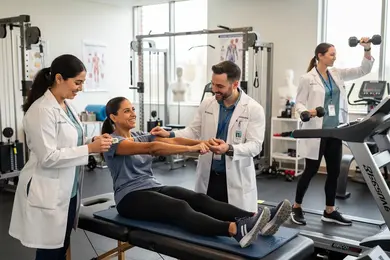
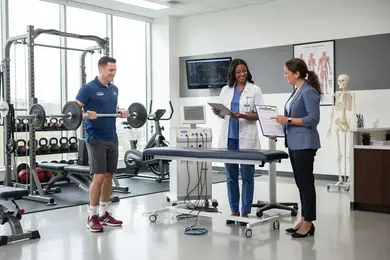
Choosing a specialization within exercise science career specializations in the US significantly affects employability and job function, making the decision more consequential than often portrayed. Clinical exercise physiology demands rigorous training in chronic disease management and cardiopulmonary assessment, primarily positioning graduates for hospitals or outpatient clinics where employers emphasize certification and therapeutic exercise experience over general exercise knowledge.
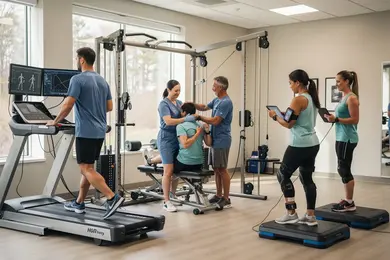
Cardiac rehabilitation specialists must coordinate interdisciplinary patient care with expertise in exercise testing and lifestyle education. These roles, often in specialized rehab centers, tend to offer higher compensation but require advanced clinical acuity and collaboration skills.
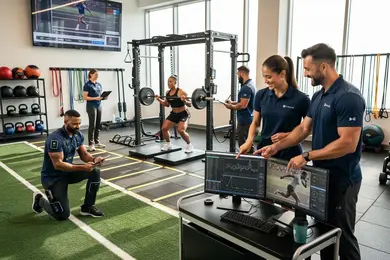
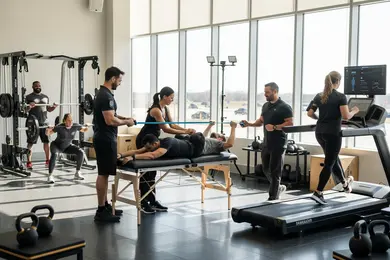
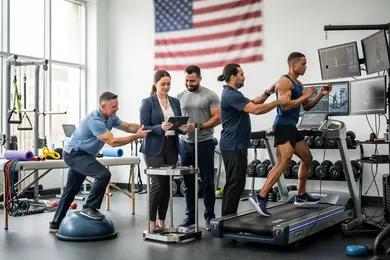
Sports performance specialists focus sharply on biomechanics and sport-specific conditioning, working in settings ranging from collegiate athletics to professional teams; a nuanced understanding of injury prevention and sports cycle timing here is critical for career longevity.
Occupational health, another top exercise science concentration for exercise physiology jobs, integrates ergonomic and fitness assessments tailored to workplace environments, typically found in corporate wellness or government roles focused on workforce sustainability. This pathway demands adaptability to non-clinical contexts, balancing employee safety with productivity objectives.
The U.S. Bureau of Labor Statistics projects a 9% employment growth with a median wage of $58,160, underscoring that specialization choices must weigh sector-specific demand against practical skills and personal interest to enhance long-term career viability. For those evaluating educational routes, especially via non-traditional formats, an online sports science degree can offer targeted learning paths aligned with these specializations.
Which exercise science program accreditations matter most?
Accreditation from the Commission on Accreditation of Allied Health Education Programs (CAAHEP), administered by the Committee on Accreditation for the Exercise Sciences (CoAES), remains the critical benchmark for accredited exercise science programs in the United States.
Employers, particularly in clinical and federal settings, expect candidates to possess degrees from CAAHEP-accredited programs because these programs align rigorously with credentialing exams and develop practical competencies essential for roles such as Certified Clinical Exercise Physiologist (ACSM-CEP).
Graduates from non-accredited or regionally accredited-only programs face restricted career mobility as they often lack required clinical training, limiting eligibility for advanced certifications and graduate school admission. In states requiring licensure for exercise physiology, program accreditation directly affects eligibility and expedites the licensure process.
Employers increasingly rely on accreditation status as a proxy for candidate readiness, especially in a competitive labor market evidenced by the 31,066 U.S. bachelor's degrees awarded in exercise physiology recently-representing a modest share of total bachelor's degrees. Students targeting career roles that demand specialized knowledge should verify accreditation upfront and consider the practical returns of each program.
Prospective students can also explore flexible learning pathways alongside their field, such as online degrees in computer science, to expand interdisciplinary qualifications.
Top exercise physiology accreditations for career advancement emphasize both theoretical rigor and applied experience, making accreditation an indispensable consideration in program selection.
How do you choose an accredited exercise physiology program?
Employers in healthcare settings emphasize accredited exercise physiology programs accredited by CAAHEP or equivalent, as these credentials directly influence eligibility for certification and licensure. Approximately 22% of exercise physiologists are employed in hospitals, where clinical skills and verified practicum experience are non-negotiable hiring criteria.
Attempting to shortcut clinical hours through accelerated programs can delay employability due to insufficient applied patient care readiness.
For those targeting state-specific licensure or hospital roles, geographic and regulatory considerations shape program selection. Programs linked to teaching hospitals or health systems often provide more seamless transitions into the largest employment segments, aligning with BLS data.
Prospective students assessing top accredited exercise physiology degrees for career advancement should rigorously evaluate graduation and certification exam pass rates; sub-70% pass rates indicate elevated risk of professional setbacks.
Research-oriented candidates must ensure program access to active clinical labs and faculty involved in current government-funded projects post-2024. Robust clinical placement networks, including outpatient rehabilitation and cardiac wellness centers, remain critical for practical skill development and employer validation.
Balancing clinical readiness with academic breadth is vital. Those considering interdisciplinary study paths may investigate data science doctorate online options to complement Exercise Science expertise and expand analytical capabilities within healthcare or research domains. This cross-disciplinary approach can differentiate candidates in competitive job markets.
What coursework is required in exercise science specializations?
Securing a role in exercise physiology demands more than general scientific knowledge; employers prioritize candidates with coursework that converts theoretical frameworks into measurable client outcomes. The exercise science degree requirements in the United States emphasize anatomy, physiology, kinesiology, and biomechanics alongside targeted clinical and performance skills.
For example, a cardiac rehabilitation specialist must engage deeply with cardiovascular physiology and disease management, a pathway quite different from strength conditioning, which prioritizes biomechanics and sports nutrition.
Core coursework for exercise physiology specializations typically includes:
- Exercise testing and prescription tailored to clinical or athletic populations
- Physiology related to chronic diseases to support rehabilitation roles
- Research methodology and data interpretation skills
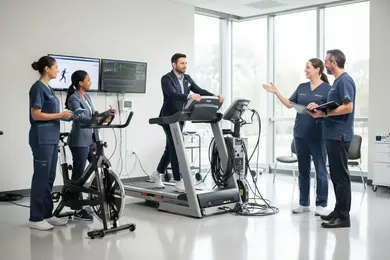
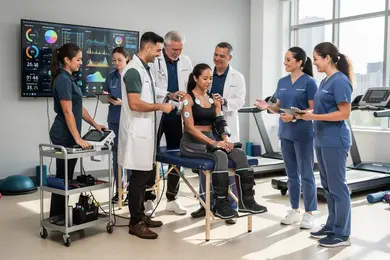
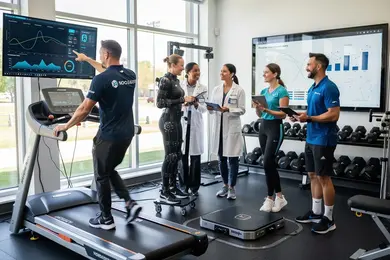
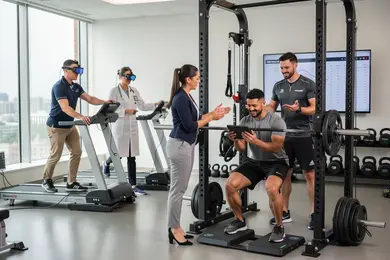
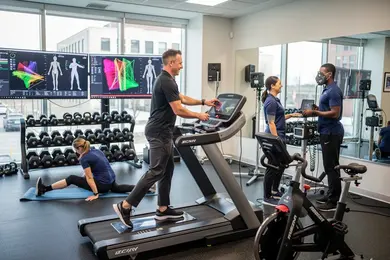
- Use of advanced technology such as metabolic carts and motion analysis
- Legal and ethical frameworks in patient care
Students transitioning from general science or fitness backgrounds often face gaps in pathology-oriented coursework and supervised clinical internships, essential for certification and hospital employment. Given the U.S. Bureau of Labor Statistics projects about 1,700 openings per year for exercise physiologists, these specialized skills directly influence job market access.
Without precise specialization, graduates risk limited placement in clinical settings valuing disease-focused exercise protocols.
Those assessing educational options should weigh coursework alignment with career targets carefully. A strategic approach might include supplementing a degree with supervised internships or considering programs that integrate clinical hours. For professionals exploring adjacent fields, options like a master of data science online may offer alternative pathways leveraging analytical competencies to complement exercise science expertise.
Are online exercise science degrees accepted by employers?
Employers assess online exercise science degrees primarily through the lens of accreditation, program rigor, and clinical training components. In clinical settings-such as cardiac rehabilitation facilities-candidates must provide documented supervised internships alongside coursework.
Graduates from programs lacking verified hands-on experience often encounter hiring restrictions in these environments. By contrast, private fitness centers and corporate wellness programs place greater weight on certifications and foundational knowledge, making online degrees more broadly acceptable in these sectors.
Licensure and certification requirements vary by state and role, and are non-negotiable regardless of degree delivery mode. Positions like exercise physiologists or physical therapy assistants require competencies that online curricula must explicitly cover to ensure eligibility.
Workforce demographics reveal that women accounted for 58.9% of U.S. bachelor's recipients in exercise physiology in 2021-2022, intensifying competition in fields where degree reputation and applied training remain decisive.
Students should rigorously evaluate programs by:
- Confirming accreditation aligned with Commission on Accreditation of Allied Health Education Programs (CAAHEP) or equivalent standards.
- Assessing integration of clinical internships or hybrid practical training.
- Validating curriculum alignment with national certification requirements.
- Planning supplemental in-person practicum experiences to meet employer expectations.
Fully online exercise science degrees have practical utility when paired with recognized credentials and in-person experience. Omitting these elements risks hampering employability in specialized clinical or research roles, where credential credibility and applied skills are strictly vetted.
What admission requirements apply to exercise physiology programs?
Applicants to exercise physiology programs face a practical barrier when prerequisite coursework in anatomy, physiology, chemistry, and statistics is not already complete. For example, professionals pivoting from non-health backgrounds may extend their timeline significantly before eligibility, impacting workforce entry.
Admission typically requires a bachelor's degree in exercise science, kinesiology, biology, or an allied field, coupled with a solid GPA near 3.0. Standardized tests are mostly optional or waived, shifting the evaluative weight toward undergraduate performance and relevant professional experience.
Letters of recommendation and personal statements are evaluated for indications of applied skills and clear career intentions, especially toward clinical or fitness roles, where employer demand is specific and competitive. Applicants with real-world experience-such as internships, exercise leadership, or health coaching-gain distinct advantages due to employers prioritizing demonstrated competence over theoretical knowledge alone.
Increasingly, the presence of accredited clinical practicum components within a program is critical. Graduates lacking hands-on clinical training often face obstacles entering medical or rehabilitation settings. The gender distribution in recent cohorts signals a diversifying field that may intensify admissions criteria over time, particularly at the master's level.
This strategic alignment of academic credentials, targeted practical experience, and clearly defined career goals shapes not only admissions outcomes but also long-term employability in discipline-specific sectors.
How long does an exercise physiology degree take?
Completing an exercise physiology degree involves weighing time investment against career outcomes and employer expectations. Bachelor's programs, typically 4 years, provide foundational knowledge for entry-level roles or further study.
Advancing to a master's adds 2 years and includes clinical internships, essential for licensure-required roles like cardiac rehabilitation. Doctoral degrees require 4 to 6 years beyond that, focusing on research and advanced clinical skills, with fewer than 300 completions annually, indicating tight competition for academic and research positions.
For working professionals, the extended study time often means reduced earnings and demands significant work-life adjustments. For instance, a physical therapist pursuing a doctorate may face years of diminished income without guaranteed academic placement afterward. Employers prioritize candidates demonstrating clinical hours or research experience, which makes internships critical during master's programs.
Shorter certificates exist but typically do not qualify graduates for roles requiring licensure or certification, limiting their utility for career pivots. Planning must account for the scarcity of PhD-driven job openings compared to broader opportunities accessible with bachelor's or master's credentials.
- Typical degree timeline: Bachelor's 4 years, Master's +2 years with clinical internships, Doctorate +4-6 years research-focused
- Doctorate completions remain below 300 annually, reflecting limited academia positions
- Working professionals must balance income loss with career progression potential
- Internships or research roles during graduate study are critical for employability
- Certificates offer limited pathway value for licensure-dependent roles
Source: PubMed-indexed update on secular trends in exercise physiology doctorate finishes
What jobs can you get with an exercise science specialization?
The job prospects for those with an exercise science specialization vary significantly based on certification status, employer expectations, and local market demand. For example, clinical exercise physiologists working in hospitals or outpatient settings must navigate rigorous certification requirements like the ACSM Certified Clinical Exercise Physiologist credential, which directly influence employability and insurance reimbursement.
In contrast, strength and conditioning coaches, often employed by sports teams or fitness centers, prioritize practical skills over formal certification but typically work with different populations and face distinct job expectations.
Graduates face a notable tradeoff: pursuing specialized certifications or accruing hands-on clinical experience can delay workforce entry but substantially improve job stability and salary potential. Entry-level roles such as wellness coordinator or physical therapy assistant may accept candidates with a bachelor's degree alone but offer fewer advancement pathways and lower compensation.
Regional workforce data reveals critical concentration points for kinesiology and exercise science graduates: San Antonio, TX; University, FL; and Bloomington, IN. These hubs present both dense competition and clustered opportunities, forcing candidates to weigh local market saturation versus relocation or additional credentials.
- Positions differ widely in responsibility, certification needs, and work environment.
- Certifications are often mandatory for clinical roles but less so in fitness coaching.
- Internships and hands-on experience remain highly variable in accessibility and compensation.
Targeting employment that aligns precisely with certification and local demand is essential to avoid underemployment or stalled career progress.
How much do exercise physiology careers pay?
Exercise physiology careers in 2026 clearly illustrate the impact of education level, certification, and work setting on salary outcomes. Median annual wages span roughly $50,000 to $75,000, but roles in clinical environments or research can surpass $80,000 due to heightened employer expectations and credential requirements.
For example, healthcare employers often require certifications and sometimes a master's degree, which entails longer and costlier educational paths that generally translate to better pay.
Those pursuing positions in rehabilitation or cardiac care tend to see salary advantages aligned with licensure demands, whereas roles in athletic training or wellness coaching, especially at smaller facilities, commonly start below $60,000. Competition has intensified because exercise science bachelor's degree production grew 445% between 2002-03 and 2016-17, pressuring entry-level wages in many regions.
Geographic factors add complexity: states with higher healthcare spending typically pay 10-15% more than the national average. Additional specialized certifications like Certified Clinical Exercise Physiologist can boost earnings by 10-20%. Individuals aiming to maximize income should prioritize hospitals, research institutions, or corporate wellness programs over general fitness roles, which often offer lower remuneration and fewer advancement prospects.
Key considerations include:
- Balancing time and cost of advanced credentials with realistic salary expectations
- Evaluating regional salary disparities and employer preferences
- Targeting work environments that align with specialized certifications
These practical insights enable smarter decisions about educational investment and career pivots in exercise science, grounded in real workforce data rather than promotional narratives.
What certifications or licenses may exercise physiology graduates need?
Securing relevant certifications fundamentally shapes career outcomes for exercise physiology graduates, reflecting employer expectations and regulatory frameworks. For instance, clinical rehabilitation roles typically require the Certified Clinical Exercise Physiologist (CEP) credential, which demands both a bachelor's degree in exercise science or a related field and substantial supervised clinical experience.
This ensures proficiency in exercise prescription for patients managing chronic conditions. Similarly, cardiac rehabilitation professionals must document practical hours and pass a specialty exam to obtain the Certified Cardiac Rehabilitation Professional (CCRP) certification, prerequisites that validate specialized competence.
Physical therapy remains a prominent, higher-earning pathway for exercise science majors, but it is heavily regulated. Candidates need a Doctor of Physical Therapy degree and state licensure, representing significant additional time and financial investment beyond undergraduate training. Median salaries approaching $100,000 reflect this profession's regulatory rigor and clinical responsibility.
Conversely, broader fitness and wellness roles are accessible via certifications like the American College of Sports Medicine (ACSM) Certified Exercise Physiologist or Certified Personal Trainer. These credentials offer quicker workforce entry but with less regulatory scrutiny and limited clinical scope, often translating to lower salaries and narrower job eligibility.
Graduates must balance certification costs, timelines, and career aspirations: rigorous clinical licenses improve marketability and income but require extensive academic commitment, while faster routes prioritize immediate employment in less regulated settings. Deciding between these paths dictates long-term career flexibility and earning potential.
Other Things You Should Know About Exercise Science
While a bachelor's degree can qualify graduates for entry-level roles, most employers increasingly expect a graduate degree for advanced clinical, research, and leadership positions. A master's or doctoral degree often provides essential specialization and research experience that distinguishes candidates in competitive hiring pools. Prioritizing graduate education is advisable if you aim for roles involving independent patient care, program development, or academic research.
Practicum placements significantly affect employability by providing real-world skills and professional networking opportunities. Programs that offer diverse clinical settings, including hospitals, rehabilitation centers, and sports clinics, better prepare students for the varied demands of the field. Selecting a program with robust practicum options directly correlates with smoother transitions to employment and higher initial job performance expectations from employers.
The most relevant certifications are ACSM-EP, ACSM-CEP, NSCA-CPT, and CSCS. ACSM’s exercise physiologist credentials require a qualifying degree and a minimum number of supervised exercise hours, while clinical roles often prefer cardiac rehabilitation or healthcare-focused experience.
References
- Exercise Physiologist https://acsm.org/certification/get-certified/exercise-physiologist/
- ESSA's career guide for Accredited Exercise Scientists https://www.essa.org.au/Web/Web/Resources/Tools-and-templates/ESSA-AES-Guide.aspx
- What can I do with an Exercise Science degree? https://www.coloradomesa.edu/iris/explore-majors/what-can-i-do-with-an-exercise-science-degree.html
- Online Exercise Science Program https://stmary.edu/online-programs/exercise-science.html
- ATAR for exercise physiology â every course in Australia https://www.myhealthcareer.com.au/atars-and-selection-ranks-every-course-in-australia/atar-for-exercise-physiology/
- Exercise Physiologist Salary in AU (June, 2026) – SEEK https://au.seek.com/career-advice/role/exercise-physiologist/salary
- International Clinical Exercise Physiology Qualification Application Pathways https://icsesp.global/resources/international-clinical-exercise-physiology-recognition-opportunities/
- Exercise Physiologist Career https://explorehealthcareers.org/careers/sports-medicine/exercise-physiologist/