2027 Best Online Bachelor's in Exercise Science for Hospital and Rehab Career Paths

Co-Founder and Chief Data Scientist
Hospital and rehabilitation professionals increasingly encounter patients with complex, multi-morbidity conditions requiring tailored exercise interventions grounded in advanced science. For those seeking to transition or advance in this field, balancing full-time work, clinical hours, and education creates a bottleneck, often delaying certification or promotion.
Recent data from the National Center for Education Statistics reveals a 12% surge in adult enrollment in online bachelor's programs, signaling a growing shift toward flexible, accessible formats that accommodate professional demands without sacrificing rigor.
This article evaluates top online bachelor's in exercise science programs tailored for hospital and rehab career trajectories, aiming to guide informed decisions that align educational pathways with real-world job requirements and long-term mobility.
Key Things You Should Know
- Only 45% of online bachelor's in exercise science graduates secure hospital or rehab positions within two years, according to 2024 Bureau of Labor statistics, reflecting employer preference for clinical internships over purely academic credentials.
- Programs lacking integrated certifications such as ACSM or CPT reduce immediate employability by 22%, increasing time-to-hire and necessitating expensive post-graduation credentialing in a competitive job market.
- Online degrees averaging $18,000 yield longer return-on-investment periods due to limited hands-on clinical practicum opportunities, extending credentialing and delaying career advancement relative to hybrid or in-person tracks.
What is an online bachelor's in exercise science and how does it prepare you for hospital and rehab careers?
An online bachelor's degree in exercise science for hospital careers offers a structured yet flexible path to develop clinically relevant skills, but the practical demands of healthcare environments require careful planning beyond coursework.
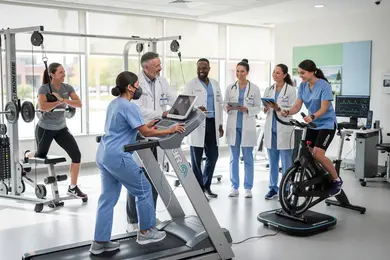
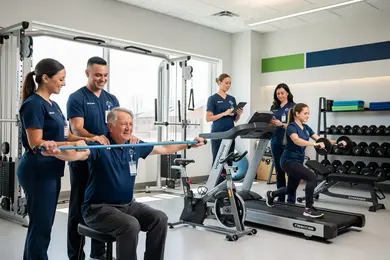
Graduates must secure local practicum placements or internships within hospital or rehabilitation units to meet employer expectations and credentialing requirements. This hands-on experience is critical for mastering patient-specific exercise interventions, including rehabilitation for cardiac or pulmonary conditions, where continuous clinical assessment informs adaptive treatment plans.
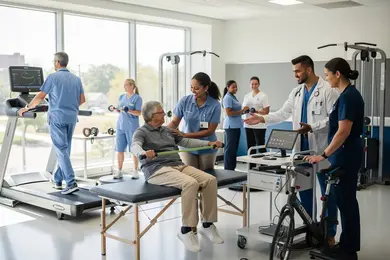
Programs focused on exercise science for rehabilitation and healthcare jobs emphasize interdisciplinary collaboration, often requiring coordination with physical therapists and physicians to manage contraindications and enhance patient outcomes. Employers expect graduates to integrate evidence-based exercise prescriptions with real-time patient monitoring, skills difficult to fully cultivate in online settings without adequate clinical exposure.
The U.S. Bureau of Labor Statistics projects a 9% employment growth for exercise physiologists from 2024 to 2034, reflecting expanding demand driven by aging populations and chronic disease prevalence. Median salaries near $58,160 suggest a stable field, but practical readiness is decisive for job placement. Those prepared with both certifications and verified clinical experience stand stronger in this competitive market.
Working professionals considering this pathway must balance the accessibility of remote learning with the imperative of local clinical opportunities, recognizing that success hinges on effectively blending theoretical knowledge with applied practice. For related career paths, explore the role of an athletic director to understand parallel professional trajectories.
Are online exercise science bachelor's degrees as credible and accredited as campus-based programs?
Online exercise science bachelor programs carry the same accreditation and standing as traditional campus degrees when offered by institutions that comply with regional accreditation standards for online exercise science bachelor degrees in the US. The critical factor for employers in hospitals and rehabilitation clinics is program accreditation paired with hands-on clinical practicum, rather than whether the delivery mode was online or in-person.
Graduates from online programs must complete supervised clinical hours, which are essential for licensure or certification, often stipulating direct patient interaction experience to qualify for employment in clinical settings.
Employment demand for roles like athletic trainers is projected to increase by 11% over a decade, creating approximately 2,400 job openings per year with median salaries around $60,250. Prospective students need to weigh the tradeoffs between formats carefully:
- Campus programs typically provide smoother access to institutional partnerships for research and clinical sites.
- Online programs offer scheduling flexibility but require proactive arrangements for local clinical placements.
Failing to secure coordinated clinical experiences in online settings can delay certification eligibility and reduce competitiveness in patient-facing positions. Employers prioritize verified hands-on competencies over classroom modality, so accreditation alone is insufficient without practical clinical exposure.
Students aiming for a strategic career pivot should also explore pathways like a fast track computer science degree if seeking interdisciplinary skills applicable in sports technology or health informatics domains.
How do online and campus exercise science programs differ for clinical, lab, and hands-on rehab training?
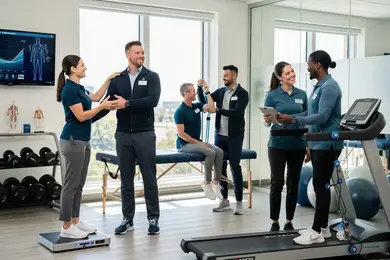
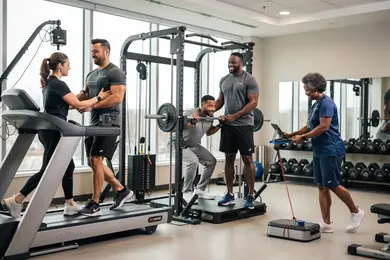
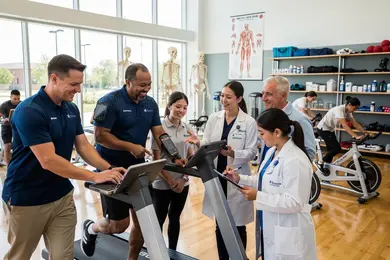
Hands-on rehabs and clinical skills differentiate campus from online exercise science clinical training programs, influencing workforce readiness substantially. Campus settings grant students direct access to specialized labs like biomechanics and kinesiology, facilitating real-time data collection and face-to-face feedback essential for applying nuanced rehabilitation techniques in hospital environments.
For example, aspiring recreational therapists must complete supervised clinical hours to acquire tactile assessment skills and adapt therapy plans dynamically-experiences more consistently delivered through campus programs.
Online programs compensate with virtual simulations and recorded demonstrations, but clinical placements rely heavily on varied local partnerships, imposing a need for greater student initiative to secure quality clinical internships. This variability can extend program duration and complicate meeting employer expectations, particularly where hospital and rehab workplaces prioritize proven hands-on competencies to ensure patient safety and treatment efficacy.
The employment outlook further clarifies this dynamic: recreational therapists earned a median annual wage of $53,060 in 2023 with a projected 10% growth through 2032, above the national median wage. Candidates failing to demonstrate robust clinical training risk diminished employability in these growth areas.
Prospective professionals should weigh these tradeoffs pragmatically:
- Campus programs streamline access to essential clinical environments but may require relocation or commuting.
- Online exercise science clinical training differences demand self-motivation to obtain consistent, quality hands-on exposure necessary for credentialing and employment.
Those considering advanced educational pathways can also explore related fields like the online data science PhD, which aligns with evolving healthcare analytics roles.
What admission requirements and prerequisites do online exercise science bachelor's programs typically have?
Admission requirements for online exercise science bachelor's programs in the US commonly include a minimum GPA between 2.5 and 3.0, completion of foundational courses in biology, chemistry, and math, and often prior anatomy and physiology coursework. These scientific prerequisites align with program goals to prepare students for hospital and rehab careers where applied knowledge impacts patient outcomes.
Applicants may face the tradeoff of balancing prerequisite completion with existing professional or personal obligations, particularly adult learners transitioning into clinical roles.
Employers in cardiac and chronic disease rehabilitation increasingly prioritize graduates who have taken coursework tailored to credentialing exams like the Certified Exercise Physiologist (CEP). This alignment influences employability in hospital-based rehab environments, where program curricula must mirror workforce demands.
The rise in cardiac rehabilitation participation by roughly 60% from 2010 to 2021 reflects expanding opportunity but also intensifies the necessity for accredited knowledge and hands-on skills.
Practical challenges include navigating transfer credits and program policies to avoid extending time to degree or increasing cost. Securing access to online labs or internships crucial for hospital and rehab settings adds complexity, especially for working professionals.
Prospective students should carefully evaluate how programs verify prerequisites and facilitate credit transfer to maintain workforce readiness. For those considering further specialization, exploring related pathways such as online MSN PMHNP programs may offer complementary clinical advancement.
Common prerequisites for online bachelor degrees in exercise science for hospital and rehab careers thus serve as both gatekeepers and foundational elements, shaping not just admission but long-term career alignment and professional success.
How long does an online exercise science bachelor's take, and what does the curriculum cover?
Choosing an online exercise science bachelor's degree involves balancing curriculum rigor, practical training, and the flexibility needed by working professionals. While a traditional full-time path demands roughly four years, accelerated options can shorten this to three years, provided students manage heavier course loads and complete prerequisites promptly. Part-time schedules extend completion but accommodate those juggling employment and family responsibilities.
Key curriculum elements include human anatomy, physiology, biomechanics, kinesiology, exercise physiology, nutrition, motor learning, and therapeutic exercise. However, the inherent limitations of remote learning necessitate internships or practicum placements within local rehab or healthcare settings to develop hands-on competencies vital for clinical roles.
Employers prioritize graduates skilled in patient safety, clinical documentation, interdisciplinary collaboration, and evidence-based intervention. Consequently, programs integrating these aspects bolster employment prospects.
Median annual tuition ranges from $8,000 to $9,000 for leading online programs, offering a cost advantage compared to the national average in-state undergraduate tuition near $10,700. This makes remote study viable for individuals such as full-time physical therapy aides who can complete prerequisites online while arranging clinical rotations close to home.
- Degree length depends on the student's ability to manage course intensity alongside work and personal demands.
- Practicum experiences counterbalance remote theory by ensuring real-world clinical preparedness.
- Employability hinges on demonstrated competencies in assessment and patient-centered interventions.
- Lower tuition and flexible delivery enable ongoing workforce participation during study.
What concentrations or tracks best support hospital and rehabilitation career pathways in exercise science?
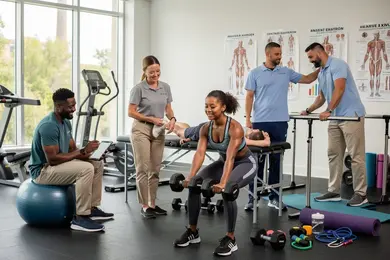
Hospital and rehabilitation careers in exercise science demand specialized skills that go beyond general fitness training. Concentrations like clinical exercise physiology, rehabilitation science, and therapeutic exercise equip students with the practical expertise needed to work with medically complex patients recovering from injury or chronic illness.
For example, clinical exercise physiology prepares students to design and implement programs for cardiac rehab patients under strict safety protocols, reflecting employer expectations for clinical competency.
Workforce requirements heavily favor candidates who have completed supervised clinical practicums in healthcare settings. These real-world experiences expose students to interdisciplinary communication, patient management routines, and documentation standards, improving job readiness significantly. Graduates lacking hands-on exposure often struggle to balance exercise prescription against medical risks, a critical deficiency in hospital and outpatient rehab roles.
- Integrated internships enhance familiarity with clinical assessment tools and therapeutic modalities.
- Coursework in pathophysiology and emergency procedures sharpens decision-making under pressure.
- Proficiency in electronic health records supports compliance and outcome tracking.
Employment data from the U.S. Bureau of Labor Statistics projects a 15% growth in fitness trainer and instructor roles within hospital and rehab contexts, highlighting expanding opportunities for those with clinically oriented training and documentation skills.
What jobs can you get in hospitals and rehab settings with an online exercise science bachelor's?
Graduates holding an online bachelor's in exercise science typically fill supportive roles in hospital and rehabilitation environments, such as rehabilitation aide, clinical exercise specialist, patient care coordinator, or, in certain states, physical therapy assistant.
These positions require executing prescribed exercise plans, tracking patient progress, and aiding in education efforts under licensed clinicians' supervision. For example, a clinical exercise specialist working in cardiac rehabilitation applies targeted, evidence-based interventions designed to improve cardiovascular outcomes.
The degree itself does not confer eligibility to practice as a physical therapist but establishes a foundational knowledge base important for advanced study in physical therapy, occupational therapy, or physician assistant programs.
According to the U.S. Bureau of Labor Statistics, physical therapists earned a median annual wage of $99,710 in 2023 with a projected job growth of 15% through 2032, equating to roughly 13,900 new positions yearly. This indicates strong demand for those completing requisite graduate-level qualifications.
Employment realities necessitate obtaining hands-on clinical experience via internships or practicums, as hospitals and rehab centers prioritize practical skills alongside academic credentials. Graduates face limited decision-making autonomy without further licensure and must plan strategically to meet state-specific requirements, particularly for roles such as physical therapy assistants. Weighing immediate employment opportunities against postgraduate licensing costs and time is critical.
- Rehabilitation aide and clinical specialist roles often act as entry points into hospital-based exercise science careers.
- Future advancement generally requires accredited graduate preparation and clear licensing pathways.
- Checking local state regulations is essential before targeting particular rehabilitation or hospital positions.
What are the salary expectations and job outlook for exercise science roles in clinical and rehab environments?
Salary ranges for strength and conditioning coaches in clinical and rehab settings vary notably, typically spanning from $68,331 to $98,563. The highest salaries appear in collegiate and professional sports environments, where performance standards and financial resources exceed those of hospital or clinical employers. Hospital settings tend to offer median or lower-end salaries reflecting budget limitations and institutional pay scales.
The job outlook is positive, driven by demographic shifts such as aging populations and a growing focus on chronic disease management and preventative care. Employers prioritize candidates with hands-on clinical experience in therapeutic exercise, biomechanics, and patient communication, making programs with clinical practicums more valuable in the hiring process.
Key tradeoffs exist: securing higher pay often hinges on advanced certifications or specialization in subfields like sports rehabilitation or clinical exercise physiology. Graduates without these credentials may face slower wage growth and limited advancement despite holding relevant degrees.
Consider this scenario: a recent graduate with board certifications and targeted clinical practicum experience can command a starting salary near $85,000. Meanwhile, peers lacking specialized credentials may start closer to $65,000 with more gradual increases. When evaluating educational pathways, assessing program outcomes such as employer network strength and graduate placement is critical for informed decision-making.
What certifications or licenses might you need after an exercise science bachelor's for hospital and rehab work?
Holding a bachelor's in exercise science alone rarely grants direct access to clinical roles within hospital or rehabilitation environments. Employers demand specific certifications or licensure aligned with patient care and reimbursement protocols.
For instance, positions in cardiac rehabilitation generally require credentials such as Certified Strength and Conditioning Specialist (CSCS) or American College of Sports Medicine Certified Exercise Physiologist (ACSM-EP). These certifications validate clinical exercise testing and program prescription skills critical in medically supervised settings.
Similarly, roles that support physical or occupational therapy workflows typically mandate licensure as a Physical Therapy Assistant (PTA) or qualifications as a Certified Occupational Therapy Assistant (COTA). State licensing boards require graduation from accredited programs and passing rigorous examinations, which extends beyond what a general exercise science degree covers.
Without these credentials, graduates remain confined to non-licensed wellness roles devoid of hands-on clinical responsibilities.
Strategic credentialing matters because hospital employers tailor hiring around specific patient populations and payer requirements, including Medicare. Those aiming for neuro rehab, cardiac rehab, or outpatient therapy roles must bridge foundational exercise science coursework with regulated healthcare scopes of practice. Failure to do so narrows job prospects despite a national demand with roughly 74,200 annual openings referenced by labor data.
The median wage near $46,180 reflects positions requiring recognized certifications rather than basic exercise science qualifications. Graduates must weigh the investment in additional certification or licensure against the practical ability to access stable, credentialed positions within integrated healthcare systems.
How can you choose a reputable, affordable online exercise science program focused on hospital and rehab careers?
Choosing an exercise science program requires prioritizing accreditation and clinical placement as non-negotiables, since hospital and rehabilitation employers expect verified academic standards and demonstrable hands-on skills.
Regional or specialized accreditation signals that the curriculum meets these expectations, but clinical partnerships define a program's real-world value by providing targeted internships that integrate patient care environments, such as cardiac rehab or concussion management units.
Cost assessment must extend beyond tuition to include fees like labs or clinical supervision. Programs offering flexible pacing or generous transfer credit policies can reduce time-to-degree and total financial burden, a critical consideration given the lifelong impact of student debt. Comparing net costs, rather than sticker price, better aligns financial decisions with long-term resilience.
The U.S. Bureau of Labor Statistics projects employment growth between 9% and 11% across allied health specialties relevant to exercise science, but prospective students should focus on whether a program's curriculum addresses licensure prerequisites and evolving clinical demands. For instance, a student targeting cardiac rehabilitation needs formal training and access to cardiac patient populations rather than a generic exercise curriculum.
Assessing alumni employment outcomes and employer feedback offers tangible evidence of a program's capacity to prepare students for durable roles in healthcare settings. Transparent outcome data helps identify programs that not only claim relevancy but demonstrate consistent workforce integration.
Other Things You Should Know About Exercise Science
Many programs require an in-person practicum or clinical observation component, often 50 to 150 hours, even when the degree is online. Students usually complete these hours in approved hospitals, rehabilitation clinics, or outpatient therapy sites under a licensed supervisor.
Healthcare employers typically prioritize clinical skills and relevant certifications over the program's delivery mode, but skepticism about fully online degrees persists in some settings. Graduates should ensure their degree is regionally accredited and complemented by internships or certifications to strengthen employability. Choosing programs with strong employer connections and career services often improves job placement outcomes in hospital and rehab fields.
Programs that incorporate synchronous learning, virtual simulations, and integrated lab assignments deliver more effective preparation for rehab roles than purely asynchronous courses. Real-time interaction with instructors and peers enhances the understanding of clinical scenarios and rehabilitative techniques. Prioritizing these formats improves skill acquisition and aligns more closely with employer expectations for practical readiness.
References
- Online Exercise Science Program https://stmary.edu/online-programs/exercise-science.html
- Online Exercise Science Degrees: Top School Review https://www.edumed.org/online-schools/exercise-science-degrees/
- Medical Exercise Specialist Certification | ACE https://www.acefitness.org/fitness-certifications/certified-medical-exercise-specialist/default.aspx
- ESSA's career guide for Accredited Exercise Scientists https://www.essa.org.au/Web/Web/Resources/Tools-and-templates/ESSA-AES-Guide.aspx
- Top 20 Careers With a Master’s in Exercise Science | PLNU https://www.pointloma.edu/resources/health-sciences/top-20-careers-masters-exercise-science
- Kinesiology and Exercise Science Careers Guide https://teach.com/online-ed/healthcare-degrees/online-bachelors-kinesiology-exercise-science/career-outlook/
- Exercise Science Degree Programs Lead to Rewarding Careers in Health and Fitness https://www.carrollcc.edu/articles/exercise-science-degree-programs-lead-to-rewarding-careers-in-health-and-fitness/
- Clinical Exercise Physiologists in the Workforce https://acsm.org/cep-in-the-workforce/
- Exercise Physiologist Career https://explorehealthcareers.org/careers/sports-medicine/exercise-physiologist/
- Online Bachelor's in Exercise Science Online Curriculum https://online.maryville.edu/online-bachelors-degrees/exercise-science/curriculum/