2027 DNP Careers in Advanced Practice Nursing

Co-Founder and Chief Data Scientist
Facing increasing workloads and complex patient needs, many advanced practice nurses struggle to find flexible education options that accommodate full-time employment while ensuring meaningful clinical training. According to the National Center for Education Statistics, online enrollment for graduate health programs surged by over 40% between 2020 and 2023, a shift revealing heightened demand for adaptable schedules without compromising accreditation or career-relevant competencies.
This trend reshapes how aspiring nurse leaders time their education against workforce demands and personal obligations. This article evaluates current DNP career pathways, emphasizing program structures, workforce integration, and strategic choices to optimize professional advancement amid evolving healthcare pressures.
Key Things You Should Know
- Demand for DNP-prepared nurses grew 15% annually through 2024 per Bureau of Labor Statistics data, pressuring employers to favor advanced practice nurses with specialization over generic credentials, limiting entry-level mobility.
- Employers increasingly require DNP graduates to exhibit operational leadership alongside clinical expertise, as the American Association of Colleges of Nursing reports 78% of hiring managers prioritize management skills, constraining purely clinical career tracks.
- Lengthy programs averaging 3.5 years combined with rising tuition costs-median $40,000 in 2024 according to NCES-force many candidates to weigh delayed earnings against long-term advancement, complicating timing of career pivots.
What is a DNP and how does it prepare nurses for advanced practice careers?
Doctor of Nursing Practice scope and career opportunities hinge on the ability of DNP-prepared nurses to meet complex clinical challenges while navigating healthcare system demands. Unlike traditional master's programs, these doctorate curricula combine evidence-based practice with quality improvement initiatives, enabling graduates to lead systemic changes affecting patient outcomes and operational efficiency.
In settings such as primary care facilities facing physician shortages or hospital systems accelerating value-based care, nurses with a doctor of nursing practice prepare nurses for advanced clinical roles by assuming leadership in interdisciplinary teams managing protocols and patient care. The degree requires extensive clinical hours and a terminal scholarly project, emphasizing applied decision-making over theoretical knowledge to meet employer expectations for advanced practice clinicians.
Job prospects reflect this training, with a 35% growth projection for advanced practice registered nurses from 2024 to 2034 and around 37,200 openings annually, according to the American Association of Colleges of Nursing. This growth supports roles across nurse practitioners, clinical nurse specialists, nurse anesthetists, and nurse midwives in diverse healthcare environments.
However, the time commitment (3 to 4 years full-time) and financial costs require careful consideration. Students should evaluate local policy landscapes and market demand to ensure program investment aligns with their professional goals. For those comparing options, exploring DNP programs can clarify pathways with varied intensity and requirements.
What advanced practice nursing roles can you pursue with a DNP degree?
Advanced practice nursing careers with a DNP degree vary significantly in scope, clinical demands, and career outcomes, affecting salary potential and work environments. For example, nurse practitioners (NPs) often serve diverse populations, combining autonomous care with collaboration in primary or acute settings. Conversely, nurse anesthetists (CRNAs) assume high-stress roles in surgical and pain management contexts, generally earning higher wages but facing more intense clinical pressure. These distinctions highlight how the highest paying roles for DNP graduates usually coincide with greater responsibility and workload.
Enrollment in DNP programs is rising, from 42,767 students in 2024 to 44,976 in 2025, illustrating employer valuation of advanced clinical and leadership expertise. Still, candidates must balance this against the extended educational timeline and consider whether roles emphasizing leadership and system-wide quality improvement, such as clinical nurse specialists (CNS) or nurse executives, align with their professional ambitions.
Practical career planning includes assessing state licensure rules and understanding that some health systems prefer using the DNP for leadership track roles rather than bedside practice. For those seeking top executive or policy consulting positions, pairing a DNP with leadership experience is often essential. Evaluating geographic flexibility and employer preferences ensures strategies fit long-term goals. Professionals exploring this pathway may also investigate the financial investment with resources like this online PhD nursing guide for cost-effective doctoral options.
How does a DNP compare to an MSN for advanced practice nursing opportunities?
A DNP degree distinctly positions nurses for leadership and broad system-change roles that an MSN typically cannot fulfill. This difference is pivotal when targeting advanced practice nursing career opportunities with DNP versus MSN pathways. While both qualify for clinical roles, the DNP curriculum emphasizes systems leadership, evidence-based quality improvement, and health policy development, preparing graduates for executive responsibilities such as director or chief nursing officer positions.
Only about 2.7% of U.S. registered nurses held a doctoral degree as their highest credential by 2024, adding a competitive advantage to DNP holders in the healthcare labor market. Employers seeking transformational leaders or academic appointments with research and policy components prioritize DNP credentials, since an MSN often covers clinical leadership without the same depth in change management or organizational strategy.
Consider a clinical nurse specialist aiming to move into hospital administration. An MSN may offer clinical credibility but frequently requires more experience or supplementary credentials to bridge into administration. The DNP integrates leadership coursework and practical projects tailored for these roles, reducing transitional friction and aligning better with employer expectations.
This distinction also entails different time and financial investments. Prospective students eyeing a nurse practitioner accelerated program can find MSN tracks focusing on clinical practice more accessible, while the DNP demands a heavier emphasis on research and leadership at the cost of increased commitment.
Deciding between these paths depends on whether your goals center on deep clinical expertise or on influencing healthcare policy and systems at scale.
What are the typical admission requirements for DNP programs in advanced practice nursing?
The typical admission requirements for DNP programs in advanced practice nursing impose stringent prerequisites that directly impact candidates' career trajectories and market positioning. Beyond holding an unencumbered registered nurse (RN) license, applicants usually need a master's degree in nursing practice or a closely related field, especially for BSN-to-DNP tracks. A minimum undergraduate GPA of 3.0 to 3.2 coupled with at least one year of full-time clinical nursing experience serves as baseline proof of practical skills and readiness for complex patient care scenarios. This threshold is non-negotiable for programs oriented toward producing clinicians prepared for advanced roles in increasingly specialized environments.
Applicants must also demonstrate successful completion of advanced coursework in pharmacology, pathophysiology, and health assessment, aligning with doctoral-level expectations. While GRE scores are less commonly mandated, programs with a strong research focus maintain this as a selection criterion. Professional references assessing leadership, clinical judgement, and critical thinking remain consistent filters in candidate evaluation. A detailed personal statement further reveals candidates' alignment with program objectives and professional dedication.
For nurses eyeing specialization tracks-such as nurse anesthesia or nurse midwifery-additional certifications or targeted prerequisites shape admissibility, reflecting workforce segmentation and credentialing complexity. Realistically, matching clinical experience to these tracks influences employability and specialization viability. The U.S. Bureau of Labor Statistics reports an average salary of $129,480 for nurse anesthetists, nurse midwives, and nurse practitioners, underscoring the tangible financial payoff for meeting these standards.
Practitioners exploring alternatives should consider functional medicine nurse practitioner programs as a pathway with distinct prerequisites and a growing sector appeal.
These advanced practice nursing DNP program prerequisites and qualifications require careful consideration of both educational investment and labor market dynamics to ensure strategic advancement within the evolving healthcare landscape.
How long do DNP programs take, and what do they cost for advanced practice nurses?
The timeline and cost of DNP programs present a significant decision point for practicing nurses balancing clinical roles and advancement ambitions. Nurses entering with a master's degree often complete a post-master's DNP in about 1.5 to 3 years, whereas those pursuing the degree directly after a bachelor's can expect 3 to 4 years. This difference impacts not only time away from clinical duties but also the opportunity cost of lost income, a major consideration for working professionals.
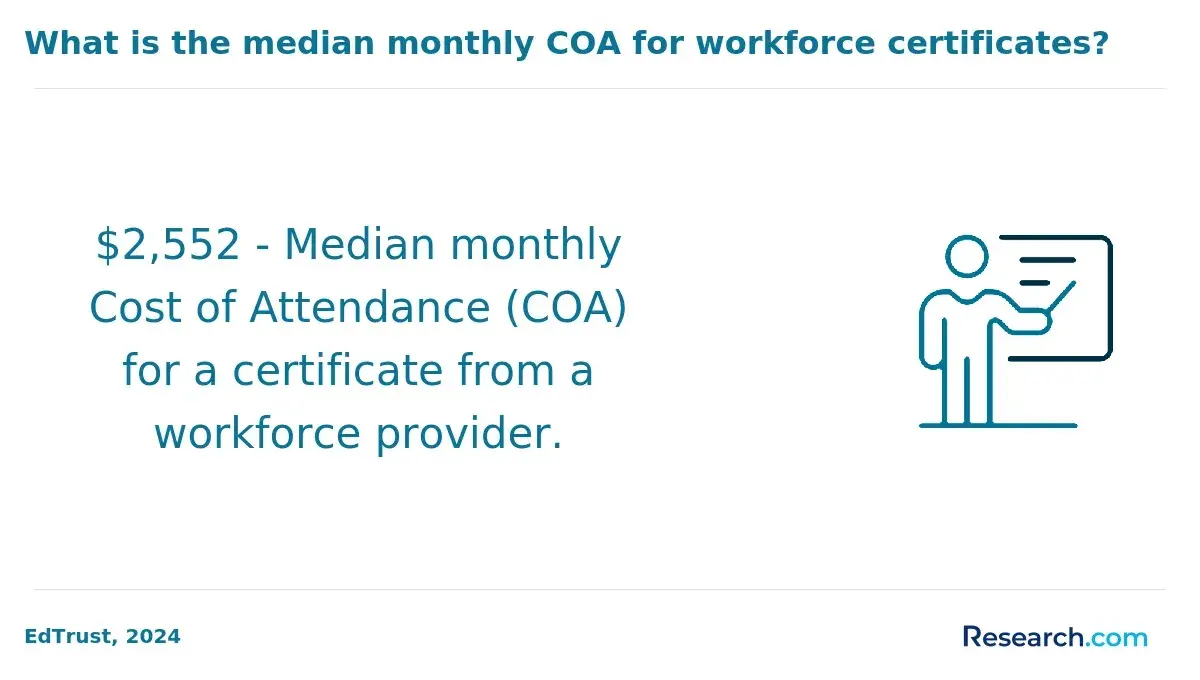
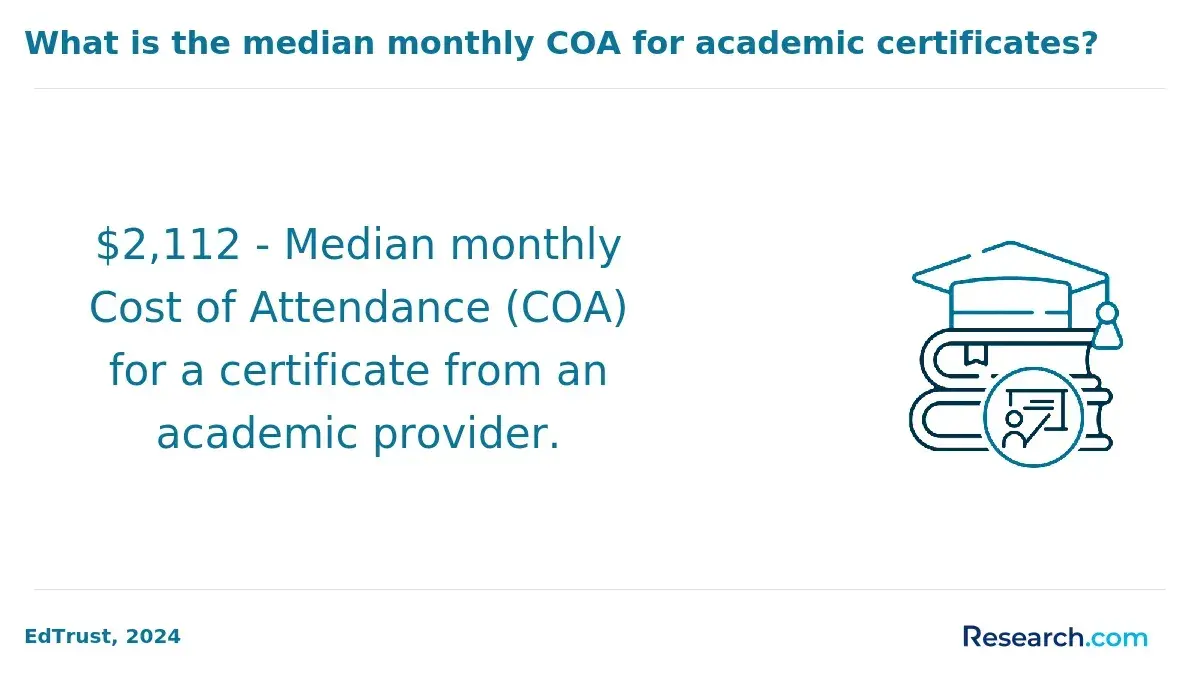
Tuition can range widely-from approximately $20,000 to over $150,000-depending on whether the program is public or private, in-state or out-of-state, and online versus on-campus. When evaluating programs, it is essential to factor in total cost of attendance including fees and technology expenses, as well as potential lost wages during practicum hours.
Employers increasingly expect DNP graduates to exhibit leadership and advanced scholarly inquiry capabilities, particularly for roles in healthcare policy or executive management. Nurses focused on specialized clinical practice might find shorter post-master's programs more practical and cost-effective.
Practical considerations for prospective students include:
- Evaluating employer tuition reimbursement to ease financial burden
- Selecting programs with established clinical partnerships to reduce unpaid practicum time
- Considering part-time enrollment to maintain steady income
- Confirming accreditation to ensure licensure and certification eligibility
What coursework and clinical training are included in DNP advanced practice nursing programs?
The demanding nature of DNP advanced practice nursing programs reflects the dual necessity of immediate clinical competency and leadership readiness. Students face coursework emphasizing advanced pathophysiology, pharmacology, and health assessment, which form a scientific base essential for nuanced clinical judgments. This foundation is paired with healthcare systems education focused on operational leadership, preparing graduates to manage the complex realities nurse practitioners encounter within diverse environments.
Clinical hours typically surpass 1,000, requiring rotations tailored to specialty areas-acute care nurse practitioners may find themselves in intensive care units or emergency departments, while family nurse practitioners concentrate on outpatient and community health settings. This diversity in clinical environments ensures graduates possess adaptable skills aligned with employer expectations across care models.
Additional coursework in informatics and quality improvement addresses employer demands for data-savvy nurse leaders capable of driving patient outcomes and system efficiency. Capstone projects further cement practical problem-solving abilities applied directly to clinical or administrative challenges.
The proportion of nurse practitioners with DNP credentials has increased noticeably, influencing staffing requirements and complicating work-study balance. Working professionals must navigate intense academic loads, clinical placements, and logistical challenges such as childcare and transportation. Careful planning and employer support are critical to maintain progress without undue delay.
How do online DNP programs in advanced practice nursing differ from campus-based options?
Choosing between online and campus-based DNP programs involves careful consideration of how each pathway shapes clinical training and workforce positioning. Online programs excel in flexibility, catering to working professionals through asynchronous coursework, but require students to independently secure clinical placements. This can extend practicum timelines and reduce consistency, especially for nurses in rural areas with limited advanced preceptors. Campus programs, by contrast, connect students to established healthcare networks for clinical supervision, streamlining placement but demanding physical attendance and geographic commitment.
Employer preferences reflect these differences. Integrated health systems often favor campus-trained graduates for their embedded institutional experience and faculty-monitored clinical hours, particularly in intensive specialties like nurse anesthesia or psychiatric mental health. However, as DNP programs have expanded nationally, online graduates increasingly gain footing across diverse healthcare settings. Prospective students should weigh these dynamics against their learning style, job status, and clinical site access to select the mode that aligns with their career targets.
- Online: greater schedule flexibility, potential variability in clinical experiences, possible additional technology fees
- Campus: structured clinical placement with direct supervision, less schedule flexibility, commuting or relocation requirements
The choice impacts not only completion time but also market signaling and practical readiness, making it vital to match program format with individual circumstances and employer expectations amid evolving healthcare workforce demands.
What accreditation and licensure requirements apply to DNP-prepared advanced practice nurses?
Advanced practice nurses holding a DNP face significant variability in licensure and certification requirements that directly affect job mobility and autonomy. National certification through bodies like the American Nurses Credentialing Center (ANCC) or the American Association of Nurse Practitioners (AANP) is mandatory, but state licensure laws differ sharply-particularly regarding prescriptive authority and the freedom to practice independently. For example, in restrictive states, DNP APRNs may be required to enter collaborative agreements with physicians, limiting their operational scope and influencing both employment options and workplace autonomy.
The majority of registered nurses remain employed in hospital settings, where employers typically prioritize inpatient-focused certifications and active state licenses that align with hospital protocols. Conversely, outpatient or community health employers may emphasize broader prescriptive licenses or public health credentials, creating a credentialing nuance that professionals must anticipate when pivoting roles to avoid misalignment with employer expectations.
Certification and licensure renewals usually occur every 2 to 5 years, involving ongoing continuing education units (CEUs) and practice hour requirements. These administrative renewals include financial costs and documentation diligence. Noncompliance risks include suspension or revocation of licenses and curtailed prescriptive rights, impairing employability and professional growth. Prospective DNP students should weigh the benefits of national certification against complex and variable state regulations when planning their career trajectories.
What salary ranges and earning potential can DNP-prepared advanced practice nurses expect?
Salary outcomes for DNP-prepared advanced practice nurses vary substantially by specialization, employment setting, and geography, requiring a strategic approach to career decisions. Certified registered nurse anesthetists (CRNAs) lead with median earnings around $195,000 annually, accompanied by robust job growth projections of 35% over the next decade, indicating strong labor market demand and relative job security.
Other advanced nursing roles show divergent salary bands: nurse practitioners typically earn $110,000 to $150,000, while clinical nurse specialists fall between $95,000 and $130,000. Employment context heavily influences compensation; hospitals and outpatient surgical centers offer higher pay but often demand longer, less predictable hours compared to primary care clinics, which provide more stable schedules but lower wages.
Geographic location also introduces tradeoffs. Urban centers present higher salaries offset by increased living expenses, whereas rural or underserved area roles may compensate with loan repayment incentives despite lower base pay. Those pursuing managerial roles within organizations generally experience salary premiums exceeding $20,000 over strictly clinical positions, reflecting added responsibility and leadership demands.
Graduates should critically evaluate whether the DNP credential translates into tangible financial benefits for their chosen specialization and employer type, as not all settings reward the doctorate equivalently-especially outside anesthesiology. Aligning career goals with market realities and lifestyle preferences supports prudent long-term planning for sustainable professional satisfaction.
What is the job outlook and demand for DNP-educated advanced practice nurses in the U.S.?
The growing gap between enrollment and graduation rates in DNP programs shapes the job market in complex ways. Enrollment soared to 44,976 in 2025, yet only 12,207 graduated, reflecting extended time-to-degree challenges that delay workforce entry. This dynamic affects employer preferences based on organizational needs and budget constraints.
Healthcare employers weigh tradeoffs when choosing DNP graduates over master's-level advanced practice nurses. Rural clinics and outpatient centers, facing urgent staffing shortages and cost pressures, often prioritize quicker-to-enter candidates. In contrast, large academic medical centers invest in DNP-prepared nurses, valuing their advanced leadership capabilities and evidence-based practice expertise, particularly in primary care shortage areas and intricate hospital environments.
Prospective DNP candidates should consider these factors carefully:
- Program length and completion rates directly impact how soon they can enter the workforce.
- Regions with fewer graduates may see temporary stagnation in starting salaries and job openings, despite long-term demand from aging populations and increasing chronic disease.
- Specialist roles often require competitive credentialing, necessitating strategic alignment of program choice with local workforce demands.
For nurses pivoting careers or enhancing clinical skills, realistic expectations about market dynamics and timing shape better job outcome strategies.
Other Things You Should Know About DNP
Not all leadership roles require a DNP, but the degree increasingly becomes a strong differentiator, especially in academic, administrative, and policy positions. Employers often expect DNP holders to bring evidence-based expertise and system-level thinking, which surpasses clinical skills alone. Prioritizing a DNP is advisable if your goal includes executive roles or influencing healthcare practice beyond direct patient care.
In 2027, DNPs often engage in more leadership, policy-making, and research roles compared to those with an MSN. While both DNP and MSN nurses maintain clinical responsibilities, DNPs tend to handle a greater scope of administrative and strategic tasks, influencing healthcare systems and outcomes.
While many employers recognize the advanced expertise of DNP graduates, pay differentials compared to MSN-prepared nurses vary widely by region, specialty, and facility type. Larger systems and academic centers are more likely to offer higher salaries for DNP qualifications, but in many settings, compensation differences remain marginal. If salary increase is the main motivation, evaluate local job markets carefully before investing in a DNP.
The clinical hours required for DNP programs focus on leadership, quality improvement, and population health rather than intensive direct patient care. This shift means DNP graduates may have less hands-on clinical exposure compared to traditional APN-focused training. For those aiming to maintain high clinical proficiency, supplementing DNP education with additional clinical practice or certifications is recommended.
References
- How Long is an MSN-to-DNP Program? Length of MSN-to-DNP Programs https://www.onlineeducation.com/nursing/faqs/how-long-is-an-msn-to-dnp-program
- About the Doctor of Nursing Practice (DNP) https://www.aacnnursing.org/our-initiatives/education-practice/doctor-of-nursing-practice/about-the-dnp
- DNP vs Ph.D. in Nursing Degree - What’s the Difference? https://nursinglicensemap.com/nursing-degrees/dnp-degree-programs/dnp-vs-phd-in-nursing/
- Learnsic https://learnsic.com/blog/what-is-a-dnp-degree-advanced-nursing-degree-guide
- The 4 Advanced Practice (APRN) Careers in Nursing https://www.pointloma.edu/resources/nursing/4-advanced-practice-aprn-careers-nursing
- DNP Jobs and Outcomes for Graduates https://onlinedegrees.bradley.edu/blog/dnp-jobs
- The Complete Guide to DNP Programs: Online, Campus, and Hybrid https://www.onlinefnpprograms.com/guides/guide-to-dnp-programs/
- The Value of the DNP; Job Market Outlook/Compensation https://doctorsofnursingpractice.org/forums/topic/the-value-of-the-dnp-job-market-outlook-compensation/
- DNP Careers for Advanced Nurse Practitioners | Maryville Nursing https://nursing.maryville.edu/blog/dnp-careers-for-advanced-nurse-practitioners
- Advancing Your Nursing Career With a DNP https://www.saintmarys.edu/graduate-studies/nursing/nursing-practice/dnp-article