2027 Software Engineering Degree Programs for Career Changers

Co-Founder and Chief Data Scientist
Many working adults face challenges reskilling for software engineering careers due to outdated academic paths and time constraints. Nearly 45% of software engineering students in the U. S. are over 25 years old, signaling a significant portion of adult learners pursuing career shifts. Traditional degree programs often do not address the unique needs of career changers balancing jobs and families. This article explores tailored software engineering degree programs designed to support adult learners, focusing on flexible schedules, practical curricula, and industry-relevant skills. It aims to guide prospective students in selecting the right program to transition efficiently and confidently into software engineering.
Key Things to Know About Software Engineering Degree Programs for Career Changers
- Many programs offer flexible scheduling with evening or weekend classes, enabling working adults to balance education, employment, and personal responsibilities efficiently.
- Online and hybrid formats are common, providing accessibility and allowing career changers to progress without relocating or disrupting their current jobs.
- Employer-aligned curricula and accelerated pacing prepare students rapidly for software engineering roles, with 82% of graduates reporting employment within six months of program completion.
What Software Engineering Programs Accept Career Changers?
Many software engineering programs are designed to support working adults and professionals seeking a career change by offering flexible prerequisites and practical curricula that accommodate busy schedules. Nearly 40% of graduate students are adult learners balancing education with work and personal life, highlighting the importance of adaptable program structures for career changers.
Commonly accepted software engineering programs for career changers include:
- Accelerated Bachelor's Degrees: These programs leverage previous coursework or work experience to shorten completion time, making them ideal for career changers who want a faster route into the software engineering field without sacrificing depth.
- Master's Degrees: Offering advanced technical skills, these degrees often provide flexible admissions for nontraditional students and focus on practical applications to help professionals pivot their careers confidently.
- Post-Baccalaureate Certificate Programs: Tailored for those with non-technical undergraduate degrees, these certificates concentrate on core software engineering concepts with minimal prerequisites, providing a direct pathway into the field.
- Bootcamp-Integrated Degree Programs: Combining intensive coding bootcamps with formal coursework, these options emphasize hands-on experience and rapid workforce readiness, meeting the needs of career changers seeking practical skill development.
These program types address common barriers such as knowledge gaps and scheduling challenges by offering targeted content and formats suitable for diverse learners. For professionals exploring options like EDD programs, understanding flexible software engineering programs can inform strategic career decisions.
What Software Engineering Specializations Are Best for Career Changers?
Selecting the right software engineering specialization is essential for career changers as it aligns with their existing skills and accelerates entry into high-demand roles. Employment in software development is expected to grow 22% from 2020 to 2030, well above the average for all occupations, highlighting strong opportunities across various focus areas. The following specializations are particularly well suited for those transitioning from other fields.
- Web Development: This specialization leverages skills in design, content management, or marketing, making it accessible for newcomers. It offers rapid career entry and plentiful job openings, ideal for those seeking to pivot quickly into software engineering.
- Quality Assurance (QA) Engineering: QA emphasizes testing and process improvement, making it appealing for detail-oriented professionals. Transferable analytical skills provide a foundation for success in ensuring software reliability and performance.
- Data Engineering: Targeted at individuals with backgrounds in data analysis or mathematics, data engineering focuses on constructing data pipelines and infrastructure. The growing demand for data-driven decision-making enhances its career prospects.
- DevOps Engineering: Combining software development with IT operations, DevOps suits people with project management or systems administration experience. This specialization promotes cross-disciplinary mobility and continuous delivery practices.
Career changers exploring options for an engineering degree online will find these software engineering specializations helpful. Choosing the best software engineering focus areas for career transitions can maximize the use of prior skills and improve employment outcomes.
What Are the Admission Requirements for Career Changers Applying to a Software Engineering Program?
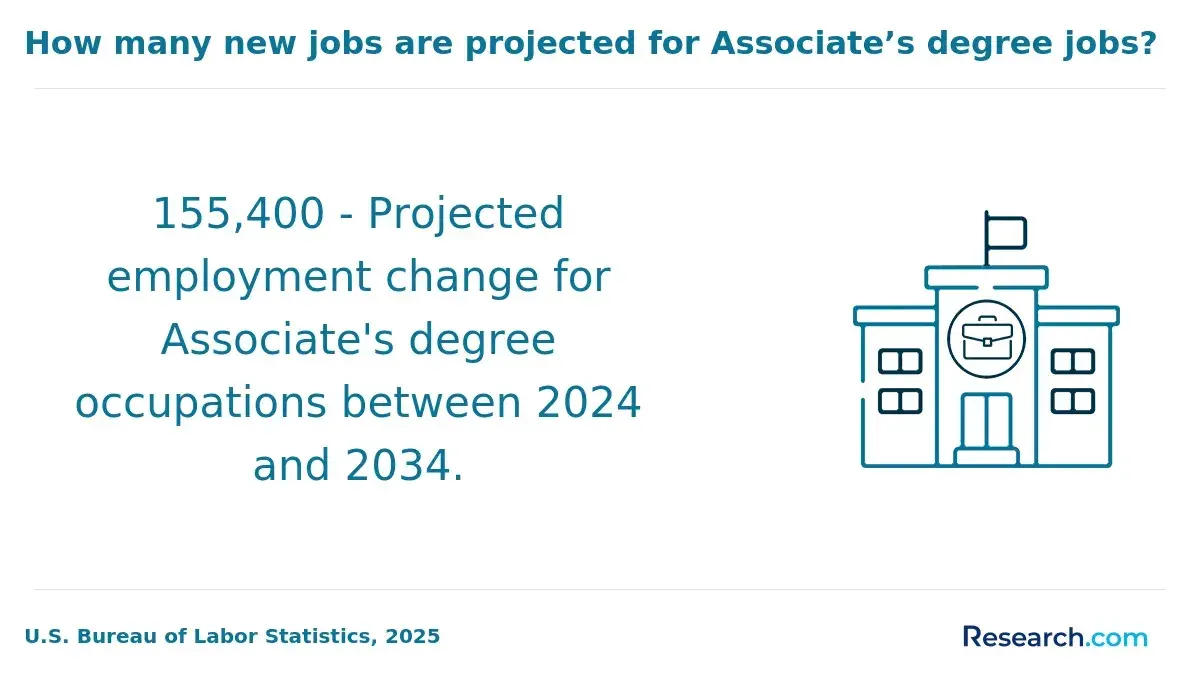
Career changers have unique challenges when pursuing software engineering programs, making knowledge of admission requirements especially crucial for smooth transitions. Over 40% of bachelor's degree recipients in the U.S. are adult learners or nontraditional students, underscoring the growing need for flexible enrollment options. Here are common prerequisites catering to career changers:
- Educational Background: A high school diploma or equivalent like a GED is the foundational requirement, ensuring a basic academic baseline for all applicants.
- Relevant Experience: Prior college coursework or professional experience in technical, analytical, or project-based roles often strengthens applications by highlighting transferable skills.
- Testing Flexibility: Standardized test scores such as SAT or ACT may be waived or optional for candidates who demonstrate substantial work experience, reducing barriers for nontraditional software engineering applicants.
- Personal Motivation: Letters of recommendation or personal statements explaining career change motivations and goals allow admissions to evaluate commitment and alignment with the program.
Many programs recognize that working professionals benefit from alternative qualification pathways like foundation or bridging courses, helping those without a traditional STEM background to prove readiness. Flexible part-time and online options support balancing study with ongoing professional and personal commitments. Those exploring interdisciplinary paths might also consider resources like a affordable online psychology masters to complement their software engineering skills.
For career changers balancing multiple obligations, knowing what to expect from software engineering coursework helps manage time and focus efforts effectively. The curriculum is structured to offer flexibility and real-world relevance, making it easier to stay engaged and apply learning promptly. Key components often consist of:
- Programming Fundamentals: These courses introduce core coding languages like Python, Java, or C++, emphasizing basic syntax, control flow, and data types to establish a coding foundation accessible for beginners and busy professionals alike.
- Data Structures and Algorithms: This area teaches methods for organizing data efficiently, equipping students with problem-solving skills by learning algorithm design and optimization techniques that address complex computational challenges.
- Software Development Methodologies: Students explore popular frameworks such as agile and DevOps, focusing on teamwork, iterative development, and quality processes that mirror modern industry workflows.
- Systems and Architecture: Coursework covers essential concepts relating to hardware, operating systems, and software interactions, helping learners understand the environment where applications run.
- Database Management: This section deals with organizing, retrieving, and storing data using tools like SQL, crucial for handling application data effectively.
- Capstone Projects or Practicums: Many programs include hands-on projects reflecting real business scenarios, encouraging learners to integrate theory with practice in a collaborative setting.
A professional I spoke with, who completed an online software engineering program as a preparation for career change, shared that "managing coursework alongside work was tough, especially during project deadlines." He said the "flexible schedule was key," allowing him to "fit studies into evenings and weekends." He recalled feeling overwhelmed initially but noted that "practical projects broke down concepts into manageable parts," which helped solidify his understanding. He also mentioned that collaborating with peers online "recreated a sense of classroom support," and that "knowing the curriculum was tailored for working adults made the transition less intimidating."
Career changers benefit greatly from knowing the types of software engineering programs available, as many options cater to busy adults balancing work and life. Currently, over 40% of students in online degree courses are adult learners, reflecting a strong shift toward flexible education models. Below are some popular formats designed to meet these needs.
- Online Degree Programs: These fully remote courses allow students to learn anytime and anywhere, providing maximum convenience and the ability to progress at their own pace.
- Part-Time Programs: By extending the duration of study, part-time options reduce weekly workload, making it easier for professionals managing jobs or family responsibilities.
- Evening and Weekend Classes: Tailored for individuals working traditional hours, these in-person classes take place outside regular work times to accommodate busy schedules.
- Hybrid Programs: Combining virtual coursework with face-to-face sessions, hybrids offer both flexible learning and hands-on experiences or group collaboration opportunities.
Selecting a format aligned with personal commitments can enhance learning accessibility and support a smoother career transition into software engineering roles.
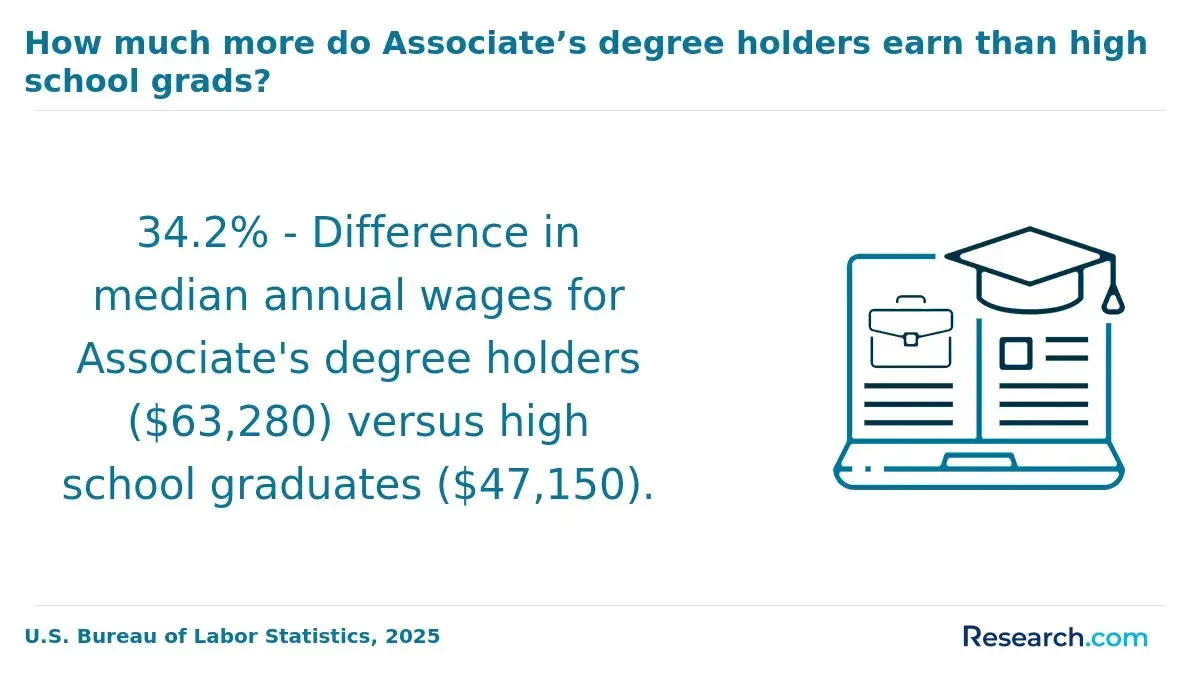
For professionals shifting careers, building relevant skills is crucial since 69% of employers now value practical technical and transferable abilities over formal education alone. This emphasis encourages learners to acquire competencies that align with real-world job requirements and ease their entry into the technology sector. Below are five core skills typically developed in a software engineering program that support this transition:
- Programming Expertise: Gaining proficiency in languages such as Python, Java, or JavaScript empowers career changers to contribute to software projects quickly by understanding syntax and writing functional code.
- Algorithmic Reasoning: Learning to devise and analyze algorithms enhances problem-solving capabilities, allowing individuals to write efficient, logical code and address complex technical challenges.
- Version Control Proficiency: Familiarity with tools like Git facilitates collaboration, enabling learners to manage code changes while working effectively in team-based and remote environments.
- Software Development Lifecycle: Understanding frameworks like Agile or Scrum helps learners grasp iterative development processes, improving their ability to plan, test, and deliver applications consistently.
- Debugging and Testing: Developing skills to systematically identify and resolve software errors strengthens code reliability and user trust, an essential aspect of professional software engineering.
A career changer who completed a software engineering program shared that moving into tech was initially overwhelming, with countless new concepts and fast-evolving tools to grasp. She recalled spending late nights debugging code and relearning how to approach problems methodically, often feeling frustrated but motivated by incremental progress. Over time, she noticed how mastering version control and collaborative workflows transformed her confidence, especially when joining team projects remotely. Reflecting on her journey, she said, "The combination of structured learning and real-world practice helped me connect the dots between past experiences and new technical expectations. It wasn't just about coding-it was about adopting a mindset and toolkit that employers truly value." This personal insight highlights how gaining these key software engineering skills supports not only technical growth but also professional adaptability and assurance in a new career.
Career changers pursuing a software engineering degree must carefully assess total program costs, as graduate education expenses in the U.S. have steadily increased, with average annual tuition and fees reaching approximately $19,792 in 2020-21. Planning finances is essential to balance education costs alongside existing obligations and avoid debt pitfalls. Below are key cost components to consider when exploring affordable software engineering programs for career changers.
- Tuition: This is the largest expense and can range from $10,000 to over $40,000 for a full software engineering degree. Costs vary based on whether the program is offered online, on-campus, or as a hybrid, as well as the institution's public or private status.
- Fees: Additional charges such as registration, technology, and lab fees typically add several hundred dollars each semester. These are sometimes overlooked but can increase the overall cost significantly.
- Textbooks and Supplies: Essential materials including textbooks, software licenses, and specialized equipment may cost anywhere from $500 to $1,500 per year. Access to up-to-date technology is a necessary upfront investment, especially for programming-intensive fields.
- Payment Flexibility and Financial Aid: Many programs offer installment payment plans or income-share agreements designed for working adults. Employer tuition assistance can sometimes offset tuition costs, particularly for part-time students. Scholarships and federal aid targeted at adult learners further help mitigate expenses.
- Learning Format: Online or hybrid software engineering degrees can reduce commuting and housing costs, making them cost-effective options for career changers who need to balance work and study commitments. Exploring resources like the online PhD organizational leadership programs might offer financial planning insights useful for adult learners.
Curriculum design is especially important for career changers pursuing a software engineering degree because it must efficiently bridge their existing experience with new industry requirements. This approach ensures adult learners gain relevant skills without unnecessary repetition, facilitating a smoother and faster transition. Below are ways a software engineering curriculum supports career transitions:
- Applied Learning: Programs emphasize hands-on coding, system design, and debugging exercises to help learners internalize concepts more effectively. This experiential approach builds confidence and practical skills essential for technical roles.
- Transferable Skill Development: Recognizing that career changers bring valuable expertise, curricula integrate critical thinking, problem-solving, and agile project management skills suited to software engineering. This alignment leverages prior knowledge while introducing domain-specific tasks.
- Flexible Pacing: Many courses offer part-time or hybrid formats, allowing working professionals to balance education with their personal and job commitments. Such flexibility is key to supporting adult learners' busy lifestyles.
- Real-World Projects: Embedded team-based projects simulate industry challenges and coding constraints, creating portfolios that demonstrate readiness to employers. These projects enhance collaboration and the application of theory in practice.
- Structured Progression: Clear pathways guide learners from foundational topics to advanced areas, minimizing redundant learning and catering to varied backgrounds. This ensures efficient skill acquisition tailored to individual needs.
Those exploring career changes can find valuable options among quick online degrees that pay well, including software engineering programs designed to build relevant skills efficiently for adult learners.
Knowing potential career outcomes helps individuals shifting into software engineering to strategically focus on roles aligned with their skills and background. Employment in software development is expected to expand by 25% between 2021 and 2031, indicating robust demand and opportunities for career mobility. Below are common positions that graduates typically consider.
- Software Developer: Responsible for designing, writing, and testing code for various applications. Problem-solving and project coordination abilities from previous roles often simplify the transition into this hands-on programming position.
- Quality Assurance Engineer: Focuses on creating testing procedures and identifying issues in software products. Attention to detail and analytical thinking developed in other fields support success in ensuring software reliability.
- Systems Analyst: Evaluates and optimizes IT systems to meet business needs. Prior experience in operations or management helps effectively translate technical solutions to organizational goals.
- DevOps Engineer: Oversees automation and deployment pipelines to improve development efficiency. Experience with IT infrastructure or operational workflows provides a strong foundation for these responsibilities.
- User Experience (UX) Designer: Enhances product usability through research and design. Backgrounds in design, research, or user-focused roles complement the skills needed to create intuitive interfaces.
Salary prospects are a key factor for professionals switching careers, as they impact both financial security and long-term satisfaction. Recent data reveals that individuals reskilled into technology roles, such as software engineering, can see average salary increases of up to 40% compared to their former positions. Below are typical salary ranges and factors influencing compensation in this field.
- Entry-Level Software Engineers: New graduates often earn between $70,000 and $90,000 annually, although prior experience in related areas can provide a salary boost even in early roles.
- Mid-Career Professionals: Those with 3 to 5 years of experience typically earn from $90,000 to $120,000, benefiting from expanded skills and increased responsibilities.
- Senior Engineers and Specialists: Seasoned experts frequently command salaries ranging from $130,000 to $160,000, depending on expertise and technical specialization.
- Industry Variation: Finance and technology sectors generally offer higher wages, reflecting the demand and profitability of these industries.
- Geographic Influence: Compensation varies widely by location, with major metropolitan areas like San Francisco and New York often providing premium pay to match living costs and market competition.
What Graduates Say About Their Software Engineering Degrees for Career Changers
- Derek: "Reflecting on my decision to pursue software engineering after years in another field, I recognize the value of that initial financial commitment-typically near $35,000 for career changers like me. While it was daunting, the knowledge I gained opened doors I never imagined would be accessible. Completing the program wasn't just an educational milestone; it was the key to redefining my professional identity. "
- Neil: "Transitioning to software engineering demanded a strategic approach, especially considering the cost, which was about $38,500 on average. Despite the expenses, the program's comprehensive curriculum equipped me with skills that quickly translated into job offers. I view this degree as a pivotal career investment that proved essential for making a successful change. "
- Kyle: "Choosing to switch careers wasn't easy, but enrolling in a software engineering degree program truly changed my trajectory. The average cost hovered around $40,000, which felt like a big investment, but the hands-on experience and rigorous training made it worthwhile. Now, I'm confidently thriving in a tech role I love, and I'm grateful for the foundation this degree gave me. "
Other Things You Should Know About Software Engineering Degrees
Yes, career changers enrolled in software engineering degree programs are generally eligible for federal financial aid, including grants, loans, and work-study options. Additionally, many schools offer scholarships and assistantships specifically targeting nontraditional or returning students. It is important to complete the Free Application for Federal Student Aid (FAFSA) early to maximize available funding opportunities.
Yes. Most software engineering programs require official transcripts from every college attended, even if the credits will not transfer. Schools use them to verify prior coursework, calculate GPA, and decide whether prerequisite classes or transfer credit are needed before admission.
Most software engineering degree programs do not require previous programming experience, as they often include introductory courses designed for beginners. However, having some basic knowledge or familiarity with programming concepts can ease the learning curve. Prospective students without experience should expect to dedicate time to foundational coursework early in the program.
In 2027, the duration of software engineering degree programs for career changers varies by institution, but typically takes two to four years to complete. Accelerated programs may allow for completion in less time, depending on prior credits and intensive study schedules.
- Master of Software Engineering https://mswe.ics.uci.edu/
- Choosing the right Software Developer Specialization https://dev.to/marcbeaujean/should-new-developers-specialize-j46
- Master Software Engineering: A Comprehensive Guide for Career Changers | Institute of Data https://www.institutedata.com/blog/master-software-engineering-for-career-change/
- Start a software engineering career in 2025 | Blog | General Assembly https://generalassemb.ly/blog/start-software-engineering-career-2025/
- African Leadership University (ALU) https://www.alueducation.com/what-are-subfields-in-software-engineering/
- Career Change to Software Engineering: Bootcamp Success https://shecancode.io/regina-scott-on-changing-career-to-software-engineering-with-a-coding-bootcamp/
- I Am About To Graduate in Software Development: Should I Change Careers? https://www.magazynrekruter.pl/i-am-about-to-graduate-in-software-development-should-i-change-careers/
- 25 Alternative Career Options for Software Engineers https://productschool.com/blog/career-development/alternative-career-options-software-engineers
- How Long Does It Take to Become a Software Engineer in 2025 https://www.codesmith.io/blog/how-long-does-it-take-to-become-a-software-engineer-in-2025
- Software developer salary [how to become one] https://southlondoncollege.org/software-developer-salary/