2027 Predictive Maintenance in an Online Data Science Master's: Courses, Projects, and Program Selection

Co-Founder and Chief Data Scientist
Predictive maintenance brings data science into decisions about when equipment needs attention - but an online master's may cover it in depth, touch on it briefly, or never use the term. For prospective students interested in manufacturing, energy, transportation, or other asset-intensive work, the distinction matters.
This guide explains the courses and projects that build relevant skills, then shows how to check whether a program's curriculum, format, and cost fit your goals.
Key Things You Should Know
- Look beyond a course title: strong preparation combines time-series analysis, machine learning, data engineering, and evaluation against real maintenance decisions.
- A useful portfolio project should account for rare failures, data leakage, false alarms, and the cost of missed failures - not just report model accuracy.
- The U.S. Bureau of Labor Statistics projects 35% growth in data scientist employment from 2025 to 2035, but that occupation-wide forecast does not measure demand specifically for predictive maintenance specialists.
What Is Predictive Maintenance in Data Science?
Predictive maintenance uses operating and maintenance data to help decide when equipment should be inspected, serviced, or replaced. Data might include sensor readings, machine operating conditions, fault codes, service records, and technician notes. A model may estimate the likelihood of failure within a defined period, flag unusual behavior, or estimate remaining useful life.
The hardest question is often not whether a model can detect a pattern, but whether its output supports a better decision. A false alarm can trigger unnecessary work; a missed failure can mean downtime or a safety concern. Equipment history, maintenance practices, and operating conditions also change, so a model that performs well on historical data may need monitoring before it can be relied on in practice.
Why Study Predictive Maintenance in an Online Data Science Master's?
A master's can provide structured training in statistical inference, machine learning, and data systems while giving a student room to apply those methods to equipment data. The online format may be especially useful to someone already working with industrial operations: they can connect coursework to problems they recognize without leaving their job. Access to employer data, however, depends on permission and privacy rules; enrollment alone does not provide it.
Choose a general data science degree when you want skills that transfer beyond maintenance. An engineering-focused program may be a better fit if your goal requires deeper study of physical systems, reliability engineering, or controls. Neither degree title guarantees hands-on predictive maintenance work. The decisive evidence is the coursework you can take and the project you can complete.
What Courses Cover Predictive Maintenance in an Online Data Science Master's?
Programs may teach the relevant methods without offering a course named "predictive maintenance." Read course descriptions, prerequisites, elective schedules, and project requirements together. The most useful sequence builds from probability, statistics, and programming toward modeling data that arrive over time.
Look for substantive coverage of time-series analysis, anomaly detection, supervised machine learning, data engineering, and model evaluation. Survival analysis or reliability modeling can be valuable when the question is when failure may occur. Database and cloud coursework matters when sensor and maintenance records must be joined, cleaned, and updated reliably.
Depth is the key distinction: a passing example in an introductory course is not the same as a dedicated unit, an advanced elective, or a substantial project using equipment data. Ask for a recent syllabus and check whether students evaluate models under realistic operating constraints. If automated maintenance decisions could affect workers or the public, master's-level preparation in responsible AI governance may provide a useful complement to the technical curriculum.
What Projects Can Students Complete in Predictive Maintenance?
A strong project starts with a maintenance decision, not a preferred algorithm. For example, a student might predict whether a machine needs inspection within a specified window or identify readings that warrant a technician's review. These common project targets require different evidence of success:
| Project target | Typical output | Central evaluation concern |
| Failure prediction | Risk of failure within a defined period | Missed failures versus unnecessary alerts |
| Anomaly detection | Unusual equipment behavior | Whether flagged events are useful to technicians |
| Remaining useful life | Estimated time until an asset needs attention | How prediction error changes near the decision point |
For portfolio value, document how the data were collected, define the prediction window, and separate training from testing by time or equipment where appropriate. Compare the model with a simple baseline, then explain the operational consequences of false alarms and missed events. A reproducible workflow and a brief explanation for maintenance staff may be more persuasive than a complex model with no usable decision rule.
Check project access before enrolling. A program may permit an independent capstone but offer no industrial partner or equipment dataset. If you plan to use workplace records, obtain authorization before collecting, submitting, or publishing them; otherwise, ask whether a public or appropriately simulated dataset meets project requirements.
What Are the Admission Requirements for an Online Data Science Master's?
Requirements vary by program, but applicants should expect schools to assess their preparation for programming, statistics, and mathematical reasoning. A bachelor's degree is commonly required; specific prerequisite courses, test policies, and work-experience expectations must be checked against each program's current admissions page. Professional maintenance experience can strengthen an application without automatically satisfying a formal academic prerequisite.
If your background is in operations or engineering rather than computer science, identify which gaps are admissions requirements and which are preparation for success. Ask whether prerequisite work must be completed for credit before entry or can be addressed through an approved bridge option. Artificial intelligence graduate study for non-CS students offers a related comparison, but its admissions rules should not be assumed to apply to data science programs.
How Long Does an Online Data Science Master's Take and Cost?
Time to completion depends on required credits, course availability, and how many courses a student takes while working. For a predictive maintenance goal, an especially important scheduling question is whether the relevant electives and capstone supervision will be available before your intended graduation date. Ask about maximum completion periods if you expect to study intermittently.
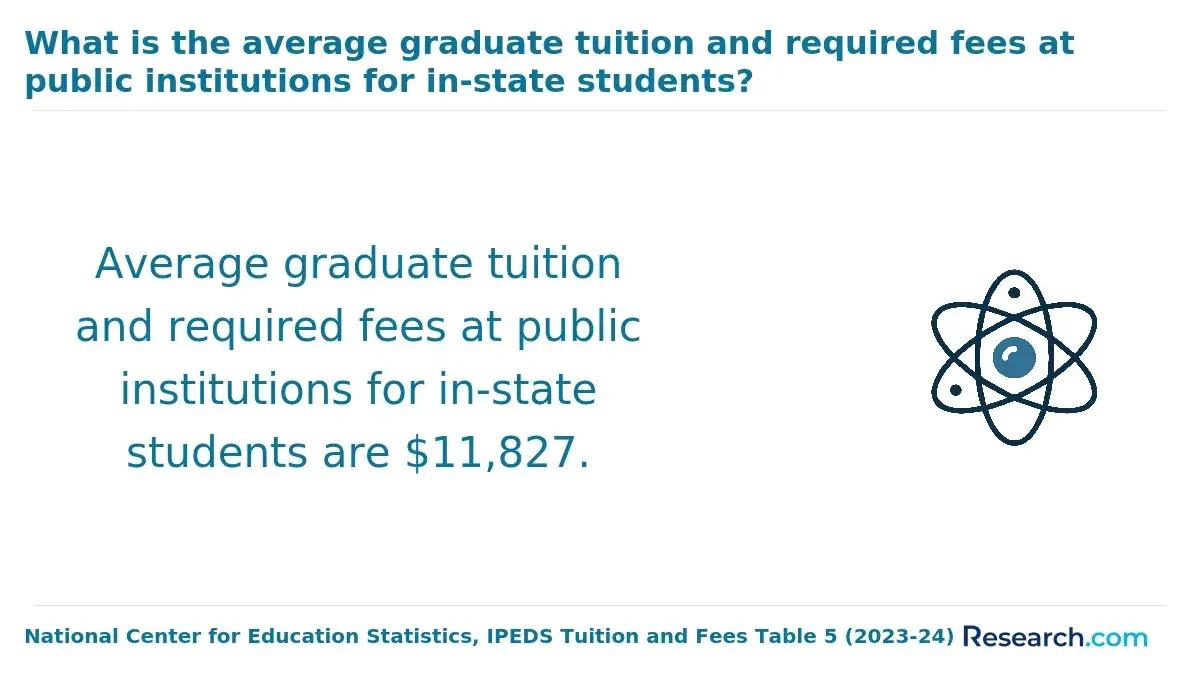
Compare the total expected cost, not a single advertised tuition figure: include required fees, materials or computing expenses, and any travel for in-person components. Confirm current charges and eligibility for employer assistance directly with each school. If cost leads you to consider online AI degrees with lower tuition, compare their available courses and projects against the data engineering and time-series skills your maintenance goal requires. A cheaper degree is not a better value if it cannot support the work you want to do.
How Do Online and Campus Data Science Master's Programs Compare?
Online study can make it easier to keep working and apply new methods to a current role. Campus study may be preferable when access to a physical lab, equipment, or local research group is central to your plan. Neither format automatically offers industrial data or an appropriate project adviser.
Compare actual requirements rather than labels: live-session times, group-work expectations, computing access, faculty supervision, and any campus visits. Faster completion is a separate choice from delivery format. If speed is your priority, short-duration online artificial intelligence graduate degrees provide an adjacent option to examine, but confirm that an accelerated schedule leaves room for the maintenance-focused project you want.
How Can You Evaluate Accreditation and Program Quality?
Verify an institution's current accreditation with the institution and its recognized accreditor; do not assume a ranking or marketing claim answers that question. Also confirm that the school can enroll students in your state. Accreditation establishes an important institutional baseline, but it does not establish depth in predictive maintenance.
For subject-specific quality, request recent syllabi or project examples and ask who can supervise equipment-data work. A warning sign is a program that advertises industrial AI but cannot identify relevant electives, explain when they are offered, or clarify whether students may choose their own capstone topic. Evaluate these answers alongside accreditation, not in place of it.
What Careers Use Predictive Maintenance and Data Science Skills?
Relevant work can sit within data scientist, machine learning engineer, reliability analyst, industrial analytics, or operations analytics roles. Responsibilities differ: one employer may need someone to build data pipelines and models, while another needs someone to interpret alerts and improve maintenance decisions. Read job descriptions for the required mix of coding, equipment knowledge, and operational responsibility rather than relying on titles.
For someone already working in maintenance or operations, domain knowledge can be a substantial advantage: understanding service records and the cost of downtime helps frame useful questions. If you are entering from general data science, a project that explains equipment behavior and technician workflows can help demonstrate that you can apply your technical skills in this setting.
What Salary and Job Outlook Can Data Science Graduates Expect?
The U.S. Bureau of Labor Statistics reports a median annual wage of $120,230 for data scientists in May 2025 and projects 35% employment growth from 2025 to 2035. Those figures describe the broad occupation, not predictive maintenance jobs or outcomes for graduates of a particular master's program. They are useful market context, not a salary or employment forecast for an individual student.
Pay and opportunities depend on prior experience, location, employer, and the specific role. When weighing a degree against its cost, compare roles you could realistically pursue with and without it, rather than attributing an occupation's median wage to the credential. Salary comparisons for data science career sectors can help frame industry differences, but they cannot predict an offer from a particular employer.
Other Things You Should Know About Data Science
Only with explicit authorization. Equipment records may contain confidential operational information. If publication is not permitted, describe your methods without exposing protected data or use a dataset you have permission to share.
That may make failure prediction difficult to evaluate reliably. Discuss the limitation openly, compare against a simple baseline, and consider whether anomaly detection or a carefully scoped case study better fits the available data.
Not by itself. A model produces evidence for a decision; inspection procedures, safety rules, equipment context, and human review may still determine what action is appropriate.
No. You can practice data cleaning, time-aware evaluation, and modeling with accessible datasets. Specialized hardware matters more when a project includes collecting live measurements or testing a system in an operating environment.
References
- From Corrective to Predictive Maintenance - A Review of Maintenance Approaches for the Power Industry - PMC https://pmc.ncbi.nlm.nih.gov/articles/PMC10346720/
- Fast Facts: Tuition costs of colleges and universities (76) | ed.gov https://nces.ed.gov/fastfacts/display.asp
- Chapter 3 - Courses and Enrollment, Full Course of Study, and Reduced Course Load | USCIS https://www.uscis.gov/policy-manual/volume-2-part-f-chapter-3
- How to Become a Data Scientist | Harvard SEAS https://seas.harvard.edu/news/how-become-data-scientist
- Use cases and challenges in the automotive industry | sciencedirect.com https://www.sciencedirect.com/science/article/pii/S0951832021003835
- Master's in Data Science | utexas.edu https://cdso.utexas.edu/msds
- Industrial Data Analytics: Models, Forecasts, and AI Tools | Interdisciplinary Professional Programs https://interpro.wisc.edu/courses/industrial-data-analytics-models-forecasts-and-ai-tools/