2027 Moving to Another State During an Online Data Science Master's: Enrollment Questions

Co-Founder and Chief Data Scientist
Moving to another state while earning an online data science master's can affect more than your mailing address. If you are enrolled - or choosing a program while planning a move - the key question is whether the university can continue serving you in your new state, and on what financial terms. This guide separates enrollment permission from tuition residency and financial aid so you can get the right answers before committing to a move or a program.
Key Things You Should Know
- You may be able to remain enrolled after moving, but get written confirmation that your university can serve students physically located in the new state for your specific program.
- State authorization, tuition residency, and financial aid are separate decisions; approval in one area does not settle the others.
- Report the move before your location changes, and ask when any enrollment or tuition change would take effect - not just whether you can finish the current term.
Can you remain enrolled in an online data science master's after moving states?
Possibly. Online delivery does not, by itself, establish that a university can enroll or continue serving a student located in every state. The answer depends on your new physical location, the institution's authorization to operate there, and any program-specific restrictions.
Ask the university to confirm both continuing enrollment and future course access. Permission to finish a course already underway may not answer whether you can register for the next term, complete a required project, or graduate from your new location. If the school cannot confirm continued enrollment, compare the consequences of delaying the move, requesting an approved leave, or transferring; do not assume credits will transfer automatically.
What state authorization rules affect online data science students who relocate?
State authorization concerns whether an institution may provide education to students located in a particular state. Many universities address interstate online enrollment through reciprocity arrangements, including the State Authorization Reciprocity Agreements (SARA), while others rely on state-specific authority. Neither a school's participation in an arrangement nor its general online-program listing proves that your particular enrollment is unrestricted.
The distinction that matters is where you will physically study, not simply the state on your driver's license or the address you used when applying. Tell the school if you expect to study from more than one state. Its state-authorization office can identify which location information it needs and whether the answer differs for temporary and permanent moves. Treat an admissions advertisement saying "available online" as a starting point, not a location-specific clearance.
Does moving change your online master's tuition or residency classification?
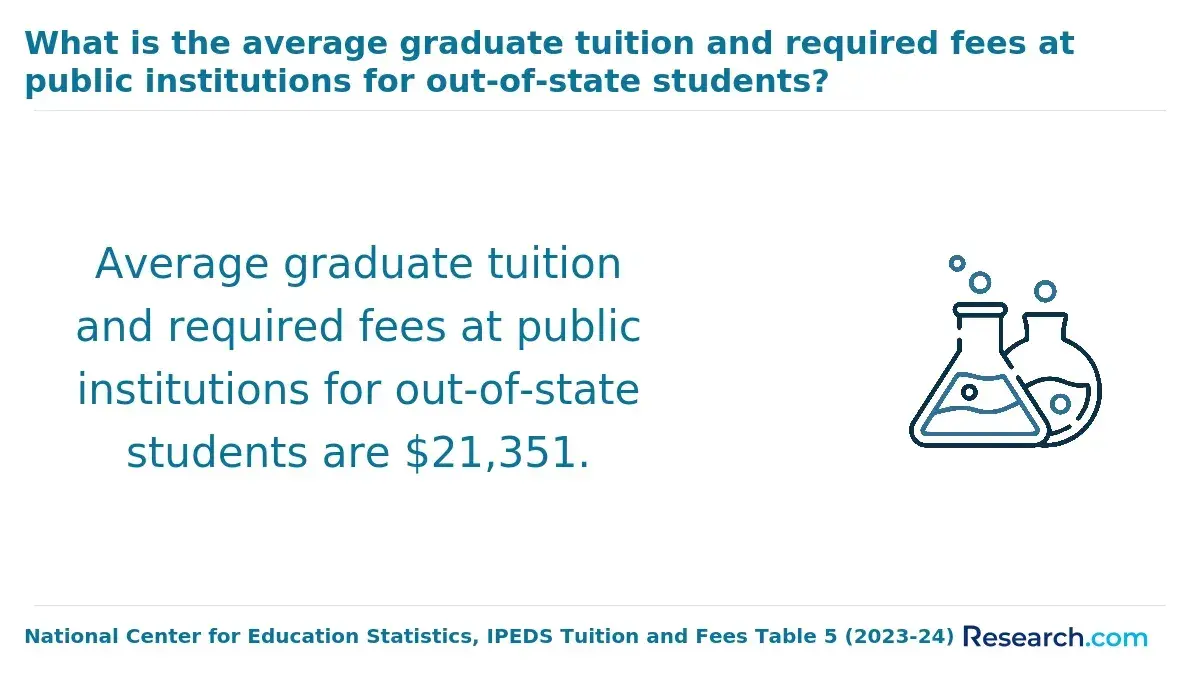
It can, but authorization to study from a state does not grant in-state tuition there. Some online programs charge one rate regardless of student location; others apply residency classifications or location-dependent fees. A move could also affect an existing in-state classification under the institution's rules.
Request a written estimate for the terms after your move, including mandatory fees, and ask which date determines your classification. If a change would raise your remaining cost, compare the total amount left to pay - not just a per-credit price - with alternatives. Shorter online data science master's programs may be worth examining if time to completion is also a concern, but a faster schedule is useful only if its workload and full cost fit your circumstances.
How should you notify your university before moving to another state?
Contact the university before changing your student address or starting coursework from the new location. The following sequence creates a record you can rely on when planning the move.
- Send your program adviser or registrar your destination state, expected move date, current term, and planned graduation term; ask who handles student-location changes.
- Request written confirmation from the state-authorization office that you may continue in your specific program and register for remaining requirements from that state.
- Ask the tuition or residency office for the effective date of any classification or fee change, and contact financial aid separately about your awards.
- Update the university's official student-location and mailing-address records as instructed, then save the replies and check your next bill and registration access.
A verbal "online students can live anywhere" is not a substitute for these program- and state-specific answers. If offices give conflicting responses, ask them to resolve the discrepancy before you rely on either one.
Can moving states affect financial aid for an online graduate student?
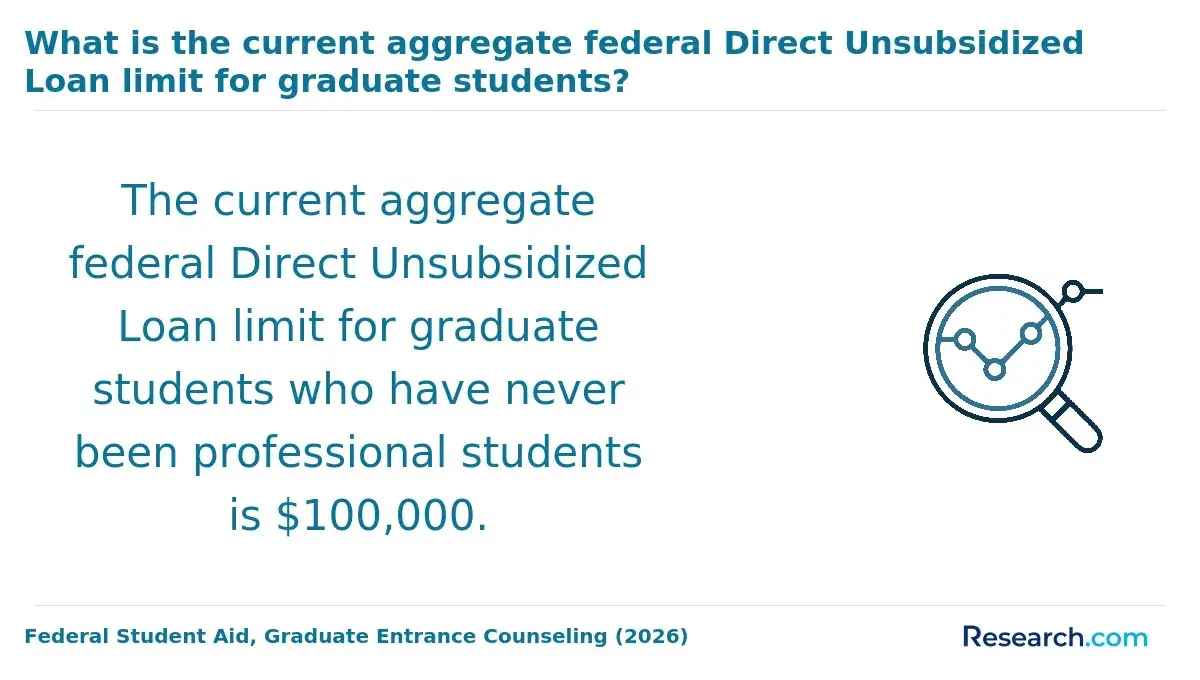
It may. Do not assume a move automatically ends federal aid, but do not assume every award travels with you. Eligibility and disbursement depend on the applicable aid rules and your enrollment circumstances; state-funded awards and institution-specific scholarships may have additional residency conditions. Employer tuition assistance may also depend on your work location or employment status.
Give the financial aid office your move date and ask it to review each award on your account, including whether an address update or other documentation is required. If your school says you cannot enroll from the destination state, ask how a leave, withdrawal, or transfer would affect aid already disbursed and future eligibility before changing registration.
Do online data science master's programs require professional licensing?
A data science master's generally prepares students for work rather than for a single state-issued "data scientist" license. That means a move is more likely to raise an enrollment-authorization question than a data-science licensure question. The answer may differ if you intend to use the degree in a separately regulated occupation or perform work reserved for a licensed professional.
Ask the program whether any required fieldwork, placement, or professional-qualification component has state restrictions. If you have a specific licensed role in mind, check that role's requirements with the destination state's relevant licensing body; a program's general career description is not proof of eligibility.
What accreditation should you verify before choosing an online data science master's?
Verify the university's current institutional accreditation through the accreditor and an authoritative recognition directory. Then check the program's own published status if it claims specialized accreditation. Accreditation and state authorization answer different questions: accreditation concerns institutional educational standards, while authorization concerns whether the school can serve a student in a location.
Use the same checks if you are comparing data science with online artificial intelligence degree programs. A recognized institution may still have a location restriction, so confirm both before paying a deposit or changing programs.
What coursework prepares students for data science careers?
For a student who may relocate, the most useful curriculum question is whether the remaining required work can be completed from the destination state. Examine the actual course sequence for statistics, programming, data management, machine learning, and a project that requires students to apply and explain their results. Course titles alone do not show how much practice each subject provides.
Check whether a capstone, internship, or research requirement depends on a particular site or in-person participation. If your goal is to move into a data-focused role, compare the projects and technical depth with the skills you need; online degree preparation for data-focused occupations offers a broader career-oriented comparison. This matters most when a relocation might force you to choose between finishing your current curriculum and changing schools.
What careers and salaries can an online data science master's support?
Depending on your previous experience and the program's technical depth, the degree may support applications for data scientist, analytics, or related roles. The U.S. Bureau of Labor Statistics reports a $120,230 median annual wage for data scientists in May 2025. That is a national occupational figure, not a forecast of what a graduate - or someone moving to a particular state - will earn.
Evaluate openings and compensation in your destination labor market alongside your existing skills and experience. For a deeper look at how pay varies by field, see data science graduate earnings across the economy. Do not use a national median wage as the basis for deciding whether higher tuition after a move will pay for itself.
How can you compare online data science programs across different states?
Keep programs in your comparison only after each confirms that you can study from the state where you expect to live. Then compare the remaining degree requirements, total remaining cost, any location-dependent requirements, and whether changing schools would delay completion. A nearby university is not necessarily the better online option if another authorized program fits those needs more closely.
If relocation makes a transfer necessary, obtain a written credit evaluation before withdrawing from your current school; admission does not establish how many credits will count toward the new degree. Application requirements can also differ. For example, machine learning master's programs without an admissions essay may remove one application task, but that convenience should not outweigh authorization, credit acceptance, and program fit.
Choose to stay when continued enrollment is confirmed and the remaining cost and requirements still work. Consider a leave or transfer when the school cannot serve you from your new state or a documented change makes completion impractical. Get those determinations in writing before making an irreversible enrollment decision.
Other Things You Should Know About Data Science
The scheduled class time may stay the same while your local attendance time changes. Check required live sessions and exam windows in the new time zone before registering.
Access policies vary by university and facility. Ask whether you can use libraries, computing resources, or career services remotely, and whether any benefit requires an in-person visit.
Do not assume so. Ask the employing department whether the duties can be performed from your new state and whether the university can continue the appointment there.
Usually the relevant question is whether your proposed data and project meet the program's requirements, not whether the data are local. Confirm any restrictions on data access, supervision, or project partners with your adviser.
References
- SEVIS Reporting Requirements for Designated School Officials | ICE https://www.ice.gov/sevis/dso-requirements
- South Carolina Residency Workshop | sc.gov https://dc.statelibrary.sc.gov/bitstreams/0eff8c8e-51dd-4cec-a683-c22bd09240c6/download
- Chapter 4 - School Transfer https://www.uscis.gov/policy-manual/volume-2-part-f-chapter-4
- Program Integrity Questions and Answers | ed.gov http://www.ed.gov/laws-and-policy/higher-education-laws-and-policy/program-integrity-information-questions-and-1
- School-Determined Requirements - FSA Partner Connect https://fsapartners.ed.gov/knowledge-center/fsa-handbook/2026-2027/vol1/ch1-school-determined-requirements
- Financial Aid Eligibility | Federal Student Aid https://studentaid.gov/understand-aid/eligibility
- State Authorization | wiche.edu https://policytracker.wiche.edu/federal-regulation/state-authorization
- State Authorization for Distance Education Programs and Students - Tri-County Community College https://www.tricountycc.edu/learning-resources/state-authorization-for-distance-education-programs-and-students/