2027 How Many Credits Can You Transfer Into a Legal Studies Degree Program?

Co-Founder and Chief Data Scientist
Transfer policies for legal studies degrees vary widely, affecting how many previously earned credits can count toward program completion. According to the National Student Clearinghouse Research Center's 2024 report, nearly 60% of transfer students encounter credit evaluation challenges that slow degree progress. This reflects broader complexities in aligning course content, accreditation standards, and academic rigor between institutions.
For legal studies candidates, understanding these nuances is essential because credit acceptance impacts both time to degree and the relevance of coursework to career goals. The following analysis explores typical transfer credit limits, institutional policies, and practical considerations relevant to prospective legal studies students.
Key Things to Know About How Many Credits Can You Transfer Into a Legal Studies Degree Program
- Transfer limits often restrict eligible legal studies credits to specialized courses, compelling students to retake foundational classes; this tradeoff delays graduation and inflates costs despite prior academic progress.
- Employers increasingly value practical legal competencies, so non-transferrable experiential credits or internships in legal studies reduce workforce readiness, influencing how students prioritize course selection and transfer timing.
- The 2024 National Student Clearinghouse data shows online enrollments rising among adult learners, reflecting legal studies' access expansion; however, transfer policies can create timing and progression barriers that affect career mobility.
How Many Credits Can You Transfer Into a Legal Studies Degree Program?
Transfer credit policies for legal studies degree programs often place significant emphasis on accreditation status and course equivalency, directly shaping how many credits are accepted. Students transferring from regionally accredited community colleges or universities typically find more of their prior coursework applicable, but those credits must align closely with the legal studies curriculum, especially core foundational and upper-division classes.
A practical example is a community college graduate entering a bachelor's legal studies program: even if they bring in the maximum allowable 60 to 90 credits, they may face limitations if their courses lack direct equivalency or if upper-division courses must be completed in residence. This balance affects how much time students realistically save, as many programs require that a substantial portion of junior and senior-level credits be earned at the destination institution to uphold program rigor and workforce relevance.
These transfer credit limits and policies have operational implications on student timelines and degree planning that extend beyond pure credit counts. For adult learners or career changers, mismatched course transferability can delay graduation due to required in-person or sequenced upper-division legal studies courses, often including practicum or capstone components critical for employer recognition.
As a result, students must weigh the benefits of transferring many general education or introductory credits against potential credit losses or extended residency mandates. Prospective transfers should also consider alternatives like online AI degree programs, which sometimes offer more flexible transfer policies, depending on workforce needs. Understanding these nuanced policies is essential to adjust academic plans effectively and maintain alignment with legal sector expectations for both qualification and practical readiness.
What Types of College Credits Can Transfer Into a Legal Studies Degree Program?
Transfer credits originate from diverse academic backgrounds and non-traditional learning experiences, and legal studies programs rigorously assess these based on institutional policies and content equivalency. For example, a student shifting from a criminal justice associate degree to a legal studies bachelor's must carefully weigh which credits advance meaningful legal competencies versus those that prolong their study time and financial cost. Decisions on credit acceptance directly influence readiness for roles demanding strong legal reasoning and practical knowledge, not merely accumulated hours.
- General Education Credits: These typically include English, communication, social sciences, and humanities coursework. They are often the easiest to transfer because they satisfy foundational competencies expected in legal studies, reducing redundant classes and accelerating degree progress.
- Legal or Criminal Justice Coursework: Credits from courses such as introductory law, paralegal studies, or law enforcement require detailed syllabus comparison to ensure equivalent rigor and relevance. Acceptance hinges on whether these courses build toward specialized legal skills demanded by employers and academic standards.
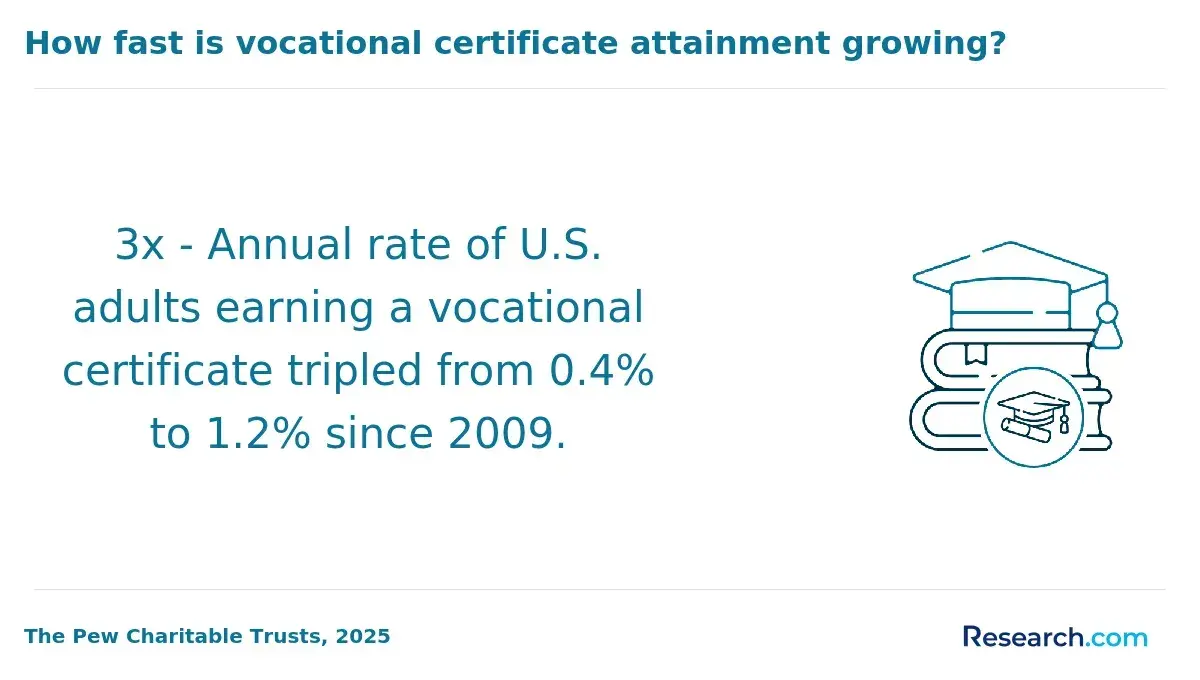
- Technical and Vocational Training Credits: Relevant vocational certifications, such as paralegal credential programs, may transfer if they meet academic criteria. However, many programs scrutinize these for theoretical depth since practical skills alone may not fulfill legal studies' analytical requirements.
- Prior Learning Assessments (PLA) and Military Training: Documented experiential credits, including military service in legal or administrative roles, are increasingly recognized when aligned with program competencies. Yet, institutions often limit PLA credits, reflecting concerns about ensuring academic integrity and substantial knowledge acquisition.
- Non-Credit Training and Professional Development: Credits from standardized exams like CLEP or DSST hold the most potential here but require demonstrated mastery of relevant legal content. Otherwise, such non-credit learning usually carries minimal transfer weight in legal studies pathways.
Does Accreditation Affect How Many Credits Transfer Into a Legal Studies Degree?
Accreditation status heavily influences which credits transfer into a legal studies degree, with regionally accredited institutions generally offering the most seamless credit acceptance. Schools holding regional accreditation are trusted for meeting rigorous academic standards, so courses completed there are more likely to align with another program's requirements.
In contrast, credits from nationally accredited or unaccredited schools often face stricter scrutiny, risking partial credit recognition or outright rejection. Additionally, programmatic accreditation in specialized legal fields can play a decisive role, especially when specific courses directly match the legal studies curriculum, emphasizing how accreditation acts as a proxy for academic quality and curricular relevance.
The practical consequences of accreditation mismatches manifest in tangible setbacks for students. Data from the National Center for Education Statistics in 2024 reveal that about 35% of transfer students lose credits during the process, mainly due to differing accreditation standards. This loss often extends time to degree completion, increases tuition costs, and may require retaking foundational courses-an onerous burden for adult learners, community college graduates, and career changers balancing work and education.
From an employer perspective, degrees earned through accredited pathways carry more weight, which means credit loss can indirectly hinder job prospects or delay readiness for legal licensure. These tradeoffs underscore how transfer decisions tied to accreditation impact not just academic progress but also economic and professional outcomes.
A student preparing to transfer into a legal studies program recalled feeling anxiety during the rolling admissions period, uncertain if recently earned credits from a nationally accredited community college would be accepted. She hesitated to finalize her application until the transfer credit evaluation came through, aware that any rejection could mean enrolling longer and paying more. When the evaluation confirmed that several core credits wouldn't transfer, she had to quickly adjust her course plan and financial aid strategy, which introduced stress and delayed her anticipated start. This experience highlighted the importance of early, clear communication about accreditation and transfer policies in mitigating unexpected setbacks and supporting informed decision-making.
How Do Universities Evaluate Transfer Credits for Legal Studies Programs?
Universities evaluating transfer credits for legal studies degrees rely heavily on a detailed comparison of course content, learning outcomes, and credit hours. This process starts with a thorough syllabus review to verify that transferred courses align with the rigor and scope expected in legal studies programs at the receiving institution. Such comparisons are essential to determine equivalency rather than mere credit accumulation.
Departmental approval is the next critical stage, where faculty assess whether transferred coursework satisfies core competencies or should be classified as electives. For instance, a constitutional law course might fulfill a core requirement, while another course in political science could only count as an elective, reflecting the practical nuances in how credits apply within legal studies programs.
Many programs emphasize upper-division credits, which are more advanced and central to degree progression. Transfer courses that do not meet these criteria often receive general credit, potentially prolonging the time needed to complete degree requirements. Furthermore, institutions weigh accreditation status heavily; credits from regionally accredited schools are generally preferred over those from less recognized sources.
Acceptance of transfer credits also varies based on program competitiveness and institutional policies, with more selective legal studies programs enforcing stricter equivalency standards. According to the National Center for Education Statistics in 2024, only about 55% of transfer credits submitted achieve full equivalency, underscoring the challenges students face when planning their academic paths.
Students seeking an affordable online bachelor's degree in legal studies should carefully review these criteria to anticipate potential credit gaps and better navigate the transfer evaluation process.
Can Work Experience Count as College Credits in a Legal Studies Degree Program?
Work experience can sometimes be translated into college credits within a legal studies degree through a prior learning assessment (PLA) or similar evaluation process. Institutions typically require substantial documentation-such as detailed portfolios, employer validation, or competency exams-to verify that job-related skills meet formal academic standards and align with course learning objectives. Credit approval often depends on departmental review and the relevance of work tasks to the legal studies curriculum. For instance, a seasoned paralegal might earn credit for introductory legal writing after a successful portfolio evaluation, but administrative roles with limited legal responsibilities generally do not qualify.
The practical effect of awarding credits for professional experience is frequently constrained by strict limits, often only allowing 15 to 30 percent of total degree credits to come from PLA. While this can reduce the number of classes and overall tuition costs, overreliance on experiential credit risks missing foundational topics like legal ethics or research methodologies, which are critical for comprehensive preparation. According to a 2024 National Center for Education Statistics report, fewer than 20 percent of social science students-including those in legal studies-convert more than 12 credits through PLA, emphasizing that work experience alone rarely accelerates degree completion substantially without deliberate academic planning.
One legal studies graduate recalled hesitating to submit her work experience portfolio early in the rolling admissions cycle, fearing delays might affect enrollment timing. After coordinating with admissions, she realized the portfolio review process required additional documentation and took weeks longer than anticipated. This experience underlined the importance of preparing thorough evidence upfront and initiating the PLA evaluation well in advance to avoid postponing course registration or extending program duration unexpectedly.

Why Do Colleges Reject Transfer Credits for Legal Studies Programs?
Colleges often reject transfer credits in legal studies programs due to complex academic and institutional criteria designed to uphold program quality and professional standards. A major factor is accreditation differences. Credits from nationally accredited or technical colleges frequently fall short of regional or program-specific accreditation requirements, resulting in denial because curricula may not align with university rigor. This issue is particularly acute for transfer students from less traditional institutions, underscoring the challenges posed by divergent educational standards in transfer credit policies for legal studies programs.
Outdated coursework is another frequent cause of rejection. Legal studies programs must reflect current laws and regulatory environments; credits from older curricula often lack necessary updates, making them incompatible with contemporary program demands. Minimum grade thresholds typically require at least a "C" to accept transfer credits, ensuring students have sufficiently mastered foundational material. Grades below this level can signal inadequate preparation, hindering acceptance.
Course equivalency plays a crucial role. Since legal studies emphasize specialized knowledge and skills, transferred courses must closely match the receiving program's content and rigor. Credits from unrelated or general education courses rarely satisfy core requirements. Furthermore, many programs incorporate clinical or laboratory components; if the incoming credits do not demonstrate comparable practical training, they will likely be denied. Upper-division course alignment further restricts transferability, with many institutions limiting retained credits to lower-division courses to maintain curriculum integrity.
The practical impact of rejected credits is substantial: extended time to degree completion, increased tuition costs, and interrupted course sequences that can delay access to internships or employment. Research shows acceptance rates for transfer credits in legal studies may be as low as 40% when transferring from less-aligned programs. This highlights the importance of strategic academic planning and advising for transfer students, adult learners, and career changers navigating credit application. Students considering alternative educational paths might also explore related opportunities like the fastest online construction management degree to broaden workforce options.
Which Legal Studies Degree Programs Accept the Most Transfer Credits?
Transfer credit acceptance in legal studies degree programs varies significantly depending on institution type and program design, reflecting strategic priorities and learner demographics. Public universities typically leverage statewide articulation agreements, facilitating the transfer of up to 75% of credits from community colleges, which can accelerate degree completion for many students.
In contrast, online and competency-based programs often cater to adult learners and career changers by offering more flexible credit evaluations, including prior learning assessments that may recognize work or life experience, sometimes allowing transfer rates as high as 90%. However, these expanded transfer policies are often accompanied by residency requirements mandating a minimum number of upper-division credits at the awarding institution, ensuring that academic standards and accreditation criteria are upheld.
While transfer-friendly pathways can reduce time and cost to degree, they introduce tradeoffs affecting academic depth and employer perceptions. Many programs restrict upper-division transfer credits, especially in specialized legal studies courses, to preserve critical foundational knowledge and skills, which influences readiness for certain professional roles.
Further, a 2024 report from the National Student Clearinghouse Research Center highlights that only 58% of transfer students complete their bachelor's degree within four years, underscoring the complexity of navigating transfer policies. Prospective transfer students should weigh the benefits of generous credit acceptance against possible limitations in curricular flexibility and consider how degree structure might impact long-term workforce outcomes and employer recognition in the legal field.
How Do Transfer Credits Affect the Time Needed to Complete a Legal Studies Degree?
Accepted transfer credits can both accelerate and complicate the timeline to complete a legal studies degree, depending on how they fit within program-specific constraints. While prior coursework from community colleges or other institutions often covers general education requirements effectively, students frequently encounter residency requirements mandating a substantial portion of upper-division legal studies courses to be completed on campus. For example, a student transferring 60 credits may clear foundational classes quickly but still need to navigate carefully sequenced advanced courses that impact semester planning and ability to enroll in required internships, which are crucial for practical legal workforce readiness.
Moreover, not all transferred credits align with major requirements due to expiration policies, equivalency standards, or curriculum updates, often forcing retakes that can negate perceived time savings. According to a 2024 report by the National Student Clearinghouse Research Center, around 40% of transfer students see little to no reduction in degree completion time because of such credit applicability challenges. This scenario creates a tradeoff where students must balance saving time on general credits against meeting upper-division legal studies criteria, which directly affects eligibility for critical experiential learning and licensing pathways, ultimately influencing employability timelines and career entry strategies.
Do Transfer Credits Reduce the Cost of a Legal Studies Degree?
Accepted transfer credits can lower tuition costs in a legal studies degree by reducing the number of paid credits, but this depends largely on whether those credits fulfill core program requirements. Most legal studies programs charge tuition per credit, so transferred credits that replace mandatory courses directly decrease tuition expenses. However, credits that only count as electives often provide limited financial relief because they do not reduce the required core workload. The impact of transfer credits on legal studies tuition fees hinges on institutional rules about course equivalency and how strictly credit applicability is enforced.
In practice, transfer students often face residency requirements mandating a minimum number of credits must be completed in the legal studies program, limiting overall cost reduction. Additionally, many transferred credits count only as electives rather than replacing essential courses, which slows degree progress and diminishes savings. According to 2024 data from the National Center for Education Statistics, about 61% of community college transfers encounter difficulties having credits fully apply to their bachelor's programs, which affects both cost and time to degree. Prospective students should analyze institutional credit policies thoroughly to understand these tradeoffs, especially as transfer credit impact on legal studies degree cost varies widely depending on how credits align with program rules. Those interested in alternative pathways or accelerating completion may also explore related top online MBA schools as complementary options in professional education.
What Is the Best Strategy to Maximize Transferable Credits?
Effectively maximizing transferable credits for a legal studies degree demands more than submitting transcripts; it requires navigating complex institutional policies that often reject up to 60% of credits lacking direct course equivalency or proper accreditation. For many transfer students and adult learners, failure to align prior coursework with specific program requirements leads to lost time and increased costs, directly impacting workforce entry and career momentum.
Key strategies to improve credit transfer acceptance include:
- Review articulation agreements between your previous and target institutions to identify pre-approved transferable courses, thereby minimizing credit denial risks.
- Prioritize coursework from regionally accredited schools, as credits from nationally or non-accredited entities usually have limited applicability in legal studies degree programs.
- Request detailed evaluations of course syllabi through the receiving school's transfer office to verify content alignment, learning outcomes, and assessment rigor that match the legal studies curriculum.
- Complete prerequisite-aligned coursework focused on core areas such as criminal justice, legal ethics, or research methods, which are more likely to be accepted versus unrelated subjects.
- Utilize prior learning assessments or credit-by-exam options, when available, to convert relevant professional qualifications or training into academic credit and reduce dependency on traditional transfer credits.
Students seeking efficient pathways should apply these strategies to navigate transfer credit policies for legal studies programs effectively. Adult learners, community college graduates, and career changers often find that targeted course selection combined with institutional coordination improves outcomes substantially. For those also exploring alternative educational trajectories, comparing options like the cheapest data science masters in USA can offer insights into balancing specialized skills demand and credit transfer potential in evolving job markets.
What Graduates Say About How Many Credits Can You Transfer Into a Legal Studies Degree Program
- Romeo: "When I was considering how many credits I could transfer into my legal studies program, I realized there was a strict cap-only about 30% of the total credits could be transferred. This forced me to evaluate whether pursuing a degree elsewhere or starting fresh at this school made more sense. Ultimately, limiting transfer credits meant I had to invest more time on campus, but it gave me a chance to engage directly with internships that proved crucial for landing my first paralegal job."
- Aidan: "I approached the credit transfer limit pragmatically; I could only bring in half of my prior coursework, which initially felt like a setback. However, this constraint led me to focus on certificates and practical experiences within the legal studies program that employers actually valued more than just the number of credits. This strategy helped me pivot quickly into contract administration, where flexible remote work options offset the slower salary growth I'd anticipated."
- Luke: "Faced with a modest transfer credit allowance, I had to decide between finishing my legal studies degree faster or dedicating more time to building a portfolio of relevant legal projects. Choosing the latter delayed my graduation by a semester, but it made all the difference during job interviews where employers preferred tangible work samples over purely academic credentials. This outcome highlighted the hiring reality that experience and demonstrable skills often trump the number of transferred credits or straight licensure."
Other Things You Should Know About Legal Studies Degrees
Accepting many transfer credits can shorten your time in a program but may dilute exposure to specialized legal studies content critical for practical competence. Programs often require a core set of major-specific courses that build essential skills employers expect, such as legal research and analysis. If too many credits come from unrelated or general education courses, you risk graduating with a gap in sector-relevant knowledge, which can affect your readiness for legal support roles and limit career competitiveness.
Yes, transferring older credits or those from less specialized programs may mean missing coursework on emerging topics like cybersecurity law or alternative dispute resolution, which shape current legal practice. This misalignment can reduce your currency in the field and weaken your practical skill set in areas employers increasingly prioritize. It's advisable to balance transfer credits with updated legal studies classes to stay relevant and improve long-term career prospects.
Adult learners benefit from transferring credits that cover foundational skills but should prioritize fresh coursework that introduces current legal concepts and technologies. Overreliance on credits earned long ago can limit exposure to changes in law, procedure, and legal tech tools, impairing employability in a rapidly transforming field. Strategically blending transfer credits with new learning ensures both efficiency and career agility.
In 2027, transfer credits can affect both workload and academic rigor in a legal studies program. Fewer credits to complete may reduce overall course load, but ensuring transferred credits align with current curriculum standards is critical to maintaining academic quality and depth.
References
- Judith Herb College of Arts, Social Sciences and Education https://www.utoledo.edu/jhc/legal/transfer/
- FAQs https://paralegal.edu/faq/
- Legal Studies, A.S. Transfer - Vincennes University https://www.vinu.edu/major/legal-studies-as-transfer.html
- Transfer Credit Policy | Legal Studies https://cod.edu/academics/areas/legal-studies/transfer-credit-policy.html
- The Importance of Understanding Transfer Credit Policies https://www.sophia.org/blog/higher-education/understanding-transfer-credit-policies/
- How to Transfer Credits and Maximize What You’ve Already Done - ReUp Education https://reupeducation.com/blog/how-to-transfer-credits-and-maximize-what-youve-already-done/
- Main navigation https://careersportal.ie/sectors/courses3.php
- Legal studies course payment options https://www.legalstudies.com/about-cls/payment-options-2/
- South Dakota Legislature https://sdlegislature.gov/Statutes/13-33-30
- Paralegal & Legal Studies Transfer https://bristolcc.edu/learnatbristol/degreescertificatesandclasses/lawandjustice/paralegallegalstudies/plstransferpolicy.html