2027 Entry-Level Jobs With a Graphic Design Master's Degree

Co-Founder and Chief Data Scientist
The landscape for entry-level jobs with a graphic design master's degree reflects shifting employer priorities in 2024, where multidisciplinary skills and adaptability often outweigh traditional credentials alone. Employers increasingly prioritize candidates who demonstrate proficiency with emerging digital tools alongside foundational design principles, responding to evolving project scopes and agile workflows.
Hiring structures frequently favor contract or hybrid roles over full-time positions, complicating early-career stability. Different graphic design disciplines-such as user interface design, motion graphics, or print media-face distinct demand patterns shaped by sector-specific market dynamics. This article explores typical roles accessible to graduates and situates them within these nuanced workforce trends.
Key Benefits of Entry-Level Jobs With a Graphic Design Master's Degree
- Master's-level entry jobs often prioritize advanced conceptual skills, yet employers may expect more hands-on experience, creating a tradeoff that impacts early project responsibilities and mentorship opportunities.
- A 2024 industry survey found 62% of hiring managers seek candidates with specialized software expertise, reflecting shifting workforce demands that favor technical proficiency alongside creative aptitude.
- The extended duration and cost of a master's program delay workforce entry, affecting cumulative experience and growth timelines compared to peers with bachelor's degrees, influencing long-term career trajectory decisions.
What Entry-Level Jobs Can You Get With a Graphic Design Master's Degree?
Entry-level positions for graduates holding a master's in graphic design frequently involve responsibilities that extend beyond mere foundational tasks. These roles commonly require specialized knowledge, strategic thinking, and a degree of analytical decision-making, reflecting the advanced training acquired during graduate studies. While labeled "entry-level," such jobs often serve as pivotal points for applying sophisticated concepts in typography, layout, or digital media to real-world projects. The availability and nature of these roles vary substantially depending on industry demands, the focus and rigor of the master's program, and any relevant prior experience.
- Junior Graphic Designer: This role typically centers on executing design tasks under the guidance of senior creatives, with an emphasis on refining practical skills in layout, color theory, and visual hierarchy. Despite being an entry point, it demands a grasp of complex software tools and conceptual design principles, providing a foundation for specialization in areas like branding or digital interfaces.
- Production Artist: Focused on preparing and finalizing design files for print or digital distribution, production artists apply technical precision and workflow efficiency. Master's-level graduates often bring advanced problem-solving capabilities to optimize production pipelines, positioning themselves for future roles in project management or quality assurance within creative teams.
- Digital Illustrator: Combining artistic talent with digital techniques, this position involves creating original visual content for advertisements, media, or product designs. The entry-level nature lies in the role's task-oriented deliverables, yet it offers opportunities to develop a distinct artistic voice and portfolio that can lead to freelance work or in-house senior illustrator positions.
- Multimedia Designer: This job integrates graphic design with animation, video, and interactive media, demanding both technical expertise and narrative skills. It serves as a launching point into specialized fields such as UX/UI design or motion graphics, which are increasingly in demand according to labor market data from the U.S. Bureau of Labor Statistics.
These entry-level jobs for graphic design master's graduates reflect the intersection of advanced education and practical workforce requirements. They offer more than routine assignments by requiring graduates to apply strategic thinking and design literacy from day one. This helps explain why the best entry-level career options with a master's in graphic design often entail early exposure to project collaboration, client interaction, and iterative creative processes. Navigating these roles effectively can accelerate progression toward leadership, specialized design niches, or interdisciplinary positions in marketing and digital product development. For those exploring further educational frameworks, exploring online MSW programs affordable can illustrate how interdisciplinary skills complement creative expertise in broader professional contexts.
What Sectors Have the Strongest Demand for Graduate-Level Talent?
Employer demand for graduate-level talent in graphic design reflects broader structural dynamics beyond mere degree output. Sectors with persistent hiring needs often require specialized skills, advanced problem-solving abilities, and nuanced understanding of evolving technologies and regulations-qualities typically honed through graduate education. These environments tend to seek candidates who can not only design but integrate strategic thinking, interdisciplinary collaboration, and digital fluency into their work. Understanding which industries have these embedded demands helps graduates align their skills with sustainable career pathways.
- Advertising and Digital Media: Ongoing shifts toward personalized marketing and data-driven campaigns increase reliance on sophisticated visual storytelling and UX/UI design. These sectors demand graduates capable of marrying creative vision with analytics and interactive technologies, responding to a fast-paced digital transformation that emphasizes consumer engagement across multiple platforms.
- Technology and Software Development: The rise of mobile apps and complex software ecosystems fuels demand for design professionals adept at prototyping and user experience optimization. Employers prioritize candidates who combine creative instincts with technical proficiency, particularly in interactive media and digital product design, reflecting a workforce focused on seamless, user-centered interfaces.
- Entertainment and Gaming: Expanding content production in film, television, and gaming sectors sustains demand for visual effects and motion graphics experts. Graduate-level designers fill roles that require advanced software skills and narrative understanding, contributing to immersive experiences where storytelling and technology intersect.
- Healthcare and Corporate Communication: Increasing emphasis on clarity, accessibility, and regulatory compliance in health-related communication pushes this field toward specialized design roles. Graduates with training in presenting complex information visually and meeting stringent institutional standards find growing, though niche, opportunities that diverge from traditional creative roles.
One master's graduate recalled the tension of navigating rolling admissions at several programs during the pandemic, which delayed decisions and complicated strategic planning. They hesitated between applying broadly versus focusing on schools with strong tech-media ties, mindful that sector demands were shifting rapidly. The uncertainty underscored the importance of timing and targeted preparation, as the graduate ultimately prioritized admission to a program emphasizing UX/UI to better position themselves within the technology sector's expanding opportunities.
Which Entry-Level Graphic Design Careers Have the Highest Starting Salaries?
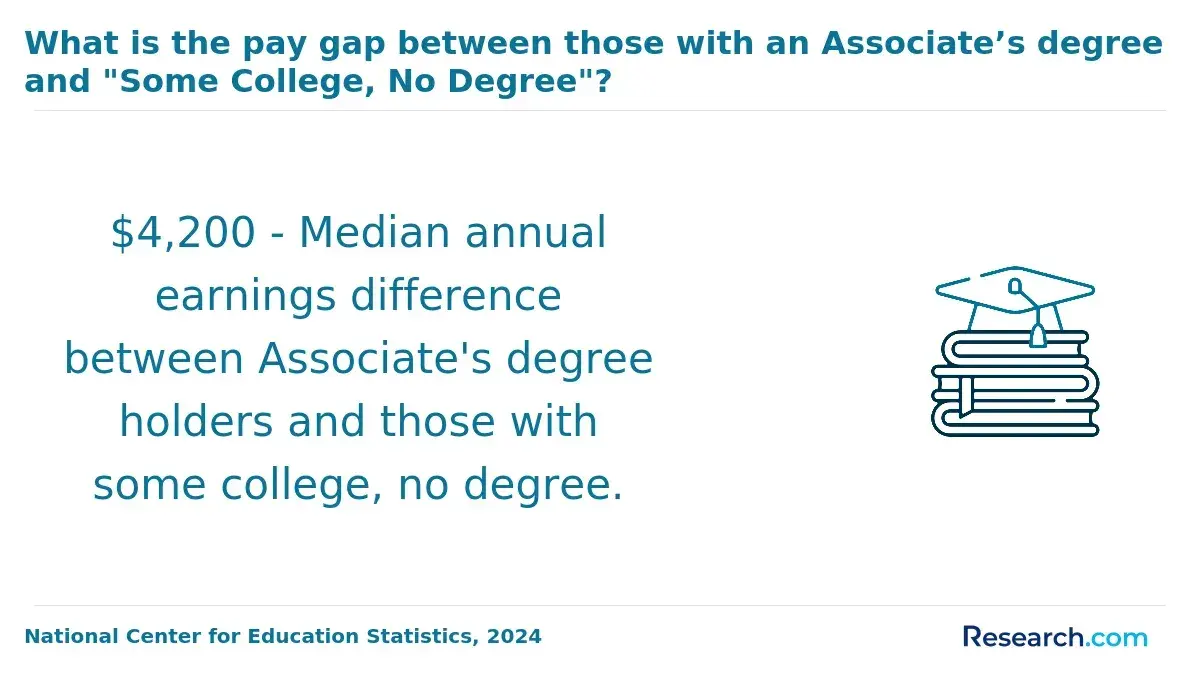
Starting salaries for entry-level roles in graphic design reflect more than academic credentials alone. Compensation tends to mirror the complexity of required skills, the demand within specific market segments, and the tangible business value a role contributes. Positions offering the highest pay usually entail responsibilities that merge creative insight with technical or strategic expertise, indicating employers' willingness to invest in candidates who can deliver measurable impact in fast-evolving digital and product-focused environments.
- User Experience (UX) Designer ($70,000-$80,000): Entry-level UX designers command top salaries largely due to their role in optimizing consumer interactions with digital products. This function requires proficiency in research methodologies, usability testing, and iterative prototyping, all of which are critical to enhancing product adoption and customer satisfaction. The rising emphasis on user-centered design in technology firms elevates demand and establishes UX design as a strategic function with clear pathways to senior product and design leadership.
- User Interface (UI) Designer ($65,000-$75,000): UI designers earn competitive starting wages because their work blends visual design expertise with knowledge of front-end technologies. This hybrid of aesthetic judgment and technical proficiency responds to employer needs for designers who can effectively translate brand and functionality into interactive digital experiences. Such roles often serve as gateways to specialized digital design or product design trajectories.
- Digital Product Designer/Motion Graphics Artist ($60,000-$70,000): Roles in digital product design and motion graphics attract higher pay due to their cross-disciplinary demands-merging creative content production with technical skill sets like animation and multimedia integration. These designers contribute directly to product lifecycle stages, adding dynamic value that influences marketing effectiveness and user engagement.
- Branding Specialist/Junior Art Director ($45,000-$55,000): Traditional graphic design positions such as branding or print-focused roles usually start with lower salaries. The reason lies partly in the slower evolution of these functions toward digital capabilities and a more saturated labor supply. However, these roles remain foundational and can lead to management or niche creative positions as experience grows.
The disparity in pay among these entry points underscores broader labor market dynamics. Higher salaries commonly indicate roles demanding advanced analytical skills, fluency in evolving design technologies, and clear contributions to revenue-driving projects. Graduates should weigh these factors alongside personal strengths and career goals when targeting early positions, recognizing that the roles with top pay today also pose higher performance expectations and potential for accelerated advancement.
Which Industries Pay the Most for Entry-Level Graphic Design Master's Graduates?
Entry-level compensation for graphic design master's graduates often mirrors underlying industry economics more than merely individual qualifications. Sectors offering higher starting salaries typically operate with either high profit margins, intense innovation demands, or stringent regulatory environments where design expertise directly influences competitive advantage or risk management. Understanding what drives pay disparities helps graduates target industries that strategically value graphic design skills within core business functions.
- Technology Sector: Tech companies lead in compensating new graphic design talent due to their focus on user interface development, product branding, and digital marketing-all crucial for customer acquisition and retention. High revenue models combined with rapid innovation cycles raise the premium placed on design skills that enhance user experience and product differentiation in saturated markets.
- Advertising and Marketing: Agencies and corporate marketers command strong entry-level pay as they depend heavily on visual storytelling to craft compelling campaigns. The sector's reliance on creative yet data-driven design solutions elevates demand for master's-level graduates skilled in both conceptual and digital content creation, sustaining competitive advantages in brand positioning.
- Entertainment and Media: Film, television, video games, and digital platforms require graphic designers who can blend creativity with technical proficiency. These industries often pay more as their content-driven revenue models benefit from visually engaging assets that directly impact audience engagement metrics and intellectual property valuation.
- Finance and FinTech: Although less intuitive, finance firms offer competitive salaries by integrating graphic design in data visualization, client-facing reports, and brand identity-areas critical for regulatory compliance and customer trust. Graphic designers here add measurable strategic value by translating complex financial data into accessible visuals, making them sought after despite a traditionally low design focus.
- Healthcare and Manufacturing: Growing emphasis on patient education and product packaging respectively drives design investment in these sectors. Design roles help comply with strict regulatory standards and improve user comprehension, which enhances organizational credibility and reduces liability risks, supporting stronger entry-level compensation relative to other traditional fields.
According to recent 2024 earnings analysis from the U.S. Bureau of Labor Statistics and Lightcast data, the highest paying industries for entry-level graphic design master's degree holders correlate strongly with sectors that embed design as a measurable strategic asset rather than cost center. New graduates targeting top sectors hiring graphic design master's graduates with no experience should weigh these economic and regulatory drivers alongside their skill development pathways. For those exploring flexible academic alternatives or conditional admission, understanding these practical workforce dynamics can clarify return on educational investment and employment prospects, especially when paired with specialized knowledge such as a library science degree to broaden career options.
Which Skills Are Most Valuable in Entry-Level Positions?
Entry-level hiring in graphic design increasingly emphasizes demonstrable skills over degrees alone, reflecting employers' focus on candidates' immediate contributions to business objectives. Recruiters seek graduates who can translate technical proficiency and design thinking into solutions tied directly to project goals, customer engagement, or brand messaging. These practical abilities often outweigh academic credentials in early stages, shaping both job offers and salary negotiations.
- Software Proficiency with Industry Tools: Mastery of Adobe Creative Suite and Figma remains baseline, but what differentiates candidates is their ability to apply these tools fluidly across diverse project types, from print media to responsive digital interfaces. Employers prioritize those who can efficiently produce deliverables without extensive training, accelerating team workflows and reducing onboarding time.
- Visual Communication and Conceptual Thinking: Entry-level designers who skillfully interpret client briefs into compelling visual hierarchies and narratives add tangible value. Understanding color theory, typography, and layout is essential not just stylistically but to guide user attention and reinforce brand objectives, making candidates more attractive hires.
- User Experience (UX) Awareness: Familiarity with UX principles-such as accessibility, intuitive navigation, and interaction design-enables fresh designers to create work fitting modern digital environments. This cross-disciplinary insight meets market demand for multifunctional skill sets, broadening job prospects and often influencing compensation.
- Collaborative and Communication Skills: Given creative work's inherently iterative nature, employers weigh teamwork and clear communication heavily. Candidates able to engage in constructive feedback loops, present ideas concisely, and adapt based on input typically integrate faster and contribute more effectively to project success.
- Adaptability and Continuous Learning: The fast-evolving design field rewards entry-level professionals who proactively learn new software, methodologies, or trends. This agility correlates to faster salary growth and promotion potential as employers see them as future-proof assets.
One recent graduate recalled navigating the rolling admissions process for her master's program with some trepidation. After submitting her portfolio and test scores, she hesitated to follow up immediately, uncertain if extra communication might appear pushy. Weeks passed without response, heightening anxiety about timing and competing offers. Ultimately, a carefully timed inquiry prompted an interview opportunity, underscoring the subtle but strategic skills required not only in design but in managing career entry points. This experience illuminated how initiative and situational awareness-akin to those valued in the workplace-play a quiet but crucial role in transitioning from education to employment.
Do Employers Hire Graphic Design Master's Graduates Without Professional Experience?
Many employers do hire graphic design master's graduates without prior professional experience, especially for structured entry-level roles that serve as talent pipelines. These positions often exist within companies that have dedicated onboarding and mentorship programs designed to build foundational skills and integrate fresh graduates into workplace norms. While a master's degree enhances theoretical knowledge and creative problem-solving abilities, hiring decisions frequently hinge on applicants' portfolio quality and capacity to demonstrate applied design competencies. The presence of an advanced degree alone rarely suffices but acts as a complementary credential alongside practical evidence of skill.
The conditions enabling employers to consider graphic design master's graduates without work experience include strong academic performance coupled with relevant internships, capstone projects, or recognized certifications. Demonstrated technical proficiency in current design software, user experience frameworks, or coding for interactive media can substitute for formal employment history by signaling readiness to contribute immediately. According to a 2024 report from the National Association of Colleges and Employers, 68% of design-related hiring managers value concrete examples of real-world design applications even at the entry level. This underscores the importance of candidates' portfolios and involvement in freelance work or competitions to mitigate perceived risk in hiring.
Industry variation also plays a significant role in early hiring prospects for inexperienced graduates. Sectors such as technology, consulting, and data-driven creative roles show more openness to candidates lacking professional backgrounds, as they prioritize analytical skills and innovative capacity over previous job tenure. Conversely, highly client-facing agencies or firms with strict regulatory environments often demand prior internships or documented workplace adaptability. Aspiring graduates are advised to navigate these dynamics thoughtfully, recognizing that pathways to employment are shaped by both the complexities of role responsibilities and employer tolerance for experience gaps, alongside continuous skill development.
Entry-level graphic design jobs for master's degree holders reflect this nuanced hiring landscape and emphasize the strategic value of supplementing academic credentials with substantial practical exposure. Additionally, those considering interdisciplinary advancement may explore related fields such as organizational leadership by pursuing an organizational development degree to broaden career options.
Which Certifications Help Entry-Level Graphic Design Master's Graduates Get Hired?
Employers increasingly rely on certifications to verify job-ready skills that may not be fully captured through academic credentials alone. While a graphic design master's degree lays a solid foundation in theory and advanced concepts, certifications can validate proficiency with tools and methods that employers prioritize for specific production or digital workflows. This distinction matters because entry-level hiring often hinges on demonstrated functional capabilities alongside creative potential.
- Adobe Certified Expert (ACE): Given Adobe Creative Cloud's dominance in the industry, certifications in Photoshop, Illustrator, or InDesign confirm that candidates can efficiently use key software essential for digital content creation. Lightcast's 2024 labor market data highlights a notable hiring advantage-up to 23% higher-for applicants holding verified Adobe credentials, reflecting employer preference for validated technical fluency over self-reported skills.
- UX/UI Design Certification: Credentials focused on user experience and interface design align closely with tech-driven job roles that merge creative design with product development. Programs embedding wireframing, prototyping, and usability testing tools like Figma or Sketch provide practical signals that graduates understand contemporary digital design processes critical to client-facing and collaborative environments.
- Front-End Web Development Certification: Courses covering HTML, CSS, and basic JavaScript supply graphic design graduates with coding skills that improve cross-functional collaboration with developers and enable greater adaptability on responsive design projects. Certifications in these areas strengthen job market positioning by proving fluency in technical domains that extend beyond visual aesthetics, addressing employer demands for versatile entry-level talent.
Though certifications enhance marketability by confirming specific skills, they function best as complements to, rather than substitutes for, a strong portfolio and hands-on experience. Not all employers weigh certifications equally, and some creative roles place heavier emphasis on demonstrated problem-solving within real projects. The decision to pursue certifications should consider time and financial investment weighed against targeted industry requirements and individual career goals, particularly to bridge the gap where academic programs may not emphasize certain practical technologies or methodologies.
What Remote Jobs Can You Get With a Graphic Design Master's Degree?
Remote opportunities for graphic design master's graduates have grown significantly due to widespread digital transformation, cloud-based collaboration tools, and employers' increasing reliance on global talent pools. The suitability of remote roles is closely tied to how clearly outputs can be defined, tracked, and delivered through digital channels with minimal synchronous coordination. Remote work demands proficiency not only in design software but also in asynchronous communication and agile project management within virtual teams.
- Remote UX/UI Designer: This role centers on crafting user-focused digital interfaces using cloud design platforms like Figma or Adobe XD, which facilitate seamless collaboration across time zones. Master's-level expertise enhances understanding of user behavior and interaction patterns, critical for remote projects where direct user testing may be decentralized. Performance is often measured by iterative output quality and adherence to agile sprint cycles.
- Digital Content Creator: Responsible for producing multimedia assets such as videos, infographics, or animations, this position leverages digital production suites compatible with remote workflows. Graduates apply strategic design thinking to tailor content for diverse online platforms, with project timelines managed through cloud-based task systems, enabling independent yet accountable contributions.
- Brand Identity Assistant: Supporting brand consistency remotely requires disciplined version control and clear documentation of style guides via shared repositories. Master's training advances skills in brand strategy and semiotics, enabling nuanced refinement of visual elements with minimal direct supervision. Remote settings emphasize milestone deliverables rather than process visibility.
- Junior Visual Designer: As an entry-level remote role, it involves developing graphics and layouts for digital marketing or product interfaces on collaborative software. The position demands adaptability to evolving briefs and strong virtual communication to clarify expectations. Career progression hinges on portfolio expansion and demonstrated versatility in distributed environments.
Labor market data from sources such as Lightcast confirms that remote graphic design roles increasingly prioritize cross-disciplinary fluency and digital literacy. Employers often select candidates who can independently manage deliverables while integrating feedback asynchronously, reflecting broader shifts in distributed team dynamics where time-zone diversity is standard. Thus, a graphic design master's degree provides not only technical prowess but also conceptual frameworks useful for navigating outcome-based performance measures in remote settings.
How Competitive Is the Entry-Level Job Market for Graphic Design Master's Graduates?
Entry-level job competitiveness for graphic design master's graduates fluctuates significantly based on industry demand, geographic labor markets, and specialization within the discipline. Some sectors, such as UX/UI and digital multimedia, experience faster growth, aligning with employer needs for skills in evolving digital platforms. Meanwhile, traditional print-focused roles face slower expansion, increasing candidate competition. The U.S. Bureau of Labor Statistics projects about 6% growth in graphic design employment through 2032, indicating steady but uneven opportunity distribution across regions and specialties, which shapes entry-level job opportunities for graphic design master's graduates in the current market.
Employers increasingly expect new graduates to demonstrate technical proficiency beyond theoretical knowledge, including mastery of Adobe Creative Suite, web design tools, and real-world project experience. Internships, freelance work, and certifications often serve as differentiators in a crowded field, where even entry-level roles demand proof of applied skills and adaptability to collaborative workflows. These hiring trends and salary expectations for recent graphic design master's degree holders reflect how practical experience and portfolio strength often outweigh degree level alone in initial recruitment decisions, intensifying competition among candidates.
Graduates can strategically position themselves by targeting niche subfields or industries with talent shortages, such as emerging augmented reality applications or specialized content creation for healthcare and education sectors. Differentiation often requires continuous skill development and networking to access less saturated markets. For those weighing educational pathways, understanding these labor market dynamics is essential; alternatives like pursuing a PhD no dissertation may appeal to candidates seeking research-oriented or academic roles rather than immediate entry-level design employment.
Which Entry-Level Roles Have the Strongest Long-Term Growth Potential?
Accepting a conditional admission offer for a graphic design master's program requires thorough evaluation of the specific requirements-such as prerequisite coursework, grade minimums, or supplementary portfolio submissions-that must be fulfilled before full enrollment. Students need to realistically assess whether these conditions fit their academic readiness and personal timelines. Programs with transparent conversion rates from conditional to full admission reflect better alignment of expectations and support, while low conversion rates may signal restrictive barriers that risk delaying progress or wasting resources.
Alignment between program curriculum and career goals is critical. Conditional admission should not funnel students into programs lacking strong industry connections or relevant skill development, as the true value lies in preparation for viable entry-level roles with lasting potential in graphic design fields. Delays caused by extra prerequisites can extend time to degree completion and inflate costs. Students must weigh their capacity to meet conditions swiftly, since failing to do so can disrupt their educational plans entirely.
Which entry-level roles have the strongest long-term growth potential? Long-term career growth often depends less on initial job titles and more on the accumulation of transferable skills, exposure to strategic decision-making, and developmental opportunities within a role. Entry-level positions that offer visibility into broader industry trends and foster specialized expertise position graduates for sustained advancement even as the graphic design landscape evolves.
- UX/UI Designer: Early immersion in user-centered design practices and cross-disciplinary collaboration provides a gateway to senior product design roles and leadership in digital innovation. The growing emphasis on user experience across sectors supports strong wage growth and specialization options.
- Brand Designer: Roles centered on brand identity development offer a deep understanding of market positioning and visual communication strategy, crucial for advancement into creative director or brand management positions.
- Motion Graphics Artist: Specializing in animation and interactive media aligns with expanding digital content markets, enabling progression into multimedia direction and technical leadership roles.
- Visual Designer in Tech Startups: Operating in agile environments exposes designers to fast-paced decision-making and interdisciplinary workflows, fostering skills prized in product management and innovation teams.
These roles integrate critical skill accumulation and offer visibility into organizational value creation, both of which are vital for long-term advancement. Entry-level graphic design jobs with high growth prospects often function as platforms for developing leadership competencies and technical specialization rather than static positions. Career paths in graphic design offering long-term advancement hinge on early choices that balance creative execution with strategic impact.
For labor market context, candidates should consider salary trajectories tied to these roles, comparable to trends seen in fields such as the FBI profiler salary, where specialized skill development correlates with measurable wage increases and leadership opportunities over time.
What Graduates Say About Entry-Level Jobs With a Graphic Design Master's Degree
- Alden: "After completing my master's in graphic design, I quickly realized employers valued a strong portfolio over formal licensure. I invested heavily in internships during my studies, which allowed me to land a role at a small agency. The hiring process felt very practical-clients want to see results and skills, not just credentials. Adjusting to remote work early on also gave me an edge because flexibility seemed to open more doors than a degree alone in some cases."
- Bear: "Starting out, I faced a lot of competition for entry-level graphic design positions, especially with many candidates holding similar degrees. I found that adding certifications in UX and digital tools was crucial for standing out. The initial salary was modest, and I learned that without licensure, advancement might be slower. Still, the creative freedom in my role and continuous learning opportunities kept me motivated to pivot within related fields as my career developed."
- Easton: "I took a very pragmatic approach after graduating with my master's in graphic design. I prioritized securing any practical experience, including freelance projects, over chasing big-name agencies immediately. The reality I encountered was that many employers placed more weight on demonstrated skills and workflow efficiency than on academic accolades. Navigating this landscape meant accepting entry-level roles that didn't always match my aspirations but offered valuable exposure to real-world collaborations and client demands."
Other Things You Should Know About Graphic Design Degrees
The specialization you select can significantly steer your entry-level opportunities and employer expectations. For instance, focusing on user experience (UX) design may limit your job prospects to tech companies and startups, while a broader visual communication track might open doors in advertising or publishing. Prospective graduates should prioritize specializations aligned with industries showing stability and growth, as this alignment often translates into smoother transitions into roles with clearer advancement paths.
While attending a reputable program may provide stronger industry connections and portfolio resources, it does not automatically ensure superior job offers or starting salaries. Employers increasingly emphasize the portfolio quality, practical experience, and problem-solving ability over pedigree alone. Graduates should focus on cultivating a diverse, real-world portfolio and seek internships or freelance experience during their studies to mitigate the limitations of program rank when entering the job market.
Post-graduation, prioritizing skills linked to current industry demand-such as interactive media, motion graphics, or coding for front-end interfaces-can accelerate career growth more effectively than refining traditional print-based skills. However, the choice should also reflect the graduate's targeted sector since some fields, like publishing or branding, still prize foundational graphic design excellence. Graduates should evaluate job listings in their preferred industries and align their continuing education and portfolio projects with those specific, actionable skills.
References
- What's the Job Outlook for Graphic Design Careers? | All Art Schools https://www.allartschools.com/graphic-design/graphic-design-job-outlook/
- Best Graphic Design Certification Course for You | Explore Options https://www.pearlacademy.com/blog/gaming/graphic-design-certification-courses-which-is-right-for-you
- Graphic design graduates 'competing' against AI for jobs https://www.bbc.com/news/articles/ce9rv4p8pejo
- How to Get Into Graphic Design Without a Degree - Twine Blog https://www.twine.net/blog/how-to-get-into-graphic-design-without-a-degree/
- Which type of graphic designers get paid the most? - Access Creative College https://www.accesscreative.ac.uk/blog/which-type-of-graphic-designers-get-paid-the-most/
- Remote Entry Level Graphic Design Jobs | Working Nomads https://www.workingnomads.com/remote-entry-level-graphic-design-jobs
- What Kinds of Jobs Can I Get With a Certificate in Graphic Design? | Sessions College https://www.sessions.edu/notes-on-design/what-kinds-of-jobs-can-i-get-with-a-certificate-in-graphic-design/
- Entry-Level Graphic Design Job Guide | Career Advice & Interview Tips | WayUp Guide https://www.wayup.com/guide/entry-level-graphic-design-job-guide/
- Remote Graphic Design Jobs https://www.virtualvocations.com/q-remote-graphic-design-jobs.html
- Jobs after school - what prospects for graphic design graduates? https://www.esma-artistique.com/en/news/employment-after-school-prospects-for-graphic-design-graduates/