2027 Digital Media Degree Programs for Career Changers

Co-Founder and Chief Data Scientist
Switching careers to digital media poses unique challenges for adult learners, balancing work and life obligations. Many face uncertainty about building industry-relevant skills quickly enough to meet employer demands. Recent data shows nearly 45% of digital media professionals in the U.S. are over 35, highlighting growing opportunities for mature entrants.
This trend signals rising acceptance of career changers with diverse backgrounds. In this article, we'll explore key digital media degree programs tailored for career changers, examining how these curricula support skill acquisition and practical experience to enable a confident and efficient transition into the evolving digital media workforce.
Key Things to Know About Digital Media Degree Programs for Career Changers
- Many digital media degree programs offer flexible scheduling and online or hybrid formats, accommodating working adults' commitments and reducing time away from current jobs.
- Programs often incorporate employer-relevant skills and portfolio development, enhancing job prospects in competitive creative and tech-driven markets.
- Accelerated pacing and dedicated support services, like career counseling, help career changers complete degrees efficiently while managing professional transitions.
What Digital Media Programs Accept Career Changers?
Certain digital media programs stand out as excellent options for working adults or professionals seeking a career transition due to their flexible prerequisites and practical, skill-focused curricula. Approximately 40% of graduate students in media-related programs are adult learners or career changers. It reflects the increasing demand for flexible digital media degree programs for working professionals.
- Digital Media Design: This program emphasizes creative and technical skills that can be applied across various industries. Its project-based approach helps career changers leverage diverse backgrounds effectively.
- Media Production: Focused on hands-on experience with video, audio, and multimedia, this program offers practical learning that accommodates nontraditional students and supports skill transfer.
- Digital Marketing: Combining media strategies with marketing principles, this program is ideal for professionals aiming to apply previous experience in new digital contexts through accessible coursework.
- Interactive Media: Covering user-centered content and application development, it provides valuable hands-on training and skills that easily transfer to different fields.
For those interested in expanding their skill set beyond media, it may also be beneficial to explore an online AI degree as a complementary qualification to enhance career prospects in the digital landscape.
What Digital Media Specializations Are Best for Career Changers?
Selecting the right digital media specialization is essential for career changers seeking to leverage their existing skills while transitioning smoothly into a growing industry. Employment in digital content creation roles is expected to increase by 13% from 2022 to 2032, signaling strong demand for skilled professionals.
Below are four top specializations that align well with diverse professional backgrounds and promote career mobility.
- Graphic Design: Builds on artistic and communication talents common in many careers, making it an accessible option for those with creative inclinations. It emphasizes visual storytelling, which can be a natural extension of skills from other fields.
- Digital Marketing: Ideal for individuals experienced in business or sales, focusing on strategic content outreach and data-driven decision-making. This specialization connects well with professionals aiming to harness analytics alongside creative messaging.
- Video Production: Fits those with backgrounds in storytelling or multimedia arts, offering hands-on technical skills and opportunities to create compelling visual narratives. It provides a practical pathway for career changers wanting to develop technical expertise.
- User Experience (UX) Design: Utilizes problem-solving and research abilities, enabling learners to improve product usability and customer satisfaction. This specialization enhances user-centered thinking applicable across various industries.
Each of these fields supports transferability and practical training, making them well suited for adult learners pursuing the best digital media specializations for career changers. For professionals considering further education options, exploring programs focused on career change, such as an accelerated psychology degree online, can also complement digital media skills by deepening understanding of human behavior and user needs.
As digital media continues to evolve, identifying top digital media career change programs that emphasize both theory and hands-on experience can equip adults with the tools needed to enter this dynamic field confidently.
What Are the Admission Requirements for Career Changers Applying to a Digital Media Program?
Admission requirements for career changers applying to a digital media program are particularly important because many adult learners follow nontraditional educational paths. Nearly 40% of undergraduate students in the U.S. are adult learners, which increases demand for programs with flexible admissions.
Below are common prerequisites for nontraditional students applying to digital media degrees.
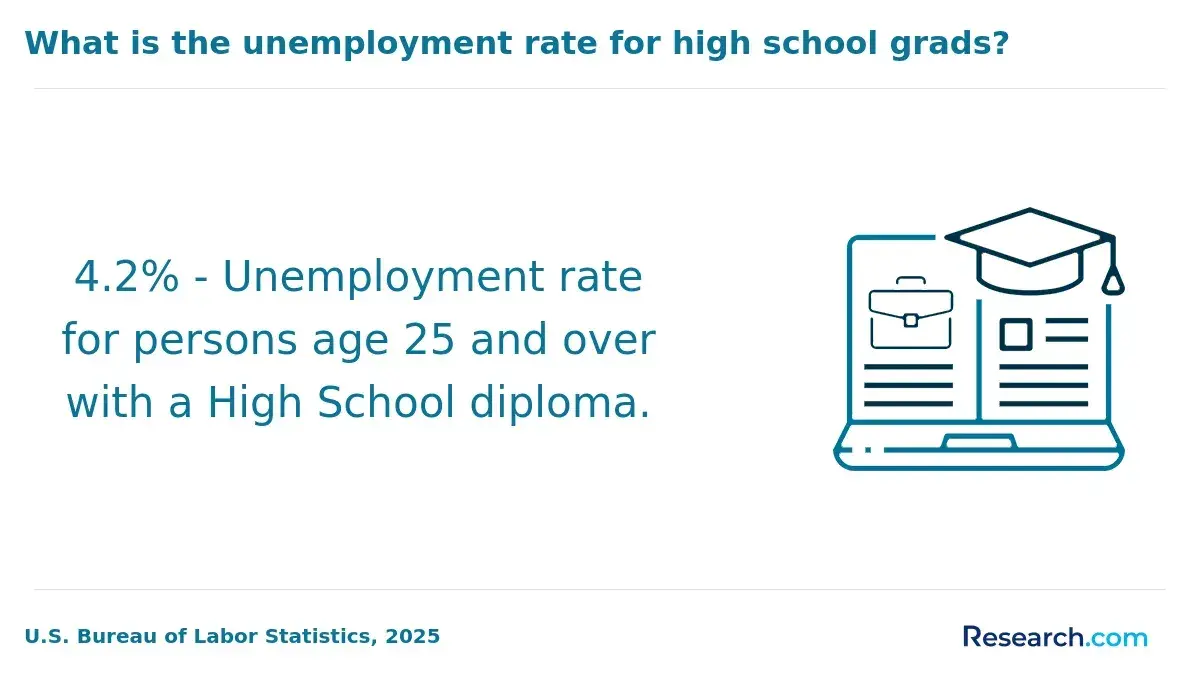
- Education Credentials: A completed high school diploma or equivalent, such as a GED, is typically required. This baseline ensures applicants meet foundational academic standards despite career shifts.
- Academic Transcripts: Official transcripts from any prior college coursework may be requested. These documents demonstrate previous academic performance and can inform transfer credits or prerequisite fulfillment.
- Relevant Experience: A resume or portfolio showcasing work or creative projects highlights transferable skills. Career changers benefit by presenting practical experience aligned with digital media competencies.
- Personal Statement: Essays explaining motivations for switching careers and interest in digital media help admissions assess applicant commitment and fit. This narrative supports candidates from diverse professional backgrounds.
- References or Recommendations: Letters of recommendation or professional references can substantiate capabilities and character. Flexibility in accepted references often aids adult learners balancing multiple responsibilities.
Many programs recognize prior certifications, online course completions, or demonstrated multimedia experience as alternative qualifications, catering to busy working professionals. Flexible study options such as part-time, evening, or online formats further support career changers. To explore related flexible degree pathways tailored to working adults, consider reviewing options like the executive online MBA.
For those shifting careers, grasping the structure of a digital media curriculum is vital to identify how it complements existing expertise and addresses knowledge gaps. This clarity allows learners to strategically approach their studies while balancing other commitments.
Key areas often covered include:
- Foundational Concepts: These courses establish essential digital media ideas such as media theory, storytelling techniques, and design principles, creating a comprehensive base tailored to diverse backgrounds.
- Technical Skills: Students work with industry-standard software and tools, covering essentials from graphic design platforms to video editing and introductory web technologies, ensuring adaptability in practical settings.
- Creative Production: Emphasis is placed on real-world projects that require hands-on creation of digital content, promoting learning through direct application rather than theory alone.
- Media Strategy and Management: Coursework addresses planning and executing digital campaigns, content development strategies, and methods for engaging target audiences effectively.
- Electives and Specializations: Many programs offer focused study options like animation, UX design, or social media marketing, allowing students to align their education with intended career paths.
A professional who recently completed an online digital media program shared his experience: "Balancing work and study was a challenge, but the program's flexibility made it manageable. The real challenge was adapting to new software and creative projects that felt very different from my previous job. I often had to learn late at night and push through moments of frustration."
He added, "The practical assignments helped me gain confidence faster than I expected, and doing it all online allowed me to keep my income while preparing for a complete career change." This insight highlights how digital media coursework can support learners navigating significant professional transitions.
Many adult learners, who account for over 40% of U.S. higher education students, seek degree programs that fit around work and family responsibilities. Flexible delivery methods play a crucial role in helping career changers successfully pursue digital media education.
Here are some common formats tailored for busy professionals:
- Fully Online: These programs enable students to complete coursework entirely on their own schedules, ideal for those balancing jobs or frequent travel. The asynchronous nature allows learners to access materials anytime without geographic constraints.
- Hybrid: Mixing online learning with limited on-campus sessions, hybrid options offer a compromise between convenience and direct engagement. This format supports networking opportunities while maintaining flexibility.
- Part-Time: Extending the length of study, part-time enrollment helps career changers progress at a manageable pace without sacrificing professional or personal obligations. It provides a gradual learning curve suited to adults.
- Evening and Weekend Classes: Designed to accommodate standard work hours, these courses are available both online and on campus. They allow students to attend live sessions during evenings or weekends, fitting education into a non-traditional schedule.
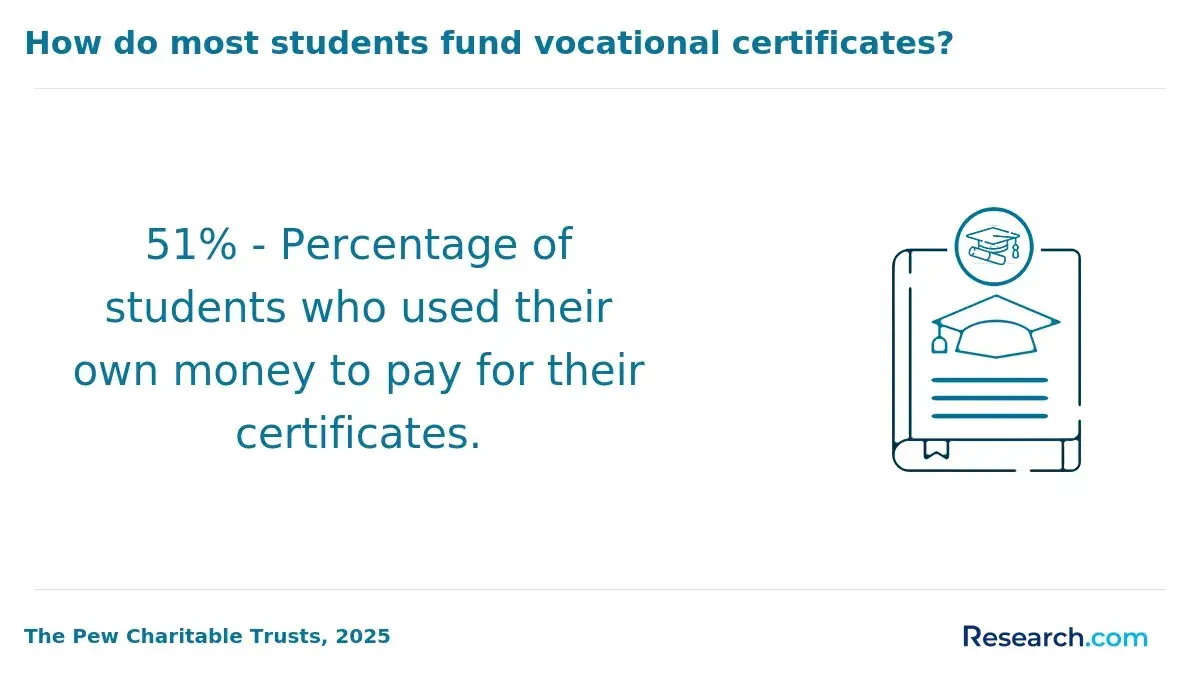
For career changers, enhancing transferable skills is critical, as 87% of employers prioritize these abilities when reskilling workers to meet evolving market demands. Developing targeted competencies boosts confidence and readiness for new industry roles.
Here are five essential skills cultivated in a digital media program:
- Digital Content Creation: Mastering software and tools to design videos, graphics, and interactive elements enables learners to bring creative ideas to life, preparing them for hands-on roles in marketing, entertainment, and advertising sectors.
- Project Management: Learning to organize tasks, deadlines, and team collaboration equips students to lead projects effectively and manage workflow in dynamic professional environments.
- Data Analysis and Audience Insights: Gaining skills in interpreting analytics allows professionals to refine content strategies, an ability highly valued in digital marketing and user experience positions.
- Technical Proficiency: Acquiring knowledge of multimedia software, basic coding, and emerging technologies helps ensure adaptability and ongoing relevance in various career paths.
- Communication and Storytelling: Developing compelling narratives enhances one's ability to engage diverse audiences, a vital asset across media, corporate communications, and beyond.
When I spoke with a career changer who completed a digital media degree, she shared how the program challenged her initial doubts about switching fields. She described feeling overwhelmed by new technology but gradually built confidence through hands-on projects and feedback from instructors.
"It wasn't just learning the tools," she said, "it was learning to think like a storyteller and a strategist." This shift empowered her to embrace creative problem-solving and adapt quickly to job market changes. Her journey highlights how skill development in such programs extends beyond technical know-how.
Career changers need to carefully consider the total cost of a digital media degree, as balancing education expenses with existing financial obligations can be challenging. Recent data shows that the average graduate borrower carries over $40,000 in student loan debt, highlighting the importance of planning for affordable options.
Below are the main cost components to evaluate when exploring affordable digital media programs:
- Tuition and Fees: These are the largest expenses, typically ranging from about $10,000 per year at public institutions to over $30,000 annually at private schools. Part-time and online formats often offer more flexibility, allowing students to spread out costs.
- Technology and Materials: Programs frequently charge technology fees and require software licenses or course materials. These costs can add several hundred to a few thousand dollars each year, so budgeting for them in advance is essential.
- Payment Options: Many schools provide installment plans and scholarships tailored for adult learners, helping ease financial strain. Employer tuition reimbursement may also offset expenses, making degree completion more accessible.
- Cost-Saving Measures: Prior learning assessments and credit for relevant work experience can reduce the time and money needed to finish the degree. Considering these pathways can help career changers complete their studies faster and with less debt.
Exploring the cheapest online EdD programs can offer insights into cost-effective degree options that fit a professional's schedule and budget. Taking these factors into account helps ensure a strategic investment in education and career transition.
For career changers, curriculum design must be thoughtfully crafted to address the unique challenges faced by adult learners entering a new field. Programs geared toward digital media prioritize essential skills that align with career goals and current industry standards. These curricula also consider digital media program prerequisites and admission tips to help applicants prepare effectively.
Below are key ways a digital media curriculum supports career transitions.
- Applied Learning Opportunities: Hands-on projects enable students to build portfolios showcasing their ability to create content, use software, and execute campaigns aligned with industry standards, providing concrete evidence of competence.
- Transferable Skill Development: Courses leverage prior experiences in communication, creativity, and problem-solving, easing the transition by connecting existing abilities with new digital media competencies.
- Flexible Course Structures: Self-paced study and part-time enrollment accommodate working professionals balancing jobs and other commitments, making education accessible and manageable.
- Real-World Projects: Incorporating practical scenarios and challenges, these projects simulate workplace environments, enhancing immediate job readiness upon program completion.
- Integration of Contemporary Tools: Instruction on up-to-date software and technologies ensures learners gain technical expertise that matches employer expectations in a rapidly evolving field.
Individuals exploring career change options may also benefit from exploring quick online degrees that pay well, complementing a digital media degree's practical focus for more immediate employment opportunities.
For professionals changing careers, recognizing potential job outcomes is vital to aligning current skills with industry needs and boosting confidence in new roles. Employment in fields related to digital media, such as multimedia art and design, is expected to grow 13% through 2032, reflecting strong labor market demand.
Below are common career options for those earning a digital media degree.
- Multimedia Designer: Responsible for creating digital graphics, animations, and interactive content using specialized software. Prior experience in creativity and managing projects helps smooth the transition into this role.
- Social Media Manager: Focuses on planning and implementing online marketing campaigns. Communication and analytical skills from previous jobs enhance effectiveness in building audience engagement.
- Video Producer/Editor: Manages the production and editing of video content tailored for various platforms. Familiarity with storytelling and technical editing tools supports career changers entering this field.
- Web Developer: Designs and codes websites, requiring logical thinking and problem-solving abilities that professionals from other sectors often possess.
- User Experience (UX) Designer: Improves product usability by conducting research and designing interfaces. Empathy and user-oriented perspectives from past roles are valuable assets here.
Salary expectations play a critical role for professionals shifting careers, as they influence financial planning and measure the value of new qualifications. A recent report shows that reskilled workers typically experience an average salary increase of about 7%, highlighting that combining existing expertise with digital media knowledge can boost earning potential.
Below are some common salary benchmarks and factors impacting compensation in this field.
- Entry-Level Specialists: Beginners in digital media generally earn between $45,000 and $60,000 yearly. Prior experience in related areas can sometimes result in starting salaries at the higher end of this range.
- Mid-Career Salaries: Professionals with three to five years of experience can expect earnings around $60,000 to $85,000, influenced by skill set depth and industry demand.
- Senior Roles: Positions such as digital marketing managers or lead designers often command salaries exceeding $90,000 and may reach six figures depending on expertise and responsibilities.
- Freelancers and Consultants: Income varies widely for these professionals, largely depending on their client portfolio and project complexity.
- Industry Impact: Sectors like technology and advertising tend to offer higher wages compared to non-profit or education, reflecting differences in budget and market competitiveness.
What Graduates Say About Their Digital Media Degrees for Career Changers
- Nelson: "Switching to a digital media degree felt like a leap into the unknown, but the investment was reasonable considering the benefits. The average cost hovered around $25,000, which, for me, was manageable alongside part-time work. This program not only gave me the technical skills I needed but also transformed my confidence in navigating the tech-driven creative landscape. "
- Austin: "Reflecting on my career change, I knew a digital media degree was essential, though the tuition's $22,000 price tag was daunting at first. Yet, it proved to be a smart, strategic move: the comprehensive coursework aligned perfectly with industry demands, accelerating my career transition and expanding my professional network. "
- Ryan: "Enrolling in a digital media degree at a cost of roughly $24,500 was a calculated decision to update my skillset. The return on investment became clear as I completed the program-the hands-on projects and industry connections propelled me far beyond my previous role, opening doors I hadn't imagined. "
Other Things You Should Know About Digital Media Degrees
Yes, many digital media degree programs in 2027 allow career changers to transfer previously earned college credits. It's important to check with individual institutions for specific transfer policies and credit evaluation procedures, as they can differ.
A strong application portfolio includes 3 to 5 samples that show design, video, web, or social content skills. Most programs ask for a PDF or online portfolio link, and some also require a short statement explaining the applicant’s career change and goals.
- Why Switch Careers to Digital Media Design? https://www.digitalmediadesignacademy.co.uk/blog/why-switch-careers-to-digital-media-design-
- Digital Media & Design Specialization, BA https://www.loyola.edu/academics/communication/undergraduate/digital-media-design.html
- Essential Digital Skills for Media Students and Graduates https://al-fanarmedia.org/2025/04/essential-digital-skills-for-media-students-and-graduates/
- Top Skills You Gain from Certified Digital Marketing Programs https://iidmc.org/blog/top-skills-you-gain-from-certified-digital-marketing-programs
- Digital Marketing Course Cost for Career Change: Is It Worth It at 30? - Uptor Blog https://blog.uptor.in/digital-marketing-course-cost-for-career-change/
- 10 Transferable Skills Gained From A Digital Marketing - Britts Imperial 2025 https://brittsimperial.com/10-transferable-skills-gained-from-a-digital-marketing/
- 8 Digital Skills That Will Increase Your Salary - Nikolina Kobali https://nikolinakobali.com/8-digital-skills-that-will-increase-your-salary/
- Online Master's in Communications and Digital Media | Pace https://online.pace.edu/graduate-programs/ma-communications-digital-media/
- Digital Media Careers: What Can You Do with a Digital Media Degree? https://www.nu.edu/blog/digital-media-careers/
- Digital Media Education Requirements in 2025 - Do You Need a Degree? https://www.tealhq.com/education/digital-media