2027 Can a Professional Writing Degree Lead to Remote Jobs?

Co-Founder and Chief Data Scientist
The remote work landscape for Professional Writing graduates is evolving with increasing integration of specialized digital tools such as Adobe Creative Suite, Markdown editors, and content management systems like WordPress, which many programs embed into their curricula. Practical training often includes simulated client projects and collaborative platforms mirroring industry-standard project delivery in distributed teams.
A recent National Center for Education Statistics report indicates that nearly 38% of Professional Writing degree holders entering the workforce secured remote positions within the first year, highlighting growing employer confidence in their digital readiness. This article explores how these educational components translate to remote job viability and aids readers in assessing alignment with their career objectives.
Key Points About Professional Writing Degrees That Lead to Remote Jobs
- Technical writing, content strategy, and copyediting are top remote fields requiring strong domain expertise; gaining certifications like UX writing or SEO analytics can mitigate competition but may delay entry-level hiring.
- Growing demand for specialized writing roles means employers prioritize portfolios and practical experience over traditional degrees, emphasizing freelance projects and internships as decisive career accelerators.
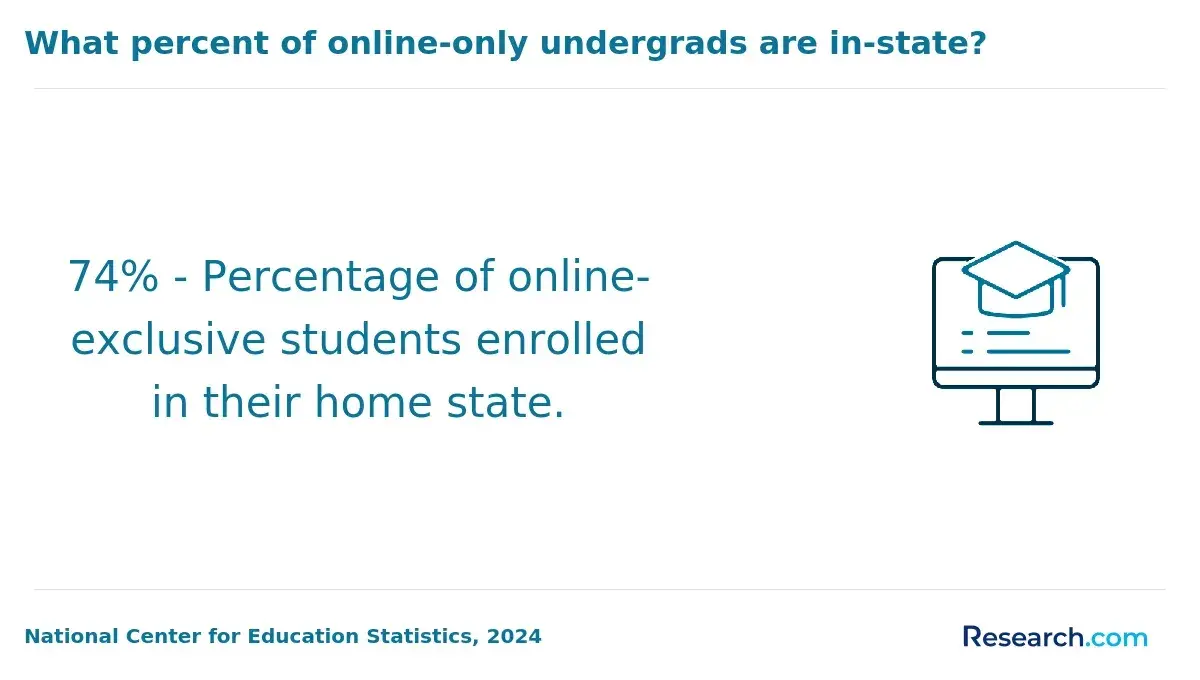
- According to the National Center for Education Statistics, increased online enrollment enhances access for working adults, yet program pacing affects timely skill acquisition, influencing readiness for remote job application cycles.
Is it possible for Professional Writing graduates to work remotely?
Professional writing graduates can increasingly find remote work opportunities, particularly in fields where digital communication and deliverables are central. Roles such as content writers, technical writers, copywriters, editors, and grant writers often offer remote or hybrid arrangements due to the primarily computer-based nature of the work. This flexibility aligns with hiring patterns where employers seek candidates capable of managing projects independently.
Despite these possibilities, remote work is not uniformly accessible across all writing positions. Jobs requiring close collaboration with other teams or specialized technical knowledge may limit remote options. Graduates should weigh these tradeoffs and develop skills that support autonomy and digital proficiency. Building a diverse portfolio of writing experiences can improve adaptability and appeal to employers offering flexible or partially remote setups.
What are the typical entry-level remote positions for new Professional Writing graduates?
Entry-level remote positions are available for new professional writing graduates, reflecting the digital nature of writing and content management today. These roles tend to leverage skills in communication and digital literacy and are increasingly accessible as remote career opportunities for new professional writing degree holders.
Below are five common positions suited to remote or hybrid work environments:
- Content Writer: This role centers on producing blog entries, articles, and website content. Since content writing is primarily an individual task with collaboration occurring via cloud-based editing and feedback systems, many content writer positions accommodate remote work.
- Copywriter: Copywriters develop marketing content such as advertisements, newsletters, and social media text. Coordination with marketing teams typically happens through project management tools or email, enabling remote or hybrid setups.
- Technical Writer: In this role, the focus is on creating detailed manuals, user guides, and technical documentation. The research-heavy process, combined with digital review cycles, allows technical writers to often perform their duties remotely.
- Editor or Proofreader: Entry-level editors and proofreaders are responsible for ensuring text accuracy, grammar, and style consistency. Since submissions are generally digital and communication with authors or teams is virtual, these positions frequently support remote workflows.
- Social Media Coordinator: Managing social media posts, engagement analytics, and content calendars is performed through online platforms and scheduling applications. This job is well-suited for those seeking remote or hybrid work options aligned with professional writing skills.
These roles emphasize portfolio development and practical writing skills within virtual work settings, consistent with the expectations employers have for early career applicants in communications and publishing. For graduates evaluating their career paths, recognizing these typical entry-level remote jobs for professional writing graduates helps frame realistic opportunities and the operational demands behind remote job functions.
Those interested in broadening their skill set may consider exploring the easiest master's programs that complement writing expertise with digital or project management proficiencies, further enhancing employability in remote work environments.
Are there senior-level remote positions for Professional Writing professionals?
Senior-level remote jobs are accessible for professional writing graduates, particularly as companies increase reliance on distributed teams and digital communication. While initial roles might be more limited in remote flexibility, senior positions often combine advanced writing, strategic management, and industry-specific insight, making remote work viable.
Below are five common senior-level roles in this sector with a strong remote or hybrid presence.
- Senior technical writer: This role often allows full remote work since responsibilities include creating detailed manuals, software guides, and product documentation. Senior technical writers coordinate with engineers and product managers to ensure accuracy and oversee documentation projects.
- Content strategist: Typically remote, this position involves planning and managing a company's content approach across platforms. Senior strategists lead teams, develop editorial calendars, and use analytics to align content with business goals, relying heavily on digital collaboration tools.
- UX writer lead: UX writer leads design user interface language that improves usability while working closely with designers and developers. This role is frequently remote and includes mentoring junior writers and setting guidelines for tone and voice.
- Communications manager: Often hybrid or fully remote, communications managers handle both internal and external messaging, including press releases and crisis communications. They supervise communication staff and shape corporate messaging strategy from virtually any location.
- Proposal manager: Generally remote-friendly, this role centers on leading the creation of business proposals and grant applications. Proposal managers manage deadlines, maintain content quality, and ensure alignment with client expectations, often on a project basis.
These senior-level remote writing jobs for professional writing graduates prioritize strong leadership and project management skills in addition to writing expertise. Working remotely requires fluency with digital collaboration platforms and the ability to maintain team cohesion without face-to-face interaction.
For those evaluating career options, it is useful to consider that remote senior roles typically demand a blend of writing proficiency and cross-functional oversight rather than pure content creation. For perspective on long-term financial outcomes relevant to educational choices, 'What degree makes the most money?' offers useful comparative data on earning potential.
Which industries hire the most remote workers with Professional Writing degrees?
Remote opportunities for professional writing graduates span several industries where written communication is essential. Below are five sectors that actively employ remote professional writers.
- Technology: Tech companies frequently hire remote writers to produce user guides, technical documentation, and marketing materials. Their established practice of distributed teams facilitates remote collaboration, making this sector a strong avenue for flexible writing roles.
- Publishing and media: With the rise of digital journalism and content platforms, remote roles in this sector involve creating articles, scripts, and editorial pieces. Meeting tight deadlines and adapting to evolving content styles are typical in these positions.
- Marketing and advertising: Agencies and corporate marketing departments increasingly adopt hybrid and remote models. Writers here focus on crafting persuasive copy, social media content, and campaign assets while working virtually alongside creative teams.
- Education and e-learning: Remote roles often involve developing instructional materials, course content, and training documents. These positions require clarity and adaptability to varied learning formats, aligning well with remote workflows.
- Healthcare and pharmaceuticals: This sector hires remote writers to create regulatory submissions, patient education materials, and scientific communications. The complexity and compliance demands necessitate specialized skills coupled with familiarity in remote team environments.
How do salaries differ for remote vs on-site roles in Professional Writing?
Comparing remote professional writing job salary comparisons reveals that on-site roles typically offer slightly higher average pay. This difference largely arises from geographic pay adjustments, where employers factor in local living costs to set compensation. While remote positions often command salaries reduced by 5% to 15% compared to on-site roles, this gap is not uniform; firms with critical or highly specialized writing needs may flatten pay scales to remain competitive across locations.
Salary differences between remote and on-site professional writing roles tend to reflect operational priorities rather than skill valuation alone. Companies using geographic pay tiering adjust offers according to region, but exceptions exist, particularly in segments such as technical writing or strategic content development, where expertise trumps location.
Candidates navigating these roles should weigh these salary structures carefully and consider the practical impact of working remotely versus on-site. For deeper insights into education pathways influencing employability in related fields, programs like an affordable psychology degree online can provide relevant context.
What are the common challenges of working remotely with a Professional Writing degree?
Remote work in professional writing offers flexibility but also surfaces unique operational and career challenges that merit careful consideration. Below are five key difficulties remote professional writers frequently encounter and strategies to navigate them effectively.
- Communication Lags and Misalignment: Remote writers often experience slower feedback loops because of time zone differences or asynchronous editing processes. Proactively establishing clear deadlines and regular check-ins can help maintain momentum and alignment with editorial teams.
- Data Security Responsibilities: Handling sensitive drafts and unpublished materials outside secure office networks increases exposure to cyber risks. Writers must develop disciplined digital hygiene practices and utilize encrypted platforms to protect proprietary content.
- Visibility Bias Against Remote Roles: Employees working onsite tend to receive more recognition, which can hinder remote writers' access to important projects or promotions. To counteract this, remote professionals should consistently document achievements and engage actively in virtual meetings to enhance their presence.
- Limited Peer Collaboration: The absence of spontaneous workplace interactions can delay problem-solving and increase error rates, especially with complex or technical writing tasks. Building structured peer review routines and leveraging collaboration tools can partially offset this isolation.
- Balancing Autonomy and Accountability: Remote work demands strong self-management skills; without direct supervision, maintaining consistent productivity while meeting quality standards becomes challenging. Implementing personal project tracking and seeking feedback regularly helps sustain accountability.
When I spoke with a professional writing graduate working remotely, he described the process as a "constant negotiation between independence and staying connected." He shared how initial projects suffered from delayed clarifications, which meant longer revision rounds. "I had to learn to over-communicate early on," he reflected, "making sure editors weren't left waiting and I wasn't missing key context."
He also mentioned feeling "less visible" during performance reviews compared to colleagues in brick-and-mortar offices, prompting him to create detailed monthly reports of his contributions. Despite the hurdles, he emphasized how developing rigorous organizational habits and proactive communication became essential tools that shaped his remote work effectiveness and confidence over time.
Are there certifications that can improve remote hiring outcomes for Professional Writing graduates?
Certifications can enhance remote hiring prospects for professional writing graduates by validating skills beyond academic degrees. Employers increasingly value credentials that demonstrate technical communication, digital marketing, and project management capabilities tailored to remote workflows.
Below are key certifications known to improve remote-friendly hiring outcomes for professional writing graduates:
- Certified Professional Technical Communicator (CPTC): This credential, offered by the Society for Technical Communication, emphasizes clear technical communication and industry standards. It highlights a candidate's proficiency in documentation processes and is useful for remote roles requiring complex, structured writing. Applicants typically need a portfolio and an experience demonstration.
- HubSpot Content Marketing Certification: Focused on content strategy and digital marketing fundamentals, this certificate helps writers adapt to remote content production demands. It covers SEO, audience analysis, and engagement metrics, making candidates more competitive for content-heavy remote jobs. The certification requires passing an online exam.
- Association of Talent Development (ATD) Certificate in Technical Writing: ATD's program underscores instructional design and communication best practices critical for remote professional writing jobs, especially those intersecting educational or training content. The application involves coursework completion and practical assignments.
- Content Marketing Institute Certification: This credential targets strategy development and content distribution techniques, critical for blending writing with digital marketing. Certified professionals can better align content goals with analytics and SEO, which are increasingly sought after in remote positions. Requirements include completing targeted training modules and assessments.
- Google Analytics Individual Qualification (GAIQ): GAIQ verifies competence in website data analysis, an asset for remote writers tasked with performance tracking and content optimization. Candidates prepare through Google's study resources and pass an exam demonstrating analytical skills.
Combining core writing expertise with certifications that prove adaptability to digital tools and remote workflows improves employability. This is especially true as remote job listings often highlight CMS familiarity, SEO knowledge, and project management as desired qualifications. Balancing foundational skills with targeted credentials reflects an understanding of the diverse demands in remote professional writing roles, increasing recruiter confidence.
For those considering accelerated pathways, pursuing a master's degree in 6 months can complement these certifications by providing advanced theoretical frameworks alongside practical credentials.
How can Professional Writing degree students increase the chances of landing remote roles?
Students searching for remote roles with a professional writing degree must adopt specific strategies that align with employer expectations in decentralized work environments. Employers prioritize evidence of autonomy and relevant digital presence. The following key tactics can enhance the chances of securing remote positions in professional writing.
- Develop a detailed and varied portfolio: Showcase distinct projects, writing samples, and case studies that reflect adaptability and initiative. A portfolio evidencing solo project management resonates more with hiring managers expecting self-directed remote workers.
- Utilize remote-specific job platforms: Engaging on remote-first job boards and niche sites geared toward writers targets openings suited to graduates focused on remote roles, improving application relevance.
- Engage with professional writing communities: Active participation in Slack groups, forums, and digital networks provides insider knowledge on companies hiring remotely and offers networking that often bypasses conventional recruitment.
- Prepare for asynchronous evaluations: Many remote hiring processes include untimed writing tasks completed independently. Mastering these exercises and demonstrating timely, clear communication can distinguish candidates early in selection.
- Maintain an optimized LinkedIn profile: Align your public professional profile with remote work trends and keywords. Staying visible and engaged with remote job cultures on LinkedIn increases recruiter outreach and credibility.
This multifaceted approach addresses real hiring preferences and operational challenges faced by those exploring professional writing degree remote job search strategies. For students weighing degrees and online programs, comparative fields like an environmental engineering online degree may offer different but equally relevant remote work trajectories worth considering.
How do remote Professional Writing roles impact long-term career trajectory and promotions?
Remote professional writing roles reshape career trajectories through distinct expectations around visibility and leadership. Without the chance for casual in-person interactions, advancement depends heavily on measurable output and documented contributions. Remote writers must actively manage communication across digital channels and demonstrate initiative within project management and collaboration tools to gain recognition.
Leadership in distributed settings is often evaluated through virtual mentorship, cross-team project involvement, and consistent delivery rather than physical presence or office politics. This dynamic makes promotional timelines less predictable, relying instead on concrete evidence of impact. Consequently, remote writers who prioritize building robust digital portfolios and proactively engage with managers about goals tend to navigate career progression more successfully.
Mastering remote collaboration software and flexibility in asynchronous workflows also factor into how remote professional writers establish credibility and leadership potential. Those who can blend self-direction with clear, frequent communication can offset challenges posed by physical distance. Ultimately, career growth for remote writers demands purposeful effort in relationships.
Is a remote career in Professional Writing sustainable for the next decade?
Remote work for professional writing remains a viable option as organizations continue embracing distributed teams, especially within communications, content creation, and technical documentation sectors. However, the trajectory of this work greatly depends on how professionals adapt to technological shifts such as AI-driven writing tools, advanced collaboration software, and cloud platforms that streamline remote workflows.
While these innovations can increase productivity, they also raise expectations around faster turnaround times and elevated content quality, forcing writers to continuously refine their skills to stay competitive. Economic fluctuations and evolving employer priorities underscore the importance of versatility. Writers able to integrate multimedia elements, optimize content for search engines, and leverage data to tailor messaging offer stronger value in remote roles.
When asked about the sustainability of remote professional writing over the coming decade, a professional writing graduate reflected on their experience navigating the field. They noted that while the flexibility of remote work is appealing, securing consistent projects requires persistent outreach and adaptability to emerging tools.
"There were moments when I questioned if remote writing alone could provide stability," they shared, emphasizing the need to expand skillsets beyond traditional text to include data visualization and SEO techniques. This proactive approach, paired with building relationships across remote teams, proved essential to maintaining relevancy and mitigating isolation challenges common in remote settings.
What Graduates Say About Professional Writing Degrees That Lead to Remote Jobs
- Jason: "Completing my degree in professional writing was pivotal in securing a remote content strategist position, mainly because it emphasized building a strong portfolio over traditional credentials. Working remotely has allowed me to balance multiple projects across industries, but I've noticed that employers often favor candidates with internships or freelance experience, so I made sure to invest time in that before applying. The trade-off, though, is that while remote roles offer flexibility, upward mobility can be slower without additional certifications or specialized skills beyond the degree."
- Camilo: "After graduating, I found that my professional writing degree opened doors to remote roles faster than other paths I considered, since writing is inherently suited to digital environments. My current role as a technical writer demands constant collaboration despite the distance, and the program's focus on practical editing and clear communication prepared me well. However, I quickly learned that in this field, employers often prioritize demonstrable experience and specific certifications over just a degree, which influenced me to pursue additional qualifications while working remotely."
- Alexander: "My degree in professional writing helped me transition to a remote UX writing position, but getting there involved competing with many applicants who had more specialized training or industry experience. The degree gave me the foundational skills to adapt, but I had to strategically pivot and develop niche expertise to stand out. Working remotely has its perks, though, like diverse projects and flexible hours, but the reality is that salary growth feels capped without further licensure or advanced credentials, making continuous learning essential to stay competitive."
Other Things You Should Know About Professional Writing Degrees
Programs that incorporate online or hybrid learning formats better simulate the remote work environment, helping students develop self-discipline and digital communication skills crucial for remote professional writing jobs. Conversely, traditional in-person programs might offer richer peer interaction but may not adequately prepare students for the isolation and autonomy remote roles demand. Prioritizing programs with substantial online collaboration and remote project management components can ease the transition into a remote career.
Longer professional writing programs may offer comprehensive theory, but they often reduce time available for internships or portfolio development, which are key to remote job readiness. Shorter, more intensive programs might accelerate entry into the workforce but risk less depth in writing versatility. Prospective students should weigh the value of program length against opportunities to build a practical portfolio and remote work experience during their studies.
Employers in remote settings expect professional writers not only to produce quality content independently but also to manage deadlines and communication without direct supervision. This requires students to master self-motivation and digital project tracking tools, which are not always emphasized in academic curricula. Candidates who proactively develop these skills alongside their writing ability gain a competitive edge, suggesting that when selecting a program, prioritizing those offering training in remote workflow management is advisable.
References
- The Perks of Being a Remote Technical Writer - Wizard on Demand https://www.wizardondemand.com/post/the-perks-of-being-a-remote-technical-writer
- Remote Writing Jobs: 9 Step Ultimate Guide To Work From Anywhere | https://remotejobscentral.com/remote-writing-jobs/
- hannahHR | Articles and Resources | Does Remote Work Really Hurt Your Career Advancement? https://www.hannahhr.com/blog/does-remote-work-really-hurt-your-career-advancement
- Remote Writing Jobs: Find Full-Time Roles & Freelance Gigs in 2026 https://www.remotejobassistant.com/blog/remote-writing-jobs-guide-2026
- Onsite vs Remote vs Hybrid Jobs: Salary, Pros & Cons | Blog https://www.ttecjobs.com/en/onsite-vs-remote-vs-hybrid-jobs-salary-differences-pros-and-cons
- Out of Office, Out of Luck? The Impact of Remote Work on Career Advancement - Alliance Resource Group https://www.allianceresourcegroup.com/2024/02/27/out-of-office-out-of-luck-the-impact-of-remote-work-on-career-advancement/
- Do Remote Jobs Pay Less Than Onsite Jobs? https://www.virtualvocations.com/blog/remote-job-search-tips/do-remote-jobs-pay-less-than-onsite-jobs/
- Remote Work and Tech: How it Affects Salaries and Career Progression https://www.ironhack.com/us/blog/remote-work-and-tech-how-it-affects-salaries-and-career-progression
- Remote vs Hybrid vs Onsite Job Statistics in the US https://zoetalentsolutions.com/remote-vs-hybrid-vs-onsite-job-statistics-in-the-us/
- Does Remote Working Impact Career Progression? https://weworkremotely.com/does-remote-working-impact-career-progression