2026 Best Online Human Resource Management Degrees for Performance Management Careers

Co-Founder and Chief Data Scientist
Struggling to balance full-time work, family obligations, and advancing a career in performance management, many professionals find traditional campus programs impractical. Over 60% of postsecondary students now enroll part-time or online, according to the National Center for Education Statistics, signaling a fundamental shift in higher education accessibility and scheduling flexibility. This change reflects workforce demands for adaptable learning that accommodates employed adult learners aiming to upskill without career disruption. However, not all online human resource management degrees address the specialized needs of performance management roles or offer equitable recognition from employers.
This article evaluates top online human resource management programs designed to equip students for performance management careers, focusing on curriculum relevance, scheduling flexibility, and career impact to guide informed educational decisions.
Key Things You Should Know
- Online human resource management degrees in 2026 present a cost-benefit tradeoff: schools with higher program costs frequently offer stronger AI-driven analytics training, crucial as 67% of employers prioritize HR tech proficiency per Gartner's 2024 workforce report.
- Employers increasingly favor candidates with integrated DEI and performance analytics skills, with 54% of HR roles requiring data fluency, heightening the importance of programs focusing on strategic talent metrics over general HR knowledge.
- Accelerated online programs reduce time-to-degree by 30%, critical amid a projected 12% HR specialist job growth through 2032 from the U.S. Bureau of Labor Statistics, yet may limit experiential learning essential for leadership track roles.
What is an online human resource management degree and how does it support performance management careers?
Graduates with an online human resource management degree bring specialized capabilities in aligning workforce performance with organizational objectives, an increasingly pivotal advantage as performance management demands evolve. For example, an HR manager in healthcare must meld compliance with metrics that ensure patient care priorities without compromising staff accountability-a balance that online human resource management degree programs for career advancement emphasize through real-world system design.
Employers prioritize candidates skilled in data-driven decision-making, employee engagement, and legal regulatory frameworks-competencies that accredited online curricula rigorously cover. Yet, the online format entails tradeoffs such as navigating asynchronous sessions and securing access to simulation tools to practice performance strategies effectively. Prospective students should also consider the challenge of maintaining engagement and networking remotely, crucial for managing distributed teams and virtual performance oversight.
Financially, an online human resource management bachelor's graduate commands a median salary of $67,000 one year after graduation, notably higher than the $60,000 median for all online business bachelor's holders. This wage premium reflects employer demand for expertise that enhances operational productivity through targeted performance management.
For those aiming to deepen leadership expertise post-bachelor's, exploring options like a PhD leadership online can be a strategic extension of career pathways.
How an online human resource management degree enhances performance management skills lies in its blend of theoretical knowledge with practical application-preparing graduates to implement systems that drive measurable improvement across sectors such as manufacturing, technology, and healthcare.
How do online human resource management programs compare with campus-based programs for performance management training?
Performance management training in online human resource management programs versus campus programs differs most critically in experiential learning access and networking. While both formats cover workforce analytics, employee development, and performance appraisal systems with comparable rigor, campus-based human resource management training offers more direct, face-to-face internships and in-person role-playing exercises essential for refining conflict resolution and coaching skills.
Online human resource management training vs campus programs for performance management show distinct tradeoffs: online programs provide greater flexibility and often incorporate digital tools simulating real workplace systems, advantageous for employed professionals upgrading skills without career disruption. However, these students need to proactively secure virtual internships or local placements to gain the hands-on experience campus curricula embed more naturally.
The U.S. Bureau of Labor Statistics projects an 8% growth in human resources managers between 2023 and 2033, yielding roughly 16,900 new annual positions that demand applied, practical competencies beyond theory alone. Campus students may benefit from stronger alumni networks and on-site career services, while online learners should cultivate professional associations and remote mentorships to bridge this gap.
Choosing between online and campus-based human resource management courses in performance management depends on personal circumstances: working professionals with time constraints and self-motivation may prefer online options; those seeking immersive environments with structured career support might select campus paths. Regardless, securing internships and networking early remains critical to meet employer expectations effectively.
For those exploring flexible educational pathways tailored to workforce realities, resources like the best accelerated project management degree programs online offer comparative insights that can inform strategic decisions in human resource management training.
Which types of accreditation should online human resource management degrees have in the United States?
Accreditation status significantly influences the practical utility of online human resource management degrees in the United States. Degrees recognized by regional accrediting bodies acknowledged by the U.S. Department of Education, such as the Higher Learning Commission or the Middle States Commission on Higher Education, provide foundational legitimacy that employers expect. Programs with additional accreditation from bodies like the Society for Human Resource Management (SHRM) or the Association to Advance Collegiate Schools of Business (AACSB) are preferred, especially for HR roles concentrating on performance management.
Consider a candidate seeking a position in a multinational corporation's HR team: a degree with SHRM accreditation signals that their education aligns with real-world workforce practices, such as understanding legal compliance and strategic talent development. Employers in performance and talent management explicitly prefer these accredited credentials because they confirm practical skills that non-accredited programs tend to lack.
Students should weigh these accreditation standards for online human resource management degrees in the United States carefully, as the distinctions affect eligibility for credentials like SHRM-CP or SHRM-SCP and influence transfer credits, federal financial aid, and graduate school prospects.
Given that HR managers focused on performance command a median base salary of $132,000 (Robert Half, 2025 Salary Guide), the investment in properly accredited programs correlates to tangible employment and compensation outcomes.
The choice of program also relates to strategic career moves; for those sensitive to affordability and flexibility, examining the cheapest online master's in project management offers insight into alternative pathways with recognized credentials and market value.
Prospective students must confirm the authenticity of the accrediting agencies and ensure the program's curriculum aligns with their targeted career focus, especially within the framework of recognized regional and national accreditation for online human resource management programs in the US.
What admission requirements and prior experience are needed for online human resource management degrees?
Admission to online human resource management degree programs in the United States typically hinges on a high school diploma or equivalent, though some programs prefer related coursework or foundational business knowledge. Prior work experience requirements for online human resource management programs vary: bachelor's degrees generally do not require it, but candidates with 1-2 years in administrative or office management roles gain a practical edge by demonstrating workforce familiarity.
Graduate-level programs place more emphasis on verified HR-related experience-usually 2-3 years-and leadership potential, reflecting employer preferences for strategic roles. For example, a mid-career professional seeking a performance analysis or compensation specialist role should prioritize programs with quantitative prerequisites, such as statistics or economics, ensuring they can work effectively with workforce data. Admission committees also evaluate quantitative and communication skills through tests or alternative assessments aligned with workplace readiness.
Financially, the median tuition among top online HR bachelor's programs stands at approximately $340 per credit, while graduates earn early-career salaries around $55,800. This cost-to-earnings balance necessitates selecting programs connected to sectors with growing demand-like technology or healthcare-where expertise in performance management directly influences career outcomes.
Those interested in advancing further may explore specialized paths such as a doctorate healthcare administration, which can position graduates for executive roles within health-related organizations.
What courses and specializations in online HR programs focus on performance management skills?
Performance management education within human resource management programs focuses on blending quantitative data with qualitative evaluation techniques to shape effective workforce strategies. A critical real-world application involves interpreting key performance indicators (KPIs) to create actionable development plans, which directly influence sales or customer service improvements. Students learn to design appraisal systems that balance algorithmic insights with employee feedback, avoiding demotivation risks particularly for high-potential talent.
Specializations often emphasize tools like 360-degree feedback and continuous coaching models, tailored by sector demands-healthcare prioritizes compliance and regulatory benchmarks, while tech sectors aim for innovation metrics and agility. These distinctions highlight the necessity for adaptable performance frameworks that scale across industries and organizational cultures.
Legal and ethical considerations, such as mitigating unconscious bias and remote workforce performance tracking, are integrated to meet evolving employer expectations. The trade-off between cloud-based platforms and traditional reviews requires cost-benefit analyses to recommend HR investments aligned with strategic goals.
Employers increasingly prioritize HR professionals skilled in talent and performance management: Randstad's 2026 HR jobs report projects a 74% rise in demand. Understanding these dynamics equips students to navigate workforce trends and advise effectively on investment decisions that balance organizational priorities with practical implementation challenges.
How long do online human resource management degrees take and what do they typically cost?
Completing an online human resource management master's demands a careful balance between time, cost, and professional obligations. Full-time study typically requires 18 to 24 months, yet part-time enrollment often extends to three years or more due to work commitments. For instance, 70% of online HR master's students simultaneously hold full-time jobs, elongating program completion beyond standard timelines.
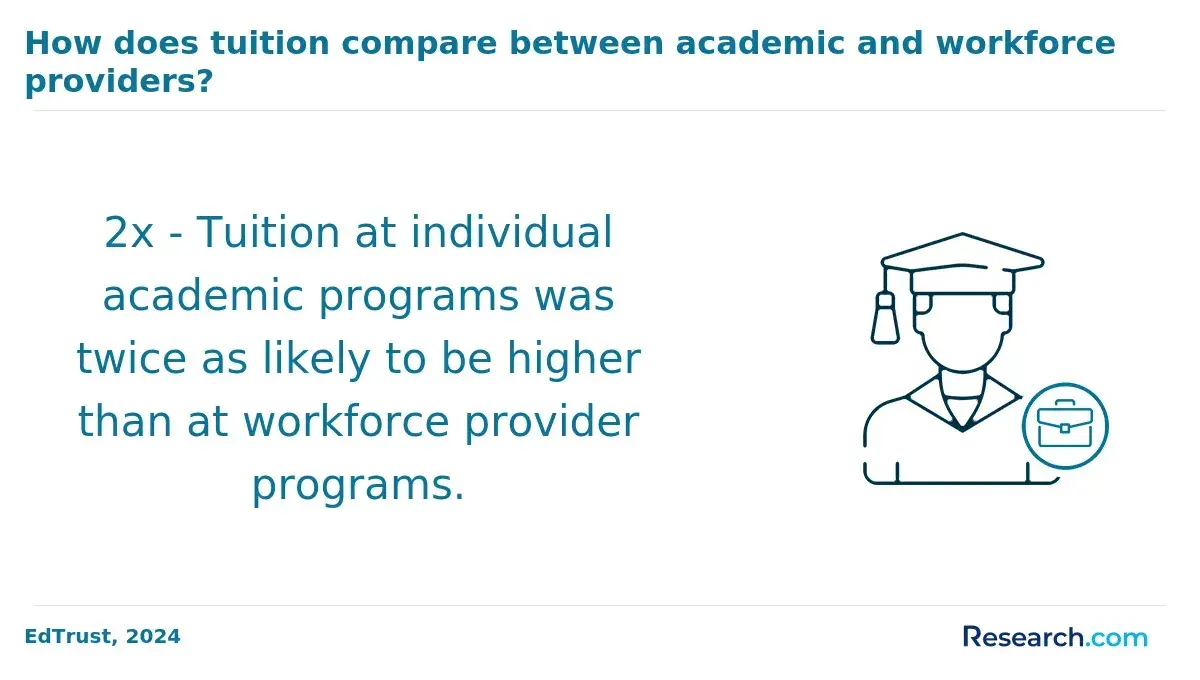
Tuition varies significantly: public institutions charge roughly $300 to $700 per credit hour, while private schools often exceed $800, pushing total costs north of $30,000 when including fees. Students must consider these expenses against expected salary growth and employer credential requirements, especially in competitive fields like technology or healthcare.
Employers prioritize candidates offering both practical HR skills and advanced credentials, which translates into programs emphasizing flexible scheduling and relevant curricula. Prospective students juggling employment should plan for roughly two years of study to avoid burnout and maximize retention.
- Full-time jobs slow progress but provide income stability.
- Online formats demand disciplined time management over accelerated on-campus routes.
- Financial aid or employer tuition assistance can mitigate cost challenges.
The tradeoff between schedule flexibility and total program duration is a central consideration for those seeking sustainable advancement without interrupting their employment trajectory.
What performance management roles can you pursue with an online human resource management degree?
An online human resource management degree predominantly prepares graduates for roles demanding analytics-driven performance oversight, such as performance analyst, talent development specialist, HR business partner, and learning and development (L&D) coordinator. These positions require nuanced competencies in aligning workforce capabilities with shifting organizational priorities-a manufacturing HR business partner, for instance, integrates performance metrics closely with operational targets, whereas an L&D coordinator in tech prioritizes continuous skill enhancement amid rapid innovation.
Employers increasingly expect HR professionals to harness data-centric tools to drive measurable business outcomes through coaching and performance appraisal. According to LinkedIn's 2025 Workplace Learning Report, 61% of L&D and HR leaders highlight performance management and coaching as critical capabilities for HR teams, emphasizing the necessity of proficiency in these areas to maintain employability.
Key practical skills include defining measurable objectives, delivering impartial evaluations, and tailoring feedback to diverse employee profiles. Success hinges on facility with HR software and analytical dashboards, especially in decentralized or remote contexts where real-time performance tracking and coaching become operational priorities.
Decision-makers should weigh sector-specific demands: regulated industries often require stringent compliance integration, while startups call for broader talent strategy fluency. Early awareness of these tradeoffs can inform elective choices and certification paths, enhancing strategic career positioning for specialized roles.
What salary ranges and earning potential exist for HR professionals specializing in performance management?
Salaries for HR professionals focusing on performance management vary widely, shaped by industry context, experience level, and organizational scale. Entry-level roles typically start between $65,000 and $75,000, especially within healthcare and education sectors where budget constraints are notable. Mid-career practitioners, armed with five to ten years in performance analytics, generally earn $85,000 to $100,000. These figures are notably higher in data-driven sectors like technology, finance, and manufacturing, where firms prioritize workforce optimization through talent analytics.
Senior specialists and HR directors managing broad talent strategies often command salaries exceeding $110,000, particularly in larger enterprises with global workforces and advanced analytics capabilities. The integration of people analytics, embedded in nearly half of online HR master's programs, is a growing credential that employers equate with greater workforce impact and thus better compensation.
Consider a retail chain analyst starting near $70,000 whose earnings can rise to $95,000 through mastery of analytics tools and measurable improvements in retention. By contrast, a similar role at a tech startup might offer $85,000 initially with a steeper salary trajectory but less job security. Professionals must balance these tradeoffs, weighing industry standard pay against benefits and workplace stability.
Certifications and master's degrees with talent analytics concentrations can boost starting salaries by 10-15% as per U.S. Bureau of Labor Statistics data, underscoring the tangible return on investment for targeted education.
What professional certifications support performance management careers in human resources?
The strategic value of certifications in human resource management hinges on their alignment with industry-specific demands and actual employer expectations. For instance, SPHR certification often yields faster advancement and higher salaries in healthcare, where legal compliance and workforce accountability are tightly regulated. Conversely, technology firms prioritize credentials emphasizing analytics literacy and change management to navigate rapid innovation cycles effectively.
Certifications like the Certified Talent Management Practitioner (CTMP) cater to practitioners focused on data-driven performance management. This specialization aligns with findings from the 2025 Robert Half survey showing that 68% of HR leaders are increasing investments in people analytics platforms to enhance decision-making.
Key tradeoffs include balancing study costs, which range from $400 to over $1,000, and meeting eligibility criteria such as HR experience. Maintenance through continuing education also affects long-term planning. Candidates must weigh these factors against potential benefits like reduced onboarding time and stronger credibility in cross-functional leadership roles.
Industries such as manufacturing emphasize labor relations and compliance aspects more than innovation speed, underscoring that no single credential fits all sectors. Practical evaluation should focus on how certification content matches career goals and operational realities rather than blanket credential acquisition.
How can prospective students evaluate and choose a reputable online HR program for performance management?
Choosing an online human resource management program that directly aligns with industry-recognized certifications such as PHR or SPHR can yield a measurable salary premium, as HRCI's 2024 candidate data confirms certified professionals earn 9-16% more than their non-certified counterparts in comparable roles. This certification alignment is more than a credential; it reflects employer expectations for measurable competency in performance management.
Programs that emphasize applied learning-metrics analysis, employee development, and strategic organizational initiatives-offer a decisive edge over those centered on abstract HR theory. For example, internships or capstone projects tied to real-world employer partnerships in healthcare, retail, or technology sectors often result in faster, smoother transitions into performance-specific roles.
Online program flexibility varies significantly, and fully asynchronous formats can limit networking and employer referral prospects. Investigating alumni outcomes on platforms like LinkedIn is critical to gauging how effectively graduates convert their credentials into roles that emphasize performance outcomes.
Evaluating the cost-to-benefit ratio requires more than tuition comparison; consider time-to-completion and integrated certification prep, which can reduce total investment by minimizing separate exam preparation. Programs that provide career services focused on performance management placement support can further accelerate return on investment.
Other Things You Should Know About Human Resource Management
Having work experience can enhance understanding and application of concepts taught in online human resource management programs. It provides practical insights and a real-world context. While not mandatory, work experience can significantly benefit students by allowing them to relate academic theories to workplace scenarios.
Many online human resource management degrees require a supervised internship or practicum of 120 to 240 hours, often completed with an employer-approved HR site. Some programs waive this requirement for students with documented HR experience, but they still require a final project or portfolio tied to performance management skills.
Employers increasingly seek candidates with targeted skills in performance management due to its direct impact on organizational success. Degrees with specialized coursework or certificates in performance management often stand out in competitive job markets. When selecting a program, prioritizing one with a clear performance management specialization can improve job prospects, especially for roles requiring expertise in employee evaluations, metrics, and development plans.
Fully asynchronous programs offer maximum scheduling flexibility but can reduce opportunities for real-time interaction and immediate feedback, which are valuable for mastering complex performance management concepts. Programs with live sessions encourage networking and direct discussion with instructors and peers, enhancing understanding of nuanced topics like conflict resolution and feedback delivery. Students should weigh their learning style and need for engagement when deciding between these formats.
References
- Online Bachelor's Degree: Human Resource Management https://www.umgc.edu/online-degrees/bachelors/hr-management
- E-Learning in Human Resource Management: Complete Guide https://www.bmc.net/blog/general-blog-posts/e-learning-platforms-in-hrm
- Eligibility Criteria - SHRM Certification https://www.shrm.org/credentials/certification/eligibility-criteria
- Top 8 HR Certification Classes in 2026 - HR University https://hr.university/training/hr-certification-classes/
- Human Resource Management Courses Eligibility: Everything You Should Know* https://www.jims.in/blogs/hr-management-courses-eligibility
- Choosing a bachelor's in human resource management | edX https://www.edx.org/resources/how-to-choose-a-bachelors-in-human-resource-management
- Which Course Is Best for Human Resource Management? 9 Options https://www.aihr.com/blog/which-course-is-best-for-hr-management/
- Top 20 Online Courses for Human Resource Managers https://zoetalentsolutions.com/top-20-online-courses-for-human-resource-managers/
- 10 Best Online HR Courses To Take in 2025 https://gethirex.com/blog/10-best-online-hr-courses