2027 Social & Behavioral Sciences Specializations for Youth Services Careers

Co-Founder and Chief Data Scientist
Facing a pressing demand to provide targeted support for vulnerable youth populations, professionals in social & behavioral sciences must navigate a complex landscape of specialized knowledge areas and credentialing options. With employers increasingly valuing niche competencies—such as trauma-informed care or juvenile justice expertise—deciding which specialization aligns with both career goals and labor market realities becomes critical.
In fact, recent data from the National Center for Education Statistics shows a 22% increase in online enrollment for social services degrees since 2022, signaling a major shift in how aspiring practitioners balance access, timing, and upskilling amid evolving workforce expectations.
This article clarifies the most viable social & behavioral sciences specializations for youth services careers, offering analysis to guide informed decisions on education pathways that deliver tangible career mobility and practical impact.
Key Things You Should Know
- Youth services specializations with a focus on trauma-informed care show 22% higher employment placement rates but require extended practicum hours, increasing time-to-degree by an average of 6 months according to the 2025 National Education Report.
- Employers reported in a 2024 Workforce Survey that candidates with quantitative data analysis skills in social program evaluation secure 35% more senior roles, signaling a growing premium on measurable impact expertise.
- Programs emphasizing community-based participatory research typically cost 15% more due to fieldwork logistics, posing access barriers for economically disadvantaged students, as outlined in the 2024 Higher Education Equity Study.
What are the main social and behavioral sciences specializations for youth services careers?
Specializing in youth services within social and behavioral sciences demands clear-eyed evaluation of practical tradeoffs between credentials, regulatory hurdles, and workforce realities. For instance, developmental psychology applies cognitive and emotional growth research to interventions targeting youth trauma but often requires a doctoral degree for research roles.
Social work, a key social and behavioral sciences specialization for youth service professionals, balances policy navigation, family systems, and social resource access, with licensure typically mandatory for clinical case management positions that come with substantial administrative responsibilities.
Counseling fields sharpen crisis intervention and mental health assessment skills, relevant amid rising adolescent mental health challenges like anxiety and substance abuse, but advanced degrees and certifications lengthen training pathways.
Criminology aligns well with roles in juvenile justice, emphasizing rehabilitation program design, yet it demands integrating legal frameworks with social science knowledge. These distinctions affect salary potential and sector accessibility.
The U.S. Bureau of Labor Statistics projects about 313,700 annual openings in community and social service occupations through 2034, with a median wage of $57,530, outpacing the overall median wage. Careful consideration of workforce demand is essential when choosing among these key social and behavioral sciences fields for youth career paths, especially given varying requirements for education and certification.
Prospective students targeting social work licensing should explore top MSW online programs to navigate the credentialing process strategically while balancing fieldwork and administrative duties.
Which youth services careers can you pursue with social and behavioral sciences degrees?
Degrees in social & behavioral sciences shape a focused set of professional opportunities with social and behavioral sciences degrees in youth services by equipping graduates to meet distinct workforce demands across child welfare, counseling, juvenile justice, and community outreach.
Child, family, and school social worker roles, with a projected 5% growth yielding roughly 34,800 openings annually, are anchored in addressing complex mental health and behavioral challenges through tightly regulated systems. Graduates who hold licensure and specialize in trauma-informed care report stronger employability but must navigate intricate caseload management and interagency collaboration pressures.
Youth counseling careers offer a different set of demands, emphasizing clinical expertise and crisis intervention, with added barriers in supervised clinical hours and state-specific certification. Similarly, juvenile justice specialists balance enforcement duties with rehabilitative approaches, often contending with high-stress environments and socio-economic diversity.
Community outreach coordinators, meanwhile, rely less on licensure but face expectations for skills in data analysis, grant writing, and sustained stakeholder cooperation. Practical career pathways for youth services specialists with social and behavioral sciences backgrounds require assessing these operational tradeoffs alongside personal aptitudes and professional goals.
Prospective students should consider accelerated psychology masters programs to expedite credentialing and skill acquisition aligned with these roles; such focused programs may streamline transitions while demanding rigorous clinical and academic commitment.
How do online and campus-based social and behavioral sciences programs compare for youth services?
Choosing between online social and behavioral sciences programs and campus-based options for youth services careers involves weighing concrete tradeoffs in practical training and workforce preparation. Campus programs typically provide structured access to supervised internships and fieldwork, which employers often require for roles involving adolescent mental health and substance use counseling.
This develops essential competencies for dealing with complex behavioral disorders amid a projected 18% employment growth for substance abuse, behavioral disorder, and mental health counselors from 2022 to 2032.
Conversely, online social and behavioral sciences programs offer crucial flexibility, benefiting working professionals or those with family obligations. However, they rely heavily on virtual simulations and necessitate independently securing local practicum opportunities, which may delay hands-on experience and immediate job readiness.
A candidate aiming for quick employment in pediatric counseling, for example, would find campus-based pathways streamline credentialing and networking with community agencies, while online learners might face extended timelines and reduced peer collaboration.
Employers in youth services prioritize demonstrated applied experience, making campus programs more advantageous for rapid workforce entry. Flexibility seekers must proactively organize practicum placements and anticipate slower employer engagement. Both options demand strategic planning to fulfill licensing and certification requirements.
For those examining workforce outcomes and practical readiness, understanding the comparative benefits of online and traditional social and behavioral sciences degrees in youth careers is essential.
Salary insights and job outlooks linked to this field can be further explored through forensic psychology salary information.
What degree levels and academic pathways prepare you for youth services roles?
A bachelor's degree in social work, psychology, human services, or community development remains the most direct academic pathway for youth services roles within social and behavioral sciences, particularly where practical experience is crucial.
Employers consistently favor candidates whose studies incorporate internships or fieldwork, reflecting a preference for demonstrated competence over theoretical knowledge alone. For example, a graduate with a juvenile justice practicum significantly improves employability compared to peers lacking hands-on experience.
Advancing to a master's degree, such as an MSW or counseling graduate program, opens roles in clinical or supervisory settings, where refined assessment and leadership skills are necessary. This progression fits many seeking to move beyond support roles into management or specialized mental health services.
Conversely, certificate programs and associate degrees in the social and behavioral sciences often limit upward mobility and earning potential, confining holders to subordinate positions unless complemented by ongoing professional certifications tied to specific functions like substance abuse counseling or youth advocacy.
From a workforce perspective, the demand for community and youth service professionals will rise faster than average through 2034, with an estimated 313,700 annual openings and a median wage near $57,530.
Notably, those without a bachelor's degree face significant barriers in government and nonprofit sectors, where degree requirements often determine wage scale and promotional tracks. Given this landscape, evaluating the best online environmental health and safety degree programs or related pathways can inform choices that balance educational investment with practical outcomes.
Effective academic pathways in social and behavioral sciences for youth services roles must weigh degree level, experiential learning, and certification relevance against market demand and institutional credence to optimize both employability and career sustainability.
What courses and skills are taught in youth-focused social and behavioral sciences programs?
The demand for professionals skilled in youth-focused social and behavioral sciences reflects a complex interplay between practical workforce needs and the specialized challenges presented by working with juveniles. A program centered on psychology, human development, and sociology must prepare students to navigate delicate system-level constraints while performing risk assessments and trauma-informed interventions.
For example, assessing a juvenile offender's risk factors requires not only clinical understanding but also an ability to operate within policy restrictions that often limit rehabilitative options.
Core competencies extend beyond theory, emphasizing real-world application such as conflict resolution, case management, and culturally responsive communication. Graduates face roles in probation departments, community outreach, and non-profit organizations where interpreting behavioral data becomes critical for demonstrating service effectiveness.
This practical focus aligns with reported labor market outcomes, including a 13% salary increase and 2.6% workforce expansion among youth services specialists, according to the U.S. Department of Labor.
Programs mandating experiential components like internships expose students to high-stress environments demanding balance between enforcement and mentorship roles.
Furthermore, understanding juvenile confidentiality laws, mandated reporting, and multidisciplinary collaboration is essential. These frameworks shape an adaptive skill set that meets employer expectations for evidence-driven juvenile justice, youth advocacy, and policy analysis interventions.
What admission requirements do social and behavioral sciences programs for youth services typically have?
Admission requirements for social & behavioral science programs oriented toward youth services reveal critical tradeoffs between academic credentials and relevant experience.
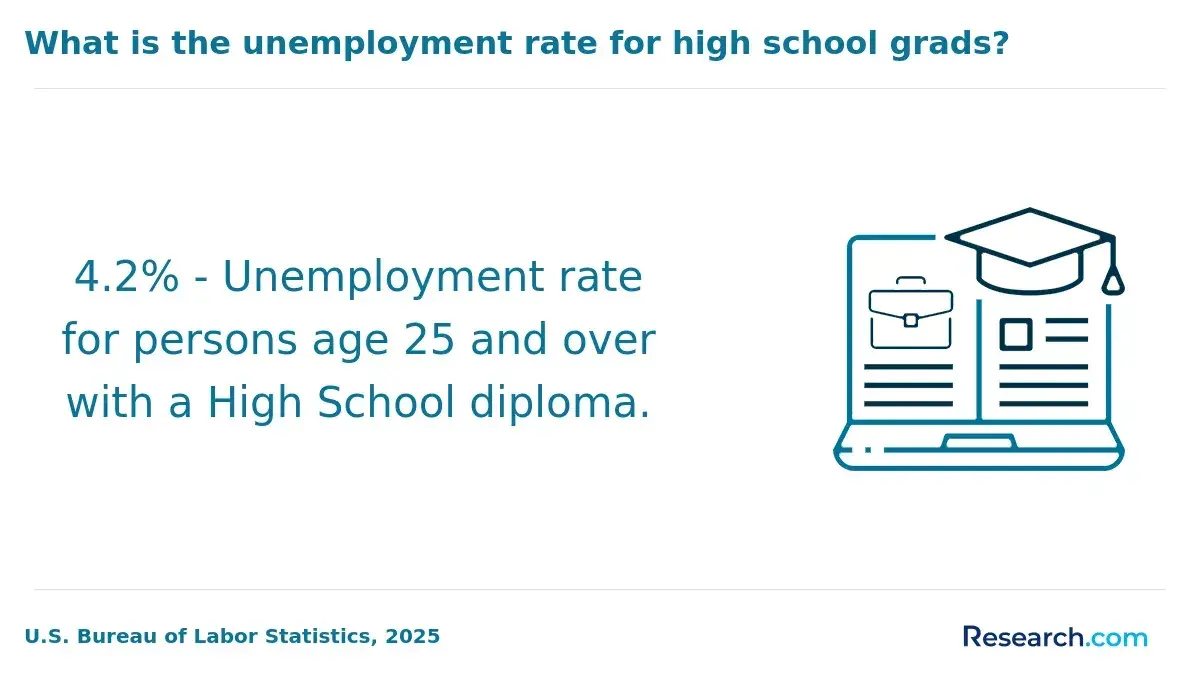
Candidates must typically hold a high school diploma or equivalent with minimum GPAs around 2.5, but employers and programs increasingly emphasize demonstrated engagement with youth beyond grades. Practical experience—volunteering or working in education, social work, or youth environments—is often a decisive factor for admission and future employability.
Standardized tests like the SAT or ACT remain common but are increasingly waived in some institutions, reflecting shifting admission policies. Applicants must submit letters of recommendation from credible sources and craft personal statements that convey interpersonal skills crucial to work with youth populations.
Prerequisites often include foundational coursework in psychology, sociology, or human development, which prepares candidates for applied settings. More competitive programs may incorporate interviews targeting communication, cultural competence, and ethical reasoning. Certifications such as CPR or first aid are sometimes mandatory for internship placement.
Students lacking direct experience face practical barriers; they may require supplementary internships, which extend time to employment and increase financial costs. The projected 8% growth in employment for school and career counselors between 2018 and 2028 by the U.S. Bureau of Labor Statistics further pressures programs to prioritize candidates who balance academic readiness with applied youth service involvement.
How long do youth services-oriented programs take, and what do they cost in the U.S.?
Choosing an educational path in social & behavioral sciences with a focus on youth services requires balancing credential duration, costs, and employability linked to licensure.
Associate degrees, typically two years at public community colleges costing around $7,000 total, enable entry-level roles like youth counselors but limit advancement without further education.
Bachelor's degrees span four years, with in-state tuition at public universities ranging from $40,000 to $60,000, positioning graduates for supervisory roles and providing foundational eligibility for licensure.
Master's-level programs, essential for clinical or licensed counseling careers, extend education by two to three years beyond the bachelor's degree and may cost $40,000 to $90,000 overall.
These credentials align closely with workforce demand, notably the projected shortage of over 8,000 mental health counselors by 2036, driven by rising youth behavioral health needs. However, pursuing licensure involves additional challenges:
- Time and financial investments in supervised practice hours
- Costs tied to certification exams
- Possible delays caused by regulatory requirements
Professionals aiming for prevention or substance abuse sectors must anticipate licensing prerequisites that extend education duration and increase cost amidst public sector wage stagnation and tighter funding.
Evaluating educational choices in this domain means weighing upfront expenses against realistic employment opportunities and the practical hurdles of licensure pathways reported in the Behavioral Health Workforce Brief.
What licenses or certifications are required for youth services careers in the U.S.?
Licensure and certification requirements for youth services careers in the U.S. reflect a clear divide between clinical rigor and broader community-based roles. Clinical positions typically mandate a master's degree in social work or counseling combined with extensive supervised clinical hours before state licensure as a Licensed Professional Counselor (LPC) or Licensed Clinical Social Worker (LCSW) is granted. This path demands a significant upfront investment of time and validated competency, vital for roles involving formal therapeutic intervention.
Conversely, roles oriented toward school settings or community outreach may accept postsecondary certificates alongside targeted professional development, such as trauma-informed care or ethics in digital youth work. This flexibility caters to candidates balancing career shifts against limited time or resources but limits scope of practice and earning potential.
The rise of telehealth and online youth programs introduces additional credentialing for digital competence. Providers are increasingly required to hold specialized certifications in digital youth work and online safety, reflecting a structural shift in service delivery models and labor market demand—factors projecting a 21% growth in behavioral services employment by 2032.
Practical implications include:
- Employers mandate verifiable credentials for insurance and regulatory compliance, especially in child protection and juvenile justice.
- National Youth Worker Certification may enhance employability in nonprofits and education, though it remains optional.
- Candidates must weigh licensure timelines and costs against their career focus to avoid credential mismatches that constrain professional mobility or legal scope.
This nuanced credential landscape requires a strategic approach attentive to sector-specific employer expectations and long-term professional viability in social & behavioral sciences youth services careers.
What are the salary expectations and job outlook for social and behavioral sciences youth services roles?
Salary outcomes in social & behavioral sciences youth services vary widely by role, setting, and region, influencing both entry-level hires and seasoned professionals. Entry-level salaries typically range from $35,000 to $45,000, but urban supervisors and experienced specialists can command $60,000 or more. These figures reflect the sector's funding dynamics and workforce distribution, where nonprofits and public schools differ substantially in pay stability and benefits.
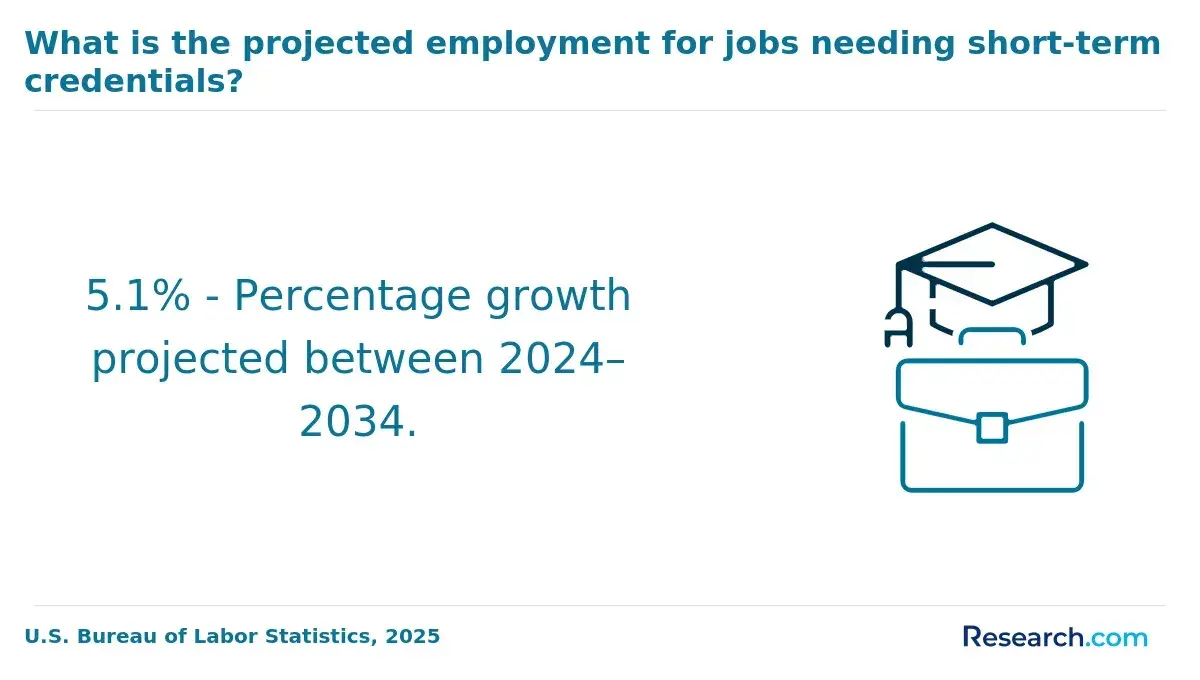
According to U.S. Bureau of Labor Statistics data, community and social service roles are projected to grow 12% through 2029, particularly in schools, nonprofits, and government agencies addressing mental health and social development. However, these opportunities often require candidates to acquire hands-on experience via internships or fieldwork and secure credentials in counseling or human services to remain competitive.
Practical considerations include:
- The tradeoff between lower entry wages and the time investment in building relevant credentials.
- Employment instability tied to grant-dependent funding in community settings.
- The emotional resilience needed to navigate resource-constrained environments.
Advancement beyond entry roles usually involves graduate education or leadership training, with upper-tier salaries spanning $55,000 to $80,000, depending on organizational size and location. Evaluating these factors alongside personal tolerance for job volatility is critical for students or professionals aiming at long-term success in youth-focused social & behavioral sciences careers.
How can you evaluate and choose an accredited, reputable youth services specialization program?
Selecting an accredited youth services specialization hinges on tangible outcomes rather than institutional prestige alone. Accreditation bodies like CACREP or regional agencies validate that curricula meet employer standards, translating into measurable hiring advantages.
For example, social and behavioral science specialists in public health command a national average salary of $80,450, with higher payzones such as Virginia reaching $103,640, indicating geographic and sectoral wage variability that affects ROI assessments.
Programs must balance theoretical grounding with applied research and youth-specific methods. Candidates aiming for public health roles should verify competencies in data analytics and policy formation, whereas those targeting youth justice or education sectors need strong community engagement and counseling skills. Employers increasingly expect evidence-based practice, making integration of behavioral science research and evaluation critical.
Logistical factors—cohort size, mode of delivery, and internship placements at reputable youth agencies—critically shape skill acquisition and networking potential. Practicum experiences often outweigh classroom learning in hiring decisions. Financial investment requires scrutiny against documented outcomes like graduate employment rates and starting salaries to justify tuition.
Prudent candidates consult authoritative labor market data and professional databases to validate program claims, mitigating risk in a competitive and evolving youth services landscape.
Other Things You Should Know About Social & Behavioral Sicences
Programs focused on youth services in social & behavioral sciences often demand concurrent academic study and fieldwork or internships. Balancing rigorous coursework with field placements requires strong time management; students must prioritize practical experience to meet employer expectations for hands-on skills. Choosing a program with flexible scheduling or built-in practicum options improves the likelihood of completing both without delay or burnout.
In 2027, youth services employers often value specialized credentials as they provide targeted skills relevant to specific roles. However, a general degree offers broader knowledge, facilitating adaptability. The choice depends on career goals—those aiming for niche roles might prefer specialization, while others may benefit from a broader scope.
The diversity of youth services roles-from counseling to program administration-means graduates must carefully select specializations aligned with their career goals. Employers often expect versatility but may prioritize deep expertise for advanced roles. Students should identify sectors with stable funding and clear advancement paths, since some youth services niches face fluctuating demand and limited progression opportunities.
Graduate degrees are essential for most supervisory or clinical youth services roles and significantly impact long-term earning potential. However, the upfront cost and time commitment must be balanced against immediate job market gains from gaining experience early. Prioritizing a graduate program with integrated practicums and employer partnerships enhances career advancement more effectively than degree prestige alone.
References
- Careers | Consolidated Youth Services, Inc. https://cysinc.org/careers/
- Careers - Youth Eastside Services https://www.youtheastsideservices.org/about/careers/
- Effective Alternatives to Youth Incarceration – The Sentencing Project https://www.sentencingproject.org/reports/effective-alternatives-to-youth-incarceration/
- For learners - National Youth Agency https://nya.org.uk/for-learners/
- Life skills training - Youth Futures Foundation https://youthfuturesfoundation.org/tools/youth-employment-toolkit/toolkit-item/life-skills-training/
- Behavioral Sciences https://www.southmountaincc.edu/degrees-certificates/behavioral-science-human-services/behavioral-sciences-9300-bs
- How to become a Youth Worker - Salary, Qualifications, Skills & Reviews – SEEK https://au.seek.com/career-advice/role/youth-worker
- Youth Work Career Paths in Australia | Hader Institute https://www.haderinstitute.edu.au/news/certificate-iv-vs-diploma-youth-work
- Youth in the Justice System: An Overview | Juvenile Law Center https://jlc.org/youth-justice-system-overview
- Youth Services Specialist Job Description (Updated 2026 With Examples) | NASWVA https://careers.naswva.org/career/youth-services-specialist/job-descriptions