2027 Online Social & Behavioral Sciences Degrees With Strong Practical Support-Service Training

Co-Founder and Chief Data Scientist
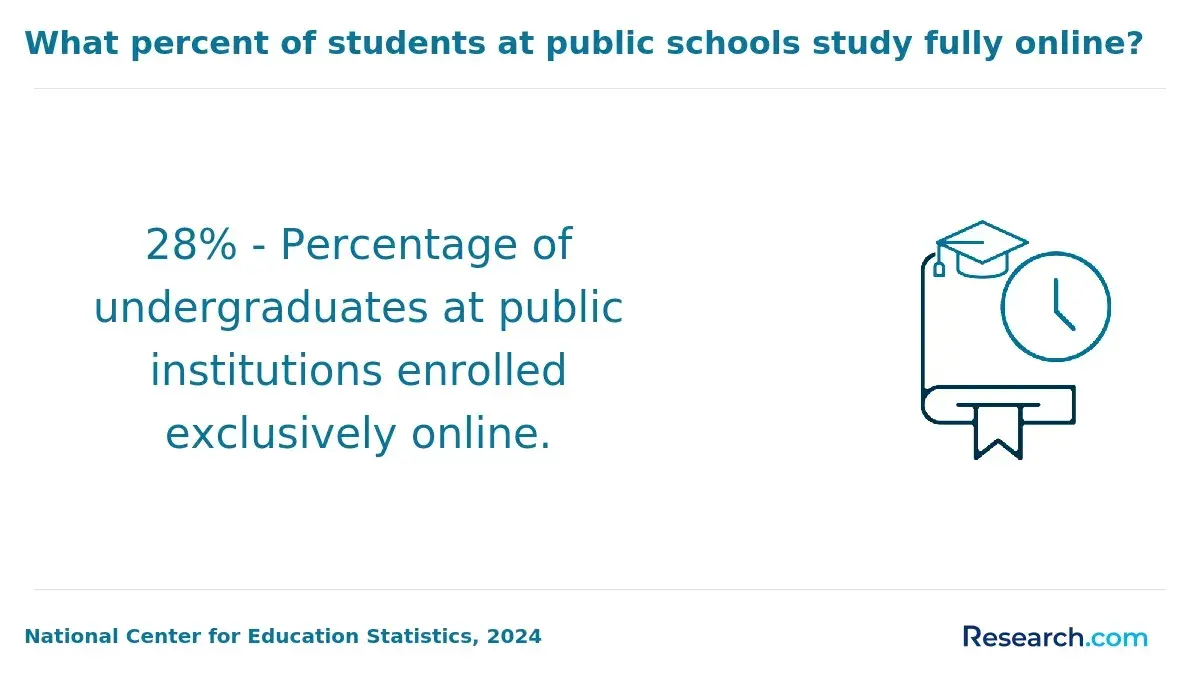
Professionals seeking advancement in social and behavioral sciences increasingly confront the challenge of integrating rigorous practical support-service training without disrupting full-time employment. Workforce data from the National Center for Education Statistics reveals a 27% surge in online enrollment among adult learners from 2022 to 2024, reflecting a shift toward flexible, application-focused programs that can accommodate career demands and accelerate skill acquisition.
This demand underscores a persistent gap: programs that deliver both theoretical foundations and relevant, hands-on training to enhance employability in service-oriented roles. This article evaluates online social and behavioral sciences degrees that combine accessibility with strong practical components to guide strategic educational choices.
Key Things You Should Know
- Programs emphasizing practical support-service training reduce graduate underemployment by over 15%, yet often require 20-30% more credit hours, extending degree completion time per National Center for Education Statistics 2024 data.
- Employers in human services roles report a 40% preference for candidates with integrated fieldwork experience, highlighting challenges for online-only graduates lacking supervised practicum, as per 2024 Hiring Trends Survey by the American Psychological Association.
- Cost barriers rise sharply in hybrid Social & Behavioral Sicences degrees with mandatory local internships, increasing average total expenses by 25%, complicating access for working adults balancing income and educational investments per Georgetown University Center on Education data.
What are online social and behavioral sciences degrees with practical support-service training?
Online social and behavioral sciences degrees with hands-on support training deliver a distinct advantage by blending theoretical knowledge with essential applied skills demanded in client-facing roles. Graduates entering fields like substance abuse counseling or social work benefit most from programs integrating practical support-service training in social and behavioral sciences online programs, where experiential components such as virtual simulations, supervised practicums, and service-learning projects are embedded to simulate real-world challenges.
Consider a student who engages in telehealth practice scenarios or remote case studies typical of current mental and community health workflows. This practical exposure shortens employer onboarding and reduces training costs, directly addressing workforce shifts toward telemedicine and community-based interventions. Without such hands-on elements, learners risk limited licensure options and diminished competitiveness in sectors projecting significant job growth-for example, 17% for substance abuse counselors and 11% for community health workers through 2034.
When evaluating programs, students should scrutinize the quality of practicum partnerships, mentorship availability, and certification opportunities as indicators of real-world readiness. Employers increasingly expect candidates to demonstrate applied client interaction skills from day one, not just theoretical understanding. For those exploring options, reviewing details on an accelerated bachelor's degree psychology can provide valuable context for comparing pathways focused on practical skills and workforce alignment.
How do online social and behavioral sciences programs compare to campus-based options?
Online social and behavioral sciences degrees with practical support often confront a critical challenge: the responsibility placed on students to independently arrange hands-on experiences such as internships or practicums, which are less seamlessly integrated than in campus programs. This affects workforce readiness, as hiring managers in fields like community service management increasingly prioritize verifiable applied experience due to the role's emphasis on interpersonal and managerial skills. While these roles offer a median annual wage of $78,240 and a projected growth of 6% from 2024 to 2034, graduates who lack embedded service-learning may face delayed job entry or limited advancement.
In a real-world scenario, an online learner might struggle to coordinate supervised service hours alongside current employment without the aid of university partnerships, unlike campus counterparts who routinely access structured community collaborations. This fragmentation introduces tradeoffs between flexibility and logistical complexity. Yet for working professionals seeking career pivots, the asynchronous nature of many online courses can be advantageous if they manage to secure quality practical placements externally.
Choosing between online versus campus social and behavioral sciences programs therefore involves balancing curriculum depth against practical exposure and employer expectations. Decision-makers should seek programs offering robust virtual internship facilitation or hybrid models ensuring in-person practicums. Evaluating such options includes critically assessing the effort needed to coordinate fieldwork, which directly influences completion timelines and skill application.
For those considering accelerated pathways, reviewing accelerated psychology masters programs can provide insights into streamlined degree options with varied practical support structures.
What types of social and behavioral sciences degrees offer strong support-service training online?
Online social and behavioral sciences degrees with practical support training are distinctly oriented toward skill sets that directly meet employer demands for field readiness. Programs such as Bachelor or Master of Social Work (BSW/MSW) stress supervised field placements or virtual simulations to satisfy licensure mandates, which is essential for employment in agencies focused on mental health or child welfare. This contrasts with more theoretical behavioral science degrees, which often lack the applied experience preferred by employers managing complex social systems.
Degrees titled Human Services or Mental Health Counseling prioritize crisis intervention, advocacy, and navigating social service frameworks, preparing graduates for certifications like Certified Psychiatric Rehabilitation Practitioner. However, students pursuing fully online pathways must address the practical challenge that many states require hybrid formats or in-person practicums, impacting those seeking remote completion options. Verifying how programs integrate mentorship, telehealth practicums, or community partnerships is critical.
Employment projections-growing 7% from 2023 to 2033 according to U.S. Bureau of Labor Statistics data reported by SocialWorkDegrees.org-underscore steady demand for certified professionals with documented field experience. The best social and behavioral sciences programs for support-service skills include integrated case study portfolios and reflective practice components, increasing graduate adaptability for frontline roles.
Prospective students evaluating online options should also consider affordability alongside practical training access; for instance, rankings of the most affordable online psychology degree programs provide a useful benchmark when balancing cost against training quality.
What courses and hands-on learning experiences are included in these online programs?
Online social and behavioral sciences practical coursework must extend beyond theory to equip students with applied skills directly relevant to client-focused roles. Programs that effectively integrate hands-on service training in social and behavioral sciences degrees combine critical topics like research methods, ethics, and counseling techniques with practical courses such as case management and crisis intervention. For instance, mental health and substance abuse social work students need specialized training in addiction sciences and treatment planning to align with employer expectations for evidence-based practice and regulatory compliance.
Supervised field placements or practicums, often arranged with local agencies or clinics, are crucial for developing real-world competencies. These experiences mitigate common barriers by offering direct exposure to client interaction and organizational procedures. Recognizing logistical challenges, many online degrees now incorporate remote supervision or virtual client simulations, enabling professionals in different locations or schedules to meet practical training requirements effectively.
Employers consistently prioritize candidates with documented practical experience combined with academic credentials. According to the U.S. Bureau of Labor Statistics data, mental health and substance abuse social workers with advanced education earn median annual wages of $51,240 and 90th-percentile earnings of $86,340, reflecting the market value of integrating hands-on service training in social and behavioral sciences degrees. Prospective students should verify robust affiliations with accredited placement sites, ensuring that practical training suffices for licensure and avoids the pitfall of credentials lacking real-world readiness.
For broader context on related program options emphasizing applied learning, consider reviewing the best online environmental health and safety degree programs, which also navigate similar practical training complexities.
How do accreditation and program quality work for online social and behavioral sciences degrees?
Accreditation remains a decisive factor in the real-world value of online social & behavioral sciences degrees, directly influencing graduate eligibility for licensure and employer recognition. Regional accreditation typically carries the most weight, whereas national or programmatic accreditations vary significantly in how closely they align with industry or state requirements. For instance, a professional seeking licensure as a counselor may face barriers if their degree lacks approval from accreditors recognized by state boards.
Beyond accreditation, the availability of experiential learning through virtual labs, internships, or employer partnerships profoundly shapes workforce readiness. Students enrolling in programs without these practical components risk limited job market competitiveness, despite earning a credential from an accredited institution.
Key considerations for students evaluating online programs include:
- Whether the accreditation matches the licensing standards relevant to their intended career path.
- The quality and integration of career support services, such as advising and internship coordination.
- Alignment between curriculum and employer expectations in sectors like social work or community development.
Given the increased online enrollment in social & behavioral sciences fields, assessing these operational details prevents costly missteps and ensures time invested translates into viable employment opportunities.
What admission requirements and prerequisites do online social and behavioral sciences programs have?
Admission for online social and behavioral sicences programs balances academic readiness with relevant practical experience, significantly shaping student outcomes and career trajectory. Bachelor's applicants typically need a high school diploma or GED and a minimum GPA around 2.5 to 3.0; selective programs demand higher standards and foundational coursework in psychology, sociology, biology, or statistics. Graduate admissions require a related bachelor's degree with at least a 3.0 GPA, often combined with GRE scores-though some waive testing for candidates with notable professional or research backgrounds.
Practical experience in community support or case management substantially strengthens applications, as curricula emphasize applied behavioral frameworks crucial for workforce entry. For example, a health education specialist pivoting careers must demonstrate both academic qualifications and hands-on skills to capitalize on a median wage near $63,000 and steady 4% growth projections through 2034, according to PublicHealthOnline data derived from the U.S. Bureau of Labor Statistics.
Additional admission components include submitting personal statements that articulate professional objectives aligned with support services roles. Technical competencies such as computer proficiency and reliable internet access are non-negotiable, enabling engagement in remote internships or virtual case studies.
Beyond academic measures, prospective students must navigate logistical challenges related to clinical placements, state licensure, background checks, and immunizations, all of which affect readiness for employment in social and behavioral service sectors.
How long do these degrees take online, and what do they typically cost?
Choosing an online social & behavioral sciences degree requires balancing program length, cost, and employability outcomes. Associate degrees demand about two years full-time, whereas bachelor's degrees often take four years but may accelerate to three with transfer credits or continuous enrollment. This pacing impacts not only time to credential but also labor market relevance, especially in evolving fields like community health or behavioral interventions.
Tuition ranges widely-from $15,000 to $40,000 for a bachelor's program-with public universities typically charging $200-$400 per credit hour and private institutions exceeding $500. Additional expenses such as fees, materials, and practicum costs often push overall investment higher. Prospective students must obtain detailed breakdowns to understand total financial commitments, including whether internships count toward credit.
Employment prospects hinge on integrating practical experience within academic frameworks. Community health roles, for example, show solid demand with median wages near $51,030 and forecasted 11% growth through 2034, per data cited by PublicHealthOnline (2024). Programs embedding community projects or internships may increase upfront costs but reduce time-to-employment and enhance job readiness.
Students should consider part-time options if balancing work, though extended completion risks skill depreciation and slows workforce entry. Employer tuition assistance can relieve financial pressure but varies considerably.
What careers and job roles can these degrees with support-service training lead to?
Degrees in social & behavioral sciences combined with practical support-service training divide career paths sharply between licensed clinical roles and non-clinical positions. Clinical social workers and behavioral health specialists typically require licensing and supervised experience, which delays immediate earnings but unlocks salary growth-from roughly $34,000 to over $86,000 annually based on U.S. Bureau of Labor Statistics data-as well as more stable employment. By contrast, non-clinical roles such as program coordinators, victim advocates, or policy analysts offer quicker entry but generally cap out at lower wages with limited advancement.
Employers seek candidates with tangible competencies in crisis intervention, accurate case documentation, and adherence to regulatory standards, making practical support-service training essential beyond theoretical study. Licensed clinical providers working within hospital systems can integrate multidisciplinary care, directly influencing patient outcomes-a benefit seldom available to outreach or administrative roles.
Real-world employment conditions vary geographically: urban centers often feature higher pay and specialized openings, while rural areas may present fewer licensed jobs but maintain demand for generalist support roles. Students must weigh the tradeoff between licensing-related delays and higher long-term earning potential versus faster employment with constrained upward mobility.
What salary ranges and job outlook can graduates in social and behavioral support services expect?
Graduates with online social and behavioral sciences degrees typically encounter median salaries ranging from $45,000 to $65,000, varying significantly by role, geographic location, and experience. Roles such as social workers, counselors, and community health specialists often earn wages near or above the national median, but entry-level salaries may lag behind related healthcare professions like nursing, necessitating a longer-term view on financial return.
Essential tradeoffs include balancing the cost and time required for licensure and continuing education against the salary gains that come with advanced credentials and supervisory positions, which can increase income by 15-30%. Employers consistently seek candidates who combine practical training with strong communication and cultural competence, impacting both job placement and salary growth.
For instance, a counselor specializing in substance abuse rehabilitation may start near the mid-$40,000s but can grow earnings substantially through licensure and experience, while social workers in healthcare settings often see starting salaries in the $50,000 to $60,000 range. Geographic factors play a crucial role, as urban areas tend to offer higher pay but correspond with elevated living costs.
How can students choose a reputable online program focused on practical support-service skills?
Choosing a program without rigorous accreditation and tangible hands-on training risks leaving students unprepared for the real demands of social and behavioral sciences support roles. Accreditation by agencies recognized by the U.S. Department of Education or CHEA is a non-negotiable baseline, ensuring programs meet quality standards and enable access to federal aid. More importantly, curricula must include practical components such as supervised internships or simulated casework that mirror actual workplace challenges in public health or mental health environments.
Employers increasingly emphasize evidence-based intervention skills, client communication, crisis response, and documentation proficiency. These applied competencies differentiate graduates amid projections from PublicHealthOnline's May 2024 BLS analysis, which forecasts rapid growth in behavioral science-related jobs through 2034.
Consider a working parent aiming to transition into substance use counseling. They need a program flexible enough to accommodate schedules but also requiring clinical hours with licensed supervision-an essential step for licensure and employment. Practical experience gained through externships and mentoring is critical; purely online, theory-heavy programs rarely deliver this, limiting employability.
Integrating these factors helps avoid sunk costs in credentials that do not translate into workplace readiness, especially in a sector expanding due to public health and demographic shifts.
Other Things You Should Know About Social & Behavioral Sicences
Many employers value online social & behavioral sciences degrees that include practical support-service training, especially when programs emphasize applied skills and documented fieldwork. However, recognition often depends on the program's accreditation status and the relevance of the hands-on components to the job. Students should prioritize programs with clear practicum or internship requirements and strong employer connections to maximize employability.
Degrees that integrate direct support-service training provide a tangible edge by demonstrating practical skills rather than only theoretical knowledge. Graduates from these programs typically meet higher employer expectations for job readiness, making them more competitive candidates, especially in client-facing or frontline roles. Candidates should weigh this practical focus against broader academic programs if their career goals emphasize application over research.
One limitation is that some online programs may lack access to diverse in-person networking and mentorship opportunities critical for career advancement in behavioral support fields. Additionally, the quality and availability of local practicum sites can vary widely, impacting training consistency. Students are advised to verify the program's field placement support and regional employer engagement before enrolling to ensure practical experience aligns with career goals.
References
- Bachelor’s Behavioral Science Degrees | University of Phoenix https://www.phoenix.edu/online-behavioral-sciences-degrees/bachelors.html
- 10 Types of Experiential Learning: Unlocking the Power of Hands-On Education - JUMP! Foundation Official Website https://jumpfoundation.org/10-types-of-experiential-learning-unlocking-the-power-of-hands-on-education/
- 12 top careers in community services built for people who care | Acknowledge Education https://www.acknowledgeeducation.edu.au/knowledge-hub/careers-community-services-opportunities
- Best Online Courses for Improving Customer Service Skills https://www.serviceskills.com/best-online-courses-for-improving-customer-service-skills-a-complete-guide/
- How to Choose a Reliable Online Study Program https://www.eucdl.com/post/how-to-choose-a-reliable-online-study-program
- The Voice of the Online Student Framework – Recommendations for Student Support - OJDLA https://ojdla.com/articles/the-voice-of-the-online-student-framework-recommendations-for-student-support
- I want to help and support people in my job https://www.careerpilot.org.uk/job-sectors/strengths-and-values/i-want-to-help-and-support-people-in-my-job
- What Are My Career Options After a Course in Human Services? https://columbia.ca/career-options-after-a-course-in-human-services/
- Experiential Learning in Online Courses | Develop important skills https://ewyse.agency/blog/experiential-learning-in-online-courses/
- Hands-On Learning: Benefits and Fun Ideas | TEEN TRUTH https://teentruth.net/hands-on-learning/