2027 Online Social & Behavioral Sciences Degrees With Government Agency Career Alignment

Co-Founder and Chief Data Scientist
Professionals aiming to transition into government agency roles within social & behavioral sciences encounter a persistent challenge: aligning flexible education options with stringent federal qualification standards. Despite a 17% surge in online degree enrollment reported by the National Center for Education Statistics in 2024, not all programs offer curricula or practicum experiences calibrated to government workforce requirements. This mismatch complicates career mobility and risks delaying job eligibility, especially for adult learners balancing work, family, and education. Understanding which online degrees provide targeted knowledge and credentials recognized by federal employers is essential for strategic enrollment and timely career advancement. This article evaluates current online social & behavioral sciences degrees specifically aligned with government agency career paths to guide informed academic decisions for career outcomes.
Key Things You Should Know
- Federal workforce data from 2024 show 27% of social and behavioral sciences graduates in government roles lack specialized quantitative skills, pressuring students to weigh costly technical certification against broader degree appeal.
- Agencies increasingly demand advanced data analytics competency for entry-level psychologists and sociologists, implying that programs emphasizing applied statistics yield 18% faster federal hiring outcomes per OPM reports.
- Lengthy credential timelines create access friction; median Social & Behavioral Sciences degrees take 4+ years, conflicting with government hiring cycles favoring candidates available within 18 months, limiting mid-career pivot feasibility.
What are online social and behavioral sciences degrees and how do they prepare you for government agency roles?
Online social and behavioral sciences degrees for government careers cultivate critical skills in data interpretation, policy evaluation, and behavioral analysis essential for federal and state agencies. These programs combine theoretical frameworks in sociology, psychology, anthropology, and political science with applied research methods, including quantitative and qualitative analysis. Graduates are prepared to assess complex social dynamics and contribute to evidence-based decision-making processes within public sector roles.
Preparing for government agency roles with behavioral sciences education involves navigating program components that emphasize practical workforce skills such as ethical data handling, report writing, and stakeholder communication. Coursework often integrates case studies reflecting government challenges, for example, developing interventions to improve public health compliance or analyzing demographic trends to guide social welfare initiatives. A healthcare analyst at the Department of Health and Human Services might use these skills to evaluate and improve program effectiveness, leveraging statistical tools mastered during their studies.
These degrees require significant self-motivation, particularly due to limited internship opportunities with government bodies in fully online formats. Students must proactively seek local or virtual experiential learning to stay competitive. Despite these challenges, there are strong employment incentives: social and behavioral science specialists earn a median annual wage significantly above the national average, reflecting their value in addressing societal issues.
For those exploring related fields, exploring social media degrees can offer complementary skills, particularly in communication and outreach strategies that intersect with behavioral insights.
Which social and behavioral sciences majors align best with federal, state, and local government careers?
Social and behavioral sciences majors aligned with federal jobs must navigate specialized requirements beyond academic preparation, including government certifications and security clearances that significantly impact employability. Political science graduates often enter federal agencies where they apply policy analysis in legislative affairs or diplomatic services. The median wage for political scientists was $128,020 in May 2022, with a projected 7% job growth through 2032, reflecting steady government demand and investment in policy expertise.
Public administration prepares graduates to manage complex government operations, budgeting, and compliance obligations at multiple government levels, making them suited for leadership roles focused on accountability. Criminology and criminal justice degrees match with local and state law enforcement and corrections, where applied research supports practical community safety initiatives and policy reform efforts, essential for social order and public trust.
Applied psychology graduates contribute to human services and veterans' affairs within government, where data-driven behavioral analysis enhances mental health programs and policy implementation. Students considering social and behavioral sciences majors for government careers should weigh tradeoffs such as prioritizing internships or agency partnerships to demonstrate policy impact, often valued more highly than theoretical knowledge by government employers.
For those evaluating degrees, there are pathways such as an online masters in psychology offering affordability while maintaining relevance to government roles.
How do online social and behavioral sciences programs compare to campus-based options for government-focused students?
Government careers in social and behavioral sciences demand more than theoretical knowledge; direct supervised experience frequently determines employability. Campus programs outperform online formats here, as they embed structured internships, local practicum placements, and cohort networks that foster timely completion of credentialing requirements. For instance, mental health counseling roles-expected to grow 17% from 2024 to 2034-often require state licensure supplemented by documented clinical hours, which are more readily acquired through campus partnerships with government agencies.
Online social and behavioral sciences degrees for government careers do provide rigorous academic foundations but place the burden on students to independently secure quality fieldwork, risking delays in licensure and employment readiness. Remote arrangements may also limit access to synchronous faculty guidance and peer mentorship critical for navigating complex regulatory environments.
Students should assess key factors such as the availability of real-time instruction, government-oriented career services, and verified practicum pathways before choosing their format. Working professionals must be proactive in early credential verification and practicum acquisition to avoid setbacks. Cost considerations go beyond tuition-online formats reduce relocation costs but can incur higher indirect expenses due to extended program duration if supervised experience lags.
Government employers increasingly prioritize documented competencies and applied experience regardless of learning mode. Aspiring public sector social and behavioral sciences professionals can explore options for a cheap online psychology degree to optimize affordability while navigating these tradeoffs.
What accreditation and program quality standards should you look for in online social and behavioral sciences degrees?
Accreditation remains the definitive factor in evaluating any online social and behavioral sciences degree, particularly regarding regional bodies recognized by the U.S. Department of Education. This ensures credit transferability and consistent academic rigor. However, specialized accreditation, such as CACREP or CSWE, is indispensable when aiming to work in government agencies that require specific licensure or certifications. Choosing programs without stringent accreditation or transparent outcomes risks diminishing professional credibility and employability.
Beyond accreditation, prospective students must scrutinize program quality by assessing learning outcomes centered on workforce readiness. Key competencies include applied research methods, data analysis, and public policy application, all critical given an expected 9% employment growth for social and community service managers through 2032. Programs integrating practicum experiences or government partnerships produce graduates with actionable skills aligned to actual agency operations, a non-negotiable asset in public sector hiring.
Transfer policies and faculty expertise in government contexts are further criteria for meaningful program evaluation. Without explicit orientation to current federal and state regulatory frameworks-an often overlooked detail-graduates may find their training irrelevant or outdated for government roles requiring ethical and policy literacy. Additionally, programs that offer cooperative education or federal work-study provide concrete pathways to government employment that many online degrees lack.
When navigating regional program quality criteria for social and behavioral sciences degrees, consider the balance between accreditation status and the program's ability to connect theoretical knowledge to government practice effectively. For adult learners pursuing an accelerated path in counseling, specialized offerings, like an accelerated masters in counseling, provide a tailored route but only when paired with these rigorous standards.
Ultimately, selecting an online social and behavioral sciences degree without thorough verification of accreditation standards and practical relevancy risks impeding career prospects, especially within government sectors that prioritize licensure, ethical training, and demonstrable expertise.
What coursework and skills in social and behavioral sciences are most valued by government employers?
Government employers demand candidates who combine advanced quantitative expertise with applied knowledge of social systems to meet diverse agency needs. With 144,700 annual openings predicted across life, physical, and social sciences, proficiency in statistics, econometrics, and data analytics is fundamental. For example, at the Department of Health and Human Services, analysts use statistical software such as R, SAS, and GIS tools to interpret public health trends and design targeted interventions. Beyond technical skills, roles require navigating ethical frameworks like IRB protocols and privacy regulations intrinsic to social research.
Effective communication is equally critical. Translating complex data into clear, actionable policy insights involves concise report writing, briefing non-expert stakeholders, and employing data visualization. The capacity to collaborate across disciplines-economics, psychology, sociology, political science-enhances value in agencies like the Census Bureau, NIH, and Department of Education.
Students face a strategic choice: specialize deeply in a narrow methodology or cultivate broad analytical versatility. While niche expertise can offer strong alignment with certain roles, versatility better accommodates the spectrum of tasks government roles demand, improving job stability and progression. Graduates who balance rigorous quantitative training with interdisciplinary social & behavioral sciences coursework stand the best chance of sustained employability and impact.
What are typical admission requirements and application steps for online social and behavioral sciences programs?
Admission into online social and behavioral sciences programs often hinges on more than just meeting minimum academic thresholds; the nuances of program selectivity and post-graduation regulatory alignment significantly shape candidate viability and career prospects. Undergraduate entry generally requires a high school diploma or equivalent, while graduate admissions mandate a bachelor's degree plus official transcripts demonstrating a GPA typically between 2.5 and 3.0. Some programs still ask for standardized test scores like the GRE for graduate applicants, although this requirement relaxes when relevant professional experience is presented.
Professional trajectories in fields such as social work, community health, or mental health counseling are tightly coupled with program accreditation by recognized bodies like the Council on Social Work Education (CSWE), a factor that directly influences licensure and employment eligibility. The choice to invest time and resources in a program lacking this accreditation can hinder long-term placement in government or clinical roles, where regulatory compliance is non-negotiable.
Application processes tend to be comprehensive, requiring a mix of online forms, personal statements connecting academic pursuits to workforce goals, and multiple letters of recommendation that attest to analytical and interpersonal competencies. Candidates must also practically weigh program delivery modes, as some cohorts mandate synchronous sessions that conflict with traditional work schedules.
- Employers in social work and allied fields forecast varied growth rates: 6% for social workers, 11% for community health workers, and 17% for substance abuse and mental health counselors.
- Program timelines typically require submitting applications six to eight months prior to term start, along with possible virtual interviews and technology checks.
- Reliable internet and readiness for group projects or seminars held in real-time are essential operational prerequisites for remote study.
How long do online social and behavioral sciences degrees take, and what do they cost?
Completing an online degree in social & behavioral sciences demands careful consideration of time, cost, and occupational outcomes, especially for working professionals balancing current roles and future prospects. Bachelor's degrees typically span four years full-time, but accelerated or part-time pacing can compress this to 2-3 years or extend it beyond four, depending on individual circumstances.
Master's degrees generally take 1.5 to 3 years with flexible part-time options, useful for those targeting mid-level roles or specialization. PhD programs-lasting 4 to 6 years-require sustained commitment to original research and often include dissertation obligations, posing a notable time and financial investment with few immediate financial returns.
Tuition varies considerably: bachelor's programs can cost between $15,000 and $50,000, while master's degrees range from $10,000 to $40,000. PhD candidates might receive stipends but should anticipate supplemental expenses for technology, textbooks, and possibly travel for residencies or presentations. These hidden costs add real overhead beyond listed tuition.
Employment outcomes show PhD holders experience under 2% unemployment, a key factor in considering advanced study when targeting competitive research or government positions. Many doctoral graduates transition into higher-paying nonacademic roles in public policy, nonprofit management, or program evaluation, sectors valuing applied expertise over purely academic credentials.
For government agency aspirants working full-time, programs integrating fieldwork and flexible pacing reduce opportunity costs and improve ROI, whereas rigid timelines or excessive costs can hamper career momentum.
What government agency job roles can you pursue with social and behavioral sciences degrees?
Graduates with degrees in social and behavioral sciences face a competitive yet specific federal job market where roles demand both technical proficiency and contextual understanding of human behavior. Positions like program analysts, policy advisors, or community outreach coordinators commonly require applicants to navigate complex hiring processes that often exceed typical entry-level criteria.
For instance, agencies such as the Department of Health and Human Services hire behavioral health specialists who combine research methods with policy implementation to optimize public health programs. Similarly, the Department of Justice employs criminologists who apply behavioral insights to law enforcement strategies.
The skill set developed through this degree emphasizes data analytics, qualitative and quantitative research methods, and translating findings into actionable policy recommendations. Yet, federal employment often requires prior experience or internships to bridge candidacy gaps, alongside security clearances that add procedural layers and potential delays.
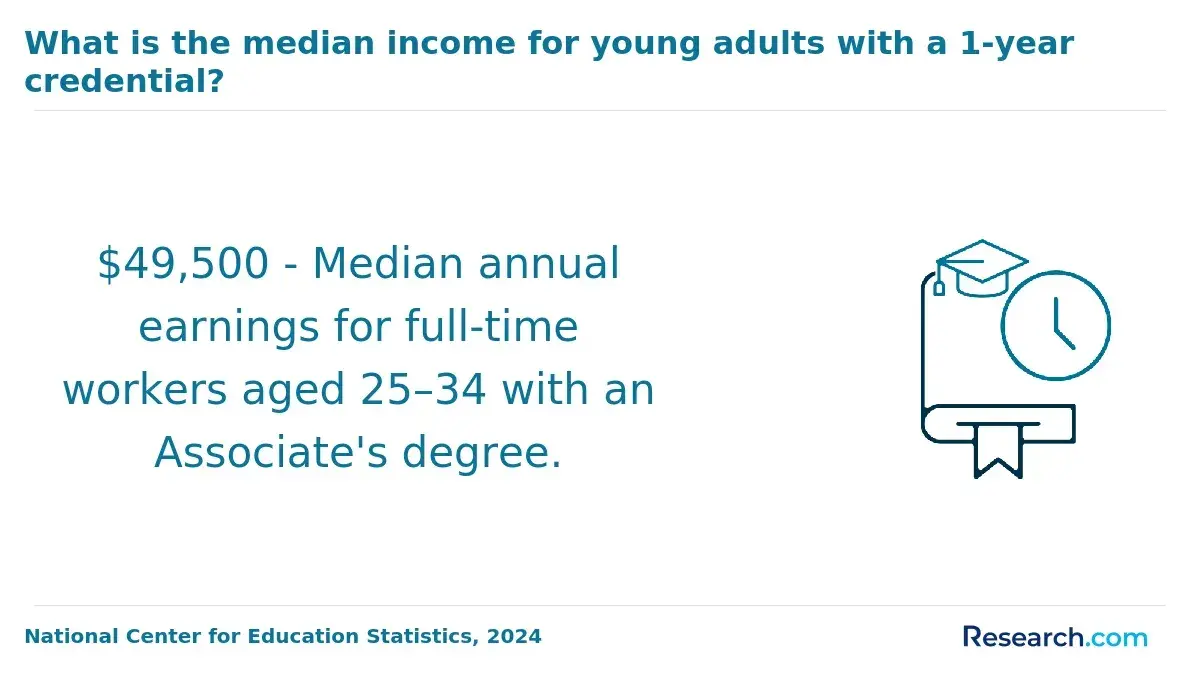
The labor market outlook reflects a median salary near $49,380 annually and a steady 9% growth rate over a decade, indicating moderate but stable demand. Success in government roles depends on aligning one's skill development with agency missions and clearly demonstrating measurable program impacts.
What salary ranges and job outlook can social and behavioral sciences graduates expect in government careers?
Government roles within social and behavioral sciences present varied salary outcomes heavily influenced by education, specific job function, and agency. For instance, federal epidemiologists earned a median of $78,520 annually as of May 2022, with a projected employment growth of 27% through 2032 signaling robust demand in public health sectors. Starting positions such as policy analysts or program evaluators typically align with GS-7 or GS-9 levels, roughly $50,000 to $65,000, while seasoned professionals holding advanced degrees may reach GS-12 or GS-13 pay scales near $75,000 to $110,000.
Advancement depends significantly on measurable contributions to program outcomes rather than credentials alone. Practical skills such as proficiency in statistical software, survey design, and data evaluation are essential as agencies prioritize candidates with demonstrable technical expertise. Employers in large data-centric agencies like the CDC or Department of Education expect continual upskilling to maintain competitiveness.
Without a graduate degree focused on applied research methods, prospects beyond entry-level roles tend to be limited and slower-growing wage-wise. Candidates should weigh the tradeoffs between immediate employment at lower salary scales and the time and financial investment required for advanced education that substantially enhances long-term employability and earnings potential.
Relevant agencies often require specialized knowledge in evaluation techniques and regulatory compliance, so practical experience alongside academic credentials carries significant weight during federal hiring processes.
How can you evaluate and choose an online social and behavioral sciences program with strong government career support?
Choosing an online social & behavioral sciences program aligned explicitly with federal agency requirements is essential for securing government roles. Programs integrating the 2024 federal "Blueprint for the Use of Social and Behavioral Science to Advance Evidence-Based Policymaking" better position graduates for engagement in federal environments focused on applying SBS research to policy effectiveness. Practical curriculum elements such as policy analysis, quantitative methods, and program evaluation directly correlate with federal occupational demands.
Faculty experience with government or research agencies adds tangible value by providing insider perspectives and networking avenues often critical for navigating federal hiring processes. Partnerships and internships with government bodies offer exposure required for security clearances and realistic job expectations, key considerations for working professionals shifting to a policy analyst or similar position.
Graduate outcomes showing employability in federal roles, robust government-focused career services, and alumni networks in public service indicate a program's utility beyond theory. However, candidates should weigh these benefits against flexibility and duration, since federal background checks and clearance procedures can delay workforce entry. Programs lacking transparent employability data or a focus on applied government policy tools risk leaving students underprepared for the procedural and operational realities of federal employment.
Consequently, evaluating SBS programs demands balancing evidential alignment with federal frameworks and real-world readiness for government career pathways, ensuring a strategic transition that respects both academic rigor and workforce pragmatism.
Other Things You Should Know About Social & Behavioral Sciences
The rigor of online social & behavioral sciences degrees varies widely by institution and program design. Programs with synchronous classes, active faculty engagement, and applied research components provide experience comparable to on-campus options. Candidates should prioritize programs offering supervised internships or government-affiliated projects because agencies expect practical skills and real-world problem-solving over purely theoretical knowledge.
Agencies tend to prioritize candidates with specializations aligned to their mission-such as criminology for justice departments or public policy for administrative agencies. Specializing in data analytics or program evaluation increases employability more than broad generalist degrees. Prospective students should target these applied, outcome-oriented tracks instead of purely theoretical or historical inquiry to meet hiring preferences directly.
Complementary certifications in areas like data analysis (e.g., SAS, SPSS), project management (e.g., PMP), or policy analysis enhance a social & behavioral sciences graduate's attractiveness to government employers. Given the competitive nature of government hiring, a degree alone is often insufficient to stand out. Candidates should prioritize certifications that demonstrate technical competence and practical application of their academic knowledge.
References
- 7 Advantages to a Campus-Based Degree Program - Organizational Psychology Degrees https://www.organizationalpsychologydegrees.com/lists/advantages-to-a-campus-based-degree-program/
- Accreditation Standards https://www.apbahome.net/accreditation-standards
- Online Master’s in Social Psychology: Compare Top Schools https://www.onlinemastersdegrees.org/best-programs/psychology/social-psychology/
- Where to use Behavioural and Social Science | BSPHN https://www.bsphn.org.uk/advice/where-to-use-behavioural-and-social-science
- Bachelor’s in Psychology Programs Online https://www.onlinemswprograms.com/careers/social-work-vs-counseling-vs-psychology/ba-psychology/
- Admissions for international candidates - SWPS University https://english.swps.pl/programs/apply/application-for-international-candidates
- Psychology Accreditation: What you need to know https://www.onlinepsychologydegrees.com/articles/accreditation/
- Quality Standards and Accreditation of Distance Education Programs in a Pandemic - OJDLA https://ojdla.com/articles/quality-standards-and-accreditation-of-distance-education-programs-in-a-pandemic
- Where can a social science degree lead? – Academy of Social Sciences https://acss.org.uk/what-is-social-science/careers-in-social-science/where-can-a-social-science-degree-lead/
- Social and Behavioral Health https://www.publichealthdegrees.org/specializations/social-behavioral-science/