2027 Online Social & Behavioral Sciences Degrees With Broad Community Support Mobility

Co-Founder and Chief Data Scientist
Professionals already working or changing careers in social and behavioral sciences face a pressing dilemma: how to balance rigorous academic requirements with full-time employment and family commitments. Approximately 45% of online students in this discipline, based on National Center for Education Statistics data from 2024, are adults seeking flexible program structures that won't stall their career momentum.
This reveals a shift away from traditional semester constraints toward modalities valuing accelerated completion and part-time pacing. Employers increasingly prioritize candidates with relevant experience backed by credentials earned without long gaps or disruption.
This article evaluates online social and behavioral science degrees, emphasizing community support and degree mobility to guide strategic enrollment and career advancement decisions.
Key Things You Should Know
- In 2024, only 42% of online social & behavioral sciences graduates secured employment within six months, per the National Center for Education Statistics, signaling a tradeoff between program accessibility and immediate labor market relevance.
- Employers increasingly prioritize demonstrated community engagement skills over traditional credentials, elevating programs with built-in broad community support networks to premium hiring pipelines in social services and policy sectors.
- Median tuition for accredited online programs rose 8% in 2023, extending average graduation timelines by 15% due to part-time enrollment, imposing significant cost-and-time burdens that affect workforce mobility decisions.
What are online social and behavioral sciences degrees and how do they support community mobility?
Online social and behavioral sciences degrees with community focus develop targeted skills for professionals aiming to influence social determinants impacting public health and economic mobility. These programs combine theoretical knowledge with applied research methodologies, enabling graduates to manage initiatives that address disparities in housing, education, and access to social services.
The labor market for roles in social and behavioral public health is expanding, with over 28,000 U.S. jobs recorded and projected growth of 17.5% through 2035. Median salaries near $100,000 reflect how government, nonprofit, and healthcare employers increasingly prioritize candidates who can translate research into scalable, community-level interventions.
This makes program rigor, particularly in qualitative and quantitative methods, a critical factor when evaluating online degree in human services options or related pathways.
Practical outcomes hinge on access to hands-on practicums that prepare students for real-world application. For instance, a graduate employed by a city health department might apply epidemiological data to improve mental health outreach in underserved neighborhoods, directly contributing to measurable enhancements in residents' well-being and workforce participation.
Career pivots enabled by these degrees often lead from entry roles to leadership positions in policy design and population health management, where professionals shape system-level change rather than isolated tasks. Candidates must weigh the balance between program content and practicum opportunities to ensure employability aligned with evolving community mobility objectives.
How do online social and behavioral sciences programs compare with campus-based options for flexibility and access?
Online social and behavioral sciences program flexibility addresses critical obstacles for working professionals and students living outside urban centers, yet it often comes with compromises in experiential learning.
While asynchronous courses remove geographic and scheduling barriers—allowing a full-time social worker to pursue graduate credentials during evening hours—online programs typically lack the hands-on internships and direct faculty mentorship found in campus-based behavioral sciences degrees.
Students targeting occupations requiring clinical practicum or collaborative research should anticipate some on-site requirements regardless of delivery mode.
Employment in community and social services is projected to grow 12% from 2022 to 2032, adding approximately 348,600 jobs, underscoring the need for programs aligned with practical workforce demands. Employers tend to prefer applicants who combine degrees with tangible field experience, so online learners must seek virtual practicums or local internships proactively to remain competitive.
Additional considerations for prospective students include transfer credit policies, program accreditation, and technology access, which significantly influence educational outcomes. Unlike many campus programs with fixed enrollment periods, numerous online degrees permit rolling admissions and flexible pacing, enabling students to pause or accelerate studies in response to career fluctuations.
Those assessing access to campus and online behavioral sciences degrees should weigh these tradeoffs carefully. For a deeper look at cost-effective options tailored to applied fields, consider exploring this affordable online masters in clinical psychology.
Which accredited U.S. schools offer reputable online social and behavioral sciences degrees?
Choosing accredited online social and behavioral sciences degree programs in the U.S. requires balancing program accreditation, state licensure requirements, and labor market realities. Schools accredited by bodies like the Higher Learning Commission or SACSCOC offer degrees with practical focus areas such as mental health counseling and social services, which correspond with projected job growth of 9% through 2032 in these fields.
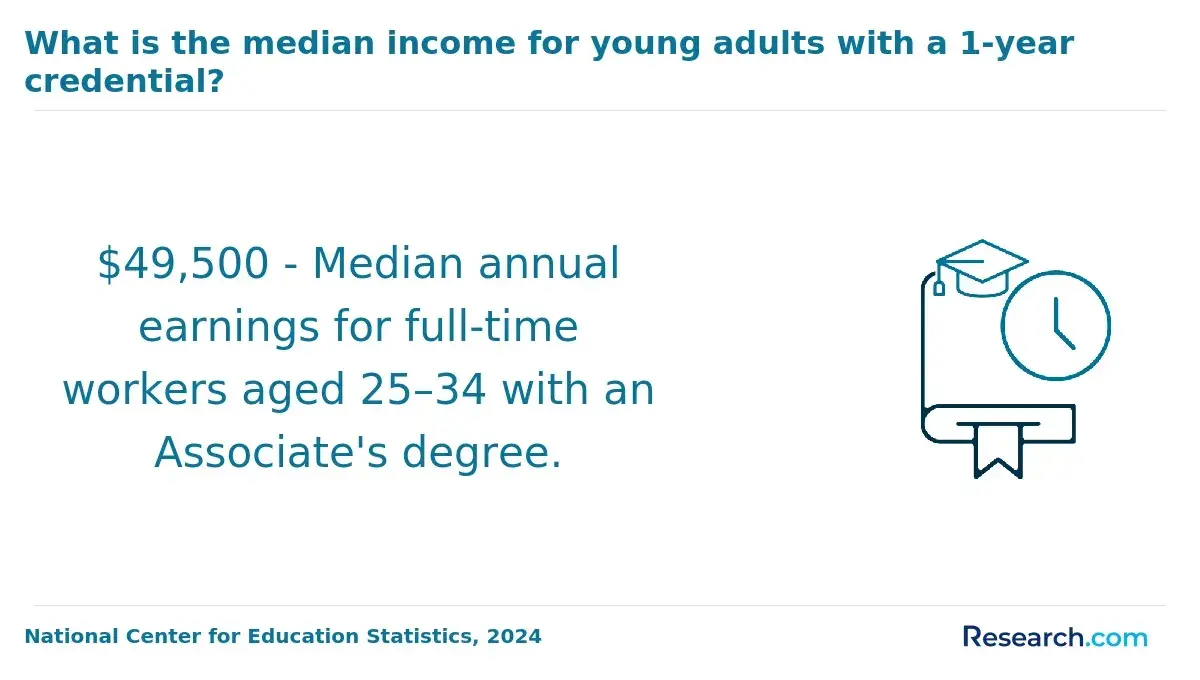
For example, Walsh University's B.A. in Social & Behavioral Sciences links this growth to career opportunities with an average annual salary around $49,380.
Top U.S. universities offering online social and behavioral sciences degrees often emphasize workforce readiness through curricula combining research methods, psychological theory, and community interventions.
Many integrate internships or practicums, addressing employers' preference for candidates with hands-on experience. Students pursuing licensure-dependent roles must verify their program's state authorizations, as transferability of credentials is frequently limited and can delay timely employment.
Programs like Oregon State University's Ecampus prioritize interdisciplinary skills, enhancing graduates' flexibility across social work, criminal justice, and behavioral health careers. However, a mismatch between program content and state-specific licensing requirements remains a common barrier. Selecting accredited programs with broad state approval reduces this risk and streamlines certification pathways.
Prospective students should also consider workforce nuances such as how much do forensic psychologists make, illustrating the importance of targeted degree choices aligned with occupation-specific demands and earning potential.
What admission requirements and prior experience are needed for online social and behavioral sciences programs?
Admission requirements for online social and behavioral sciences programs in the United States typically insist on a bachelor's degree from an accredited institution, often with a minimum GPA near 2.5 to 3.0. Prior academic coursework in psychology, sociology, or related social sciences is frequently favored to ensure students possess the foundational knowledge needed to succeed.
Graduate-level degrees—such as an online MPH with a social and behavioral sciences focus—generally expect 1 to 3 years of relevant experience in community health, research, or social services, aligning with employer demand for practical skills alongside academic preparation.
Standardized test waivers (e.g., GRE) are increasingly common but vary by institution, with some programs weighing professional experience and letters of recommendation more heavily. For applicants lacking traditional academic backgrounds, detailed professional statements documenting transferable skills and career goals become critical to demonstrate readiness for advanced study.
For working professionals making career pivots, verifying how practicum or fieldwork requirements accommodate part-time or remote schedules is essential. Programs integrating applied projects with local health organizations prepare students for community health roles, where employment is projected to grow 11% between 2024 and 2034—outpacing the national average.
Understanding these requirements upfront helps prevent enrollment delays and better aligns educational choices with individual career objectives.
Applicants should anticipate admissions processes evaluating academic records, documented experience, and capacity to handle rigorous online coursework. Programs emphasizing research may require or recommend prior courses in statistics or research methods.
For perspective on program duration and flexibility, prospective students might explore options including online mental health counseling masters.
What courses, concentrations, and skills are covered in social and behavioral sciences curricula?
Curricula in social and behavioral sciences strike a deliberate balance between broad foundational knowledge and specialized skills that influence hiring and career outcomes. Core coursework—covering research methods, statistics, human development, social psychology, and cultural anthropology—equips students for roles demanding analytical rigor and contextual understanding.
Concentrations in behavioral health, public health, community development, health policy, and mental health counseling develop competencies directly applicable to workforce needs, including data analysis, program evaluation, and evidence-based intervention.
Consider a behavioral health professional tasked with designing outreach for at-risk populations: success depends on integrating population health trends with behavioral theories, highlighting the field's hybrid quantitative-qualitative skill set.
Public health-focused graduates similarly navigate complex epidemiological data and healthcare operations to inform policy or program management. Practical experience through internships or projects is indispensable, offering critical exposure to government or nonprofit environments.
The labor market reflects this demand; medical and health services managers—common targets for social and behavioral sciences MPH holders—are projected by the U.S. Bureau of Labor Statistics to grow 28% through 2032, with median wages near $104,830. However, students must weigh this promising outlook against the necessity for managerial and health informatics skills alongside the potential need for specific licensure.
The choice between broad social sciences foundations and specialized certification has significant implications for role eligibility and long-term career trajectory.
Effective navigation of this field requires aligning chosen concentrations with employer expectations and career intent, recognizing that practical skill development and certification tradeoffs shape future employability.
How long do online social and behavioral sciences degrees take and what do they cost?
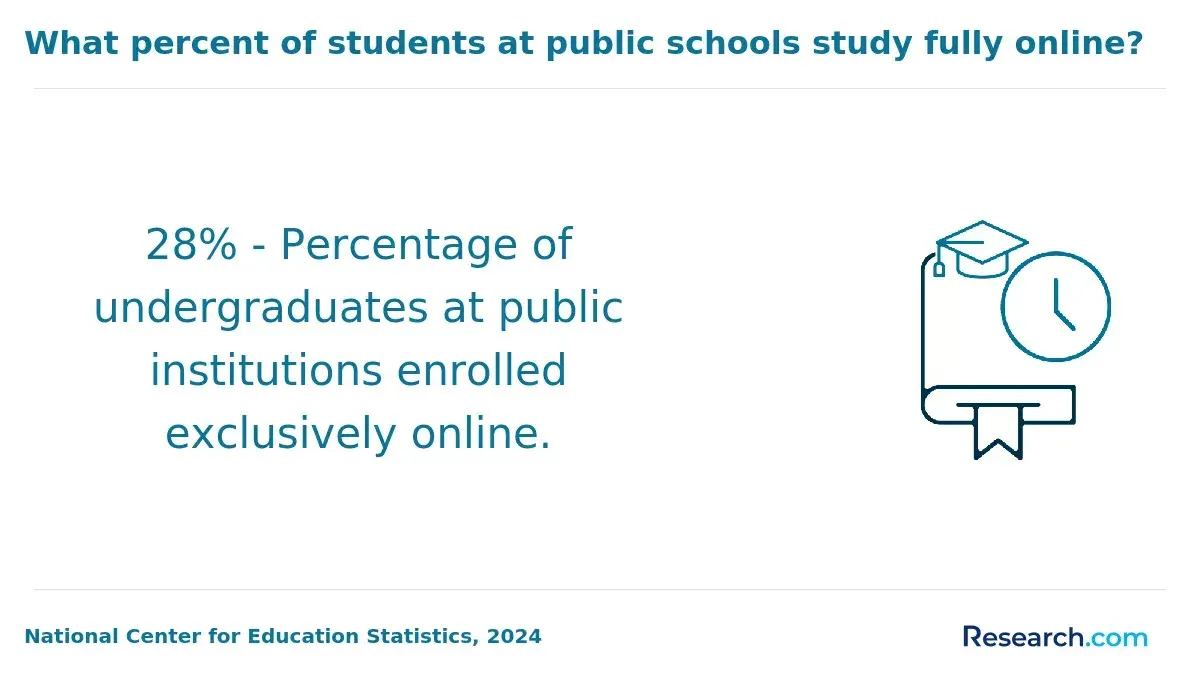
A full-time online social and behavioral sciences bachelor's degree generally requires four years, but many working adults extend this to six or more years by studying part-time, significantly impacting total tuition and time-to-completion. For example, Hilbert College's online BS in Human Services charges about $16,800 annually, amounting to roughly $67,200 over four years, not including fees. This cost framework provides a useful reference point amid broad tuition variability.
The choice between accelerated three-year programs and traditional pacing involves more than speed; accelerated tracks demand intense study that may conflict with employment or caregiving, common in these fields. Employers tend to prioritize accredited degree completion and practical experience over compressed timelines, reflecting the importance of internships and skill development.
A healthcare worker transitioning to behavioral health might prefer part-time study, spreading costs over six years but delaying income gains tied to credentialing. A recent high school graduate with fewer obligations may opt for the four-year path to enter the workforce sooner but must plan for comprehensive funding beyond tuition alone.
Key considerations include tuition versus total program length, the student's employment context, and employer expectations emphasizing practical readiness. State and federal labor data confirm that clear cost and time estimates correlate with higher job placement and competitive starting wages in social services.
What careers can graduates pursue and how do these roles impact community mobility?
Choosing an online social & behavioral sciences degree involves weighing specific workforce demands against real-world licensure and job market conditions. Roles such as social workers, substance abuse counselors, and marriage and family therapists directly affect community mobility by addressing barriers to housing, healthcare, and employment access.
The 2024 U.S. Bureau of Labor Statistics reports median salaries near $60,000 for these occupations, reflecting steady demand and societal need.
Consider a social worker in a municipal public health setting who connects homeless clients to housing and employment resources, directly facilitating community reintegration.
Similarly, substance abuse counselors in outpatient clinics reduce addiction recidivism, improving public safety and workforce reentry rates. Marriage and family therapists working with at-risk youth can decrease juvenile delinquency by strengthening family dynamics and supporting educational outcomes.
Prospective students must navigate varying state licensure requirements, which impact both salary potential and time to credentialing. Employers increasingly seek applicants with blended skills in clinical judgment, cultural competence, and technology use, so ongoing professional development is essential beyond degree completion.
Graduates should prioritize programs offering embedded practicum placements relevant to their local labor markets to accelerate skill application and employment prospects. This practical integration can mitigate the friction between academic preparation and workforce readiness in social & behavioral sciences careers.
What salary ranges and earning potential exist for social and behavioral sciences graduates in the U.S.?
Salary outcomes for social and behavioral sciences graduates vary significantly by specialization, credentials, and employer type, influencing both immediate earning potential and long-term career flexibility.
For example, addiction counselors earn a median annual salary of $59,350 with a strong 16.8% projected job growth, reflecting labor market demand in behavioral health. This role contrasts with entry-level positions such as program coordinators or research assistants, which typically start around $40,000 but offer broader access to policy and organizational development sectors.
Key tradeoffs arise when pursuing credentialing. Attaining licensed professional counselor status requires 2-3 years of supervised clinical practice post-degree, delaying full earning potential but enabling access to roles with salaries often exceeding $65,000. Alternatively, positions without licensing requirements provide quicker workforce entry but generally lower wages.
Where one works also matters: government agencies and large healthcare organizations offer higher initial salaries but demand advanced certifications or licenses, while nonprofit roles usually compensate less but may provide valuable experiential learning and community impact.
For individuals planning strategic pivots within social and behavioral sciences, focusing on certifications and internships in high-demand areas like behavioral health is critical to climb beyond baseline salary ranges. Balancing growing labor market needs with the time and financial investment of credentialing shapes the trajectory from entry-level to higher-paying roles in this diverse field.
What licenses, certifications, or graduate training are required for regulated behavioral and social service roles?
Licensure and credentialing in social & behavioral sciences demand more than graduate degrees—they require meeting rigorous supervised experience and exam benchmarks that vary by state and specialization.
For example, Licensed Clinical Social Workers (LCSWs) must complete a master's from an accredited social work program, pass state exams, and accumulate between 2,000 and 4,000 supervised clinical hours. Licensed Professional Counselors (LPCs) follow parallel requirements centered on counseling degrees and clinical supervision.
The nuances between roles become critical when comparing clinical social workers and school social workers—where the latter often juggle overlapping certifications from education and clinical boards depending on jurisdiction. This complexity forces candidates to carefully plan their graduate training and licensure pathways to avoid credentialing bottlenecks that can delay workforce entry.
Community-based positions with policy or administrative emphasis typically eschew clinical licenses but demand certifications such as Certified Case Manager (CCM) or nonprofit leadership credentials. These pivot toward skills in program management and organizational behavior, better aligning with graduate training focused on social policy than traditional clinical licensure.
Failing to secure proper licensure limits reimbursement options and restricts certain therapeutic interventions, directly impacting employment prospects and earnings capacity.
For instance, research by Opportunity Insights shows that adults from counties with strong social capital—often supported by credentialed social workers—earn roughly 20% more income than peers from low social capital areas. This illuminates the tangible economic consequences tied to professional credentialing within social work and related fields.
How can students evaluate the quality, accreditation, and community partnerships of online programs?
Program accreditation is a critical filter that determines whether an online public health degree aligns with industry standards and employer expectations. Regional accreditors like the Higher Learning Commission or national bodies such as the Council on Education for Public Health safeguard curriculum rigor and ensure eligibility for professional certifications. Without this validation, students risk investing in credentials that limit access to clinical, research, or policy roles.
Beyond accreditation, evaluating a program's community partnerships illuminates the availability of hands-on training and employment pathways. Effective programs maintain active collaborations with local health departments, policy think tanks, and nonprofits, which often serve as internship sites leading to job placements.
For example, the University of Massachusetts Lowell cites 2,746 annual job openings in social & behavioral sciences-related public health roles demanding such experiential learning.
Faculty expertise also influences degree relevance. Instructors who engage in current research or government projects translate evolving workforce needs into the classroom. Students should analyze alumni career data and independent labor market studies to verify outcomes.
Ignoring these factors risks receiving a degree misaligned with federal aid requirements or critical licensure while also hindering access to real-world experience and networking essential for employment in competitive social & behavioral science sectors.
Other Things You Should Know About Social & Behavioral Sicences
In 2027, the value of online social & behavioral sciences degrees largely depends on the institution and accreditation. Employers increasingly recognize the legitimacy of online education, especially when programs offer robust support, practical experiences, and alignment with industry standards, enhancing employability and community mobility.
Online programs often require equal or greater self-discipline and time management due to reduced real-time interaction and support. Students should expect a rigorous reading load and significant independent research and writing. The flexibility benefits come with tradeoffs such as less immediate feedback and the need for proactive engagement with faculty and peers to maintain academic momentum.
Practical experience is critical in social & behavioral sciences, often outweighing academic credentials alone in job competitiveness. Internships, fieldwork, and community-based projects complement classroom learning by demonstrating applied skills. Prospective students should select programs emphasizing experiential learning opportunities integrated into the curriculum to strengthen employability.
Specialization choice must align with clear career goals and local labor market demand, as some areas have limited employment opportunities despite academic interest. Students should research regional job availability and employer expectations before committing. Prioritize fields with established networks and pathways for advancement rather than niche subjects with uncertain career support.
References
- Bachelor of Arts (BA) in Psychology Degree Program https://www.calsouthern.edu/online-degree-programs/behavioral-sciences/bachelors-psychology-ba/
- Taking the Long View: Designing Pathways for Economic Mobility https://www.jff.org/blog/taking-long-view-designing-pathways-economic-mobility-2/
- The importance of evaluating programs of school, family and community partnerships https://reunido.uniovi.es/index.php/AA/article/view/13094
- IAI General Education Social and Behavioral Sciences Course Descriptions https://itransfer.org/courses/gecc/socialbehavioralsciences.php
- 12 Jobs That Help People and Support Communities | USAHS https://www.usa.edu/blog/12-jobs-that-help-people-and-support-communities/
- Asuonline - Social Behavioral Sciences Bs https://asuonline.asu.edu/online-degree-programs/undergraduate/social-behavioral-sciences-bs/
- Community College Accreditation https://educate.iowa.gov/higher-ed/community-colleges/accreditation
- University Studies: Concentration Survey of Social and Behavioral Sciences https://www.apsu.edu/programs/undergraduate/university-studies-concentration-social-behavioral-sciences.php
- Social Work Licensure Requirements In Virginia https://www.psychology.org/social-work/licensure/virginia/