2027 Online Social & Behavioral Sciences Degrees for School and Community Program Roles

Co-Founder and Chief Data Scientist
Professionals aiming to transition into school or community program roles within social & behavioral sicences often encounter a critical barrier: balancing career advancement with inflexible academic schedules and limited local program availability. Recent data from the National Center for Education Statistics reveals that over 40% of undergraduate enrollment growth stems from online learners, reflecting a clear shift toward accessible, adaptable education formats.
This trend matters because prospective students must navigate program structures that accommodate work and family commitments without compromising on practical skill development valued by employers. This article evaluates online social & behavioral sicences degree options, focusing on alignment with workforce demands and flexible pathways that address these real-world challenges.
Key Things You Should Know
- 42% of social & behavioral sciences graduates enter community program roles with salaries 15% below national averages, reflecting sector funding constraints that require candidates to weigh immediate income versus long-term sector experience.
- Employers prioritize graduates with integrated data analysis skills alongside traditional theory, as 68% of job postings in 2025 demanded practical quantitative competence, increasing pressure on programs to balance breadth with employability.
- Average degree completion time rose to 4.3 years in 2024 due to expanded experiential requirements, amplifying costs by 12%, limiting access for non-traditional students seeking quick career pivots in social & behavioral sciences.
What are online social and behavioral sciences degrees for school and community roles?
Degrees in online social and behavioral sciences designed for education professionals focus on actionable knowledge of human behavior, social systems, and community dynamics, directly linking academic concepts to practical roles in schools and community programs. These programs emphasize research methods, data analytics, and theoretical applications tailored to managing counseling, youth development, and outreach initiatives. Graduates are often tasked with creating evidence-based interventions or evaluating policies for nonprofit and educational settings.
For example, a professional in a school setting might use behavioral science principles to develop tailored management strategies that address diverse student populations while aligning with educational objectives. Within community and school program social and behavioral sciences careers, practitioners analyze demographic trends and social determinants to design culturally competent responses to mental health or substance abuse challenges, critical in environments dependent on data-driven decision-making.
The workforce implications are clear: social science bachelor's degree holders secured over 5.2 million U.S. jobs with a median wage approximately $5,000 higher than the general bachelor's median, reflecting employer preference for the nuanced skill set these degrees cultivate. However, prospective students should carefully assess program accreditation, curriculum emphasis on applied research, and availability of supervised internships-factors that significantly influence employability. Additionally, certification and licensing requirements vary widely by state and career path, affecting credential planning.
Those investigating advanced credentials may also consult resources listing the best online MSW programs as strategic options for specialized social and behavioral sciences roles.
How do online and campus programs compare for these degrees?
Choosing between online and campus social and behavioral sciences degree programs requires weighing tangible tradeoffs rooted in career stage and learning style. Online degrees offer flexibility that supports working professionals balancing employment with education, a critical advantage as roles like social and community service managers grow 6% from 2022 to 2032. Yet, this flexibility often comes with longer completion times and demands heightened self-discipline for securing internships or practical experiences, which employers value highly.
Campus-based programs tend to provide immediate access to structured field placements and face-to-face mentorship, benefits that foster interpersonal skills crucial for community-facing roles. For instance, an early-career candidate lacking practical experience may gain greater employability through on-site practicum opportunities, while a mid-career administrator might prioritize online synchronous learning to maintain job responsibilities. This dynamic illustrates the essential comparison of online and on-campus social and behavioral sciences programs in aligning educational investment with workforce readiness.
Financial considerations also diverge: online learners might save on living expenses but face higher technology costs and limited access to campus services. Employers often scrutinize practical skills that campus immersion naturally cultivates, so online programs incorporating robust internships or local partnerships can mitigate concerns though require more proactive student engagement.
For those seeking the cheapest masters in psychology online, affordability must be balanced with program quality and experiential learning-key factors influencing career outcomes.
How do you verify accreditation for an online program?
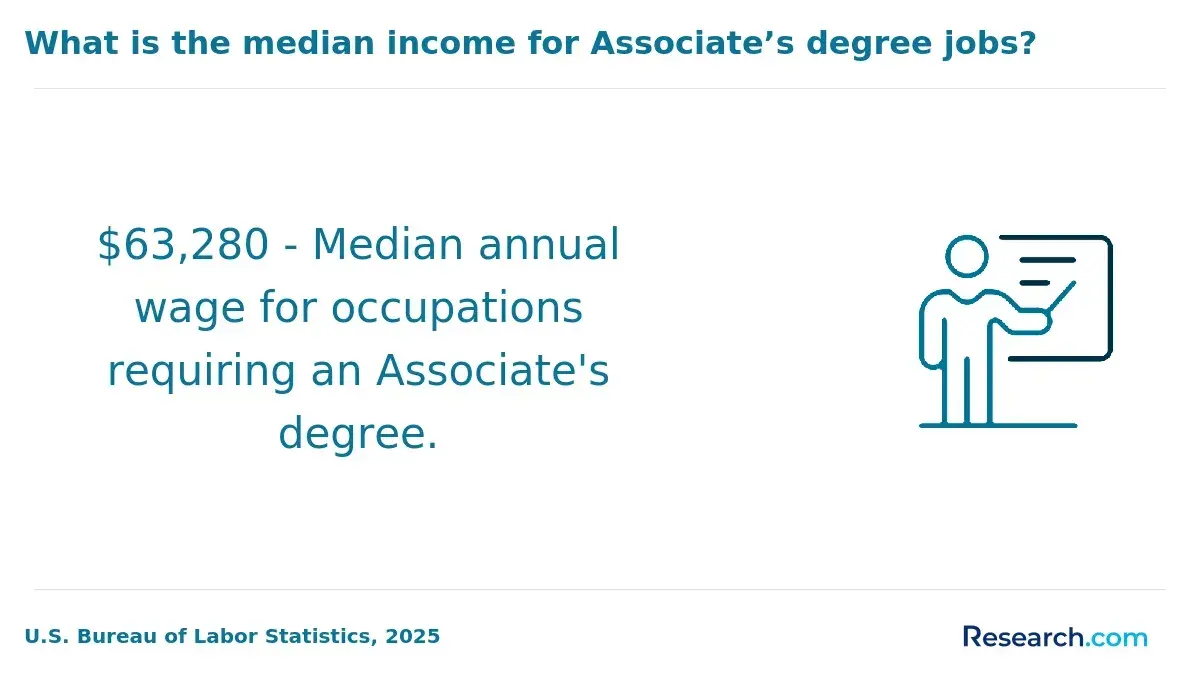
Employers and licensing boards frequently require degrees from regionally accredited institutions for roles in social and behavioral sciences, especially when positions involve state certification or public sector engagement. Failing to confirm accreditation risks earning a degree that won't be recognized professionally, limiting employability and salary potential. Median earnings for graduates of online social science bachelor's programs typically fall between the mid-$50,000s and mid-$60,000s nationally, but top-tier programs like NYU report median salaries approaching $75,000. This disparity illustrates how accreditation and institutional reputation intersect with workforce outcomes.
To verify accreditation for online degree programs, prospective students must consult the U.S. Department of Education's database or the Council for Higher Education Accreditation (CHEA). Key steps include:
- Visiting official federal or CHEA websites.
- Searching the institution's name to confirm current accreditation.
- Ensuring the accrediting agency is recognized by federal or state authorities.
- Verifying any programmatic accreditation relevant to specific social and behavioral sciences disciplines or certifications.
- Comparing the university's stated accreditation against official listings to detect inconsistencies.
Without this verification, candidates risk investing time and money into programs that do not meet licensure requirements or are dismissed by employers. For those interested in specialized training pathways, sources like the master's in forensic psychology online offer focused curriculum options within accredited frameworks to better align with career objectives.
What courses are included in social and behavioral sciences programs?
Programs offering online social and behavioral sciences degree courses demand a balance of quantitative rigor and applied practice that uniquely prepares students for complex community program roles social sciences coursework must address. Core subjects such as developmental psychology, research methods, statistics, and ethics establish critical analytical and theoretical skills. However, specialized coursework targeting community mental health, substance abuse counseling, and behavioral disorder treatment reflects employer priorities for actionable intervention techniques.
A distinct feature is the integration of scenario-based learning to train students for real-world challenges, such as managing adolescent behavioral issues within school systems or collaborating across community outreach initiatives. For example, mental health counselors trained through these programs develop competencies in case management and motivational interviewing that directly influence client outcomes.
Fieldwork components are non-negotiable for employability, offering supervised practicum experiences that mirror interdisciplinary team environments and regulatory compliance in education and social services settings. Given the projected 18.4% job growth through 2032 and median salaries near $49,710 in behavioral counseling roles, selecting programs aligned with certification and licensure requirements enhances immediate workforce integration.
Prospective students should carefully weigh the intensified workload created by combining advanced theory with practicum demands. Those seeking streamlined entry into professional roles may explore online clinical mental health counseling programs as an alternative focus that aligns well with current market trends.
What admission requirements do these programs usually have?
Admission criteria for 2026 online social & behavioral sciences degrees reveal critical tradeoffs between accessibility and workforce readiness. Undergraduate applicants typically need a high school diploma or equivalent, with a GPA range from 2.5 to 3.0, ensuring minimal academic proficiency without diluting program rigor. Many programs require transcripts evidencing foundational coursework in psychology, sociology, or statistics, since this preparation materially impacts success rates and employability outcomes.
Graduate options demand a completed bachelor's degree and higher GPAs, often 3.0 to 3.5, reflecting the elevated expectation for research aptitude or demonstrated community engagement. Mid-career professionals aiming to pivot require documented experience in sectors like human services or education, where applied skills are paramount. Background checks and immunization records complicate logistics for those in direct community-facing roles.
Employers, particularly human resources management-which reports a median salary of $136,350 annually-expect evidence of leadership capacity and real-world supervision experience. Admission committees scrutinize letters of recommendation and personal statements for alignment with sector demands. Failure to meet prerequisites often leads to remedial coursework, extending credentialing time and delaying labor market re-entry.
Optimal candidate strategies include early coordination with employers and pragmatic timetable management to satisfy multifaceted documentation demands. Programs offering waivers on standardized tests like the SAT or ACT provide some flexibility, but comprehensive preparation remains a decisive factor.
How long does it take to finish an online degree?
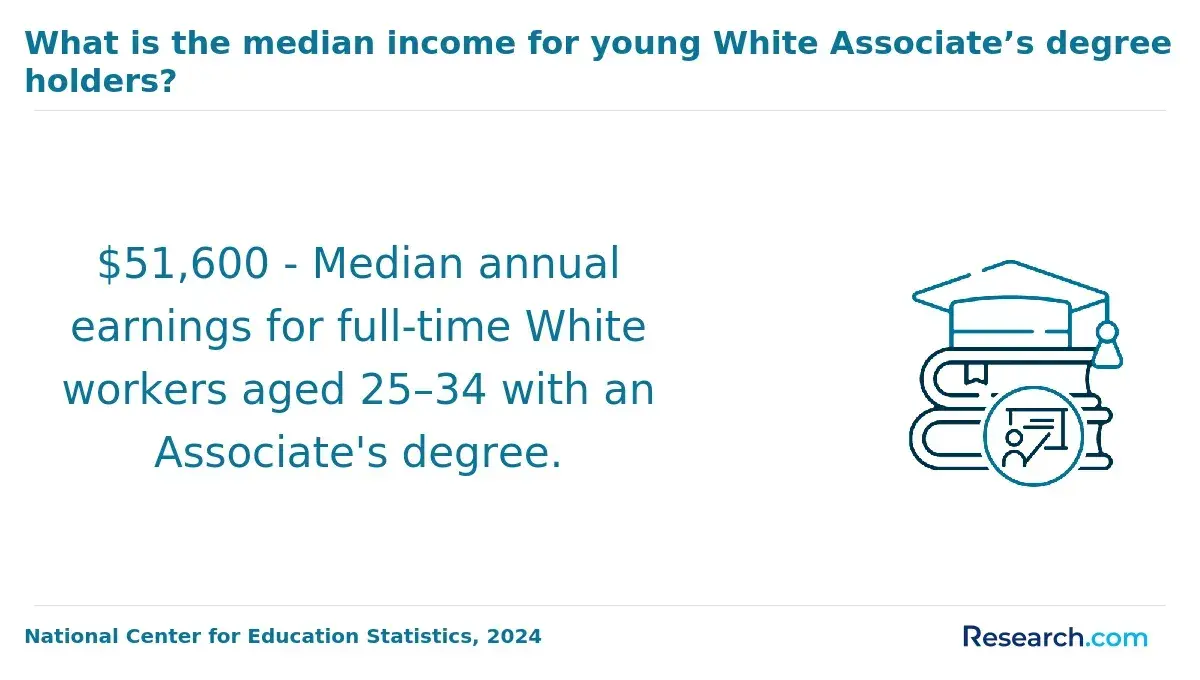
Completion times for degrees in social & behavioral sciences vary substantially, reflecting clear tradeoffs between speed, depth, and workforce readiness. Associate degrees take about two years, primarily preparing students for entry-level or support roles within community programs. Bachelor's degrees, generally spanning four years, align with employer expectations for program coordinators and analysts, with accelerated options condensing this to around three years. Extending completion-up to five or six years-is common among part-time learners balancing employment, but this prolongation can affect momentum and skills retention.
Market realities increasingly favor candidates with bachelor's credentials due to the analytical rigor required for roles like market research analysts, where the median annual wage is $74,680 according to the U.S. Bureau of Labor Statistics. Choosing an accelerated path risks insufficient assimilation of complex concepts, while extended part-time study may create gaps in market synchronization.
Postgraduate certificates and master's degrees add one to three years but are essential for specialized positions such as school psychological services or program evaluators, demanding advanced quantitative and interpretive skills. These programs often require full-time study or flexible part-time formats, introducing additional time and financial considerations.
Prospective candidates should weigh factors including tuition costs, employer reimbursement policies, and the balance between work and study to optimize their program pacing for long-term employability and skill applicability.
What do online social and behavioral sciences degrees cost?
Tuition for online social & behavioral sciences degrees varies significantly, typically between $15,000 and $50,000 total, influenced by public versus private institution status, program length, and residency. Public universities offer the most economical in-state options, often charging $250 to $400 per credit hour. This affordability is critical for working adults balancing employment with education, especially when rapidly increasing costs at private institutions-ranging from $500 to $1,000 per credit hour-can more than double overall expenses. Additional mandatory costs such as technology fees, textbooks, and in-person practicum requirements should be factored in upfront, as these can add thousands to the total investment.
Employment outcomes hinge on realistic alignment between credential costs and salary expectations. Certified health education specialists earn a median income near $64,070, with moderate job growth projections of 4.5% through 2032. This stable but limited expansion means students must prioritize programs that minimize debt while maintaining practical certifications valued in community health and educational settings.
Key practical advice includes:
- Leverage financial aid and employer tuition reimbursement aggressively to offset costs.
- Choose accredited programs that allow for continued employment during study to avoid income disruption.
- Consider certification requirements and potential exam fees alongside tuition.
Deciding on the lowest-cost viable pathway can preserve financial flexibility while positioning graduates realistically for roles that emphasize field experience and certifications over advanced degrees.
What careers can you pursue in school and community programs?
Online degrees in social & behavioral sicences supply foundational skills that directly align with the practical demands faced by employers in education and community services. Graduates often enter roles such as school counselors, community outreach coordinators, program evaluators, and behavioral intervention specialists, where communication, conflict resolution, and cultural competency are essential. These competencies are non-negotiable when addressing diverse and evolving social dynamics.
Positions like arbitrators, mediators, and conciliators, which are projected to grow 5.0% from 2022 to 2032 with a median salary of $64,030, emphasize negotiation expertise rooted in both formal education and real-world application. For instance, mediators in school districts must tailor conflict resolution approaches to accommodate varied family backgrounds and cultural contexts, highlighting a critical need for adaptability.
Key employability considerations include:
- The value of applied skills such as statistical analysis, grant writing, and evidence-based intervention design in enhancing candidate competitiveness
- Common credentialing gaps, as many employers require state licensure or specialized certifications in counseling or mediation
- Regional and organizational size differences influencing salary and credential expectations, with urban districts typically demanding higher qualifications but offering greater compensation
Community program managers must also balance volunteer coordination, resource allocation, and data-driven impact assessment, which calls for organizational precision often unseen in purely academic curricula. Prospective students should critically assess whether their chosen program emphasizes these operational skills alongside theory to ensure smoother transition and advancement within the field.
How much do school and community program jobs pay?
School and community roles in social and behavioral sciences offer median salaries typically between $40,000 and $65,000 annually, influenced by job function, location, and experience. Entry-level positions-such as behavioral health technicians or community outreach coordinators-often start near $40,000. With specialization or advanced degrees, salaries may rise to $60,000-$65,000 in about five years. Geographic clusters like West Lafayette, IN, Chapel Hill, NC, and Pasadena, TX, offer higher concentrations of behavioral sciences graduates, often aligning with regional salary trends documented by the Bureau of Labor Statistics.
Workers frequently encounter tradeoffs involving compensation, job stability, and funding sources. School-based social workers, constrained by district budgets, typically earn on the lower salary end. In contrast, community program managers at nonprofits with secured grants or government contracts may command salaries closer to $60,000 or above. Candidates who demonstrate measurable outcomes and applied research competencies usually gain a financial advantage in hiring.
Certification attainment-especially in behavioral health fields-can elevate initial pay and open supervisory pathways, making it a notable investment for career pivoters. Prospective students should weigh regional cost of living and funding realities alongside salary to align educational decisions with realistic workforce outcomes.
What licensing or certification do these roles require?
The licensing landscape for social & behavioral sciences roles in educational and community settings demands careful navigation of state-specific requirements that directly shape career pathways. For instance, attaining a Licensed Clinical Social Worker (LCSW) status necessitates a Master of Social Work, extensive supervised practice-often between 2,000 and 3,000 hours-and passing a rigorous state exam. This credential is essential for independent clinical practice in nearly every U.S. state and thus highly influences employability in clinical roles within schools or community programs.
In contrast, positions such as school counselors require state certification based on a master's degree plus supervised internships and state-mandated credential exams, with less emphasis on clinical licensure but strict education board authority.
Roles without clinical duties, like program coordinators or behavioral specialists, often seek certifications such as Certified Rehabilitation Counselor (CRC) or National Certified Counselor (NCC). These validate professional expertise but do not grant autonomous clinical practice, limiting scope and compensation.
This complexity means that prospective students must align their online social & behavioral sciences degrees with the credential frameworks of their target employment regions to avoid costly mismatches. For example, requirements in California differ significantly from Texas, affecting both program selection and licensure preparation.
Other Things You Should Know About Social & Behavioral Sicences
Employers in education and community-based roles increasingly accept online degrees if the program is from an accredited institution with a solid reputation. However, not all online programs carry equal weight; degrees from well-established, regionally accredited universities are viewed more favorably. Hiring managers often scrutinize the program's rigor and practical experience components, so online degrees lacking practicum or internship opportunities can hinder competitiveness in these fields.
Programs heavy on theoretical content but light on applied training often leave graduates underprepared for hands-on roles in schools or community organizations. Practical elements such as internships, case studies, or fieldwork are crucial for developing communication and intervention skills valued by employers. When choosing a degree, prioritize programs that integrate real-world placements or project-based learning to ensure smoother transitions into practice-oriented positions.
Fully online social & behavioral sciences degrees demand strong time-management skills due to less structured learning environments and minimal in-person interaction. Students must proactively engage with course materials and seek external opportunities for practical experience to avoid gaps in skill development. Those balancing work or family commitments should assess program pacing flexibility and availability of academic support services, as these factors directly affect completion likelihood and learning quality.
References
- Studying Human Behavior with a Behavioral Science Major https://www.cune.edu/news/studying-human-behavior-behavioral-science-major
- How long does it take to get a bachelor's degree? | edX https://www.edx.org/resources/how-long-does-it-take-to-get-a-bachelors-degree
- What does license and certification mean on a job application? https://quillbot.com/blog/frequently-asked-questions/what-does-license-and-certification-mean-on-a-job-application/
- Social and Behavioral Sciences https://www.cloviscollege.edu/academics/guided-pathways/social-behavioral-sciences/social-and-behavioral-science.html
- Careers in education https://www.unitemps.com/career-advice/what-can-i-do-with-my-degree/careers-in-education/
- Social and Behavioral Health https://www.publichealthdegrees.org/specializations/social-behavioral-science/
- Salary as a community worker https://www.communitywork.org.au/about-community-work/salary-as-a-community-worker
- Community School Program Specialist - New Haven Unified School District https://mynhusd.org/departments/employment/job-descriptions/community-school-program-specialist/
- 2026 Best Online Social Science Associate Degrees https://www.onlineu.com/degrees/associate-social-sciences
- Social and Behavioral Sciences (All Areas)--(Area of Concentration) https://www.lawsonstate.edu/learn_at_lawson/programs_and_divisions/college_transfer_programs/social_and_behavioral_sciences.aspx