2027 Online Social & Behavioral Sciences Degrees for Patient Advocate Roles

Co-Founder and Chief Data Scientist
Healthcare organizations increasingly seek patient advocates with expertise in social & behavioral sciences who can navigate complex patient needs and systemic barriers. Yet many prospective students face a critical dilemma: balancing advanced education with current job demands and personal responsibilities. Data from the National Center for Education Statistics shows that 45% of online learners are adult students juggling work and family, emphasizing the necessity for flexible program structures.
This shift reflects a broader realignment in higher education access and career mobility, signaling that rigid, time-intensive programs risk sidelining qualified candidates. This article evaluates online social & behavioral sciences degrees tailored for patient advocate roles, helping readers identify programs that align with their practical constraints and career objectives.
Key Things You Should Know
- Online social & behavioral sicences degrees for patient advocate roles average $18,500 total cost over four years, creating tradeoffs between affordability and program depth as shown in National Center for Education Statistics 2024 tuition data.
- U.S. Bureau of Labor Statistics projects 13% growth in patient advocacy roles through 2032, yet employer surveys reveal a rising preference for graduates with integrated health systems experience, complicating purely academic pathways.
- Median program completion for online social & behavioral sicences degrees is 5.2 years per Georgetown University report, increasing opportunity costs and requiring strategic timing alignment with career transitions.
What are online social and behavioral sciences degrees for patient advocate careers?
Degrees in online social and behavioral sciences for patient advocate careers equip students with focused skills in human behavior, healthcare systems, and policy navigation that correspond directly to employer needs. Programs typically blend theoretical knowledge with applied assignments or virtual simulations, designed to build competencies in psychosocial assessment, ethical decision-making, and conflict resolution under diverse clinical and community-based scenarios. This approach addresses the practical realities of patient advocacy roles that demand both analytical rigor and empathetic communication.
In 2023, U.S. institutions granted 265,358 completions across 18 academic areas relevant to patient advocate roles with social and behavioral sciences education, signaling a competitive talent pipeline for positions in healthcare, social services, and nonprofits. Candidates considering these pathways must analyze curricula for critical content such as healthcare law, patient rights, and community health dynamics-all pivotal in different employment settings.
Tradeoffs between program length and specialization matter: shorter certificates expedite workforce entry but may lack depth, while bachelor's or master's degrees offer extensive clinical and research perspectives but require more time and tuition. Notably, online social and behavioral sciences degrees for patient advocate careers must ensure supervised fieldwork access-its absence can hinder employment potential in regulated healthcare environments.
Employers expect graduates to validate skills through case studies or practicums, demonstrating impact in patient communication and resource coordination, particularly when navigating complex insurance systems. For those exploring related options, a social media marketing university education can complement patient advocacy by enhancing outreach and community engagement strategies.
How do online social and behavioral sciences programs prepare you for patient advocate roles?
Online social and behavioral sciences programs that focus on patient advocacy skills development equip candidates with critical competencies in communication, health system navigation, and ethical decision-making. These programs emphasize applying behavioral science principles in patient advocate training, enabling advocates to interpret complex healthcare policies and social determinants that influence patient outcomes. Coursework often combines practical knowledge of patient rights, healthcare law, and cultural competency, preparing graduates to negotiate effectively among patients, providers, and insurers.
For example, oncology patient advocates trained through online programs learn to address psychological and health disparities affecting treatment adherence via case-based simulations and community projects. Such experiential learning builds strategic intervention skills tailored to vulnerable populations. Graduates also develop proficiency in quantitative methods to measure program impact, aligning with employer expectations for data-driven quality improvement and strengthening roles in policy development or grant writing.
The labor market for social and behavioral scientists in healthcare supports these skills, with an average salary near $80,450 and over 31,000 employed nationally, according to the U.S. Bureau of Labor Statistics summarized by PublicHealth.org. However, limitations include the self-discipline required for online study and the sometimes limited clinical exposure, which employers may deem necessary for advanced advocacy roles. Prospective students should carefully evaluate program accreditation and experiential options.
Understanding how much does a masters in psychology cost is a practical step when considering this pathway, as financial investment impacts accessibility and return on education. Balancing these factors fosters a realistic view of patient advocacy as a viable strategic career pivot within social and behavioral sciences.
What education and training are typically required to become a patient advocate?
Patient advocate education requirements in online social & behavioral sciences programs reflect a clear preference for candidates with at least a bachelor's degree focused on disciplines like social work, psychology, or public health. Employers expect proficiency in navigating complex healthcare systems, interpreting medical data, and communicating with diverse patient populations-skills often insufficiently covered by shorter certificate programs. Training that integrates ethics, healthcare law, and case management coursework is essential, particularly when combined with practicums or internships offering real-world exposure.
For instance, patient advocates working in oncology centers must understand cancer care protocols and insurance processes, while those in mental health require skills aligned with counseling and crisis intervention. Certification such as the Certified Patient Advocate (CPA) credential can signal competency, though its necessity varies by state, as licensing rules sometimes demand additional supervised practice.
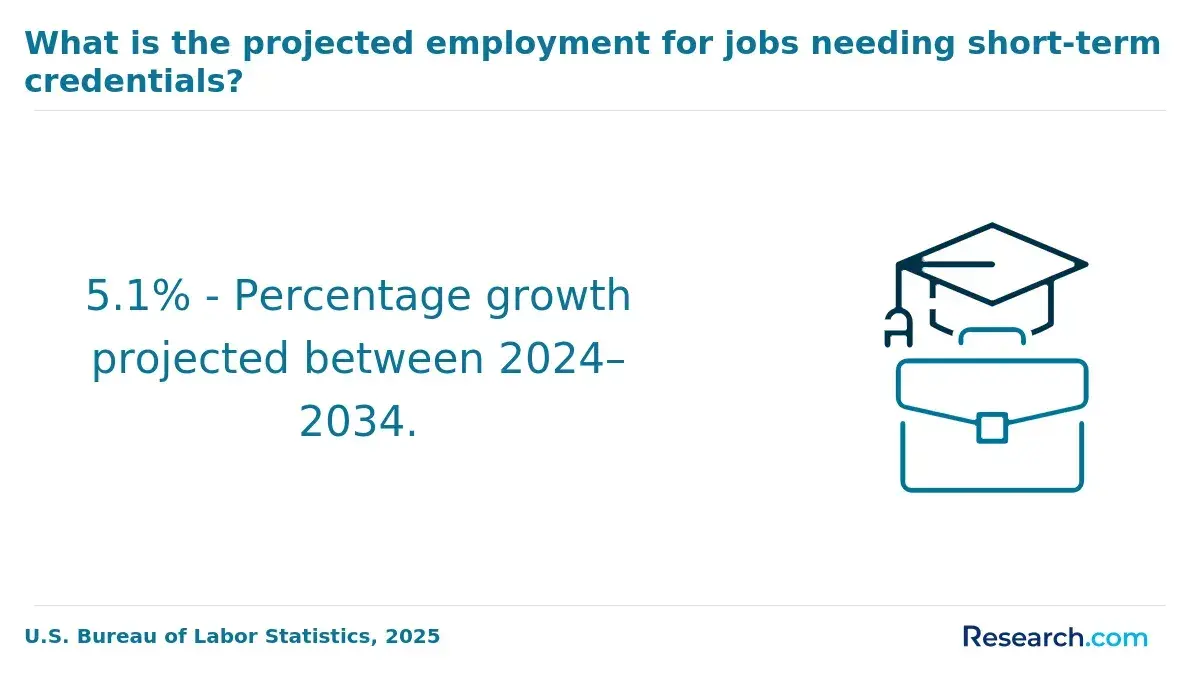
The workforce outlook-tracking projections from the U.S. Bureau of Labor Statistics for social and human service assistants-indicates around 50,600 job openings annually through 2034, emphasizing the value of targeted education linked to evolving healthcare environments. Candidates must weigh training and certification for social & behavioral sciences degrees in patient advocacy carefully, balancing faster entry routes against the depth of domain knowledge that enhances hiring and career progression.
Those considering advanced degrees can explore parallel options, including what can you do with a masters in forensic psychology, which broadens pathways in behavioral science fields while supporting nuanced clinical and legal applications.what can you do with a masters in forensic psychology
How do online and campus-based social and behavioral sciences programs compare for this path?
Deciding between online social and behavioral sciences programs vs campus-based for patient advocates hinges primarily on direct practical engagement and employer expectations. Campus-based formats usually integrate hands-on fieldwork and internships that facilitate immediate skill application and create stronger connections with local employers. For instance, a campus student may complete practicum hours at a hospital, providing supervised experience that employers prioritize when hiring.
In contrast, online social and behavioral sciences programs offer flexibility, appealing to working professionals or those in remote locations, but often require students to independently secure quality internships. Without structured support, fully online students face challenges proving applied experience, which can impact employability in advocacy roles.
Comparing social and behavioral sciences degree formats for patient advocate careers also involves tradeoffs in cost, scheduling, and accreditation verification. Campus programs demand higher upfront resources and less schedule flexibility but deliver more direct mentorship. Online learners save commuting time and expenses but must actively validate credential legitimacy and experiential components.
Employment data shows social and community service managers earn a median annual wage of $78,240, emphasizing leadership combined with applied expertise. Campus-based graduates tend to leverage institutional networks more effectively to reach this benchmark.
Prospective students should carefully assess work-life balance, local placement access, and employer preferences within healthcare or social service sectors. Those considering flexible options might explore online masters in mental health counseling for targeted credentials alongside their broader social and behavioral sciences education.
What courses and skills are emphasized in patient advocacy-focused social and behavioral sciences majors?
Patient advocacy-focused social and behavioral sciences majors demand nuanced skills that extend beyond theoretical knowledge to real-world operational competence. Graduates are expected to handle healthcare ethics, policy analysis, and psychological foundations in ways that directly affect patient outcomes. For instance, an oncology patient advocate must combine psychosocial support training with system navigation expertise to help patients manage complicated treatment schedules and negotiate insurance barriers effectively.
Programs emphasize applied learning through case studies and internships, as this experiential approach builds the practical conflict resolution and communication abilities essential for healthcare environments. Candidates must master precise documentation and verbal advocacy, acting as critical intermediaries between patients, families, and care teams.
The field's interdisciplinary nature prepares students for emerging roles such as supporting community health workers-a sector with an 11% growth projection from 2024 to 2034 per U.S. Bureau of Labor Statistics data cited by Public Health Online. This growth signals that online social and behavioral sciences degrees can respond to demographic shifts and increasing healthcare complexities, especially among underserved populations.
Beyond case management, training addresses regulatory compliance like HIPAA and telehealth technology, balancing emotional intelligence with procedural rigor. This combination meets employer demands for workplace readiness and adaptability, although students must weigh whether this broad skill set aligns with their intended career trajectory or if supplementary credentials are advisable.
How can you verify accreditation and program quality for online patient advocacy degrees?
Accreditation consistency directly affects the practical value of online patient advocacy degrees, particularly in social & behavioral sicences fields like mental health or substance abuse counseling. Employers and credentialing bodies require degrees from regionally or nationally accredited institutions recognized by the U.S. Department of Education or the Council for Higher Education Accreditation. For instance, completing a program accredited by the Council on Social Work Education enhances eligibility for licensed roles and ensures curricula meet professional standards.
Licensure alignment is non-negotiable in certain states, which may reject candidates lacking accredited program credentials despite degree completion. This requirement often shapes the ability to sit for certification exams, underscoring the importance of verifying state-specific mandates before enrollment.
Equally vital is the availability of supervised clinical practicum or fieldwork-with many successful patient advocates emphasizing how hands-on experience with healthcare or social service agencies directly informs their capacity to navigate complex systems and advocate effectively. Programs with formal partnerships tend to provide stronger employment networks and better job placement outcomes.
The workforce for substance abuse and mental health counselors is projected to grow 17% between 2024 and 2034, making program selection a strategic decision influenced by graduate outcomes, employer connections, and ongoing professional development support. Candidates should evaluate whether institutions offer updated guidance on evolving policy and care trends, which increasingly shape how patient advocates operate in dynamic healthcare environments.
What admissions criteria and application materials do online programs usually require?
Applying for online social & behavioral sciences degrees tailored to patient advocate roles involves navigating admissions requirements that function as gatekeepers to employer expectations. A high school diploma or equivalent with a minimum GPA-often between 2.5 and 3.0-is standard, but this baseline only initiates the vetting process. Applicants must supply official transcripts demonstrating relevant coursework in social sciences or health services.
Beyond academic documentation, programs require application materials that reveal practical readiness and ethical fit: a personal statement contextualizing motivation and experience; two recommendation letters from someone familiar with the applicant's critical thinking and communication; and frequently, a resume highlighting healthcare or community service engagement.
Additional hurdles intensify at the graduate level. Master's candidates may face GRE exam demands, unless waived for experienced professionals. Clinical practicum-linked programs can require health clearances or background checks. Demonstrable technological competence is necessary to cope with an exclusively online environment, sometimes assessed separately.
Failing to meet these cumulative requirements risks delayed admission or rejection, a critical penalty given patient advocates earn a reported $48,790 annually-exceeding the $45,120 median salary for comparable human service roles. This income differential emphasizes the need for precise, complete documentation reflecting competencies employers value in healthcare and social service ecosystems.
How long do these online degrees take, and what do they typically cost?
Balancing enrollment intensity with work and family obligations is central to navigating social & behavioral sciences degrees for patient advocate roles. Associate and bachelor's degrees often take 2 to 3 years part-time, while master's programs like MPH or MS usually require 1.5 to 2 years of focused study. Accelerated graduate options demand 15-20 weekly hours, limiting feasibility for full-time employees without flexible schedules.
Cost structures differ significantly across institutions and degree levels. Public universities typically charge between $300 and $600 per credit hour, resulting in $20,000 to $45,000 total for bachelor's degrees. Graduate degrees relevant to policy and advocacy average $25,000 to $55,000. Notably, residency status may not lower tuition in fully online programs, necessitating careful review of cost policies.
Higher upfront costs for graduate programs are often justified by substantial wage gains. For example, advanced-degree patient advocates in states like Virginia earn an average of $103,640 annually, according to U.S. Bureau of Labor Statistics data summarized by PublicHealth.org. This wage premium supports investment in programs that facilitate strategic influence on health policies and community outcomes.
Students must weigh program length, cost, and time commitments against their capacity to sustain income and meet personal responsibilities. Mid-career professionals may prefer part-time study to manage patient care duties, extending completion time but easing financial pressure. Conversely, recent graduates might accept higher costs and workload for accelerated pathways enabling faster workforce entry.
What patient advocate job roles, work settings, and career paths can these degrees support?
Degrees in social & behavioral sciences inform essential functions in patient advocacy roles across healthcare environments including hospitals, insurance providers, nonprofits, and government agencies. Graduates acquire the ability to interpret complex factors such as health literacy barriers and socioeconomic disparities, enabling more precise patient communication and support. For instance, a behavioral science-trained patient advocate within a hospital might bridge communication gaps for patients with limited English proficiency or economic hardships, directly influencing treatment adherence and consent clarity.
Work environments for advocates range from acute care to community health settings, each demanding adaptability to varied organizational cultures and interdisciplinary teams. A significant pathway is advancing into healthcare policy or administration, where insights into patient behavior contribute to system-level reforms. Research underscores that effective advocacy extends beyond direct patient interaction, requiring collaboration with clinical staff and community resources to address multifaceted social determinants of health.
Practical challenges include navigating resource constraints in smaller settings, which restrict autonomy, compared to larger institutions where rigid hierarchies may limit initiative. Employers consistently prioritize demonstrable behavioral science competencies paired with hands-on practicum or internship experience to effectively manage diverse patient populations. These experiential components markedly increase employability and functional readiness in patient advocate roles.
What salary ranges, job outlook, and certification options exist for patient advocates?
Salary expectations for patient advocates in 2026 reveal clear distinctions driven by sector and experience. Entry-level roles in nonprofit or community organizations typically start near $45,000 annually, while positions within major hospitals, insurance firms, or digital health companies can approach or exceed $75,000. This disparity reflects how institutional scale and specialization influence compensation, a crucial consideration for professionals deciding where to target their job search.
The projected job growth of 4-7% over 2022-2032, yielding roughly 12,600 openings, aligns with rising demand fueled by healthcare digitization and telehealth expansion. This makes digital health literacy and remote patient communication highly valuable skills. For example, advocates focused on telehealth should seek certifications emphasizing these competencies, whereas community-based roles may prioritize behavioral sciences education combined with practical experience.
Certification, such as the Certified Patient Advocate (CPA), can significantly enhance employability and salary, especially for hospital or legal advocacy roles. However, it is not universally mandatory. Advanced credentials may suit professionals managing complex cases or leadership, but cost, time, and specialization tradeoffs must be weighed carefully.
An effective route for career pivoters involves earning a degree aligned with Social & Behavioral Sicences, targeting certifications specific to the intended work environment, and gaining experience in fast-growing digital health sectors. This balanced strategy addresses employer expectations while navigating real-world constraints presented by education and credentialing.
Other Things You Should Know About Social & Behavioral Sicences
Programs vary widely in how they integrate practical experience, with some offering virtual simulations or case studies, while others may require internships or practicum hours at healthcare facilities. Candidates should prioritize programs that mandate supervised real-world patient advocacy experiences, as employers place significant value on demonstrated hands-on skills. Without this, graduates may face gaps in applying theoretical knowledge to complex, unpredictable healthcare environments.
A generalist social & behavioral sciences degree provides flexibility but may lack focused training in healthcare systems, patient rights, or communication strategies crucial for patient advocates. Specializations or targeted electives that align with healthcare advocacy improve job readiness but can limit options outside the healthcare sector. Prospective students should weigh the immediate benefit of specialized skills against the potential need for broader credentials if they plan to pivot careers in the future.
Students often underestimate the balancing act between asynchronous coursework, live discussions, and practicum deadlines. The multidisciplinary nature of social & behavioral sciences means juggling research writing, statistical analysis, and applied healthcare ethics concurrently, increasing cognitive load. Strong time management skills are essential, and students should seek programs with clear scheduling, active faculty support, and cohort engagement to maintain consistent progress without burnout.
References
- Online Behavioral Science Degree Programs | University of Phoenix https://www.phoenix.edu/online-behavioral-sciences-degrees.html
- How Do You Become a Patient Advocate? - Healthcare Administration Degree Programs https://www.healthcare-administration-degree.net/faq/patient-advocate/
- Patient Advocacy Training for Genetics Professionals: Helping Patients Navigate Genetic Testing https://www.scuhs.edu/mshgg-article/patient-advocacy-training-for-genetics-professionals-helping-patients-navigate-genetic-testing/
- How to Become a Nurse Advocate https://credenzahealth.com/career-advice/how-to-become-a-nurse-advocate
- Patient Advocacy Boot Camp | The Alliance of Professional Health Advocates https://aphadvocates.org/patient-advocacy-boot-camp/
- How to Become a Patient Advocate: A Step-by-Step Guide https://www.edumed.org/how-to-become/patient-advocate/
- Behavioral Health Career Descriptions | SAMHSA https://www.samhsa.gov/about/careers/behavioral-health-workforce/careers-by-state/descriptions
- Social and Behavioral Science Careers and Education | PublicHealthOnline.org https://www.publichealthonline.org/social-and-behavioral-science/
- Social and Behavioral Science https://www.publichealth.org/careers/social-behavioral-science/
- Eligibility - Patient Advocate Certification Board Organization https://www.pacboard.org/eligibility/