2027 Best Online Social & Behavioral Sciences Degrees for Behavioral Health Support Careers

Co-Founder and Chief Data Scientist
Professionals aiming to enter behavioral health support often face the immediate challenge of balancing career demands with acquiring specialized education, especially when traditional campus attendance conflicts with work and family obligations. The National Center for Education Statistics reports a 35% increase in adult enrollment in online social and behavioral sciences programs since 2022, indicating a strategic shift toward flexible learning models that accommodate adult learners and working professionals. This shift impacts how educational access translates into career mobility and timely licensure. This article evaluates the best online social & behavioral sciences degrees tailored for behavioral health support careers, offering practical guidance on navigating program structures, flexibility, and workforce relevance.
Key Things You Should Know
- Behavioral health support roles increasingly prioritize practical clinical experience; however, many top programs demand 600+ supervised hours, extending time-to-degree by 20% compared to standard BA paths, influencing candidate affordability and completion risk.
- Employer demand growth of 18% through 2031 for social and behavioral sciences graduates with behavioral health skills pressures applicants to obtain niche certifications beyond degree requirements, creating credential stacking tension and impacting hiring competitiveness.
- Public data show median salaries for behavioral health support bachelor's graduates plateau near $47K initially, prompting candidates to weigh immediate earnings limitations against potential non-linear long-term advancement linked to graduate-level education.
What are online social and behavioral sciences degrees for behavioral health support?
Online social and behavioral sciences degrees for behavioral health support programs emphasize applied skills in crisis intervention, ethical practice, and evidence-based treatment. These programs blend core knowledge from psychology, sociology, and human development, targeting roles like mental health counselors and behavioral intervention specialists. The practical value of these degrees hinges on securing supervised clinical placements and meeting jurisdiction-specific licensure requirements, a frequent challenge for online learners that directly impacts time-to-employment and cost.
For working professionals navigating behavioral health support programs in social and behavioral sciences, flexibility in practicum locations can be decisive. Consider a social services employee seeking career pivot-selecting a program with local internship options avoids delays in meeting fieldwork hours. Employers consistently prioritize demonstrated competencies in treatment planning and legal compliance over the format of education, underscoring the advantage of programs integrating simulation labs or robust field experiences.
Market demand reflects a 17% growth outlook for mental health and substance abuse counselors through 2034, incentivizing scalable online options. Yet, not all programs are equal in accessibility or credential recognition. Students should scrutinize accreditation rigor and state licensing alignment to avoid future professional hurdles. Those interested in accelerated routes might explore an online accelerated psychology degree as one strategic option within this broader educational landscape.
How do online and campus social and behavioral sciences programs compare for behavioral health careers?
Deciding between online social and behavioral sciences programs versus campus programs for behavioral health careers hinges largely on access to experiential learning and professional integration. Campus programs offer structured, supervised clinical practicums vital for licensure and immediate employability in substance abuse and mental health counseling roles. These hands-on experiences with local providers expose students to realistic case complexities, often preferred by employers facing a 19% job growth and about 48,900 annual openings through 2033.
Conversely, online options emphasize flexibility, attracting working adults who need to balance education with career demands. However, the quality of practicum experiences varies, as students may rely on digital simulations or must independently secure clinical sites, sometimes diminishing mentorship intensity. Online programs have recognized this gap and increasingly form partnerships to expand field placement accessibility and virtual supervision.
Those considering differences between online and traditional social and behavioral sciences degrees for behavioral health support should evaluate local network strength and accreditation status, particularly where state licensure mandates clinical hours. Financially, online pathways can reduce commuting and housing expenses but may shift costs to off-campus clinical coordination. For students aiming for immediate clinical employment, campus-based formats that integrate internships typically deliver quicker workforce readiness.
Students exploring advanced or alternative routes may also reference rankings such as the affordable online psychology masters to balance cost with program quality and practical outcomes.
Which accredited online social and behavioral sciences degrees best prepare you for behavioral health roles?
Employers seeking behavioral health support professionals favor accredited online social and behavioral sciences degrees that combine applied psychology, human development, and structured practicum experience. Degrees such as a Bachelor of Science in Behavioral Health or a Bachelor of Arts in Psychology with a clinical focus better align with workforce demands than broad, theory-heavy social science programs. Accreditation by bodies like the Council for Accreditation of Counseling and Related Educational Programs (CACREP) or the Council on Social Work Education (CSWE) is critical, both for recognized quality and state licensure pathways.
Graduates of CACREP-accredited counseling programs, for example, are often preferred candidates for substance abuse treatment or mental health counseling roles due to their demonstrated competencies in ethical intervention and client engagement. Prospective students seeking the best online social and behavioral sciences programs for behavioral health support should weigh the practical tradeoffs of specialized field placements-such as working exclusively with veterans or adolescents-which may limit career flexibility later.
According to the U.S. Bureau of Labor Statistics, counseling and community social service occupations will grow much faster than average (17% for mental health counselors) from 2024 to 2034, emphasizing demand for applied skillsets over purely academic knowledge. This creates pressure to pursue programs that expedite licensure through supervised experience, a decisive factor for employment eligibility.
Those interested in focused study might explore what can you do with a masters in forensic psychology to understand specialized behavioral health career pathways that intersect legal contexts and support roles.
What admission requirements do online social and behavioral sciences programs typically have?
Admission requirements for online social and behavioral sciences programs demand more than just baseline academic credentials; they serve as a practical filter for gauging candidate readiness and fit for career pivoting. A minimum of a high school diploma or GED is common, but bachelor's programs typically require official transcripts to verify prior learning. Standardized test submissions like the SAT or ACT remain in flux as test-optional policies proliferate, influenced in part by COVID-19 disruptions to traditional assessment models. Applicants must also complete detailed application forms documenting educational history and work experience, critical for behavioral health support degree programs where practical background shapes student success.
Beyond documentation, many programs insist on letters of recommendation and personal statements that articulate career objectives and commitment to the Social & Behavioral Sciences fields. For instance, an individual transitioning from a social and human service assistant position to a managerial role must demonstrate leadership potential and alignment with organizational goals through these materials. Relevant volunteer or work experience in behavioral health often acts as a de facto prerequisite in selective admissions, reflecting employer demand for candidates who combine academic preparation with field exposure.
Such experiential requirements tie directly to employability: social and community service managers earned a median wage of $78,240 in May 2024, significantly outpacing entry-level roles at $45,120. Online program candidates also face technical competency expectations given the digital nature of coursework and common logistical hurdles in submitting official documents remotely. Navigating these prerequisites effectively requires an informed understanding of timing and procedural demands to prevent enrollment delays.
Prospective students seeking an accredited online masters degree in human resource management often encounter similar challenges in aligning application materials and deadlines, underscoring the importance of organized preparation across related fields pursuing professional growth.
What courses and concentrations are included in behavioral health-focused social and behavioral sciences majors?
Behavioral health-focused social and behavioral sciences programs calibrate coursework to meet employer demands for specialized clinical and public health knowledge. Students develop competencies in abnormal and developmental psychology, behavioral statistics, and substance abuse counseling, all crucial for assessing complex client needs in outpatient or school-based settings.
Practical training involves ethical decision-making, crisis intervention, and case management-skills employers identify as essential for effective client engagement and interdisciplinary collaboration. For instance, a student specializing in trauma-informed care gains applied experience with diagnostic tools and therapeutic approaches suited for high-intensity inpatient or social service environments. This specificity in training helps graduates transition into positions where emotional acuity and evidence-based interventions are daily requirements.
Curricula that emphasize behavioral neuroscience and psychopharmacology cater to advanced roles that blend biological and psychosocial perspectives. They also prepare graduates to analyze quantitative behavioral data and contribute to policy formulation, aligning with organizational expectations for data-driven decision-making.
Choosing between on-campus and online master's pathways involves tradeoffs: online programs average around $12,000 annually but demand significant self-discipline and tech readiness, while campus programs may present higher costs and accessibility challenges. These considerations directly influence a student's ability to complete their degree and effectively navigate regulatory complexities within behavioral health careers.
How long do online social and behavioral sciences degrees take and what do they cost?
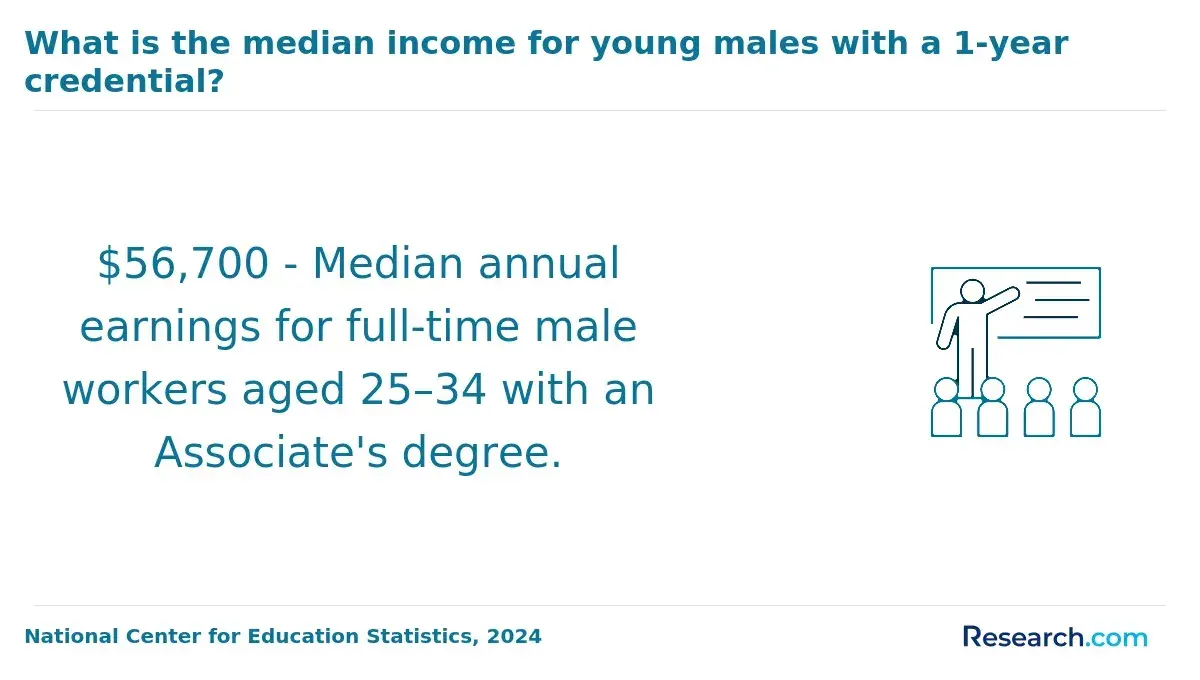
Investing two to four years in online social and behavioral sciences degrees carries distinct tradeoffs between educational level, cost, and workforce readiness. An associate degree, typically completed in about two years, offers quicker entry but is less favored by employers for behavioral health roles, which often require bachelor's credentials and carry higher starting salaries. Expect tuition costs ranging from $10,000 to $40,000 for accredited online bachelor's programs, with public universities generally being more affordable than private institutions.
Prospective students must budget beyond tuition for expenses like technology fees, textbooks, and clinical placements essential to behavioral health support programs requiring supervised fieldwork. Licensing and certification often demand additional post-graduation supervised hours, extending the timeline and financial outlay. The median annual salary for mental health and substance abuse social workers is $60,060, with top earners making over $100,000, suggesting a return on investment heavily influenced by degree level and practical experience.
Key considerations include:
- Choosing a bachelor's degree supports stronger labor market positioning but delays workforce entry compared to an associate degree.
- Part-time enrollment lengthens completion time, affecting income growth trajectories especially for working professionals.
- Programs with robust practical components align more closely with employer expectations in a competitive job market with approximately 125,910 national positions.
Evaluating these factors in context of personal career goals and financial reality is crucial for making a strategic decision that balances immediate employment needs against long-term professional sustainability.
What behavioral health support careers can you pursue with a social and behavioral sciences degree?
Entering behavioral health support roles with a social and behavioral sciences degree involves navigating significant professional tradeoffs, especially regarding licensure and practical experience. Licensed substance abuse and mental health counselors, for instance, command a median annual wage of $59,190 and a projected 17% job growth between 2024 and 2034, driven by rising demand in clinical and community settings. However, these roles require completing supervised clinical hours after graduation, which can delay workforce entry and necessitate early-stage internships or related employment.
Positions like behavioral intervention specialists typically operate within education or juvenile justice environments and emphasize behavioral assessment skills without the clinical licensure burden. Meanwhile, case managers apply social and behavioral sciences expertise to coordinate care across health, social, and legal domains, focusing on interdisciplinary communication over clinical qualifications.
The choice between pursuing clinical licensure versus broader support roles entails building different skill sets. Candidates for non-licensed positions should enhance capabilities in data management, community outreach, or program administration to maintain competitiveness. This practical differentiation affects employability and daily responsibilities within behavioral health sectors.
Graduates must strategically align their degree focus with career objectives, weighing immediate employment potential against long-term clinical qualifications and labor market realities.
What are salary expectations and job outlook for behavioral health support professionals?
Salaries for behavioral health support professionals vary significantly depending on credential level, employer type, and geographic location. For instance, health education specialists report a median annual wage of $63,000, situating them at a moderate earning level within social & behavioral sciences careers. Community health workers earn a median of $51,030, with a strong projected job growth of 11% from 2024 to 2034, reflecting increasing demand in community-based health settings.
Choosing between employment in hospitals, government agencies, or nonprofit organizations involves tradeoffs. Hospital and government roles often offer higher wages and benefits but impose stringent credentialing and continuing education requirements. Nonprofit and community-based organizations may offer lower initial pay but provide valuable experience essential for specialization or advancement.
Job stability in this field is closely tied to public health funding and policy fluctuations, introducing uncertainty. Positions emphasizing data skills, program evaluation, or culturally competent care often yield better pay and longevity. Entry-level roles typically require a bachelor's degree, whereas graduate degrees or certifications open doors to supervisory or specialized positions with corresponding salary increases.
Prospective students should weigh these variables carefully, recognizing that strategic skill development and sector choice greatly influence long-term career viability and compensation.
What licenses, certifications, or credentials are required for behavioral health support roles?
Licensure and certification directly shape opportunities and limitations within behavioral health roles, affecting both entry and advanced positions. For example, entry-level practitioners typically require credentials such as Certified Peer Specialist (CPS) or Behavioral Health Technician, which certify foundational skills for client engagement and crisis response but do not authorize clinical decision-making or insurance billing.
In contrast, clinical or supervisory roles demand credentials like Licensed Clinical Social Worker (LCSW), Licensed Professional Counselor (LPC), or Licensed Marriage and Family Therapist (LMFT), each requiring graduate education and supervised clinical hours that dramatically increase credential portability and employer acceptance.
Specialized certifications-Certified Alcohol and Drug Counselor (CADC) or Certified Addiction Counselor (CAC)-focus on substance use disorder treatment but vary widely by state, adding complexity to credential recognition across jurisdictions. For managers overseeing community programs or reentry initiatives, a bachelor's or master's in social work, psychology, or criminal justice plus relevant licensure remains standard, underscoring the importance of aligning education with role-specific requirements.
Market data from PublicHealthOnline, informed by the U.S. Bureau of Labor Statistics, identifies a median wage near $78,240 for social and community service managers and a modest 6% growth rate. This reflects not just demand but the practical necessity of verified licensing to assume full roles. Employers limit non-licensed staff in assessments and billing, creating tangible barriers to advancement.
Planning for mandatory license renewal and continuing education every two years is essential to maintain credential status. Prospective professionals must carefully navigate state reciprocity and CEU demands to avoid credential overlap or gaps that delay employment transitions.
How can you evaluate and choose a reputable, accredited online behavioral sciences program?
Not all behavioral sciences programs deliver equal workforce value; prioritizing accreditation recognized by the U.S. Department of Education or CHEA is essential to safeguard credential portability and federal aid eligibility. Students aiming to transition into roles like social and community service management should scrutinize program outcomes, including graduate employment rates and licensure pass statistics, given these directly influence job market competitiveness.
Financial investment versus earnings potential is a pivotal consideration. For instance, online master's degrees averaging $12,000 annually translate into median sector wages near $78,240, substantially outpacing bachelor's-level earnings around $45,120. This wage gap signals the practical advantage of master's credentials paired with affordable, outcome-focused training.
Applied learning elements-internships and supervised practicum-are non-negotiable for skill acquisition meeting employer expectations. Likewise, flexible course schedules and robust learner support reduce attrition risks, particularly for working professionals balancing job demands.
Faculty expertise actively engaged in behavioral sciences research or clinical practice fortifies instructional quality and relevance. Prospective students must also evaluate transfer credit policies and degree completion deadlines to align with their career pivot timelines without extending opportunity costs unnecessarily.
Other Things You Should Know About Social & Behavioral Sciences
Online social & behavioral sciences degrees often offer more flexible schedules, which can help manage workloads. However, students may still face significant challenges due to self-paced learning and fewer direct interactions, requiring effective time management and discipline to balance academic, personal, and professional commitments.
Employers recognize social & behavioral sciences degrees as valuable for foundational knowledge and skills in behavioral health support, but many prioritize candidates with certifications or licensure beyond the degree. Graduates often need to pursue additional credentials to meet employer standards in clinical or applied settings. Prioritizing programs that embed practical skills, offer connections to credential pathways, and provide fieldwork opportunities enhances employability in competitive job markets.
Breadth-focused programs cover a wider range of social science theories and methods, which can benefit students aiming for flexible roles or future graduate study. However, they may lack the depth needed for immediate behavioral health support functions. In contrast, specialized programs emphasizing behavioral health prepare students more directly for specific roles but can limit broader career mobility. Candidates should prioritize their immediate career goals and employer demands when choosing between these program types.
Completing the degree before entering the workforce allows students to build a strong academic foundation and access internships that increase employability. However, those with prior work experience often engage more deeply with academic content and outperform peers in applied learning components. For career changers, starting with experience can clarify educational goals, but formal education remains essential for advancement; prioritizing degree completion aligned with clear practical goals yields the best long-term outcomes.
References
- Mental Health Counselor Job Outlook and Salary | Bradley University Online https://onlinedegrees.bradley.edu/blog/mental-health-counselor-job-outlook
- The Emerging Field of Behavioral Health Paraprofessionals https://www.nga.org/publications/the-emerging-field-of-behavioral-health-paraprofessionals/
- The difference between social work and other behavioral health degrees https://socialwork.pacific.edu/blog/difference-between-social-work-and-other-behavioral-health-degrees
- A Complete Guide to Careers in Behavioral Health Fields https://behavioralhealth.careers/blog/careers-in-behavioral-health-guide/
- Social & Behavioral Sciences Pathway https://catalog.ccd.edu/programs-courses/academic-pathways/social-behavioral-sciences/
- NBCC | National Board for Certified Counselors & Affiliates https://nbcc.org/certification/ccmhc
- Social and Behavioral Science https://www.publichealth.org/careers/social-behavioral-science/
- 10 Careers for Social Work Majors https://www.umassglobal.edu/blog-news/careers-for-social-work-majors
- Certification, Credentials and Licensure — Regional Behavioral Health Workforce Coalition https://www.buildbehavioralhealth.org/certs-cred-license
- Health & Behavioral Sciences Majors: Explore 17 Career Paths | MajorMatch https://majormatch.me/blog/health-behavioral-sciences