2027 Best Online Bachelor's in Social & Behavioral Sciences With Family and Community Services Coursework

Co-Founder and Chief Data Scientist
Professionals in social and behavioral sciences eyeing a pivot into family and community services face an urgent challenge: securing relevant, flexible education without pausing their careers. A 2024 National Center for Education Statistics report reveals a 34% surge in adult enrollment in online bachelor's programs, signaling a shift toward accessibility that accommodates work and family commitments. This trend underscores how rigid program structures often exclude capable candidates seeking timely credentials.
Navigating this landscape requires discerning which online degrees balance rigorous coursework, practical skill sets, and proven post-graduation outcomes. This article evaluates the best online bachelor's programs offering family and community services coursework, guiding decision-makers toward pathways that optimize career mobility and real-world readiness.
Key Things You Should Know
- Programs emphasizing family and community services coursework often deprioritize advanced research methods, limiting graduates' competitiveness for data-driven roles, according to 2024 NCES degree outcome datasets.
- Employers increasingly demand interdisciplinary skills integrating social work and behavioral analytics, with BLS reporting 12% job growth in human services fields by 2032, forcing strategic curriculum choices.
- Cost disparities between public and private online bachelor's programs significantly impact accessibility, as 45% of potential students delay enrollment due to financial barriers, per a 2024 Institute for College Access study.
What is an online bachelor's in social and behavioral sciences with family and community services?
Career pivoting through an online bachelor's degree in social and behavioral sciences with family services demands a keen evaluation of cost, rigor, and employment outcomes. Students balancing work often face challenges integrating internships or remote fieldwork needed for hands-on exposure, which impacts progression timelines and expenses. The average annual tuition disparity - about $9,678 at public in-state versus $38,768 at private institutions - highlights significant financial considerations, especially when advanced licensure is rarely a prerequisite for entry-level roles in community services.
This bachelor's program in social and behavioral sciences focusing on community services equips graduates to fill roles such as case managers or community service coordinators who translate social theory into practical intervention strategies. Employers prioritize candidates skilled in data-driven program evaluation and culturally competent outreach, particularly for demographics like urban youth where conflict resolution and resource management are essential.
Key decision factors include program accreditation, real-world practicum integration, and the transferability of credits during mid-course institution changes, which can extend time-to-degree and increase cost. Accessibility of flexible scheduling and student support services further distinguishes programs capable of reducing attrition in this demanding academic field.
For those interested in related fields, resources for comparative analysis include the social media marketing major, illustrating how interdisciplinary skills can complement community outreach roles in evolving labor markets.
How does an online social and behavioral sciences bachelor's compare to a campus program?
Online social and behavioral sciences bachelor degrees with a family and community services focus offer flexibility but pose distinct challenges compared to campus programs. Employers weigh identical foundational skills such as case management, crisis intervention, and community outreach regardless of delivery mode. However, students in online programs must independently arrange field placements or internships, a task campus programs usually manage through established local partnerships. Without these experiential opportunities, practical skill development risks falling short despite adequate theoretical knowledge.
For example, a student seeking a career in child welfare who completes an online program from another state often faces the burden of securing supervised practicum hours that meet specific state licensing requirements. This early-stage logistical hurdle increases administrative effort and delays workforce entry. Campus options, by contrast, streamline networking and provide on-site resources that can accelerate job placement.
The benefits of online social and behavioral sciences programs in the United States lie chiefly in schedule adaptability for self-directed learners but come with tradeoffs related to less direct faculty interaction and cohort support. Graduates from both online and campus tracks undergo the same credentialing process, making program reputation and accredited practicum partnerships critical factors for employability.
Employment for social and human service assistants is projected to grow 9% from 2022 to 2032, nearly double average job growth, emphasizing the need for practical, verifiable skills on resumes.
Prospective students exploring an online pathway should also consider comparing offerings among online psychology master's programs to identify programs aligning with their career goals and practical constraints.
Which accredited schools offer online social and behavioral sciences degrees with community services?
Choosing an accredited online social and behavioral sciences degree program with community services coursework requires careful consideration of practical tradeoffs related to flexibility, regional accreditation, and workforce relevance. Institutions like Arizona State University and Southern New Hampshire University provide programs aimed at adult learners balancing work and education, but prospective students must assess whether their schedules align with asynchronous coursework and the availability of local fieldwork or practicum placements. These experiential components are often crucial for meeting employer expectations in nonprofit and public social service roles, making program practicalities a decisive factor.
The curriculum typically emphasizes applied skills such as case management and program development, which are essential for transitioning into or advancing within community-focused careers. For example, a mid-career professional moving from corporate HR to community outreach could benefit from online course structures tailored to working adults.
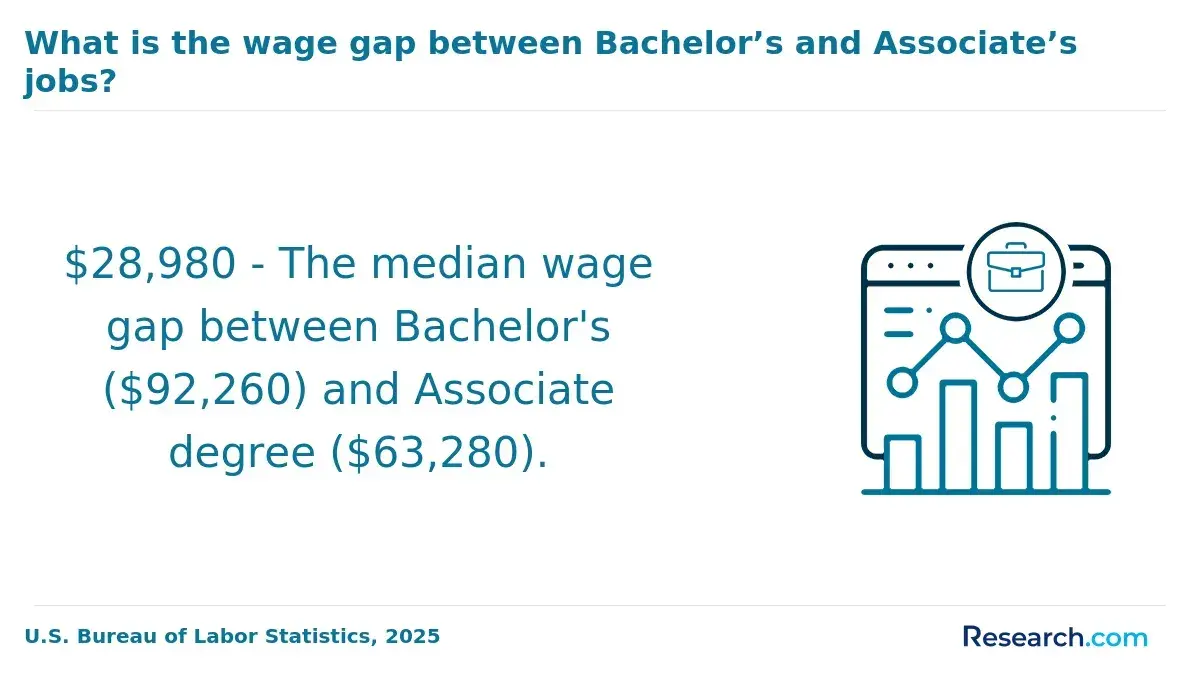
OnlineU's 2026 data indicates that 74% of degree seekers in this area are 25 or older, reflecting the predominantly nontraditional demographic. Successful programs often combine targeted student support with career services to help navigate this complex career pivot. Besides institutional fit, evaluating graduate outcomes is critical to confirm the degree's alignment with long-term employment goals.
For those exploring affordability alongside these factors, reviewing options like a psychology online degree can provide insight into cost-effective pathways within social and behavioral sciences.
What coursework and concentrations focus on family and community services in these programs?
Emphasizing family systems theory, family and community services coursework in online bachelor's programs prepares students to navigate complex family and community dynamics crucial to agencies addressing issues like child welfare and mental health crises. Over 80% of curricula mandate family dynamics or family systems theory, reflecting employer demand for professionals skilled in systemic intervention but lacking clinical licensure preparation.
Typical concentrations in family and community support services include:Family Systems: Analyzing interrelations within family units to craft targeted support strategies.Community Interventions: Learning to deploy programs that leverage community resources for vulnerable populations.Behavioral Science Foundations: Building understanding of behavior within social contexts.The practical focus equips graduates for roles requiring rapid situational assessments, such as social work in public health or nonprofit sectors prioritizing family preservation.
However, workforce expectations compel professionals to balance administrative case management and culturally competent direct services, often within under-resourced settings where documentation demands compete with client engagement.Prospective students evaluating this pathway should consider that while many bachelor's programs lack clinical licensure preparation, they deliver valuable community engagement skills and systemic perspectives necessary for multidisciplinary teams. Those interested in clinical roles may need to pursue additional certifications or an accelerated masters in counseling to meet licensure requirements.
What admission requirements and prerequisites do online social and behavioral sciences programs have?
Admission to online bachelor's programs in social & behavioral sciences focused on family and community services requires more than basic academic credentials; it reflects both readiness and alignment with workforce demands. A high school diploma or equivalent plus a minimum GPA around 2.5 to 3.0 represent baseline filters, but standardized testing is becoming less of a barrier as test-optional policies grow.
Programs consistently emphasize foundational knowledge through prerequisites like introductory psychology or sociology, crucial for handling complex family and community service topics later. For working professionals aiming to pivot careers, evidence of relevant experience or recommendation letters often replaces purely academic measures, reflecting the applied nature of the field.
The sector's workforce realities shape admissions: for example, data from Walden University shows over 60% of graduates from their BS in Human Services move into roles such as case management or family services within government and nonprofit sectors. Employers prioritize ethical preparation and practical skills, so background checks and demonstrated readiness are standard requirements.
Applicants must also evaluate logistical factors-such as reliable internet and time management-to maintain progress in an online format. Admissions interviews or screening questionnaires help identify candidates capable of managing these demands, which directly affects retention and eventual employment success.
How long do online social and behavioral sciences bachelor's programs take, and what do they cost?
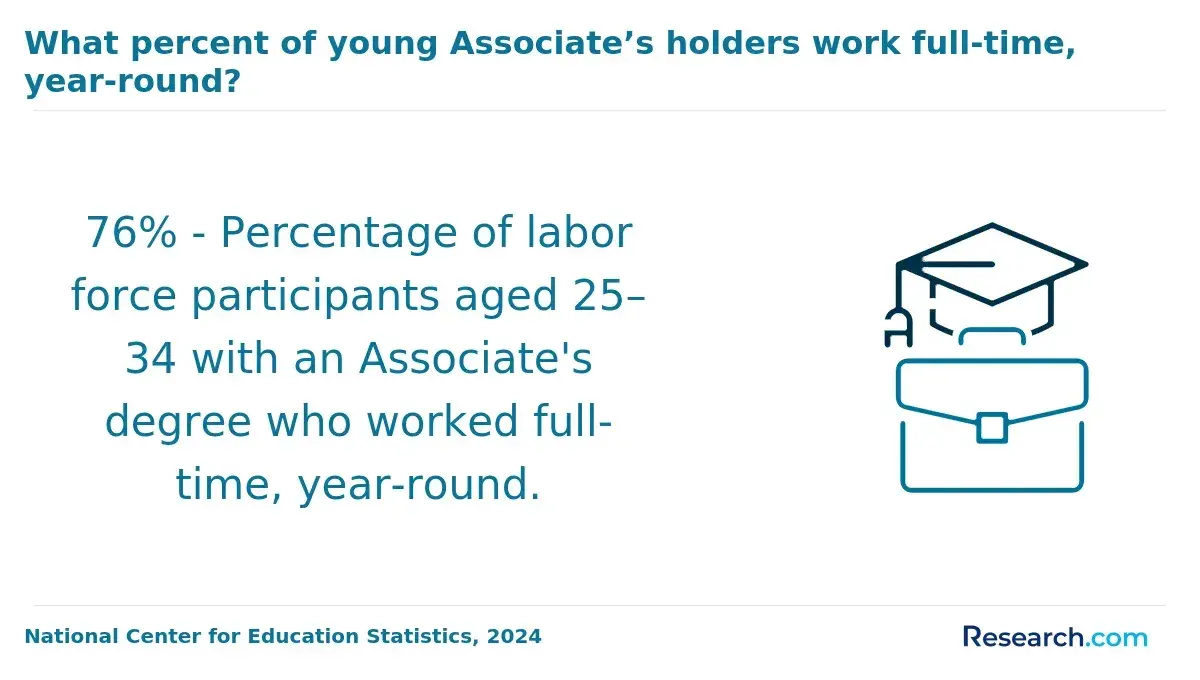
Choosing between accelerated and traditional bachelor's programs in social & behavioral sciences with family and community services coursework shapes both time-to-degree and total cost significantly. Full-time students generally complete these programs in four years, but leveraging transfer credits and year-round study can reduce this to three. Part-time learners balancing employment and family often extend to five or six years, amplifying indirect expenses such as fees, materials, and opportunity costs.
Cost disparities hinge on institution and residency: public universities may charge $5,000-$15,000 annually for in-state online enrollees, while private or out-of-state options range up to $40,000 per year. Beyond tuition, technology fees and practicum-related travel can add $500-$2,000 annually, especially in programs emphasizing community engagement-a key factor valued by employers. Such practicum components, while enhancing employability, may also increase duration or expenses.
Social and community service managers commanding median wages near $79,550, with top earners exceeding $126,800, illustrate the financial stakes linked to educational investment. Working professionals must weigh extended program length and incremental costs against flexible scheduling advantages and employer support. Evaluating total cost of attendance, including indirect charges and program rigor, is essential to ensuring alignment with real-world job market outcomes and long-term career strategy.
- Four years typical for full-time students, three with accelerated options
- Costs vary widely: $5,000-$40,000 yearly tuition plus additional fees
- Practicum experience valued but can increase cost and time
- Median wages ($79,550) highlight return on investment considerations
What careers can you pursue with a social and behavioral sciences degree in family and community services?
Social and behavioral sciences degrees with a focus on family and community services align closely with workforce roles emphasizing client support, advocacy, and service coordination under complex systemic conditions. Professionals such as case managers or family service coordinators must integrate behavioral theory with practical resource navigation to meet diverse client needs and regulatory requirements.
For instance, a family service coordinator in a nonprofit setting balances direct client assessment and referral with documentation compliance-a dual demand that employers prioritize alongside caseload management skills. Such roles often require proficiency in trauma-informed approaches and interagency collaboration, which are refined through both education and field experience.
Educational cost and delivery format strongly shape access to these careers. Online social work programs charging per-credit tuition as low as $289 (e.g., University of Alaska Fairbanks) contrast sharply with typical in-state rates exceeding $8,700 annually, impacting who can practically pursue licensure or certification pathways. Flexible online options support working adults maintaining income streams while upskilling, a necessary accommodation given the profession's skill and credential expectations.
- Entry-level wages commonly range from $35,000 to $50,000, with progression tied to credential acquisition and specialized skills.
- State-specific licensure and funding variability require prospective students to carefully assess program outcomes within local labor market contexts.
- Continuous education and verified practical hours remain essential for advancement beyond initial roles.
What salary ranges and advancement opportunities exist in family and community services roles?
Family and community services roles present a defined salary progression influenced heavily by specialization and credentialing. Entry-level positions typically start between $40,000 and $55,000 annually, while mid-career professionals earn from $60,000 to $75,000. Advanced roles, such as program directors or policy coordinators, can earn upwards of $85,000, but reaching these levels usually requires targeted education combined with practical experience.
For example, a case manager acquiring a certificate in public health may shift to a community health advocate role, unlocking leadership opportunities tied to higher pay and greater responsibilities. Without such credentials, professionals often encounter wage ceilings at frontline positions. Employers increasingly value demonstrable skills in data analysis, grant writing, and stakeholder coordination-abilities critical to navigating evolving policy landscapes in family services.
Nearly 40% of top online social & behavioral sciences programs introduced concentrations or certificates focused on child and family services, community advocacy, or public health, aligning education with employer demands. Yet, pursuing additional certifications requires balancing time investments against tangible salary uplifts and promotion prospects.
Those weighing educational pathways must consider how specialized knowledge directly correlates with career momentum in government, nonprofit, and health advocacy sectors. Ultimately, measurable program outcomes and adaptability weigh heavily in hiring decisions, making practical experience alongside formal credentials indispensable for advancement.
Are licenses or certifications needed for family and community services and related roles?
Licensure and certification requirements profoundly shape career trajectories in social & behavioral sciences, particularly for roles involving clinical or therapeutic interventions. For example, pursuing a Licensed Clinical Social Worker (LCSW) credential entails completing accredited degrees, amassing 2,000 to 4,000 supervised post-degree hours, and passing rigorous exams. This process positions a bachelor's degree in social & behavioral sciences as an essential but insufficient milestone, requiring strategic planning for graduate education and extended fieldwork.
By contrast, positions focused on case management, outreach, or program coordination frequently do not require licensure but benefit from certifications that validate specialized expertise. This delineation impacts employability and permissible responsibilities within healthcare, mental health, and social service settings, where regulatory compliance and client safety govern hiring priorities.
Online accredited BSW programs typically mandate 400 to 480 supervised practice hours during the degree, providing valuable experiential learning but falling short of licensure prerequisites. Therefore, graduates must anticipate additional supervised clinical hours post-graduation to qualify for clinical roles.
Prospective students should weigh these factors carefully:Licensure demands substantial time beyond undergraduate studies, influencing the total investment required.Certifications can enhance employability in non-clinical roles without the burden of licensure.Employer expectations align closely with state-specific regulations, making the distinction between credential types critical to career planning.
How can you evaluate and choose a reputable online social and behavioral sciences program?
Choosing an online social & behavioral sciences program requires more than accreditation verification; it demands a clear-eyed assessment of how well the curriculum aligns with real-world job functions and licensure pathways. For example, students targeting roles in community services should prioritize programs that offer strong practicum partnerships with local agencies enabling direct client interaction, rather than purely theoretical coursework. This practical experience is a pivotal factor distinguishing employable graduates from those facing challenges entering the workforce.
Beyond course content, program transparency in outcomes such as graduation rates, certification exam pass rates, and graduate employment data is critical for gauging return on investment. Considering that over one-third of online bachelor's human services graduates advance to graduate studies in social work or counseling-as detailed in a 2025 Learn.org study-programs with established articulation agreements and demonstrated alumni success are preferable for those intending to continue education.
Students must also evaluate faculty expertise and whether the online environment provides sufficient support and technology flexibility, especially for working professionals balancing multiple responsibilities. Financial considerations should include available aid and potential employer subsidies in high-demand fields to avoid undue financial strain and maximize educational ROI.
Other Things You Should Know About Social & Behavioral Sciences
Online social & behavioral sciences programs with family and community services coursework in 2027 can be demanding. Students often manage coursework alongside personal and professional responsibilities. While flexible, these programs require significant self-motivation and time management skills to meet academic requirements effectively.
Preparation quality varies widely across programs. Strong programs integrate experiential learning, such as virtual internships or community-based projects, directly addressing employer demand for practical skills alongside theory. Graduates from programs lacking these components often face gaps in real-world problem-solving and professional readiness. Prioritize programs known for hands-on experience and employer-aligned competencies when planning to enter or advance within this workforce.
A broader social & behavioral sciences degree offers flexibility in career paths but may dilute expertise in family and community services, making it harder to compete for specialized roles. In contrast, a focused family and community services concentration improves immediate job relevance but limits options outside those fields. Students should weigh their long-term career goals: specialization favors direct service roles and community organizations, while a broader degree suits those seeking adaptable skills across social science sectors.
Acceptance depends heavily on program reputation and graduate outcomes rather than online delivery alone. Employers increasingly recognize accredited online degrees if graduates demonstrate core competencies and relevant experience. However, some traditional employers in public agencies or clinical settings may still prefer campus degrees due to perceived rigor or networking advantages. Prospective students should seek programs with strong professional networks and internship opportunities to offset any bias against online credentials.
References
- Career Pathways with a Community Services Certification | Insight Training https://insight.edu.au/blog/career-pathways-gaining-community-services-certification/
- Social Work Jobs That Don’t Require A License | Pacific Oaks https://www.pacificoaks.edu/voices/social-work/social-work-degree-careers-dont-require-license/
- Bachelor’s Behavioral Science Degrees | University of Phoenix https://www.phoenix.edu/online-behavioral-sciences-degrees/bachelors.html
- Introduction to Family and Human Services | CTE Resource https://www.cteresource.org/career-clusters/human-services/introduction-to-family-and-human-services-1/
- Education Requirements for Family Services Managers and Staff | HeadStart.gov https://headstart.gov/publication/education-requirements-family-services-managers-staff
- Human Services Online - Saint Mary-of-the-Woods College https://www.smwc.edu/departments/social-behavioral-sciences/human-services-online/
- Online Family & Community Services Graduate Programs https://www.idea.edu/program/family-community-services
- Start a career in community work https://www.communitywork.org.au/students/start-a-career-in-community-work
- Family and Community Services https://www.aafcs.org/credentialing-center/pre-pac/portfolio/family-community-services
- 7 Careers You Can Start with a Community Services Course | Hader https://www.haderinstitute.edu.au/news/career-paths-to-pursue-with-community-services-courses