2027 What Jobs Can You Get After RN to BSN?

Co-Founder and Chief Data Scientist
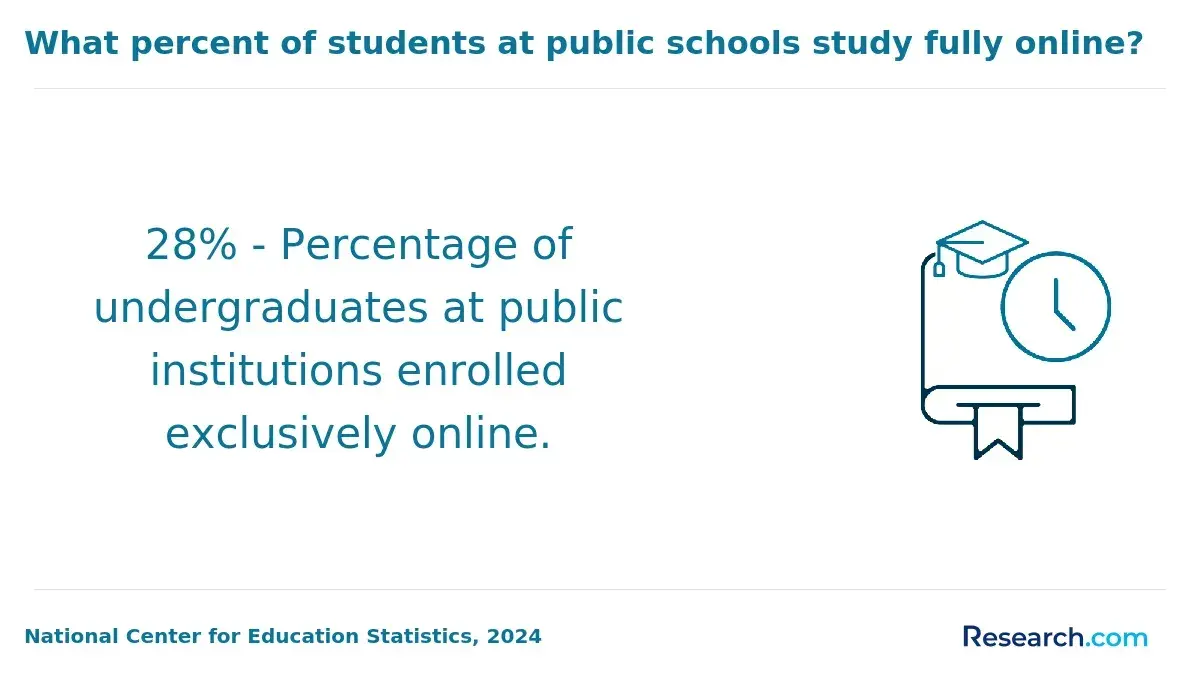
Facing a career crossroads with an associate degree in nursing, many RNs struggle to gauge which roles genuinely open after earning a BSN amid evolving healthcare demands. While online RN to BSN programs expanded enrollment by over 15% since 2023 according to the National Center for Education Statistics, flexibility in course delivery often masks varied employer preferences and regional licensure nuances that influence job placement. This growing availability shifts but doesn't erase the challenge of aligning advanced credentials with realistic scope-of-practice gains and institutional hiring standards. This article identifies concrete job options deriving from RN to BSN programs and clarifies their practical career implications, enabling targeted, informed decisions.
Key Things You Should Know
- BSN graduates see 19% higher median incomes in specialty nursing roles, per 2024 U.S. Bureau of Labor Statistics data, but face up to 18 months of educational and financial investment delaying income growth.
- Hospitals increasingly require BSN for leadership or clinical career tracks, with 56% of U.S. facilities mandating statewide BSN hiring by 2025, signaling narrowing opportunities for diploma or ADN nurses.
- RNs with BSNs enter more diverse sectors like public health or case management, enlarging career scope; however, workforce surveys reveal 23% report credentialing complexity as a barrier to timely job transitions.
What career advancement opportunities open up after completing an RN to BSN program?
Moving from an ADN to a BSN credential opens access to nurse manager, clinical specialist, and educator roles that ADN training alone generally cannot support. For example, nurse manager positions demand skills in healthcare policy, data-driven decision-making, and interdisciplinary collaboration that BSN programs specifically build. Employers increasingly tie these expanded responsibilities to the completion of RN to BSN programs, creating a practical employment barrier for ADN-only nurses.
The income disparity between ADN and BSN nurses illustrates this divide. Registered nurses with a BSN earn an average of $92,000, compared to $76,000 for those with an ADN, pointing to roughly a 21% pay difference. This wage gap aligns with elevated duties, specialty certification requirements, and quality improvement involvement typically expected from BSN-prepared nurses.
Jobs available after completing an RN to BSN program also include community and public health nursing, where broader training in population health and research methods plays a decisive role. In critical care and pediatrics, enhanced clinical judgment and leadership emerge as distinct advantages, though many specialties require further certification beyond the BSN credential.
Given emerging "BSN in 10" mandates in several states, nurses without a BSN may face career stagnation unless they continue their education. Practical details such as the cost of RN to BSN programs will impact the feasibility of making this professional shift.
What specific nursing jobs can you get with a BSN compared to an RN diploma?
Positions that require broader clinical expertise and leadership skills increasingly favor nurses with a BSN over those holding only an RN diploma. Nursing career opportunities with a BSN vs RN diploma differ sharply, with diploma-prepared RNs largely restricted to bedside care, while BSN graduates qualify for roles like nurse manager, public health nurse, or clinical nurse leader, which demand critical thinking and population health knowledge. For example, hospitals prefer BSN holders for management roles due to their training in healthcare systems and organizational leadership, limiting advancement prospects for those without a bachelor's degree.
Further, community health and case management positions rely on interpreting health data and preventive strategies, skills emphasized in BSN curricula but often absent from diploma programs. Diploma RNs may fill essential staffing roles in clinical settings but face career stagnation without transitioning, whereas BSN completion opens doors to diversified nursing jobs after BSN completion with added responsibility and higher pay.
Employment trends show a steady demand for nurses equipped with advanced competencies reflected in the BSN curriculum, with a median annual wage of $93,600 and projected growth faster than average, according to the U.S. Bureau of Labor Statistics. For those balancing practical constraints, exploring the cheapest online accelerated BSN programs offers a strategic route to access these expanded opportunities.
How does earning a BSN impact nurse salary potential and pay differentials?
Nurses holding a BSN degree see meaningful salary increases driven by access to specialized and leadership roles that typically pay $15,000 to $30,000 more annually than traditional RN bedside positions. For example, Arkansas State University data shows nurse managers with a BSN averaging $85,060 and nurse consultants earning approximately $99,362, highlighting distinct pay differences between RN and BSN nurses. These figures emphasize that the degree enhances both earning potential and role diversity beyond bedside care.
Employers increasingly require or favor BSN-prepared nurses for leadership, care coordination, and quality improvement roles, often tying pay scales directly to educational credentials. RNs without a BSN may encounter stalled salary growth and restricted advancement. Prospective students must weigh these tangible pay premiums and expanded career pathways against the investment of time and financial resources inherent in RN to BSN programs.
Real-world decision-making involves evaluating program format and duration to minimize opportunity costs-for example, accelerated or online RN to BSN programs can shorten the timeline. Additionally, verifying employer pay policies is crucial since not all institutions consistently apply differential salaries for BSN qualifications. Such financial and operational realities intersect with career ambitions in ways that shape long-term professional stability.
For nurses considering further education, understanding these nuances can also inform potential future steps like pursuing a PhD nursing degree, which may unlock additional leadership or specialized opportunities.
What leadership, management, and administrative roles become accessible with a BSN degree?
Access to nursing administration and management careers requires more than clinical proficiency-BSN leadership roles in nursing administration have become a firm prerequisite for supervisory positions. For example, a nurse manager in a medium hospital leads about 20 nursing staff, balancing budgeting, staffing compliance, and conflict resolution, all while collaborating with interdisciplinary teams. Employers increasingly prefer BSN-prepared candidates to fill these roles because the degree provides critical thinking and leadership training absent in RN-only credentials.
This shift reflects workforce realities: by 2021, over 40% of healthcare institutions hired exclusively BSN-prepared nurses for leadership jobs-up from 30% ten years prior-signaling promotion barriers for those without this degree, especially in formal supervisory or administrative posts. The administrative track often expands into specialized roles such as infection control specialists or discharge planning coordinators, where broader knowledge of healthcare systems directly influences operational outcomes and regulatory compliance.
Working nurses must weigh the practical demands of RN to BSN programs, including balancing advanced coursework on leadership theories and informatics alongside full-time duties. Flexible scheduling in some programs, as well as preparing for certifications like nurse executive or case management, can help manage this load. For nurses considering advanced trajectories, options like a 1 year MSN to DNP program online may represent a further step beyond the BSN.
How does a BSN prepare nurses for specialized clinical areas and unit-based roles?
The BSN credential signals readiness for complex clinical environments by extending competencies beyond basic patient care to include leadership, evidence-based practice, and health management at the population level. In specialized units such as neurocritical care, nurses with BSN training employ advanced assessment techniques and enhanced interdisciplinary communication not emphasized in ADN tracks. These skills improve patient outcomes and facilitate collaboration with healthcare teams.
Employers prioritize BSN-prepared nurses for roles involving unit management, clinical education, and quality improvement initiatives. Public health and community nursing demand additional expertise in epidemiology and health promotion, areas where BSN curricula provide a critical advantage. According to the American Association of Colleges of Nursing, 77.4% of healthcare employers strongly prefer BSN certifications, signaling broader workforce trends favoring versatility.
For nurses, the absence of a BSN can restrict access to leadership positions or specialty roles that require competencies in informatics, policy analysis, or advanced clinical protocols. RN to BSN programs bridge this gap without excessive retraining by focusing on relevant professional requirements and advanced clinical practicum exposure.
Prospective students must weigh the extended educational time and practicum commitments against the potential for quicker credential upgrades and increased autonomy in specialized settings, positioning them competitively for roles that demand certification and enhanced clinical expertise.

What non-bedside and alternative career paths are available to BSN-prepared nurses?
BSN-prepared nurses expand their professional options beyond bedside care, applying their clinical expertise and leadership in diverse roles essential to modern healthcare systems. For example, in case management, nurses actively coordinate care across multiple providers and payers, directly impacting patient outcomes by reducing hospital readmissions. This role demands not only clinical knowledge but also strong communication and coordination skills, reflecting a shift toward integrated care models.
Quality improvement and public health nursing illustrate contrasting yet complementary alternatives. The former focuses on protocol development to meet regulatory demands and improve safety, which is increasingly scrutinized during accreditation reviews. Public health roles, by contrast, engage with community education and health policy initiatives, influencing population-level disease prevention strategies.
Informatics nursing represents a strategic growth area, requiring BSN nurses to manage electronic health records and clinical data systems-a transition often necessitating additional certification but offering robust prospects amid healthcare's digital evolution. Academic health education and corporate wellness programs leverage BSN skills differently, emphasizing curriculum design and targeted health promotion for chronic disease and lifestyle changes.
Leadership and administrative tracks typically require further education beyond the BSN and entail budget oversight and policy guidance. Employers show a strong preference for BSN credentials in specialized clinical roles-88.4% according to a Sacred Heart University study-signaling its continued importance even for non-bedside care. However, success in hybrid or non-clinical roles often hinges on supplementary certifications, healthcare system experience, and data management expertise.
How does a BSN influence eligibility for advanced practice nursing and graduate programs?
Holding a BSN directly affects eligibility for advanced nursing roles and graduate programs by meeting minimum academic criteria that associate degrees or diplomas do not. For nurses with significant clinical experience, such as working multiple years in critical care, the degree complements practical skills with necessary coursework in pharmacology and pathophysiology required for nurse practitioner or clinical specialist programs.
Beyond academic prerequisites, nursing master's and doctoral tracks expect BSN-prepared applicants to exhibit research literacy and population health awareness, factors linked to higher graduate success and certification pass rates. However, admission also depends on other variables like standardized test scores, GPA minimums, and clinical hour completions. Some accelerated pathways combine BSN and MSN studies, demanding intensive dedication but reducing total completion time.
From an employment perspective, BSN credentials increasingly align with employer preferences in telehealth, travel nursing, and remote care, where advanced competencies enable expanded roles and responsibilities. For instance, data from Arkansas State University's 2024 TravelNursing report estimate a median annual pay of about $88,400, reflecting the financial incentives tied to BSN qualifications in specialized practice settings.
For registered nurses evaluating rn to bsn programs, the degree functions as a strategic academic and professional gateway, broadening pathways into specialized tracks while imposing commitments in additional coursework and potential testing, all balanced against improved market positioning and advanced clinical access.
What BSN-required roles exist in public health, community health, and school nursing?
BSN-prepared nurses occupy distinct leadership and specialized roles in public, community, and school health sectors that go beyond the scope of associate or diploma credentials. For example, public health nurses with a BSN lead community assessments and epidemiological analyses, requiring strong clinical judgment and policy fluency not typically demanded in entry-level positions. These roles often entail supervising nursing teams and coordinating with agencies, elevating responsibilities beyond bedside care.
Community health nursing under a BSN emphasizes managing chronic illness programs, maternal-child health initiatives, and vaccination efforts, necessitating skills in population health strategies and grant writing. In school health settings, the increase in chronic and mental health issues has spurred a preference for BSN-qualified nurses who can develop health policies, conduct complex screenings, and coordinate individualized care plans.
Financially, these leadership and educational roles offer a clear premium. According to Salary.com data cited by Youngstown State University, BSN-prepared nurse administrators earn an average of $96,487 annually, indicating the economic value of the advanced qualifications despite the added time and cost invested in RN to BSN Programs.
However, candidates should assess the expanded demands such as multitasking across clinical, administrative, and policy functions that a BSN entails. Prospective students must consider whether the complexity of these roles aligns with their career objectives and capacity to integrate leadership with clinical expertise.
How does a BSN affect hiring preferences in hospitals, Magnet facilities, and health systems?
Employers in Magnet facilities and advanced health systems increasingly require BSN-prepared nurses, reflecting a shift in staffing policies that prioritize educational credentials closely tied to measurable clinical outcomes. A BSN is often not just preferred but mandated for entry-level roles in institutions committed to accreditation standards that emphasize nursing excellence and continuous staff development.
In practice, holding a BSN expands a nurse's access to roles involving patient education, care coordination, and quality improvement projects that are typically unavailable to ADN-only nurses. For example, a health system scaling population health initiatives will usually select BSN-prepared nurses who can apply evidence-based practice and collaborate across disciplines effectively.
Data from the AACN's 2024 employment survey revealed that 96% of entry-level BSN graduates secure job offers within 4-6 months-a markedly faster hiring pace compared to nurses without the degree. This speed indicates the BSN's value as a tangible indicator of critical thinking and adaptability to evolving healthcare technology.
Students pursuing the RN to BSN Programs post-licensure should prepare for potential employment gaps unless enrolling in part-time or flexible online curricula. Weighing upfront time and financial investment against the pronounced hiring preference and expanded career scope within Magnet and advanced clinical settings is essential for informed decision-making.
What certifications and professional credentials become more accessible with a BSN degree?
Nurses holding only an associate degree face substantial limitations in accessing leadership and specialty certifications that increasingly require a BSN credential. The Certified Nurse Manager and Leader (CNML), Certified Public Health Nurse (CPHN), and Clinical Nurse Leader (CNL) certifications often mandate or prefer a baccalaureate degree, directly affecting eligibility for roles involving population health, clinical oversight, and management.
Without a BSN, pursuing specialty certifications such as oncology nursing (OCN), critical care (CCRN), or pediatric nursing (CPN) becomes impractical, restricting advancement opportunities beyond bedside care. These credentialing pathways not only increase salary potential but also position nurses for roles requiring advanced clinical or administrative expertise.
Employer demand favors BSN-prepared nurses due to demonstrated competencies in evidence-based practice, care coordination, and community health-core elements for many accredited certifications and magnet recognition standards. For example, a registered nurse with an associate degree aiming to become a Certified Nurse Educator (CNE) risks career stagnation without first obtaining a BSN, which also serves as groundwork for graduate-level advanced practice certification.
Pragmatically, nurses evaluating RN to BSN programs should weigh how the degree extends access to in-demand credentials, supports transitions into specialized or leadership roles, and affects long-term employability. Data from Montana State University Billings indicates full employment among recent RN to BSN graduates, reinforcing the credential's instrumental value for nurses targeting sustainable career progression.
Other Things You Should Know About RN to BSN Programs
In 2027, online RN to BSN programs are generally respected by employers, provided they are accredited. Accreditation ensures that the program meets industry standards, making the difference between online and traditional formats less significant.
RN to BSN programs tend to require substantial time management skills because students often juggle full-time work and coursework simultaneously. Program structures vary widely; some offer asynchronous classes for flexibility, but others have fixed schedules or in-person requirements. Prospective students should assess the program's workload intensity and format against their current job demands to ensure they can meet both without burnout or compromising academic performance.
Completing an RN to BSN program after acquiring 1-3 years of clinical experience often enhances comprehension of the coursework by relating theory to practice. Employers may value a balance of work experience and education, which combines practical skills with academic credentials. Those who delay the degree for experience should plan for potential schedule challenges, as working nurses face more competing responsibilities than new graduates when enrolling.
No separate license is required for most leadership or public health roles after an RN to BSN. The BSN is an academic credential; employers usually require an active RN license, a completed BSN, and sometimes 1 to 2 years of bedside experience for charge nurse or case management positions.
References
- The Best Nursing Certifications You Can Earn Online | Prolink https://prolinkworks.com/perspectives/nursing-certifications-online-take-your-career-further-from-home
- BSN vs. ADN Salary: How Much More Can a BSN Nurse Earn? https://www.wanderly.us/blog/bsn-nurse-salary/
- BSN Salary Guide: Average Salary of a BSN Nurse by State, Entry-Level Salaries, and Highest Paying BSN Jobs in 2024 https://nightingale.edu/blog/bsn-salary.html
- What Can You Do With a BSN? | University of Phoenix https://www.phoenix.edu/articles/nursing/what-can-you-do-with-a-bsn.html
- Nurse Leadership Development: Transitioning From Bedside to Administrative Roles | IWU https://www.indwes.edu/articles/2025/11/nurse-leadership-development-transitioning-from-bedside-to-administrative-roles
- Alternative jobs for nurses: 11 derivative nursing jobs in 2026 https://www.sermo.com/resources/nurse-alternative-careers/
- 10 Nursing Career Advancement Ideas https://credenzahealth.com/career-advice/10-nursing-career-advancement-ideas
- APN vs BSN: Which Nursing Degree Should You Pursue? - Better Nurse https://betternurse.org/apn-vs-bsn/
- 8 Nursing Careers You Can Get with a BSN https://www.nec.edu/news/8-nursing-careers-you-can-get-with-a-bsn
- What Does It Take to Become a Nurse Administrator? https://www.allnursingschools.com/specialties/nurse-leadership-administration/