2027 RN to BSN Scholarships for Working Nurses

Co-Founder and Chief Data Scientist
Nurses balancing 40-hour workweeks with family commitments face intense pressure when seeking a BSN degree, often hindered by tuition costs and inflexible schedules. The shift toward online and hybrid learning has expanded access, with the National Center for Education Statistics reporting a 12% rise in post-licensure nursing program enrollments since 2022. This trend indicates a growing preference for adaptable formats that accommodate working RNs. Understanding which scholarships effectively reduce financial barriers while aligning with diverse RN to BSN program structures is vital for timely degree completion and subsequent career advancement. This article examines current RN to BSN scholarships tailored to working nurses, enabling informed funding decisions aligned with program demands and personal constraints.
Key Things You Should Know
- Scholarships frequently cover only part of tuition, pushing nurses to balance debt against accelerated career progression; the National Student Clearinghouse notes 42% of RN to BSN candidates finance education with loans, affecting long-term financial planning.
- By 2026, 75% of U.S. hospitals will require BSN-prepared nurses for clinical roles, per the American Association of Colleges of Nursing, shaping employer demand and reinforcing credential-driven hiring practices in patient care settings.
- Many scholarships mandate completion within 18 months to retain funding eligibility, intensifying time constraints for working nurses and necessitating tradeoffs between educational pace and workplace stability.
What types of RN to BSN scholarships are available specifically for working nurses?
Employer-sponsored scholarships for working nurses primarily function as workforce retention tools, typically requiring recipients to continue employment for a specified time after receiving tuition support. This model offsets educational debt-significant given that nearly half of registered nurses report debt with a median balance around $21,000, according to Health Resources and Services Administration data-and directly ties financial relief to career stability. However, such agreements can limit nurses' flexibility to change employers or geographic regions, which may impact long-term career trajectories.
State and federal grants, often contingent on licensure and employment within local healthcare systems, incentivize service in underserved areas but demand careful alignment of application timing with application deadlines-no small task for nurses managing irregular shifts. These grants represent a key financial aid option for employed nurses pursuing RN to BSN degrees while balancing workforce demands.
Private foundation scholarships offer greater adaptability, frequently targeting nurses committed to specialties like geriatrics or pediatrics or addressing diversity and rural care shortages. Their flexible disbursement schedules can accommodate full 12-hour shift rotations or family obligations, mitigating stress related to payment timing or lump-sum obligations.
Deciding between employer-sponsored service commitments and private scholarship flexibility can profoundly influence nurses' educational and professional planning. Those prioritizing schedule adaptability might explore options such as the RN to BSN online no clinicals accredited programs, which better align with complex working nurse schedules while minimizing clinical hour requirements.
How can working RNs qualify and apply for RN to BSN scholarship programs?
Qualification for RN to BSN scholarships hinges on evidence of current RN licensure and active employment, with many programs requiring employer sponsorship or demonstration of clinical hours. Application steps to apply for RN to BSN scholarship programs for employed nurses typically include submitting academic transcripts confirming an accredited associate degree or diploma, maintaining a GPA usually between 2.5 and 3.0, and providing documentation of ongoing nursing work, particularly in underserved or specialty settings where competition intensifies.
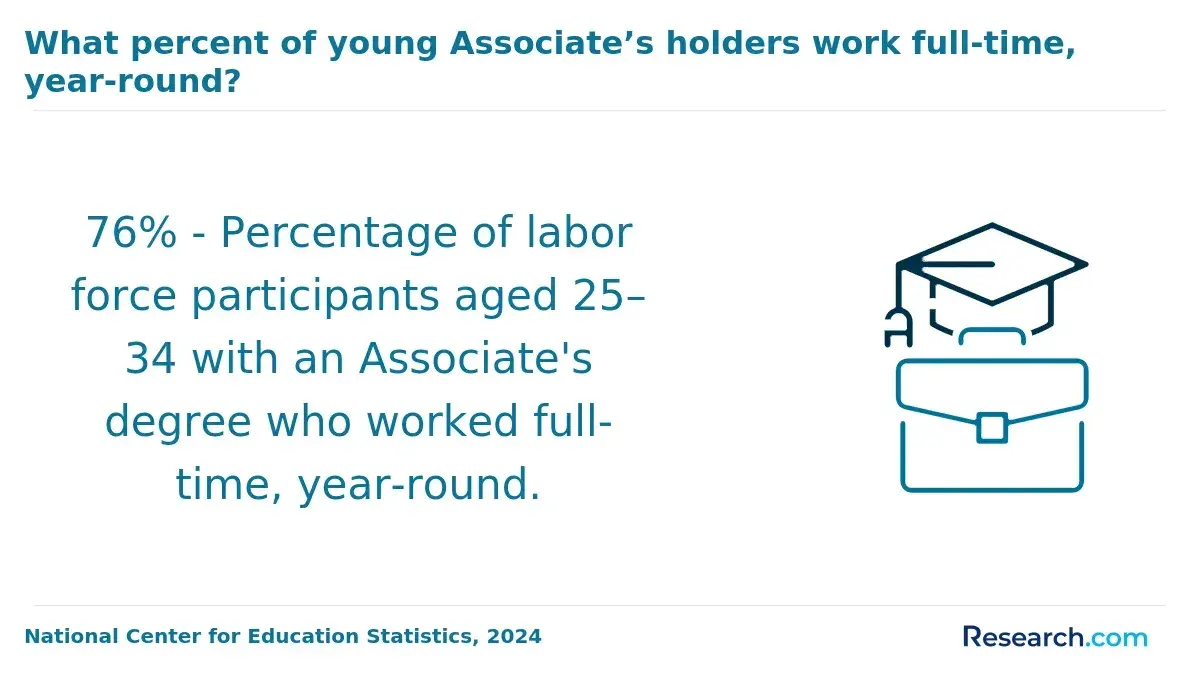
The financial tradeoffs are significant. With average annual public BSN tuition around $9,380 compared to $3,780 for associate nursing programs, working nurses must weigh scholarships against potential income loss from reduced work hours. Employer tuition reimbursement can offset costs but often comes with service obligations limiting scheduling flexibility. This calculus is crucial for those balancing full-time work and education demands.
Applicants should prepare a thorough packet including recommendation letters, a personal statement outlining career objectives and financial need, and proof of employment verification. Deadlines align closely with academic semesters, and simultaneous applications to multiple scholarships are advisable given limited award availability. Nurses often prioritize scholarships tied to professional associations, state boards, or employers.
Understanding how working nurses can qualify for rn to bsn scholarships requires organizing documentation and timelines carefully to prevent disqualification. For those considering advancement beyond the BSN, exploring online BSN to MSN programs offers a pathway with different funding landscapes and career implications.
Which accredited RN to BSN programs offer the best financial aid and tuition support?
Financial aid coordination with employer demand is a key advantage for prospective students evaluating best accredited rn to bsn programs with financial aid. The Nurse Corps Scholarship Program exemplifies this by covering full tuition, fees, and educational costs in exchange for service in critical shortage facilities, effectively aligning advanced training with high-need employment markets. This creates a tangible workforce pipeline impact while significantly lowering debt burdens for working nurses.
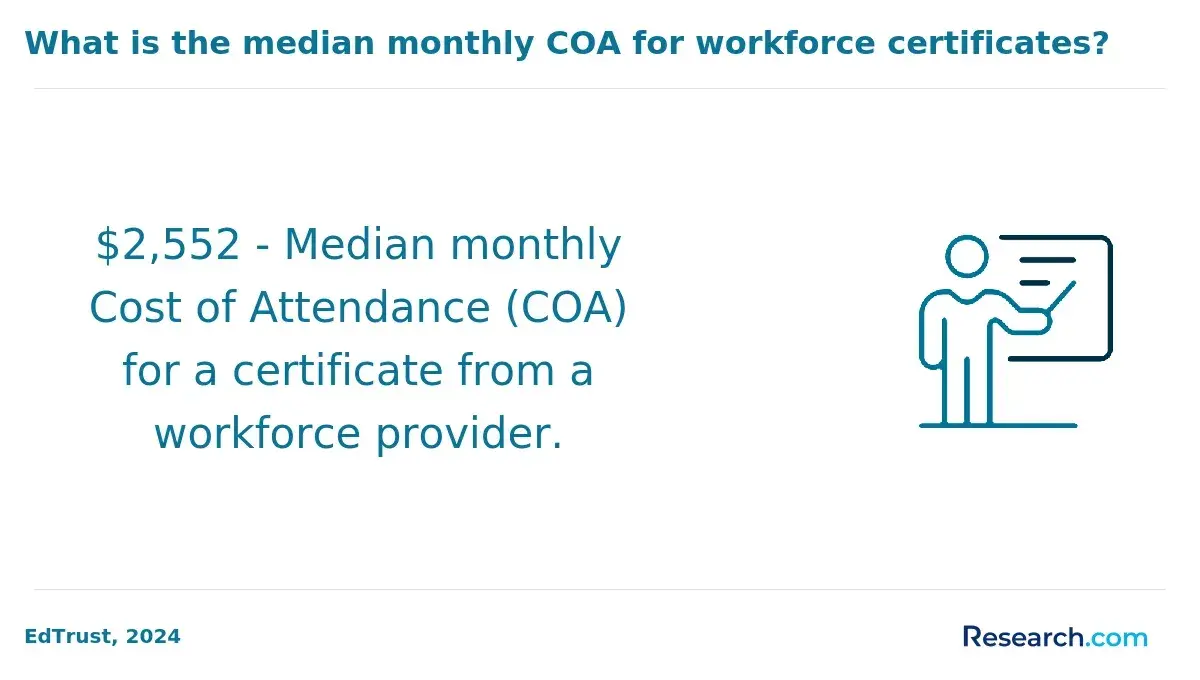
Programs offering tuition support for working nurses often operate through public university partnerships that maximize access to federal, state, and employer-based assistance. For example, nurses employed in Magnet hospitals or large health systems may qualify for tuition reimbursement annually, sometimes up to $5,000, though this usually requires multi-year employment commitments that can limit job flexibility.
Choosing accredited RN to BSN programs that incorporate clinical practicum experiences and maintain CCNE or ACEN accreditation enhances opportunities to stack federal aid with employer scholarships. The tradeoff involves carefully evaluating eligibility and repayment terms since many financial aid mechanisms require service commitments or place restrictions on employment mobility.
Decisions also hinge on factoring combined scholarship and reimbursement rates; the best programs can potentially cover over 70% of tuition, significantly reducing financial risk while preparing nurses for community health or hospital roles. Those looking beyond BSN credentials should consider pathways such as the doctor of nursing practice online for continued specialization and leadership roles.
How do online RN to BSN scholarships compare to campus-based funding options?
Employer tuition assistance programs increasingly favor online RN to BSN scholarships over campus-based funding due to their flexibility and alignment with healthcare workforce needs. Online scholarships typically impose fewer residency requirements, enabling nurses to maintain employment without interrupting work schedules. This advantage is crucial in urban hospitals, where leave benefits tend to be limited, making online options more practical. By contrast, campus-based scholarships often carry geographic or enrollment restrictions and may better serve rural nurses through localized grants with less scheduling flexibility.
Financial aid comparison for online and campus RN to BSN programs reveals distinct cost coverage differences. Online scholarships usually address digital learning fees but exclude campus-specific expenses such as housing, which can affect overall out-of-pocket costs depending on the candidate's circumstances. Employers also impose tuition ceilings and prioritize partnerships with scalable online programs, reflecting a strategic emphasis on reducing RN turnover and enhancing workforce stability.
Key considerations for nurses evaluating these scholarships include:
- Compatibility with employer benefits and tuition assistance limits
- The balance between program scheduling flexibility and geographic constraints
- Cost components unique to each scholarship type
Nurses seeking to pivot or advance their careers should critically assess how online versus campus-based funding impacts their practical capacity to complete a degree. For those weighing extended academic paths, reviewing options such as online DNP programs may also inform a longer-term educational strategy aligned with workforce outcomes.
What admission requirements must nurses meet to use scholarships in RN to BSN programs?
Admission to rn to bsn programs with scholarships demands more than passing academic benchmarks-it requires navigating workforce realities that shape practical eligibility. An active, unrestricted RN license paired with documented completion of an accredited diploma or ADN is non-negotiable, aligning with healthcare employers' baseline standards for skill and compliance. For nurses balancing employment and education, scholarships often stipulate current healthcare roles or enrollment in recognized programs; for instance, New York's Nurses For Our Future Scholarship limits full tuition coverage to four semesters and targets both emerging and incumbent professionals in public colleges.
Minimum GPA thresholds typically range from 2.5 to 3.0, but these figures matter less in isolation than how they reflect readiness for upper-division coursework requiring mastery of anatomy, physiology, microbiology, and college-level English. The requirement of one to two years of clinical experience underscores a practical emphasis-nurses must demonstrate workplace competence as this factor significantly affects scholarship awards and employability post-graduation.
Employment verification documentation and employer support letters are common prerequisites, reinforcing alignment with state retention efforts and mitigating dropout risks. Additionally, applicants submit personal statements assessing professional intent, which scholarship committees weigh to differentiate candidacies beyond academics. Practical tradeoffs include tight application deadlines synchronized with program start dates and compliance with regional mandates like residency or background checks. Failure to align these elements can stall program entry and dilute the strategic value of the educational investment, particularly in regions where workforce shortages intensify competition for supported educational opportunities.
How much do RN to BSN programs cost, and how far do scholarships typically go?
RN to BSN programs in the U.S. present a significant financial commitment, typically ranging from $15,000 to $40,000. Public universities generally charge between $15,000 and $25,000, whereas private institutions may exceed $35,000. For working nurses, this range demands careful consideration of how tuition aligns with income and job flexibility. Scholarships often cover only partial tuition-between 25% and 75%-and fully funded options are uncommon, especially when balancing employment and study.
Practical decision-making involves prioritizing scholarships that accommodate part-time or online learners to minimize lost wages and maintain employment. For instance, a nurse in a busy urban hospital might rely on a $10,000 scholarship to halve tuition costs, balancing debt for tuition against ongoing living expenses. Employers in magnet hospitals or integrated health systems may offer tuition reimbursement, influencing nurses' returns on investment by lowering direct out-of-pocket costs.
Applicants must also account for indirect expenses such as technology fees, textbooks, and clinical placement costs. Effective financial planning incorporates federal aid, employer benefits, and scholarships targeted at underrepresented nurses pursuing advanced degrees. Key tradeoffs include the program's flexibility requirements, scholarship conditions like maintaining minimum GPAs, and balancing accelerated or hybrid formats with work demands - factors critical to sustainable career advancement without incurring undue financial or employment risk.
Are employer tuition reimbursement and union benefits compatible with RN to BSN scholarships?
Combining employer tuition reimbursement and union education benefits with RN to BSN scholarships can reduce the financial burden of degree completion but demands strategic coordination to avoid funding clashes. Most employers impose caps-commonly around $5,000 annually-on tuition reimbursement, leaving students responsible for any cost gap. For example, a nurse enrolled in RN to BSN programs may face average net annual tuition near $6,305 for online options after aid, requiring scholarships to cover the shortfall.
Union grants and stipends add potential aid but operate under separate eligibility and application processes, necessitating meticulous management. Students must track deadlines and provide documentation independently to prevent forfeited funds or reimbursement delays.
Operationally, scholarships are often applied first to reduce out-of-pocket expense, then employers reimburse remaining costs post-course completion and grade verification. This sequence can generate cash flow challenges for full-time nurses studying concurrently, especially if upfront funding is insufficient.
Practical steps include consulting HR and union representatives to clarify policies, confirming whether tuition assistance must be the primary funding source, and prioritizing scholarships that lessen immediate financial demands. Without detailed oversight, students risk underutilizing available benefits or encountering complex repayment obligations.
How do RN to BSN scholarships impact long-term salary potential and career advancement?
The economic advantage of securing an RN to BSN scholarship lies in mitigating the financial tradeoffs nurses face when pursuing higher credentials while working. Nurses with a BSN typically earn around $10,000 more annually than those with an associate degree, a difference grounded in employer demand for expanded clinical expertise and leadership capabilities. Scholarships reduce reliance on debt and prevent income disruption by enabling part-time study alongside employment.
Consider a staff nurse at a community hospital balancing night shifts and family commitments. Using scholarships to enroll in flexible RN to BSN programs that offer online coursework allows her to maintain full employment and accumulate relevant clinical hours. This continuity supports eligibility for charge nurse or supervisory roles, positions that increasingly require BSN credentials. Without financial assistance, she might delay education or cut work hours, both of which can slow wage growth and career momentum.
Employers' growing preference for BSN-prepared candidates aligns with hiring trends that tie certification and residency program opportunities to degree attainment. Nurses utilizing scholarships gain a competitive edge for roles requiring care coordination or specialty certifications, which are often linked to compensation increases. This pathway helps manage the tension between immediate earnings and long-term professional positioning in a labor market that values academic advancement.
What should nurses look for to avoid scams and choose reputable scholarship providers?
Rather than relying on unverifiable claims or high-pressure tactics, nurses evaluating RN to BSN scholarships must prioritize providers with transparent, documented eligibility and award criteria tied to recognized institutions or official nursing bodies. Accepting offers without eligibility checks or those that require upfront fees risks financial loss and wasted time, especially when legitimate scholarships demand academic transcripts, RN licensure proof, and references.
For working professionals balancing employment, scholarships that verify ongoing academic progress or professional status help ensure funds support genuine advancement without misuse. Providers lacking external validation via national databases or government portals-such as those consistently listing awards up to full tuition-should be regarded skeptically. The 2025 RN-to-BSN scholarship data from Learn.org confirms a broad spectrum of funded opportunities accessible beyond commonly held assumptions about limited aid.
Practically, nurses should cross-verify provider contact details through official school or professional directories and, when possible, seek insight from past recipients or employer partnerships to understand how a scholarship affects job placements or career trajectories. This multi-angle verification reduces the risk of encountering fraudulent offers and supports decision-making that aligns with workforce expectations and real-world educational pathways.
How can part-time, night-shift, or rural nurses maximize funding for RN to BSN study?
Nurses working nontraditional hours or in rural settings face distinct financial hurdles when pursuing an RN to BSN program, yet they can optimize funding by targeting scholarships that match their specific professional constraints. For example, night-shift nurses often qualify for employer scholarships or grants tailored to healthcare workers on atypical schedules. Direct engagement with HR departments about shift-specific aid is a critical step to uncover such opportunities.
Rural nurses accessing federal or state grants that mandate post-graduation service commitments not only reduce education costs but improve long-term employment stability in underserved areas. Part-time nurses balancing work and study benefit from scholarships geared toward nontraditional students, often provided by professional associations or local foundations with flexible eligibility.
Effective application management is essential due to time constraints. Maintaining a detailed tracker of scholarship deadlines and materials, combined with automated reminders, increases the efficiency of applying to 5 to 10 scholarships monthly, a threshold supported by Fastweb's nursing scholarship data. Combining employer tuition reimbursement with external awards further reduces out-of-pocket costs while prioritizing scholarships compatible with asynchronous coursework minimizes scheduling conflicts.
For instance, a night-shift ICU nurse maximizing funding might simultaneously pursue local hospital scholarships, state rural healthcare grants, and national nursing association awards, creating a diversified, robust funding strategy that aligns with the realities of demanding work hours and geographic barriers.
Other Things You Should Know About RN to BSN Programs
In 2027, working nurses can access various scholarships for RN to BSN programs, including the American Association of Colleges of Nursing (AACN) scholarships, the Human Resources and Services Administration (HRSA) Nurse Corps Scholarship, and numerous state-specific and institutional scholarships designed to support nurses advancing their education while maintaining employment.
Most healthcare employers now expect or require a BSN for advancement into leadership, specialty roles, or Magnet hospital designation compliance. While experience remains valuable, it rarely substitutes for the competencies emphasized in RN to BSN programs, like evidence-based practice and community health. Nurses aiming for management or clinical advancement should prioritize completing their BSN promptly, as delays may limit promotion opportunities or eligibility for specialty certifications.
Employer acceptance of online RN to BSN degrees depends largely on accreditation and program rigor, not delivery mode. Accredited online programs from reputable institutions hold equal value but can vary in clinical placement support and networking opportunities. Nurses without strong employer tuition reimbursement should focus on programs requiring local clinical partnerships to ensure practical skill development trusted by hiring managers.
Shorter RN to BSN programs reduce financial and time burdens but may limit exposure to community health, leadership, and research competencies important for future roles. Nurses seeking immediate career advancement in direct care can opt for accelerated tracks, but those planning transitions into public health, education, or management should choose programs with broader curricula. Prioritize programs matching your specific career goals over speed to avoid future credential gaps.
References
- The Future of Nursing: Why More RNs Are Earning Their BSN https://blog.cuw.edu/why-bsn-completion/
- Scholarship Scams: 7 Red Flags & How to Avoid Financial Aid Fraud https://www.fastweb.com/college-scholarships/articles/scholarship-scam-red-flags
- Nursing BSN https://www.stmartin.edu/academics/all-programs/nursing-bsn
- Brave of Heart Nursing Scholarship - Scholarship America https://scholarshipamerica.org/scholarship/bohnursing/
- 50 Great Scholarships for Nursing Students - Healthcare Administration Degree Programs https://www.healthcare-administration-degree.net/50-great-nursing-scholarships/
- Sign Up for the Journal of Nursing. https://www.asrn.org/journal-advanced-practice-nursing/3370-why-aren%E2%80%99t-nurses-using-employer-education-benefits-new-report-explains-why.html
- Health impact of shift work and night duty on part-time studying nurses https://www.orapuh.org/ojs/index.php/orapj/article/view/e1242
- How to Afford & Pay for Nursing School | Ascent Funding https://www.ascentfunding.com/blog/how-to-pay-for-nursing-school/
- Scholarships and Education Assistance | Legacy Health https://www.legacyhealth.org/for-health-professionals/careers/benefiting-you/scholarships-and-education-assistance
- How to Pay for Nursing School | University of Bridgeport https://www.bridgeport.edu/news/how-to-pay-for-nursing-school/