2027 RN to BSN Programs for Nurses Reentering College Efficiently

Co-Founder and Chief Data Scientist
For many nurses returning to college, balancing unpredictable work schedules, family commitments, and financial constraints complicates timely progression through RN to BSN programs. The National Center for Education Statistics reports a 35% increase in adult learners enrolling in online nursing degrees since 2023, underscoring a growing demand for flexible, accelerated pathways. However, not all programs offer the same ability to accommodate credit transfers or part-time pacing, affecting career momentum and employer perceptions. Choosing a program without understanding these variables risks delayed graduation and missed advancement opportunities. This article examines efficient RN to BSN program options to help nurses reentering college optimize trajectory, accessibility, and career outcomes.
Key Things You Should Know
- National Center for Education Statistics data shows average completion times for rn to bsn programs vary 18-30 months, forcing tradeoffs between accelerated paths with higher tuition and extended enrollment delaying workforce reentry.
- Employer surveys from 2024 reveal that 65% of healthcare systems prioritize BSN-prepared RNs for leadership roles, pressuring nurses to upgrade credentials to avoid stagnation despite unequal access.
- Workforce modeling by the Bureau of Labor Statistics indicates a 15% wage premium for BSN holders versus ADN, but upfront costs averaging $15,000 nationwide create significant financial barriers impacting low-income reentry candidates' cost-benefit strategies.
What is an RN to BSN program and how does it help practicing registered nurses?
Hospitals and healthcare systems increasingly prefer nurses with a BSN to lead clinical initiatives and quality improvement efforts due to demonstrated links between bachelor's-prepared nurses and improved patient outcomes. For working registered nurses, pursuing an RN to BSN program streamlines degree completion by crediting prior clinical experience and certifications, avoiding redundant coursework. This focused pathway equips nurses not only with enhanced clinical skills but also with competencies in population health, nursing leadership, and evidence-based practice-areas often underdeveloped in associate degree training.
A practical consideration for those evaluating rn to bsn programs for working registered nurses is program delivery and scheduling flexibility. Rural nurses often benefit from online asynchronous formats, while urban clinicians might prefer hybrid models that facilitate networking aligned with clinical shifts. Accreditation status and credit transfer policies critically impact the speed of completion and employer recognition.
For reentering nurses, the benefits of rn to bsn programs include an expanded scope of practice and improved employability in competitive markets. The financial tradeoff is clear: according to the U.S. Bureau of Labor Statistics, registered nurses with a BSN earned a median wage of $94,530 in 2025, compared with $79,260 for those without. This difference significantly affects lifetime earnings and reflects institutional preferences for BSN-prepared staff.
Cost remains a key factor. Prospective students should investigate the cheapest RN-BSN online program options listed by verified sources to minimize educational debt while optimizing career impact.
Why are nurses returning to college for an RN to BSN, and is it worth it?
Employers increasingly expect registered nurses to hold a bachelor's degree for leadership and specialized roles, making the decision to return to college for an RN to BSN a strategic response to workforce realities. By 2022, 56.5% of U.S. RNs who initially had an associate degree earned a BSN or higher, signaling a shift toward more rigorous hiring standards and a focus on competencies like critical thinking and evidence-based practice that BSN curricula emphasize.
Evaluating reasons nurses are returning to college for an RN to BSN requires understanding how role and setting influence outcomes. Nurses pursuing management or education roles in hospitals often see a clear return through higher salaries and promotion eligibility. Conversely, those working in outpatient or long-term care may face slower advancement, making the degree's worth less immediate.
Working nurses asking, is pursuing an RN to BSN degree worth it for working nurses, must weigh time, cost, and job flexibility. Accelerated or online options can reduce logistical burdens, especially when employers provide tuition assistance. Considering program length against potential income gains helps prevent financial strain.
Institutional priorities like Magnet status and federal funding push employers to prefer BSN credentials, yet not all nursing roles mandate it instantly. Nurses balancing workload with education should adopt a measured plan recognizing the RN to BSN as a credential upgrade aligning with long-term employability and leadership ambitions rather than an immediate lift in job status.
For those exploring flexible pathways, exploring ABSN programs online can highlight cost-effective, accelerated routes designed to accommodate working professionals.
What admission requirements and prior RN experience do RN to BSN programs expect?
Meeting admission criteria for RN to BSN programs requires more than holding an active RN license; applicants must present official transcripts verifying completion of foundational nursing and general education courses, typically including statistics, microbiology, and psychology. The required clinical experience for RN to BSN admission generally ranges from six months to two years, serving as a vital bridge to advanced nursing concepts and meeting employer expectations for graduates equipped with practical patient care skills.
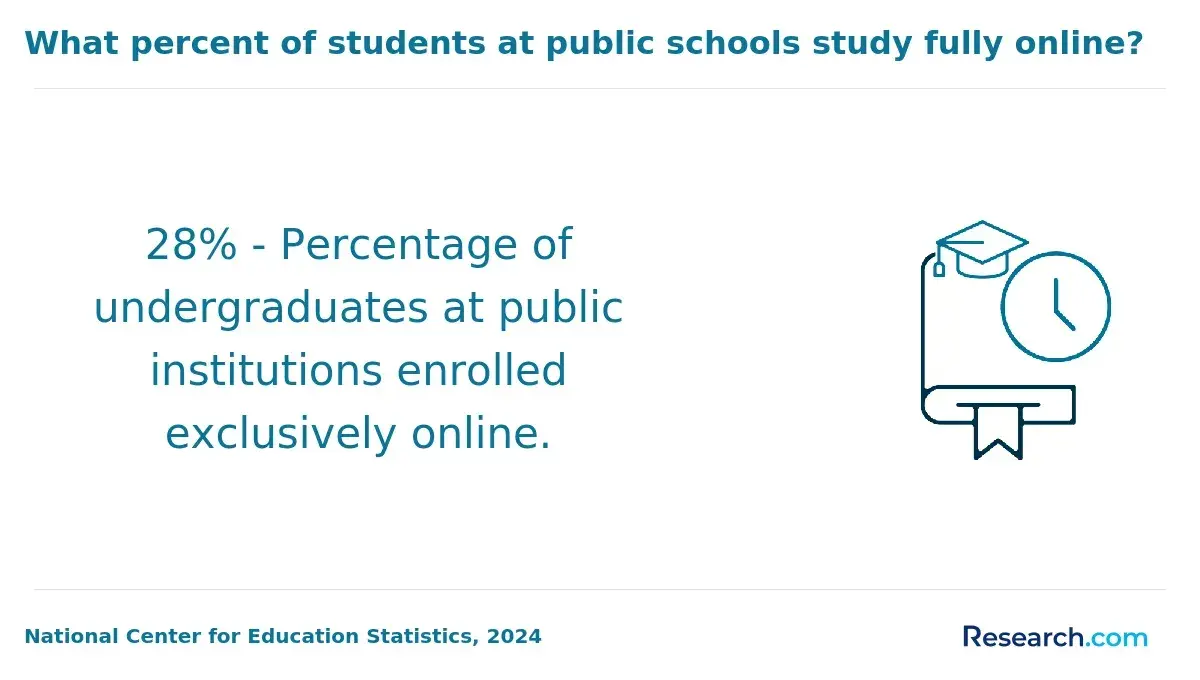
Many working nurses benefit from flexible modalities such as online, hybrid, or competency-based pathways, which have seen significant enrollment growth. However, balancing work responsibilities with managing clinical placements-especially when additional practicum hours beyond prior licensure are required-presents logistical challenges frequently underestimated by applicants.
Those lacking prerequisite coursework often encounter bridge requirements before accessing upper-division BSN content. Employment documentation or proof of ongoing professional development may also influence admissions decisions, reflecting workforce readiness priorities. Selecting a program aligned with one's specialty can minimize redundant clinical hours and enhance post-graduation outcomes.
For nurses actively assessing nursing programs online, understanding these factors is critical to making informed choices that reconcile educational demands with employment realities and long-term career strategy.
How do online RN to BSN programs compare to campus-based options for working nurses?
Flexibility is the defining factor distinguishing online rn to bsn programs benefits for working nurses, especially those juggling irregular shifts and family obligations. Online programs significantly reduce barriers tied to fixed schedules and commuting, enabling continuous employment while advancing education. This is critical for nurses embedded in 24/7 clinical environments where schedule disruptions threaten both income and patient care continuity.
By contrast, campus-based programs offer more direct, hands-on experiences such as faculty interaction, clinical labs, and peer networking, which remain valuable for roles emphasizing leadership or clinical instruction. Yet, many online rn to bsn programs now incorporate virtual simulations and arrange local clinical placements, narrowing this experiential gap.
Financial considerations are increasingly mitigated by employer tuition reimbursement, with over 70% of large U.S. health systems providing annual support between $3,000 and $5,250 toward BSN completion. This parity ensures cost differences between delivery methods become less decisive, allowing schedule and career focus to lead the choice.
Practical tradeoffs include the demand for strong self-motivation and reliable technology in online formats, which may challenge nurses on extended or rotating shifts if asynchronous learning is insufficient. Conversely, campus options impose travel and fixed class schedules, which can be prohibitive in rural or understaffed areas. Employers generally equate accredited online and campus degrees for salary and promotion, though nurse educator tracks often benefit from campus connections.
Decision-making should weigh local program availability, work patterns, financial aid, and long-term career aims. For example, an ER nurse managing rotating shifts and family commitments might prioritize online flexibility, whereas those pursuing educator roles might accept campus logistics.
For individuals evaluating pathways beyond the RN to BSN Programs framework, options like the shortest DNP program online offer accelerated advancement alternatives worth considering.
What accreditation and state nursing board approvals should an RN to BSN program have?
Successful navigation of an RN to BSN program hinges on securing both national accreditation-by agencies such as the Commission on Collegiate Nursing Education (CCNE) or the Accreditation Commission for Education in Nursing (ACEN)-and explicit approval from the state board of nursing where licensure and practice are intended. This dual validation ensures academic standards align with licensure portability, federal aid eligibility, and employer expectations.
Without state board approval, nurses risk encountering licensing delays or restrictions on clinical practicum sites, which directly affects timely program completion and employment opportunities. For example, a nurse in Texas must confirm that the program holds approval from the Texas Board of Nursing along with national accreditation to avoid barriers in credit transfer or licensure reciprocity when relocating.
Working nurses-often clocking 36 to 40 hours weekly-face compounded scheduling and administrative challenges. Choosing programs missing proper accreditation or state endorsement can add costly delays, disrupting both work and study balance.
Consider verifying program credentials carefully before enrollment:
- National accreditation ensures academic rigor and federal financial aid eligibility.
- State board approval guarantees compliance with local licensure laws and clinical requirements.
- Absence of either can limit employability and extend time to degree completion.
Direct confirmation with relevant state boards is crucial, especially when program materials lack clarity. This due diligence mitigates risks related to licensure errors, financial burden, and diminished career mobility in the nursing workforce.
What core courses and clinical or practicum experiences are included in RN to BSN curricula?
RN to BSN programs shift nurses' roles from bedside technicians to analytical and leadership practitioners, demanding coursework that spans community health, healthcare policy, and nursing research. These degrees allocate 30-45 credit hours to core academic skills like college-level writing and evidence appraisal-areas where many returning RNs struggle, according to a 2024 National League for Nursing survey.
Clinical components emphasize applied public health activities over repetitive bedside procedures. A typical practicum, such as designing patient education programs for chronic illnesses, requires 100-150 hours arranged to suit working nurses' schedules, often virtually or locally. This structure reflects real workforce needs but risks delaying graduation if placements are not well coordinated.
The curriculum integrates courses in epidemiology, healthcare informatics, and cultural competence to prepare nurses to tackle population health challenges and lead interdisciplinary teams. Such skills align directly with promotions and employer expectations, which now favor nurses capable of interpreting data and guiding quality improvements.
Prospective students must weigh how clinical placements fit their work-life balance and whether the program's applied content matches their career trajectory, since poorly structured practicums reduce return on investment and prolong time to degree completion.
How long do RN to BSN programs take and how can nurses finish more efficiently?
Nurses seeking to advance within healthcare systems face a tradeoff in RN to BSN programs between accelerated timelines and workload intensity. Full-time programs typically span 12 to 18 months, but those working full-time in acute care often benefit from accelerated online or hybrid models offering credit for prior coursework and clinical experience. For example, a nurse maintaining a full schedule can complete a program in as few as 12 months by leveraging competency-based assessments that minimize redundant learning.
Strategic use of transfer credits in science and general education courses is essential. Prospective students should assess credit acceptance rigorously to avoid repeating already mastered content. Flexible start dates or rolling admissions also reduce interval delays, enabling faster progression and less disruption to professional responsibilities.
Current workforce data from the HRSA Nursing Education and Training report indicate 45.4% of U.S. RNs hold BSN degrees, with BSN-prepared nurses 1.6 times likelier to assume leadership roles. This leadership premium often justifies the effort of accelerated pathways despite increased workload demands.
Hospitals aiming for Magnet recognition place increasing value on BSN-qualified nurses. Delays in program completion may restrict nurses to stagnant roles. To maintain employability and career mobility, prioritizing programs with credit for prior learning and flexible schedules is a practical necessity in today's competitive healthcare environment.
What tuition costs, financial aid, and employer tuition benefits apply to RN to BSN students?
The financial landscape for RN to BSN students presents a complex balance of credit transfer policies, employer tuition support, and federal aid, with real cost implications that shift based on these variables. Tuition commonly ranges from $300 to $600 per credit hour at public institutions, escalating to over $700 in private colleges, resulting in total program expenses roughly between $12,000 and $30,000. However, the ability to transfer prior nursing credits can reduce necessary coursework substantially, potentially saving thousands of dollars and months of study time.
Approximately 40% of healthcare employers offer tuition reimbursement programs, often capped between $5,000 and $15,000 annually, but these benefits usually require employees to commit to continued service after graduation. Those working in hospital systems with such support face fewer financial barriers than nurses in outpatient or rural settings lacking employer incentives, shaping enrollment decisions and educational pathways.
Federal Pell Grants and subsidized loans remain important, though eligibility varies widely based on enrollment status and completed credits. Prospective students must navigate this patchwork, simultaneously considering tuition charges, employer assistance, and financial aid against projected salary improvements tied to earning a BSN. The decision to pursue an RN to BSN program entails evaluating costs against the longer-term labor market advantage and working conditions that the degree often enables.
What career outcomes, advanced roles, and graduate study pathways follow an RN to BSN?
Pursuing an RN to BSN program reshapes nursing roles by unlocking positions that often mandate a bachelor's degree, such as charge nurse or nurse educator, while also setting a foundation for advanced practice roles requiring graduate education. Employers in hospitals increasingly prioritize BSN credentials for care coordination and quality improvement roles, reflecting real operational demands linked to patient complexity and regulatory compliance.
Completion of RN to BSN programs is a practical stepping stone into graduate nursing degrees like the MSN or DNP, as many schools require a BSN and expect candidates to demonstrate consistent academic progress combined with leadership and research skills. In 2024, over 80% of U.S. nursing schools delivered a majority of RN to BSN coursework online, with 62% leveraging learning analytics to monitor student outcomes, which allows working nurses to study without leaving clinical roles but necessitates balancing shifting work schedules and digital coursework.
For example, a nurse in a demanding urban hospital may qualify for specialized leadership or educator roles post-BSN but must manage employer expectations for flexible shifts amid ongoing coursework. Employers often link salary increases and promotions to BSN completion, challenging nurses to weigh the immediate strain of academic commitments against future professional benefits. Decision-making here requires careful analysis of how the BSN advances leadership and graduate study readiness versus its impact on workload and family responsibilities.
The RN to BSN path strategically pivots nursing careers beyond entry-level care into domains like population health, policy influence, and research-enhanced practice improvement while aligning with healthcare employers' evolving credential standards.
What salary differences and job outlook can nurses expect after completing an RN to BSN?
Completing an RN to BSN program translates into tangible economic gains and shifts the professional landscape for nurses. Data from the Health Resources and Services Administration show that upgrading from an ADN to a BSN can increase lifetime earnings by approximately $330,000 after tuition, driven by higher starting salaries, more frequent raises, and access to specialized roles.
In practice, a nurse transitioning from a diploma-level role on a hospital floor might expect a $6,000 to $12,000 annual raise post-BSN, enabling a financially viable move to management or case coordination within 3 to 5 years. Employers targeting community health or research functions increasingly prioritize BSN credentials, often attaching higher pay scales and enhanced benefits to these positions. The U.S. Bureau of Labor Statistics projects a 6% overall growth for registered nurses through 2032, but the rate is notably higher for BSN-prepared nurses due to evolving responsibilities and institutional hiring preferences.
Those balancing work and study should anticipate potential short-term income plateaus, as some organizations delay raises until degree completion. Flexible program structures and employer tuition assistance can mitigate these challenges but require careful time management and a realistic assessment of personal and financial resources.
- BSN credentials open pathways to leadership, case coordination, and specialized roles
- Salary increases post-BSN can offset educational costs within several years
- Job growth is stronger for BSN-prepared nurses, offering better long-term stability
- Short-term tradeoffs include balancing workload and deferred compensation raises
Other Things You Should Know About RN to BSN Programs
Maintaining full-time employment during an RN to BSN program is feasible but demands careful time management. Many programs allow part-time study but extending coursework lengthens the overall timeline and may reduce momentum. Choosing accelerated online programs with flexible pacing is optimal for balancing work and school, but candidates should prioritize programs that credit prior RN coursework to avoid unnecessary repetition.
Employers generally expect RN to BSN graduates to have enhanced leadership, communication, and evidence-based practice skills compared to ADN-trained nurses. However, direct patient care responsibilities often remain similar unless paired with administrative roles. Candidates should focus on programs offering practicums emphasizing management and community health to meet evolving role expectations effectively.
Hybrid programs provide some on-campus interaction and practical skills labs, which can deepen clinical competencies but may require commuting and fixed scheduling. Fully online programs maximize schedule flexibility and accessibility, ideal for working nurses with geographic or time constraints, but may limit hands-on learning and peer networking opportunities. Nurses should weigh their priority between experiential learning depth and scheduling convenience.
References
- RN vs BSN - What’s Better in 2025? | NEIT https://www.neit.edu/blog/rn-vs-bsn
- Are RN to BSN Nursing Programs Worth It? https://www.chamberlain.edu/blog/are-rn-to-bsn-nursing-programs-worth-it
- Was it worth continuing education for nurses to get their BSN vs the ADN/ASN? https://www.incrediblehealth.com/nurse-advice/questions/608b6494/was-it-worth-continuing-education-for-nurses-to
- How to Get Into Nursing School: Requirements for Prospective Students https://credenzahealth.com/career-advice/nursing-school-requirements-for-prospective-students
- CCNE Accreditation https://www.aacnnursing.org/ccne-accreditation
- Why Advancing from RN to BSN Matters More Than Ever – And How It’s Faster and Cheaper Than You Think https://www.etamu.edu/news/why-advancing-from-rn-to-bsn-matters-more-than-ever-and-how-its-faster-and-cheaper-than-you-think/
- A Complete Guide to Nursing Career Pathways (Degrees, Licensure & Career Growth Explained) https://www.straighterline.com/blog/nursing-a-complete-guide-to-nursing-career-pathways-degrees-licensure-career-growth-explained
- Online RN to BSN Programs | How Long Does it Take? https://acesonursing.com/blog/how-long-are-rn-to-bsn-programs/
- What’s the Deal with Accreditation? https://nursingcas.org/resources-for-current-schools/whats-the-deal-with-accreditation
- RN to BSN Admissions Requirements - College of Nursing https://www.unthealth.edu/students/future-students/admissions/rn-to-bsn-admissions-requirements.html