2027 RN to BSN Community Health Courses You'll Likely Take

Co-Founder and Chief Data Scientist
Facing a packed clinical schedule while juggling family obligations, many registered nurses find that selecting community health courses within their RN to BSN programs presents an unexpected challenge: balancing depth of content with flexible formats. Recent data from the National Center for Education Statistics reveals that over 60% of undergraduate nursing students now prefer hybrid or fully online courses, indicating a clear shift in educational delivery that affects course availability and pacing.
This shift matters because it directly influences program accessibility and impacts how nurses can timely advance their credentials without sacrificing work or personal commitments. This article outlines the community health courses commonly required or recommended in RN to BSN programs, offering insights to help learners strategically plan their coursework to meet career goals efficiently.
Key Things You Should Know
- Community health courses in 2026 RN to BSN programs often extend completion time by 10-15%, a critical tradeoff affecting working nurses balancing clinical shifts and tuition costs, per National Center for Education Statistics data.
- Employers increasingly favor candidates with community health competencies tied to population health management, with 65% of hospital systems linking promotions to demonstrated public health coursework, according to a 2024 Health Affairs workforce survey.
- Federal nursing workforce analyses reveal that limited access to accredited community health modules in some state programs restricts geographic mobility, impacting RNs' ability to leverage BSN credentials for roles in underserved or rural communities.
What are community health courses in RN to BSN programs and why do they matter?
Community health courses in RN to BSN programs are integral for nurses transitioning to roles that extend beyond bedside care toward population health management. The importance of community health education in RN to BSN curricula lies in preparing nurses to address systemic challenges such as chronic disease, health education, and epidemic control. For example, a nurse in a rural health department will apply epidemiology and community assessment methods differently than in traditional hospital settings, designing targeted vaccination or screening initiatives.
These courses train nurses to operate within health systems increasingly focused on value-based care, requiring skills in social determinants of health and resource allocation. Given that 40% of registered nurses plan to retire or leave within five years, as reported by the American Association of Colleges of Nursing, the demand for BSN-prepared nurses with community health competencies is pressing.
Students considering this pathway must weigh added academic demands against distinct professional advantages, including expanded eligibility for public health agencies, school nursing, and home health roles. Employers consistently expect BSN graduates to demonstrate community-focused skills that RN-only credentials often lack.
For those comparing program options, in-depth analyses like the Capella RN to BSN vs Chamberlain RN to BSN breakdown offer valuable insights.
Which specific community and public health nursing courses are typically required?
Community health nursing courses in RN to BSN programs focus on developing critical skills to navigate population health challenges with practical competence rather than theoretical abstraction. Core coursework includes Epidemiology, which examines disease patterns and outbreak control, Community Health Nursing that emphasizes hands-on care and health promotion, and Public Health Policy addressing healthcare systems and advocacy. Additional topics like Environmental Health and Global Health broaden students' ability to assess multifaceted determinants impacting communities.
Employers require graduates to translate community assessments into effective interventions, a capability essential in roles such as home health nursing where reducing chronic disease exacerbations is a priority. This demands integrating coursework that connects social determinants of health with clinical decision-making. Practical challenges students face include coordinating community fieldwork and navigating complexities in local health agency collaborations.
The public health nursing course requirements for RN to BSN students also prepare them for data management and interdisciplinary teamwork, responding to a growing RN employment projection of 5% through 2034 with over 189,000 openings annually tied to preventive care priorities. Graduates must therefore balance analytical skills and logistical readiness to meet workforce demands.
Program variations exist, but balancing theory and applied experience is necessary for nurses seeking strategic pivots toward population health leadership. For those evaluating entry points, exploring the easiest accelerated nursing programs can inform decisions around time investment and accessibility without sacrificing course relevance.
What population health and epidemiology topics are covered in RN to BSN coursework?
Population health topics in RN to BSN courses often reflect tangible workforce dynamics, such as the decline of men in the RN workforce from 11.2% to 10.4% between 2022 and 2024-a shift that reveals persistent gender and socioeconomic disparities affecting healthcare delivery. These programs emphasize epidemiology and community health nursing content to equip nurses with the skills to analyze disease prevalence, assess risk factors, and apply evidence-based interventions within diverse populations.
For example, nurses trained in outbreak investigation methods can effectively manage influenza transmission in long-term care settings or support opioid use disorder initiatives in rural communities. This practical grounding improves readiness to collaborate within interdisciplinary public health teams targeting chronic disease reduction or maternal-infant health improvements.
Employers increasingly expect BSN-prepared nurses to interpret surveillance data and engage communities across complex care systems. Graduates are positioned to influence policy aimed at health equity, reduce hospital readmissions, and navigate logistical challenges including epidemiologic software use. However, mastering these competencies requires balancing academic demands with real-world application in under-resourced settings.
Prospective students considering these pathways should also note alternative options, such as nursing schools without TEAS, which may offer varied entry points depending on prior credentials and readiness.
How do RN to BSN community health courses integrate clinical or practicum experiences?
RN to BSN community health courses integrate clinical practicums that translate theory into practical skills within authentic public health settings, a necessary approach to meet employer expectations for BSN-prepared nurses managing community initiatives. For instance, students conducting health needs assessments at community centers gather data to identify risks and resource deficits, linking academic knowledge directly to population health outcomes. This alignment addresses a critical workforce reality where 72.9% of RNs now hold a BSN or higher, emphasizing competencies in epidemiologic analysis and health education.
Community health clinical experiences in RN to BSN programs are arranged through partnerships with local health departments, school programs, or nonprofits, ensuring exposure to diverse patient populations and social determinants of health. Practical site placements typically require 40 to 80 hours, balancing clinical workload with professional obligations-this balance is pivotal for employed nurses aiming to enhance credentials without disrupting careers.
While virtual components may support scheduling flexibility, hands-on observation and direct community interaction remain essential for skill development in program planning and care coordination. This real-world practicum component highlights a tradeoff: flexibility versus the irreplaceable value of immersive clinical experience.
For nurses exploring advanced educational pathways, knowing how these clinical elements fit alongside further graduate options is vital. Relevant for those considering accelerated options, information about the shortest DNP program can inform strategic decisions on timing and credential stacking within health professions education.
What skills and competencies will you gain from community health coursework?
Employers increasingly demand nurses who can leverage community health data to design targeted interventions for high-risk populations, such as urban diabetic groups, reflecting a shift toward precision preventive care. This emphasis challenges RN to BSN Programs students to master competencies that extend beyond clinical skills into data analysis, epidemiological assessment, and culturally informed communication.
Graduates typically must coordinate interdisciplinary teams to deliver scalable health initiatives, often managing projects in varied environments from rural clinics to urban health departments. Critical operational skills include conducting community health needs assessments, utilizing GIS for resource mapping, and advocating evidence-based policies-all pivotal for navigating resource constraints and systemic health inequities.
The projected 35% employment growth for advanced practice nurses through 2034 reflects persistent chronic disease prevalence and increased preventive care demand, making community health proficiency a differentiator in the job market. Nurses with this expertise contribute directly to reducing hospital readmissions by integrating social determinants of health with clinical practice.
Practical training in healthcare technology literacy-particularly electronic health records (EHR) and telehealth platforms-prepares nurses to overcome logistical barriers in patient engagement and care delivery. These capabilities address real-world workforce challenges where technology and cultural competence intersect to improve population health outcomes.
- Data-driven intervention targeting in high-risk populations
- Project and team leadership across diverse healthcare settings
- Healthcare technology integration for remote monitoring and EHR
- Skills to reduce readmission rates through social determinants integration
How do online RN to BSN programs deliver and assess community health courses?
RN to BSN programs prioritize applied community health competencies critical for nurses balancing employment demands with academic progression. Coursework integrates asynchronous learning with scheduled synchronous sessions to fit shift workers' schedules, emphasizing frameworks aligned with evidence-based practice and addressing social determinants of health in diverse community settings.
Practicum requirements adapt to students' locations, enabling clinical experiences through partnerships with local agencies, public health departments, or mental health organizations. This flexibility is necessary to accommodate working nurses' availability, though it may limit the immediacy of certain experiential learning components compared to on-campus formats.
Increased workforce focus on mental health roles, notably Psychiatric Nurse Practitioners, shapes curricula toward behavioral health skills and culturally competent care, meeting rising public health needs. Graduates must demonstrate capabilities in translating community data into actionable interventions, a demand reinforced by hospital and public health employers prioritizing measurable outcomes like enhanced health literacy and coordinated behavioral health initiatives.
- Hybrid delivery models balance accessibility against potential limitations in hands-on community engagement.
- Assessment methods include project design and scenario-based exams linking theory to real-world disparities.
- Successful completion signals readiness for evolving care models with an emphasis on prevention and population health management.
What accreditation and state nursing requirements apply to community health coursework?
State accreditation and nursing board requirements profoundly influence community health coursework in RN to BSN programs, directly affecting licensure progression and workforce readiness. Accreditation by entities like the Commission on Collegiate Nursing Education or the Accreditation Commission for Education in Nursing ensures curricula emphasize evidence-based approaches to social determinants of health, epidemiology, and culturally responsive health promotion. Concurrently, state-specific mandates introduce variability; for example, California requires 48 continuing education hours biennially, including community health content, while Texas mandates proof of cultural competence for relicensure.
Such discrepancies mean nurses pursuing RN to BSN programs must navigate uneven regulatory landscapes that impact both educational content and completion timelines. This operational reality can delay relicensure or employment if state board criteria are not met. In practice, this demands proactive verification of regional requirements and integration of prescribed clinical hours targeting vulnerable populations and community settings.
From a labor market perspective, projections signal over 189,000 annual RN openings through 2034, primarily driven by aging demographics and persistent disparities identified by authoritative workforce data. Employers increasingly expect BSN-prepared nurses to deploy community health interventions with measurable impacts on vulnerable groups.
- Accredited coursework aligned with state mandates supports compliance and professional mobility.
- Regional regulatory differences require tailored educational planning to avoid licensure obstacles.
- Workforce demand underscores the importance of skills in social determinants and culturally informed care.
How do community health courses prepare RNs for advanced roles and specializations?
Community health coursework within RN to BSN programs equips nurses to handle distinct challenges across varied care settings by enhancing skills in population health assessment, policy analysis, and community intervention design. For example, an RN transitioning into public health policy must develop competencies in synthesizing epidemiological data and advocacy strategies-abilities directly honed through focused community health study.
Employers increasingly expect BSN-prepared nurses to merge clinical expertise with broader health system leadership that mitigates hospital readmissions and improves chronic illness outcomes. This requires proficiency with data analytics and communication skills tailored to interdisciplinary team management. Notably, nurse roles in long-term care demand different applications of community health knowledge compared to those in nonprofit health education, underscoring the importance of adaptable skill sets.
Practical preparation also involves navigating systemic complexities such as coordination with public agencies and insurance mechanisms, critical for resource allocation roles in health promotion. Labor market data shows that public health nursing and policy positions rank among the highest-paying fields for nurses with BSN credentials. For context, registered nurses in general medical-surgical hospital roles earn an average of $97,260 annually, influencing how institutions recruit BSN-educated nurses into community-focused positions.
These realities compel prospective students to weigh the tangible return on adding community health content to their RN to BSN programs against their career objectives in leadership and policy-driven roles.
What are typical timelines and costs for completing RN to BSN community health courses?
Choosing RN to BSN programs involves navigating a complex balance between time, cost, and workforce value. Most community health-focused BSN courses stretch from 12 to 18 months full-time, with part-time options extending up to three years. This timeline matters significantly for RNs managing clinical responsibilities and personal commitments.
Employers increasingly view BSN-prepared nurses as essential for community care roles requiring advanced coordination and population health understanding. Yet only about 17.4% of RNs hold master's degrees and 2.7% doctorates, which means BSN graduates often fill critical gaps without the extended specialization.
Program delivery is typically modular, with 8- to 12-week segments designed for working nurses. However, accelerated formats, while shortening completion time, can raise stress levels and risk burnout. Slower-paced part-time models ease workload but delay the nurse's ability to meet employer preferences emphasizing BSN qualifications for leadership or public health nursing transitions.
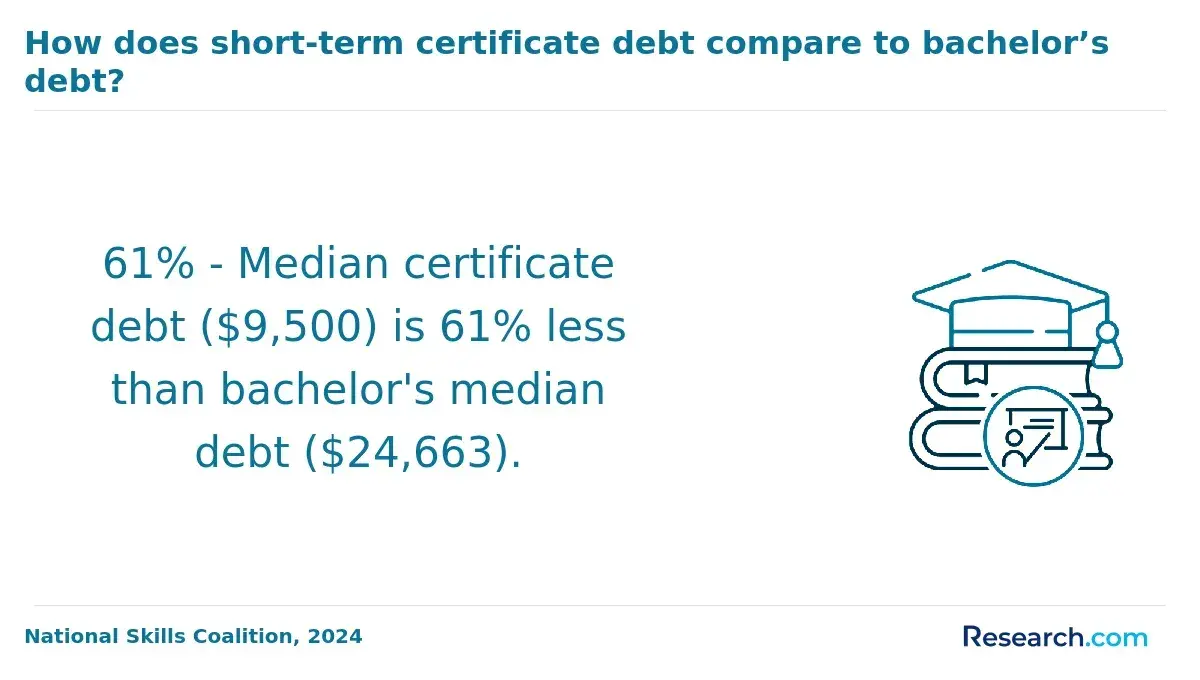
Cost considerations extend beyond tuition, which ranges from roughly $8,000 to $25,000 based on institution type and residency status, especially for online programs. Additional factors include practicum scheduling, commute demands, and opportunity costs linked to balancing work and study. Employer tuition reimbursement can offset expenses but varies widely.
- Modular pacing facilitates integration with clinical shifts but requires disciplined time management.
- Lower in-state tuition at public universities contrasts with steeper private/out-of-state fees.
- Practicum requirements may impose additional logistical challenges.
RNs aiming for roles in community health must weigh these tradeoffs carefully against the growing market preference for BSN credentials, which reflect both knowledge breadth and operational readiness.
How can you compare schools to find strong community health offerings in RN to BSN programs?
Prioritizing community health content in RN to BSN programs is a strategic necessity, given the 5% projected increase in RN employment through 2034 largely driven by preventive care and disaster readiness. Programs that integrate scenario-based training in emergency preparedness and disaster response - for example, simulation exercises replicating public health crises - produce graduates more immediately effective in high-pressure environments than those relying solely on theoretical coursework.
Workforce alignment requires scrutiny of partnerships between nursing programs and local health agencies. Clinical practicums in collaboration with emergency services offer hands-on experience that enhances employability, particularly in community health roles focused on vulnerable populations during disasters. Flexibility also matters; asynchronous online modules can support working nurses seeking new credentials without interrupting employment, though such formats must retain sufficient rigor to develop practical skills.
Faculty expertise directly influences curriculum relevance. Candidates should assess faculty backgrounds for active involvement in healthcare policy, published research, or leadership in emergency management. These factors affect how current and applicable the course material is to evolving community health needs.
Transparent reporting of graduate employment rates in community health fields signals program effectiveness in meeting employer expectations. Accreditation by recognized nursing bodies further ensures a curriculum grounded in evidence-based public health practices suited for long-term career resilience.
Other Things You Should Know About RN to BSN Programs
Many RN to BSN programs are designed for working nurses and offer flexible online or hybrid formats, but balancing full-time work and coursework remains challenging. Time management becomes critical because assignments often require critical thinking and research, not just memorization. If your employer expects you to maintain clinical hours alongside coursework, your workload will be heavier; prioritizing programs with asynchronous classes can reduce pressure.
In a 2027 RN to BSN program, community health courses will likely focus on public health principles, epidemiology, and community assessment. Courses might include Health Promotion, Community Health Nursing, and Population-Based Health Practices. These courses equip nurses with skills to address diverse populations’ health needs.
Yes, an active RN license usually meets the nursing prerequisite for community health coursework, but programs also require an accredited ADN or diploma, a minimum GPA often around 2.5 to 3.0, and current immunization and background-check clearances before practicum placement.
Clinical and practicum components often require additional scheduling flexibility, which may not align with all employers' shift structures. Some programs allow clinical hours to be completed in your existing workplace setting, which mitigates disruption, while others demand placements at external sites, potentially creating conflicts. Selecting programs with adaptable practicum arrangements reduces risk of extended program duration or employment strain.
References
- Population Health and the Role of Nurses Who Have Earned a BSN https://slchc.edu/nursing/nursing-degree/population-health-and-the-role-of-nurses-who-have-earned-a-BSN/
- RN-to-BSN Degree Programs - A Helpful Guide https://nursinglicensemap.com/nursing-degrees/bachelor-of-science-in-nursing/rn-to-BSN/
- 25 New CHW Skills You Can Learn on Demand - Community Health Worker Training https://chwtraining.org/chw-skills-online/
- How to Become a Community Health Nurse https://www.allnursingschools.com/specialties/community-health-nurse/
- Online Public Health Nurse Certificate — Worcester State University https://online.worcester.edu/programs/nursing/post-masters-certificate-public-and-population-health-nursing/
- RN to BSN Online - BSN Programs | Aspen University https://www.aspen.edu/nursing/rn-BSN/
- INSTITUTE OF HEALTH & MANAGEMENT https://ihm.edu.au/blog/12-nursing-specialisations-that-can-transform-your-career/
- RN-BSN Practicum https://www.ccis.edu/admissions/apply-for-college/undergraduate-admission/nursing-programs/rn-BSN-practicum
- All Public Health RN to MSN Programs | RNtoMSN.org https://www.rntomsn.org/programs/public-health/
- Main | NCHW Core Competencies - National Community Health Worker Registry | NCHW Registry https://chwregistry.com/nchw-core-competencies/