2027 Best Online RN to BSN Programs With Good Financial Aid

Co-Founder and Chief Data Scientist
For working registered nurses, selecting an efficient online rn to bsn program with robust financial aid poses more than a scheduling puzzle; it often dictates career trajectory and economic stability. A recent Department of Education study reports a 22% surge in adult learners enrolling in online nursing degrees between 2022 and 2024, underscoring growing demand for flexible, affordable credentials amid workforce shortages. This shift reflects heightened employer expectations for bsn qualifications paired with learners' constrained time and budgets. This article evaluates leading online rn to bsn programs offering substantial financial support, helping candidates identify options that align with their professional goals, timelines, and resources.
Key Things You Should Know
- Financial aid availability heavily influences RN to BSN program completion times; students leveraging state and federal grants routinely shorten degree duration by 25%, improving long-term income trajectories according to NCES 2024 data.
- Employers increasingly require BSN credentials for promotion, with 70% of U.S. hospitals mandating BSN-prepared nurses by 2025, reshaping hiring dynamics and amplifying the opportunity cost of delayed enrollment.
- The growing regional wage disparity for BSN nurses, exceeding 18% between metropolitan and rural areas per BLS 2024, forces aspirants to balance program costs against geographic labor market returns, underscoring critical location-based decision tradeoffs.
What are the best online RN to BSN programs with financial aid options?
Programs identified as the best online RN to BSN programs with financial aid predominantly come from public state universities offering flexibility suited for working nurses. Institutions like the University of Florida and Ohio State University integrate employer tuition reimbursement with federal and state financial assistance, combining accelerated and competency-based models that reduce time and cost. These elements are indispensable for nurses balancing work hours and family commitments.
There is a measurable financial incentive: BSN-prepared nurses earn roughly $99,000 annually, a 24% increase over associate-degree nurses, according to October 2025 Payscale figures cited by NurseJournal. Funding mechanisms including Pell Grants, Federal Direct Loans, and state grants are critical considerations. Schools with dedicated financial aid advisors knowledgeable about healthcare workforce scholarships improve access to targeted aid for RN to BSN students.
For example, a nurse working 36 hours weekly in a mid-size hospital can combine employer tuition assistance with FAFSA-based grants to cut personal education expenses by more than 70%, maintaining income without sacrificing degree progression. Employers increasingly require BSN credentials, fueling wage differentials and promotion opportunities, but demand programs with flexible, mostly online delivery that less rigorous offerings often lack.
Nurses should carefully examine program length, credit transfer policies, and remote course availability when selecting affordable RN to BSN programs offering financial assistance. Articulation agreements and minimal campus residency requirements accelerate degree completion and enhance financial aid efficiency. Transparency in financial counseling is essential to sidestep debt burdens that might negate the wage benefits of advancing to a BSN.
For a grounded review of top options tailored to cost-conscious nurses, consider exploring RN BSN pathways vetted for affordability and aid availability.
How do you choose an accredited RN to BSN program?
Choosing accredited online RN to BSN programs with financial aid involves more than just ease of access; the value hinges on recognized accreditation such as CCNE or ACEN, which ensures program legitimacy and access to federal aid. For working professionals, weighing the cost difference between online and on-campus formats is critical. Data from NCES shows that annual tuition averages $9,561 online compared to $16,908 on-campus, yet net prices after aid can shift based on institutional financial support and aid availability.
In nursing sectors with specific clinical or leadership competencies, program curricula must align tightly with employer expectations and specialty demands, influencing both practical skills and long-term employability. Employers increasingly expect that BSN graduates have hands-on experience in community health or clinical settings; programs lacking these components may limit job prospects.
Flexibility in course scheduling and credit transferability significantly impact time-to-degree for busy professionals balancing work and study. Programs offering asynchronous formats and clear articulation reduce completion time and overall educational debt. Applicants should also scrutinize published completion rates and graduate employment outcomes to gauge program effectiveness.
Beyond tuition, diverse financial aid options such as scholarships, employer tuition reimbursement, and loan forgiveness programs affect affordability and debt levels. Prospective students seeking the best accredited RN to BSN programs in the United States should also consult rankings and resources on online BSN to MSN programs for strategic pathway planning.
What financial aid can RN to BSN students use?
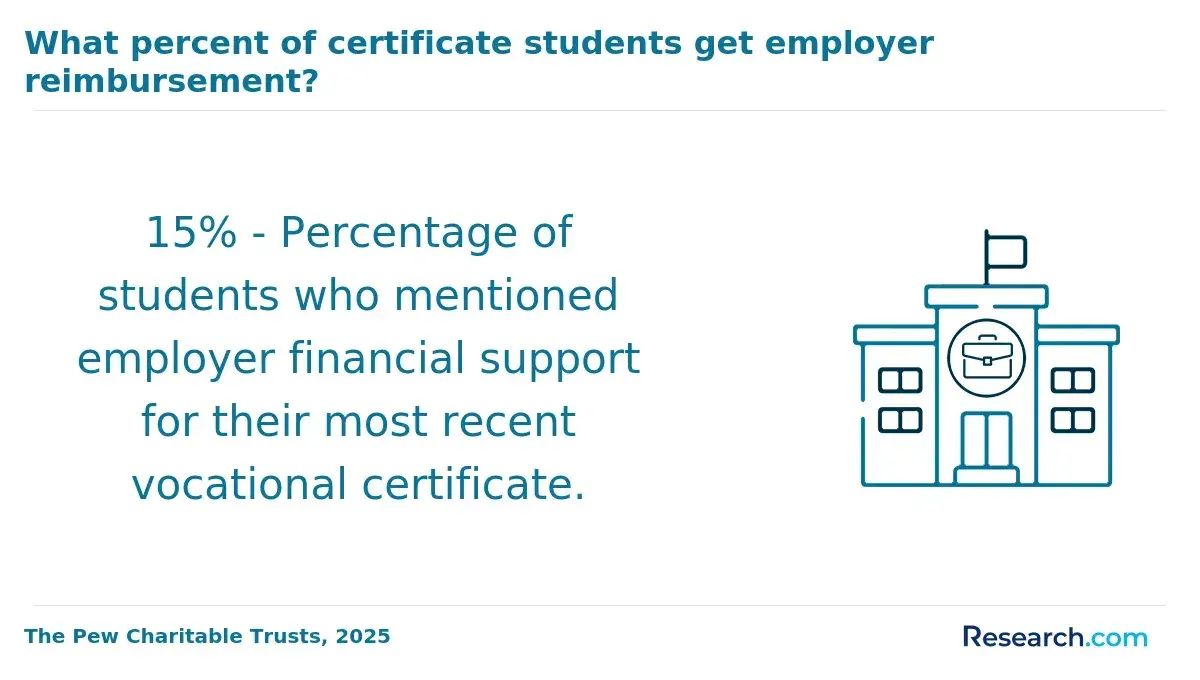
Financial aid considerations substantially influence the net cost and feasibility of RN to BSN programs, with tuition often ranging from $300 to $600 per credit hour before assistance. In practice, many nurses employed by large healthcare systems benefit from employer tuition reimbursement programs covering 50-75% of costs, which combined with federal aid, significantly lower out-of-pocket expenses. However, these benefits require proactive navigation of financial aid options, such as completing the Free Application for Federal Student Aid (FAFSA) early and ensuring program accreditation by CCNE or ACEN.
State-specific grants and scholarships serve as pivotal resources for residents attending in-state public institutions, directly mitigating per-credit charges or supplementing loans and thus reducing long-term debt burdens. Nonprofit organizations targeting underrepresented RN to BSN students or those from rural and underserved urban areas offer further targeted scholarship opportunities, augmenting financial feasibility. Private nursing scholarships, although competitive, reward demonstrated clinical skill or leadership potential.
Those evaluating rn to bsn programs financial aid options must weigh the administrative effort and eligibility criteria against the tangible reduction in financial strain and faster career progression. Failure to optimize aid pathways may prolong debt exposure and delay the workforce benefits associated with BSN credentials.
For those continuing in nursing education, such as pursuing PhD programs for nurses, understanding financial aid structures is equally essential. More detailed analysis is available at PhD programs for nurses.
Effective use of financial aid requires students to balance immediate affordability with long-term career goals and regional employer expectations, ensuring both financial and professional returns on their educational investment.
What are the admission requirements for online RN to BSN programs?
Successful enrollment in online RN to BSN programs hinges on meeting specific, non-negotiable requirements that directly impact a nurse's timeline and career trajectory. Candidates must possess an unencumbered RN license from a U.S. state or territory and hold an associate degree in nursing (ADN) or a recognized diploma. Most programs enforce a minimum GPA around 2.5 to 3.0, reflecting employer expectations for academic readiness. Verification through official transcripts is mandatory, ensuring documented proof of foundational nursing knowledge and clinical experience, often at least one year, to confirm practical competence before advancing to upper-division coursework.
Beyond core credentials, prerequisites commonly include general education courses-statistics, microbiology, anatomy-completed prior or in tandem with RN to BSN program enrollment. For students pursuing online rn to bsn program enrollment requirements, missing or incomplete prerequisites can delay course start and financial aid disbursement, directly affecting workforce re-entry timing.
Real-world challenges include navigating transcript requests across institutions and managing licensure reciprocity constraints during state relocations. Programs such as Western Governors University exemplify how tuition averaging $7,996 annually can deliver high return on investment (ROI), a critical consideration given varying program costs and job market premiums. To explore options aligned with accelerated nursing credentials, see the fastest post master's FNP certificate pathways, which illustrate comparable tradeoffs in pacing and credentialing intensity.
How long does an online RN to BSN program take?
Pursuing an online RN to BSN program involves balancing duration, workload, and career timing, with typical completion spanning 12 to 18 months full-time or extending to 24 months part-time. Accelerated formats can finish in as little as nine months but often demand an unsustainable course load for nurses maintaining full work shifts. Transfer credit policies significantly influence completion time; programs accepting more prior credits reduce redundancy, though students must carefully verify institutional rules to avoid unexpected delays.
Clinical hour requirements, which range from 50 to 120 hours, also shape progression. These practicum components are generally scheduled with flexibility, but securing placements can become a bottleneck, particularly in rural or saturated markets.
Financial considerations interplay with program length: shorter durations often increase per-credit costs but lower cumulative living and opportunity expenses, while longer pathways ease immediate financial pressure at the cost of deferred professional advancement. For example, nurses in critical care or underserved areas may need the extended timeframe to maintain employment, delaying salary upgrades tied to the BSN credential. Conversely, those aiming for managerial roles should weigh accelerated options to expedite upward mobility.
According to Learn.org, the average tuition for the ten least expensive online RN to BSN programs is approximately $2,310, illustrating that affordable routes exist without sacrificing standardized credential quality.
What courses are included in RN to BSN curricula?
RN to BSN programs extend nursing skills beyond bedside care, incorporating leadership, community health, and evidence-based practice to address the increasing complexity of healthcare roles. Graduates are expected to navigate cross-setting coordination and population health challenges, especially relevant for outpatient and public health environments where preventive strategies and social determinants influence patient outcomes.
Core coursework typically includes nursing research and statistics, informatics for electronic health record management, and comprehensive health assessment skills tailored to diverse populations. Leadership and management education focuses on team dynamics, conflict resolution, and ethical decision-making, preparing nurses for supervisory roles or participation in quality improvement initiatives within various healthcare settings.
Healthcare policy and finance components provide necessary context for navigating reimbursement systems and regulatory pressures, which is critical for nurses moving into administrative or advocacy positions. Students must consider programs' practicum or capstone requirements, as these provide hands-on system redesign or patient education experience, contrasting with fully online models that emphasize theory but limit applied practice.
Tuition in New York illustrates significant financial variation: public institutions charge between $10,000 and $15,000, while private schools range from $17,000 to $25,000. This difference can heavily influence working professionals balancing cost against program format and flexibility, essential factors when evaluating rn to bsn programs for both immediate employability and long-term career trajectory.
How do online RN to BSN programs compare with campus options?
Tuition differences based on residency status create a defining cost barrier in rn to bsn programs, with in-state students often paying under a quarter of the fees charged to out-of-state counterparts. For instance, the University of Maryland imposes a near 4x cost penalty for non-residents-approximately $37,738 versus $9,196 for Maryland residents across two semesters-impacting affordability and potentially shaping enrollment decisions.
This disparity underscores a critical tradeoff: campus programs offer tangible benefits like localized clinical collaborations, networking proximity, and stronger employer visibility within state-based health systems that prioritize regional credentials. Conversely, online options reduce expenses tied to relocation and daily commuting, providing a flexible alternative for working nurses managing unpredictable schedules or family obligations but with limitations in experiential learning and employer connections in some regions.
Decision factors include:
- Residency status-driven tuition cost differences that can quadruple program expenses
- Employer recognition variances that may favor campus-based education within local health networks
- Access to in-person clinical opportunities and professional networking enabling better job placement prospects
- Flexibility of online formats enabling pacing control, offset by lesser direct interaction and potentially slower integration into professional environments
Working nurses in rural or licensure-restrictive states often find online rn to bsn programs pragmatically advantageous despite tradeoffs. Those targeting institutional support and stronger local employability weigh campus options more heavily. Ultimately, aligning educational choice with residency realities and strategic career outcomes is key.
What jobs can you get with a BSN degree?
Holding a BSN degree notably expands an RN's professional landscape beyond direct patient care, enabling access to leadership roles such as charge nurse or nurse manager, and specialized fields like public health nursing and case management. Unlike the ADN, the BSN aligns with employer demands-especially hospitals pursuing Magnet Recognition-where nurses with BSN credentials are preferred or required, impacting hiring and promotional pathways.
This credential is also a gateway to roles in community health and healthcare policy, areas less accessible to ADN holders without additional education. Employers often attach a 5-15% salary premium to BSN-prepared nurses, a differential that can substantially affect lifetime income, though offset by the considerable tuition cost for online RN to BSN programs, which ranges from $8,000 to $50,000 nationally.
Consider a nurse in a high-cost urban hospital: pursuing a BSN can facilitate specialization in clinical education or wound care, positions demanding BSN-level competencies. Conversely, RNs aiming for immediate bedside roles in rural hospitals may derive less economic benefit given local wage scales and hiring policies. Evaluating these local market conditions is essential before enrolling in RN to BSN programs to ensure the investment aligns with one's career and financial objectives.
How much do BSN-prepared registered nurses earn?
A BSN credential often delivers a substantial salary advantage over an ADN, with median annual wages around $85,000 versus notably lower figures for associates-prepared nurses. This difference translates directly to higher starting pay and access to advanced roles like nurse manager or clinical nurse leader, which frequently require a BSN. Metropolitan hospitals, especially those pursuing Magnet status or maintaining strong teaching affiliations, commonly mandate BSN preparation and offer 10-15% salary premiums to comply. For example, a nurse in a large city hospital might earn $10,000 to $15,000 more annually than a peer with just an ADN, while smaller or rural facilities may provide smaller salary increments but still recognize the credential's value.
Financial considerations shape the return on investment for students in rn to bsn programs. Some universities, such as the University of Rochester, supply tuition-free pathways, drastically cutting upfront costs and enabling quicker wage gains without accumulating significant debt. This element is especially meaningful for working nurses balancing employment and education, allowing them to accelerate wage improvement without excessive financial strain.
Regional wage differences and employer expectations further complicate decision-making. States with high living costs, like California and New York, see greater financial benefits for completing rn to bsn programs than lower-cost regions, affecting payback periods. Those weighing program affordability against expected salary increases should factor in employer mandates, geographic wage disparities, program structure, and potential career mobility.
What is the job outlook for BSN-prepared registered nurses?
Employers in hospital systems and large healthcare organizations increasingly prioritize registered nurses with a Bachelor of Science in Nursing (BSN), especially where Magnet status or evidence-based practices define organizational standards. Nurses with BSN credentials earn approximately $19,000 more annually than those with an Associate Degree in Nursing (ADN), leading to a cumulative difference exceeding $190,000 over a decade. This direct financial impact shapes crucial decisions for working RNs contemplating the RN to BSN Programs path.
Beyond pay, BSN-prepared nurses often qualify for leadership roles, specialized clinical positions like public health or medical-surgical care, and experience smoother promotion trajectories. For instance, an RN in an acute care hospital without a BSN may face stagnation, while holding a BSN opens doors to nurse manager or clinical nurse specialist roles requiring bachelor-level education. Employers' demand reflects competencies linked to BSN training, including research literacy and interdisciplinary collaboration, less emphasized in ADN programs.
Practical factors influence BSN pathway decisions:
- Flexible online RN to BSN Programs mitigate scheduling conflicts between work, family, and study commitments.
- State regulations increasingly mandate BSN completion within set timeframes after licensure, influencing hiring eligibility.
- The shortage of BSN-qualified nurses in specific regions enhances geographic mobility and job stability.
Ultimately, RN to BSN Programs represent a tradeoff between upfront educational investment and long-term earnings potential plus expanded job access. Decision-makers must weigh immediate logistical challenges against tangible financial and professional returns.
Other Things You Should Know About RN to BSN Programs
Online RN to BSN programs vary in workload, but most require 1 to 2 years of part-time study, which can be demanding alongside full-time nursing jobs. The key tradeoff is pacing: accelerated programs reduce calendar time but increase weekly hours, potentially impacting work-life balance. Nurses must prioritize programs with flexible scheduling and asynchronous coursework to manage clinical shifts without compromising academic performance.
Employers increasingly accept online RN to BSN degrees if the program is regionally accredited and offered by a reputable institution. The distinction lies more in accreditation and clinical practicum quality than delivery format. Candidates should verify that their online program includes rigorous practical components because employers prioritize demonstrable clinical competence alongside the BSN credential.
No. Most online RN to BSN programs are RN-to-BSN completion degrees and use the student’s current nursing license and workplace experience instead of new clinical rotations. Some programs still require a community health project, practicum, or capstone of 30 to 90 hours under a preceptor.
Leadership and community health are crucial focuses in 2027 RN to BSN programs, as they enhance nurses' capabilities in diverse healthcare settings. These programs equip returning nurses with essential skills for managing teams and addressing broader public health issues, which are increasingly valued in today’s healthcare industry.
References
- Scholarships & Financial Aid https://www.aacnnursing.org/students/scholarships-financial-aid
- What Does It Take to Go from RN to BSN? https://www.chamberlain.edu/blog/what-does-it-take-to-go-from-an-rn-to-bsn
- What is the Best Online RN to BSN Program? A Guide for Working Nurses https://webber.edu/what-is-the-best-online-rn-to-bsn-program-a-guide-for-working-nurses/
- What Is an RN to BSN Degree? (Program Benefits & Curriculum) https://www.allnursingschools.com/bsn/rn-to-bsn/
- What Careers and Salaries Can You Have with a BSN Degree? https://www.widener.edu/academics/undergraduate-programs/nursing-bsn-degree/careers-salaries-bsn-degree
- RN to BSN Full-Time Option Plan of Study https://www.muw.edu/nursing/bsn/rnbsn/fulltime/
- Top Online RN to BSN Programs with Financial Aid https://www.edumed.org/online-schools/nursing-rn-programs/rn-to-bsn/financial-aid/
- Top Online Accredited RN-BSN Programs - Better Nurse https://betternurse.org/bsn-degrees/
- RN to BSN Curriculum https://www.moravian.edu/nursing/rn-to-bsn-curriculum
- Nursing School Accreditation https://nursinglicensemap.com/nursing-degrees/nursing-accreditation/