2027 Best Online Master's in Public Administration for Public-Sector Career Mobility

Co-Founder and Chief Data Scientist
Many professionals with unrelated undergraduate degrees face challenges when transitioning into public-sector roles. They often encounter confusing program choices, inflexible schedules, and unclear career outcomes. Employers increasingly seek candidates with advanced knowledge in public administration combined with practical skills adaptable to evolving government needs.
Navigating this landscape requires an approach that balances academic rigor with accessibility. This article examines online master's in public administration programs tailored for career mobility. It aims to guide readers toward accredited, flexible options that empower successful entry or advancement in public-sector careers.
Key Things You Should Know
- Online master's in public administration programs offer flexible learning with curriculum focused on policy analysis, budgeting, and leadership, ideal for advancing public-sector careers.
- Graduates see a median salary increase of about 15% within two years, supported by expanding demand for skilled administrators in government and nonprofit organizations.
- Accredited programs emphasize practical skills and networking, with 70% of students reporting improved career mobility and leadership opportunities after completion.
What is an online master's in public administration, and who is it best suited for?
An online master's in public administration programs in the United States offer flexible options for individuals aiming to develop leadership and management skills tailored to public service. These degrees focus on policy analysis, budgeting, human resources, and organizational behavior relevant to government agencies and nonprofit organizations. They suit working professionals seeking flexible learning schedules as well as recent graduates from social sciences or political science fields who want to enter public-sector roles.
Key candidates for the best online master's in public administration for public-sector professionals include:
- Government employees pursuing promotions into management.
- Nonprofit leaders improving funding strategies and operations.
- Professionals transitioning from private sectors to public service.
- Individuals interested in policy development, urban planning, or community leadership.
Compared to MBA programs, an MPA specializes in the unique challenges of public and nonprofit sectors, preparing graduates for complex regulatory environments and budgetary constraints. According to the U.S. Bureau of Labor Statistics, management positions often held by MPA graduates have a median annual wage of $120,970, significantly higher than the overall median across occupations.
Many programs offer concentrations such as public finance or emergency management to tailor learning to career goals. For those exploring broader business skills useful in leadership, consider an online business administration degree as a complementary credential. This adaptability marks an online MPA as a practical and strategic step for advancing a public-sector career.
How do online MPA programs compare with on-campus options for flexibility and quality?
Online MPA program flexibility and quality comparison reveals that online options offer remarkable adaptability for working professionals balancing full-time jobs, family, or relocation. Students access lectures asynchronously, eliminating geographic barriers and commuting, which addresses the scheduling challenges often faced by public-sector workers pursuing career growth.
Differences between online and on-campus public administration programs have narrowed, with many accredited universities using identical faculty, curriculum, and accreditation across both. Enhanced online formats include live virtual classes, group projects, and local internships to keep academic rigor and engagement high. Prospective students should confirm program accreditation and faculty qualifications to meet their career goals effectively.
For public-sector professionals, such as mid-career administrative managers, pursuing an online MPA can provide leadership development without interrupting steady employment. The U.S. Bureau of Labor Statistics projects an 8% growth in government employment of administrative managers between 2022 and 2032, with approximately 31,400 annual job openings, signaling strong demand for such qualifications.
Students should evaluate whether online programs offer networking, mentorship, and career services comparable to on-campus students. Hybrid models or partnerships with local agencies can enhance practical experience and job placement opportunities. Those looking for specialized options might explore programs like a healthcare administration degree online California, which illustrate the expanding online offerings in public administration education.
Which accredited schools offer the best online master's in public administration programs?
Several accredited institutions are recognized for their top online master's in public administration programs, combining affordability, quality, and career mobility. Universities such as the University of Southern California, Syracuse University, and the University of North Carolina at Chapel Hill rank highly thanks to rigorous curricula and strong alumni networks. These programs integrate practical leadership development with policy analysis, preparing students for senior roles in government and nonprofit sectors. Pursuing one of the best accredited online master's in public administration programs offers a pathway to public-sector career advancement.
Tuition costs vary widely, with prices ranging from approximately $10,000 to $69,000, and a median near $25,000, allowing students to select programs aligned with their budget without sacrificing accreditation or educational standards. Accreditation by NASPAA (Network of Schools of Public Policy, Affairs, and Administration) ensures that programs meet essential national standards often required for federal and state employment.
Students should evaluate program length, flexibility, and specialization options. For example, Arizona State University offers emergency management and urban policy tracks, while the University of Colorado Denver focuses on government performance. These specializations boost career options in targeted public-sector fields. Those interested in complementing their public administration expertise might explore related degrees like a project management bachelor degree online to further enhance their leadership skills and marketability.
What accreditation should an online MPA program have, and why does it matter?
Accreditation is a critical factor when selecting an online MPA program in the United States, with the Network of Schools of Public Policy, Affairs, and Administration (NASPAA) serving as the leading accreditor. NASPAA accreditation ensures programs meet high academic and professional standards, reflecting curriculum relevance, faculty expertise, and access to essential resources.
Regional accreditation also plays a vital role in the importance of regional accreditation for Public Administration degrees, impacting degree recognition by employers and access to federal financial aid. Many government and nonprofit employers prefer candidates with degrees from accredited programs, as this confirms the quality and relevance of their education.
Accredited programs frequently update coursework to address challenges in ethical governance, public policy, and management, which is essential for professionals aiming to advance in roles like medical and health services management, where the median salary reached $119,840. Employment growth in these fields is projected at 28% from 2022 to 2032.
When considering online MPA programs, verify accreditation through NASPAA or equivalent regional bodies to ensure your degree supports career growth. Additionally, for professionals interested in accelerated options, exploring the fastest business degree online paths can provide valuable alternatives to traditional timelines.
What are the typical admission requirements for an online MPA program?
Typical admission requirements for an online master's in public administration (MPA) program usually include a completed bachelor's degree from an accredited institution. While degrees in any discipline are acceptable, applicants with backgrounds in social sciences, political science, or business may benefit from related coursework. A cumulative GPA of 3.0 or higher is commonly required, though some programs may accept lower GPAs if supported by significant professional experience.
Applicants must provide official transcripts, a current résumé or CV, and two to three letters of recommendation from academic or professional sources who can attest to their potential. Many programs also require a personal statement outlining career goals and motivation for pursuing an MPA.
Standardized tests such as the GRE or GMAT are increasingly optional, especially for online programs designed for working professionals, although some selective programs still require them or offer waivers based on prior experience.
Work experience in public service or a related field is highly valued and sometimes mandatory, with many schools requesting at least two years to ensure practical insights during studies.
Admissions Trends and Selectivity in top online MPA programs show an average acceptance rate of 69% and enrollment yield of 58%, indicating moderate selectivity and strong student commitment.
How long does it take to complete an online MPA, and what does it cost?
Completing an online MPA generally requires 18 to 36 months, depending on full-time or part-time enrollment. Accelerated options enable some students, especially those with previous graduate credits, to finish in about 12 months. Part-time learners balancing careers often take closer to three years, providing flexibility without hindering professional progress.
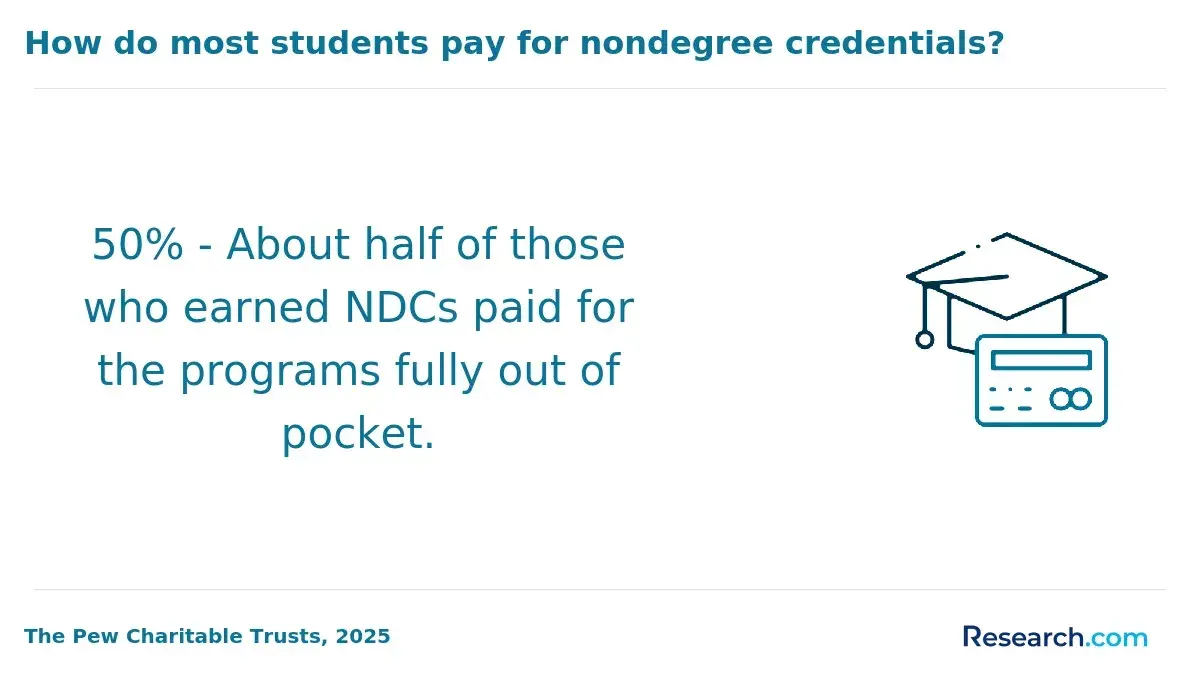
Tuition varies widely by institution type, residency, and program length. Public universities typically charge between $15,000 and $40,000 total, while private institutions can range from $30,000 to $70,000 or more. Additional expenses, such as technology fees and textbooks, should also be considered for a full cost assessment.
Financial aid, employer tuition reimbursement, and scholarships help reduce expenses for many students. According to U.S. News data, top-ranked public affairs schools report online MPA graduation and job placement rates comparable to traditional on-campus programs, often exceeding 90% employment within six months.
Key factors to evaluate include program accreditation, scheduling flexibility, and internship or networking opportunities. Strong alumni networks and partnerships with local governments can support faster job placement. Assessing these elements alongside cost and duration ensures alignment with career goals for public administration professionals.
What core courses and specializations are offered in online MPA curricula?
Online MPA programs cover core courses that develop foundational knowledge in public-sector management and governance. Key subjects include public finance, organizational theory, policy analysis, ethics in public service, and quantitative decision-making. These areas equip students with essential skills in budgeting, program evaluation, and ethical leadership necessary for effective administration.
Students can specialize in areas such as emergency management, homeland security, health policy, nonprofit management, urban planning, and public budgeting. For instance, emergency management prepares students to coordinate disaster response and manage interagency collaboration, reflecting an 8% job growth forecast for emergency management directors through 2032 and a median salary of $87,740.
Other popular tracks emphasize public health administration, leadership of mission-driven nonprofits, or sustainable urban planning, often involving case studies and stakeholder engagement. Many programs offer electives tailored to state or local government needs or emerging challenges like cybersecurity and environmental policy, providing adaptability for working professionals.
Combining core coursework with specialized tracks, online MPA curricula develop practical skills and expertise that align with current workforce demands and policy innovations, supporting advancement in diverse public-sector leadership roles.
What public-sector and nonprofit careers can you pursue with an online MPA?
An online master's in public administration (MPA) prepares graduates for diverse roles in public-sector and nonprofit organizations. Common career options include city or county manager, budget analyst, policy analyst, public affairs director, and program coordinator. These positions focus on managing resources, developing policies, and improving community services. Leadership roles in nonprofit management also appeal to MPA graduates, involving responsibilities like fundraising, volunteer coordination, and program execution.
Specialized career paths often depend on prior experience and concentration areas. Graduates with health administration emphasis might pursue public health program director or healthcare policy advisor roles. Those focused on environmental policy frequently become sustainability coordinators within local governments or advocacy groups.
Advancement in these sectors typically requires skills in budgeting, human resources, and organizational leadership, all central in an MPA curriculum. Municipal government leadership roles usually demand practical experience and an advanced degree, while federal positions such as management analyst or budget officer commonly require a master's credential.
Financial support for working professionals is widely available. A 2024 survey by the Society for Human Resource Management found that 48% of U.S. employers offer tuition assistance or reimbursement, easing the financial burden of earning an MPA while maintaining employment.
What salary ranges and promotion opportunities can MPA graduates expect in public service?
MPA graduates in public service typically earn between $55,000 and $110,000 annually, influenced by factors like location, agency size, and responsibility level. Entry-level roles generally pay $50,000 to $65,000, while mid-career professionals with a master's degree can expect $75,000 to $95,000. Senior positions, such as department heads or policy directors, often exceed $100,000. According to the U.S. Bureau of Labor Statistics, urban and federal jobs tend to offer higher salaries due to larger budgets and more complex operations.
Advancement usually follows a path from analyst or project management roles to leadership titles like program manager, director, or chief administrative officer. More than half of MPA students attend accredited programs and gain valuable practical experience, helping many career changers move more rapidly into higher-responsibility jobs compared to those without advanced degrees.
Key skills in budgeting, strategic planning, and policy analysis emphasized in MPA programs significantly enhance promotion prospects and salary growth. For instance, a city budget analyst might progress to finance director within five years with strong performance and an MPA.
Targeting public agencies with structured career ladders and engaging in networking through professional public administration associations can improve both advancement and earning potential. Pursuing specialized certifications also adds value over time.
How can prospective students choose the right online MPA for their career goals?
Choosing the right online mpa program depends largely on your career goals, whether in local government management, policy analysis, nonprofit leadership, or data-driven roles. Programs that emphasize quantitative methods, data analytics, and technology in governance benefit students aiming for analytical positions in public administration.
Accreditation from recognized bodies like NASPAA ensures academic excellence and a focus on public-sector skills. Faculty with expertise in contemporary public policy and digital government initiatives offer relevant and up-to-date instruction.
Practical experience is essential. Look for programs offering internships, capstone projects, or collaborations with government agencies to gain hands-on skills valued by employers.
Flexibility is key for working professionals. Online programs with asynchronous coursework and occasional live sessions help balance study and job responsibilities. Consider both part-time and full-time options to find a timing that fits your schedule.
Specializing in areas like operations research or public-sector analytics positions you well for future job growth. The U.S. Bureau of Labor Statistics projects 35% employment growth for operations research analysts from 2022 to 2032, with a 2024 median wage of $99,930.
Strong support services-career advising, alumni networks, and employer connections-are vital for post-graduation success in public administration careers.
Other Things You Should Know About Public Administration
Many online MPA programs require a capstone, thesis, or applied policy project in the final term. Typical projects are 3 to 6 credits and ask students to analyze a real public-sector problem, use administrative data, and present recommendations to a faculty supervisor or agency partner.
Yes, online master's in public administration programs are designed to equip students with leadership competencies relevant to government positions. Coursework often focuses on strategic planning, public policy implementation, and organizational management, which are vital for leading teams and projects in public agencies. Many programs include practical case studies and simulations that simulate real-world government challenges.
Some online master's in public administration programs require internships or capstone projects to provide hands-on experience. These components allow students to apply theoretical knowledge in real-world public-sector settings, enhancing their practical skills. However, requirements vary by program, with some offering flexibility for working professionals to fulfill this through current employment.
References
- Understanding the Value in a Public Policy Degree https://www.callutheran.edu/programs/articles/understanding-value-public-policy-degree/
- Roster of Accredited Programs https://www.naspaa.org/accreditation/roster-accredited-programs
- Best Online NASPAA Accredited MPA Programs https://www.mastersofpublicadministration.org/naspaa-accredited-mpa-programs
- Career Path in the public service https://www.publicjobs.ie/en/information-hub/civil-service-career-path
- Public Administration - online (MPA) - Grad admissions - University of Victoria https://www.uvic.ca/graduate/programs/graduate-programs/credential-pages/public-administration-cred/public-administration-online-mpa.php
- Learn How To Earn A Master’s In Public Administration Online https://www.learnhowtobecome.org/best-online-masters-in-public-administration-degree-programs/
- How to Choose the Right Online Business Program for Your Career Goals https://www.abms.ch/post/how-to-choose-the-right-online-business-program-for-your-career-goals
- Online Master of Public Administration - Graduate School of Public Policy https://www.schoolofpublicpolicy.sk.ca/programs/masters-programs/online-master-of-public-administration.php
- How Long Does It Take to Earn an Online MPA Degree – Full-Time vs. Part-Time Programs https://www.onlinempaprograms.com/faqs/length-of-mpa-programs
- Ranking of the Best Masters, MS & MBA 2025 https://www.best-masters.com/master-public-administration-management-ranking.html