2027 Psychology - Mental Health Specializations That Best Match Stable Human Services Careers

Co-Founder and Chief Data Scientist
Choosing a mental health specialization that aligns with stable career prospects poses a daunting challenge, particularly as workforce data from the U. S. Bureau of Labor Statistics projects a 21% growth in mental health counseling jobs through 2032. This demand surge reflects expanding access to online programs, which increased enrollments by 12% in 2023 among adult learners balancing work and study, signaling a shift toward flexible education models.
Students and professionals confronting this evolving landscape must weigh not only demand but also licensure requirements, employer preferences, and program delivery to avoid dead-end tracks. This article evaluates mental health specializations most compatible with secure human services careers, offering clarity for strategic education and employment decisions.
Key Things You Should Know
- Employment projections from the U.S. Bureau of Labor Statistics forecast a 13% rise in mental health counselor roles by 2026, emphasizing graduates with master's degrees but creating barriers for those limited to bachelor's credentials.
- Employer demand increasingly favors specialists in trauma-informed care and teletherapy modalities, requiring targeted certification investments and shifting graduate programs toward niche clinical competencies.
- Average student debt for mental health master's graduates hits $62,000 per the 2024 National Center for Education Statistics, pressuring candidates to prioritize accelerated or hybrid format programs to reduce time-to-employment.
What psychology mental health specializations lead to the most stable human services careers?
Specializations in clinical psychology, counseling psychology, and psychiatric social work remain among the most stable psychology mental health specializations for stable human services careers due to their alignment with durable workforce demands. With over 2.2 million mental-health-related jobs documented in 2022 and projected openings exceeding 200,000 annually through 2032, these fields surpass average occupational growth, offering relative employment security amid economic shifts.
Clinical psychologists often serve in hospitals and outpatient centers, addressing severe mental illnesses with funding from both public and private sources. In contrast, counseling psychologists are typically positioned within educational, rehabilitation, and corporate wellness settings, offering roles less vulnerable to economic downturns. Psychiatric social workers, by integrating psychological and social service competencies, sustain roles in government-run programs and social agencies, where budget constraints tend to affect fee-for-service models more than these stable channels.
Hiring managers prioritize candidates who hold graduate licensure, possess practical clinical experience, and demonstrate telehealth competencies-essential as remote services expand rapidly. Candidates must also navigate divergent local licensure requirements and labor market variability between rural and urban areas. For those evaluating how to efficiently enter this space, exploring a fast track psychology degree can reduce time-to-practice without sacrificing key qualifications.
Employers typically value these psychology mental health careers in human services for blending technical clinical skills with adaptable delivery methods, yet candidates should weigh practical constraints such as continuous licensure education and regional service demand when planning their career trajectory.
What degrees do you need to work in psychology-related mental health human services?
Entering psychology-related mental health human services with only a bachelor's degree limits licensure potential and practice scope, especially since most clinical roles require a master's degree in counseling, clinical psychology, social work, or marriage and family therapy. For instance, becoming a Licensed Clinical Social Worker (LCSW) or Licensed Professional Counselor (LPC) demands graduate education plus 2,000-4,000 supervised clinical hours, varying by state. Doctorate degrees (PhD or PsyD) are typically reserved for psychologists responsible for assessment, diagnosis, or research, but not always mandatory for direct counseling within human services.
Employment projections reveal an 18% growth for substance abuse, behavioral disorder, and mental health counselors through 2032, translating to roughly 48,900 annual openings. This expansion intensifies competition for licensure-compliant programs, especially in specialties like substance use counseling where state-specific certifications are decisive for employment. Evaluating educational requirements for mental health human services jobs means carefully balancing program length, cost, and supervision components to avoid extended post-graduate delays for licensure.
Prospective students must map licensure standards early in their program search to streamline workforce entry. Programs that integrate supervised clinical experience improve time-to-practice significantly compared to those requiring additional post-graduate training. For those exploring forensic psychology, the forensic psychology major represents a distinct pathway with specialized credentials, illustrating how degree selection aligns with specific career trajectories within Psychology - Mental Health.
- Minimum bachelor's degree insufficient for clinical licensure or independent practice
- Master's plus clinical hours vital for LPC or LCSW certification
- Doctorate often essential for psychologists focused on diagnosis and research
- Employment growth favors counselors with state-approved credentials
- Early understanding of licensure needs reduces costly training delays
How do psychology mental health specializations differ in day-to-day roles and populations served?
Specializations within psychology mental health vary significantly in practical focus, influencing daily clinical practice and career trajectories. Clinical psychologists are often immersed in diagnosing and treating severe psychological disorders across diverse outpatient or hospital settings, typically working with adults facing complex conditions. In contrast, counseling psychologists address less acute concerns like adjustment difficulties or relational problems, largely employing talk therapies within community or educational environments. These differences shape the intensity and scope of client populations served by mental health professionals.
Social workers in mental health and substance abuse embody a community-centered role, emphasizing case management, resource connection, and advocacy for underserved populations such as families facing socioeconomic disadvantages or individuals with co-occurring diagnoses. Their work is poised for notable growth, with the U.S. Bureau of Labor Statistics projecting 10-11% expansion and roughly 9,500 openings annually, highlighting sector demand.
Other fields like industrial-organizational psychology prioritize workplace mental health and organizational dynamics, rarely engaging in direct clinical care. School psychologists focus on educational settings, addressing cognitive and behavioral challenges for children and adolescents. These varied roles reflect essential tradeoffs regarding client intensity, licensure, and work environment stability that candidates must weigh carefully.
For professionals seeking advanced credentials, an online PhD in counseling can offer a pathway balancing flexibility and practical preparation tailored to counseling psychology's client demographics and therapeutic approaches.
What accredited psychology and mental health programs best prepare you for human services work?
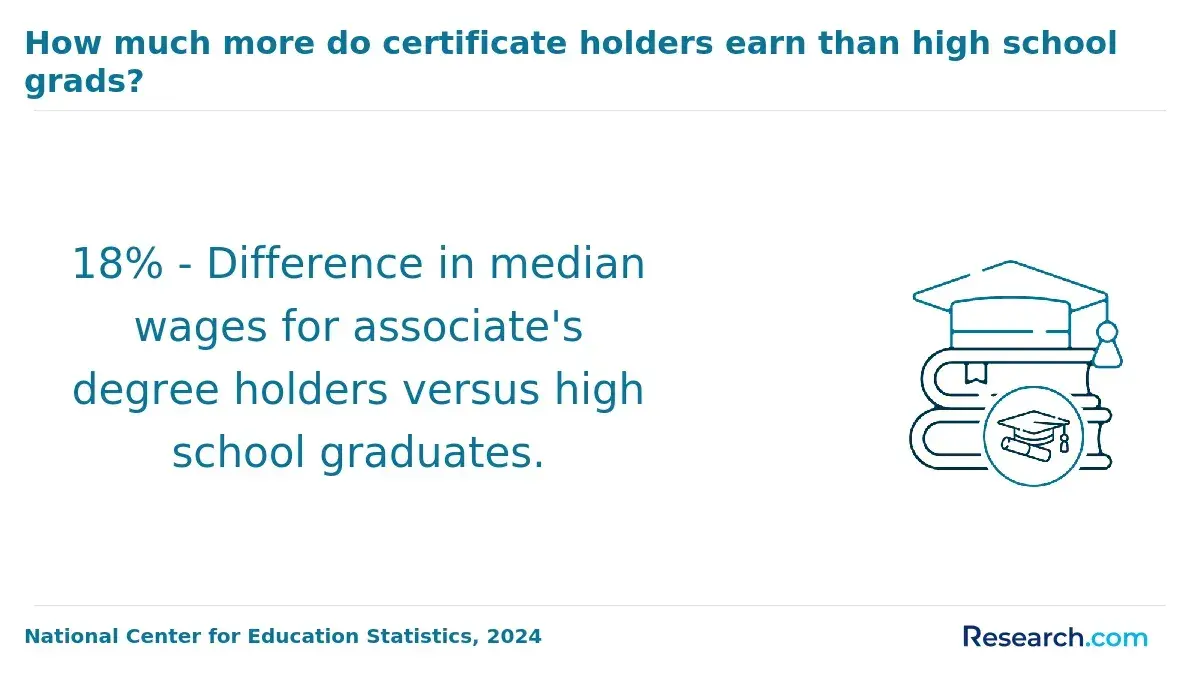
Employers in human services prioritize demonstrable skills over degree prestige, making accredited psychology and mental health degree programs for human services careers especially valuable when closely aligned with workforce needs. Associate degrees focusing on behavioral health technician roles offer practical clinical training, typically lasting 12 to 18 months, enabling graduates to enter residential treatment or outpatient facilities promptly. Data from the U.S. Bureau of Labor Statistics show such credentials correspond to annual earnings between $30,000 and $52,000, demonstrating their market relevance for entry to mid-level positions.
Top-ranked mental health and psychology programs preparing students for human services often lack specific workflow training unless combined with practicum experiences or certifications. Prospective students should evaluate programs based on:
- Fieldwork or internships within community agencies
- State credentialing alignment for human services professionals
- Evidence-based intervention and documentation training
Certificate programs and associate degrees provide a pragmatic pathway for those seeking fast entry into roles supporting veterans, youth services, or substance abuse recovery, though advancement without further education is limited. Bachelor's degrees offer deeper theory but often miss targeted skill development unless supplemented. Practical training in electronic health record software and compliance with licensing requirements remain key workforce expectations in these fields.
For working adults aiming at affordable options, resources highlighting the cheapest master's in counseling online can inform strategic planning when considering further education beyond initial credentials.
How do online psychology mental health degrees compare to campus programs for career outcomes?
Online psychology - mental health degrees can match traditional programs in career outcomes only if they meet rigorous accreditation and supervised clinical training standards. Employers consistently prioritize verified hands-on practicum experience and eligibility for state licensure over whether coursework was completed online or in person. For example, school psychologists must complete supervised internships endorsed by credentialing bodies to obtain certification. Online programs that require or facilitate local in-person fieldwork allow graduates to remain competitive in hiring markets.
Programs lacking substantial practical placements or adequate supervision often produce candidates who face licensure delays and reduced employer confidence, especially in specialized roles like counseling and school psychology. This challenge directly affects career trajectory and earning potential, as many states have stringent clinical practice requirements that online-only curricula may not fully satisfy. A student in a rural area might succeed with a hybrid approach leveraging local partnerships for supervised hours, while those without access to such opportunities may struggle to advance despite holding a degree.
The projected 6% employment growth for school psychologists through 2032 reflects increased demand for student mental health and special education support. This growth rate matches overall psychologist demand but highlights a competitive environment, emphasizing the need for accredited programs with robust practicum. Decision-makers should carefully assess online options based on accreditation, accessible clinical training, and alignment with state licensure mandates to avoid costly career interruptions.
What core courses and training are included in mental health-focused psychology programs?
The real-world applicability of psychology - mental health programs hinges on bridging theoretical knowledge with hands-on practice, a balance essential for meeting employer expectations in clinical and community settings. Core coursework such as abnormal psychology, cognitive behavioral therapy, and psychopharmacology prepares students to diagnose and treat mental disorders, but employers increasingly prioritize candidates with proficiency in research methods and outcome evaluation to support evidence-based care.
Practical experience through supervised clinical practicums and internships-often located in outpatient therapy centers or community health environments-is a decisive component. These placements focus on culturally competent client assessment and treatment planning, addressing demands for prevention-oriented roles that integrate mental health frameworks with social determinants of health. For example, community health workers rely on training that combines mental health knowledge with outreach skills to effectively reduce barriers within underserved populations.
Specialized training in trauma-informed care and crisis intervention responds to workplace requirements for risk management and client safety, particularly in high-pressure settings like hospitals or social service agencies. Graduates must also demonstrate interdisciplinary collaboration, mirroring team dynamics involving social workers and medical professionals.
Job growth projections from the U.S. Bureau of Labor Statistics indicate an above-average increase in demand for related roles through 2032, but candidates must carefully assess the time and expense of extensive clinical hours, which remain indispensable for certification and competitive employment. This tradeoff can extend program duration and budget, a key consideration for those weighing career pivots or advancing within the mental health workforce.
What are typical admissions requirements and program lengths for mental health psychology degrees?
Choosing a degree in mental health psychology requires weighing program length, admission standards, and post-graduation prospects against personal and professional goals. Bachelor's programs usually need a high school diploma with a GPA around 2.5 to 3.0, and standardized tests are increasingly optional. For master's or doctoral levels, admissions typically demand a bachelor's degree in psychology or a related field, GPA above 3.0, recommendation letters, and clinical or research experience. GRE requirements are diminishing among doctoral programs.
Bachelor's degrees generally require four years of study, while master's programs span two to three years and integrate supervised clinical hours critical for licensure eligibility, such as becoming a Licensed Professional Counselor. Doctoral studies take 4 to 7 years and involve rigorous coursework, research components, and clinical internships aimed at roles in clinical psychology or academia. Prospective students must consider that longer doctoral pathways offer research depth but delay workforce entry compared to master's-level credentials emphasizing practical training.
The demand for mental health practitioners is growing rapidly, with a 21% employment increase projected from 2022 to 2032 by the Bureau of Labor Statistics. Those targeting outpatient or telehealth roles may benefit from master's programs that include practicum experiences, accelerating readiness and meeting workforce needs more swiftly than doctoral options optimized for specialized or academic careers.
What salaries and benefits can you expect in stable mental health human services careers?
Stable careers in mental health human services frequently come with median salaries between $40,000 and $60,000 annually, but more advanced or geographically competitive roles can exceed $70,000. Employment growth of 11% from 2022 to 2032 in residential and crisis service positions within mental health and substance abuse facilities indicates sustained demand despite outpatient trends. However, this growth masks distinct tradeoffs professionals face.
Entry-level roles such as behavioral health technicians and case managers tend to start near $40,000, while licensed counselors, clinical social workers, and specialized therapists-particularly those with credentials like LCSW or LPC-can earn between $50,000 and $75,000. These higher salaries often accompany supervisory duties and licensure requirements, creating longer lead times to employment.
Professional choices involve balancing salary against workload intensity and benefits packages. For instance, government-run crisis intervention specialists typically receive better benefits and job security but must navigate rigorous background checks and credentialing. Conversely, nonprofit or outpatient settings may offer steadier hours but slower wage growth.
When evaluating programs in psychology - mental health, candidates should factor in credential demands, geographic wage variability, and the impact of high-intensity residential roles on work-life balance. These considerations directly influence long-term career sustainability and financial stability.
What licenses or certifications are required for major psychology mental health career paths?
Licensure requirements in psychology - mental health careers impose significant time and regulatory demands that shape practical workforce entry. For licensed clinical psychologists, the multi-year path involves a doctoral degree (PhD or PsyD), roughly 1,500 to 2,000 hours of supervised postdoctoral practice, and passage of the Examination for Professional Practice in Psychology (EPPP). This extensive process typically extends 6 to 8 years after undergraduate studies, limiting rapid transition into the field.
In contrast, master's-trained professionals such as licensed professional counselors (LPCs) and marriage and family therapists (MFTs) generally complete 2,000 to 4,000 hours of supervised clinical work alongside state licensing exams. Licensed clinical social workers (LCSWs) require approximately 3,000 hours and a clinical exam, reflecting varying but substantial supervised experience commitments across roles.
Specialized certifications like those for addiction counselors or behavioral analysts involve fewer clinical hours but rigorous credentialing within narrower practice scopes. Employers rigorously verify active licensure due to ethical and legal mandates, meaning working without appropriate credentials severely restricts employability and salary potential.
Annual salaries vary widely by credential level, with master's-trained counselors ranging from $50,000 to $90,000 and advanced certifications enabling incomes surpassing $139,000. Notably, rural clinicians may face less competition but limited licensure reciprocity, restricting geographic mobility.
Practical considerations include careful scheduling of supervised hours in approved programs, upfront budgeting for exam and application fees, and ongoing relicensing commitments, all of which influence time to hire and career trajectory.
How can you evaluate and choose reputable, accredited psychology mental health programs?
Choosing a psychology - mental health program hinges on verified accreditation, such as CACREP or regional accreditors recognized by the U.S. Department of Education. Accreditation not only confirms academic rigor but also aligns with employer and licensing board expectations. Programs with transparent data on licensure pass rates-ideally above 85%-and consistent placement in public or nonprofit agencies offer clearer pathways to workforce integration.
For those targeting substance abuse counseling, which commands median salaries near $60,000-$65,000, selecting programs that provide specialized certifications or addiction-focused coursework enhances employability. Network opportunities through state-run or nonprofit internships often translate to job offers in behavioral health settings. Conversely, programs boasting inflated outcomes or lacking alignment with local licensing processes can stall credentialing and restrict career options.
Distance learning may reduce upfront costs but risks weaker practical training, a crucial element in clinical roles demanding hands-on experience. Prospective students must weigh program expenses against realistic salary benchmarks, particularly since the highest earners in counseling exceed $98,000 annually. Overextending financially on training that lacks strong career outcomes can delay return on investment and undercut long-term earning potential.
Key considerations include:
- Accreditation status aligned with U.S. Department of Education recognition
- Transparent licensure exam pass rates and graduate employment data
- Curriculum relevance emphasizing evidence-based therapies, ethics, and cultural competence
- Specialized training for high-demand sectors like substance abuse counseling
- Balance between cost, training format, and expected salary tiers
Other Things You Should Know About Psychology - Mental Health
Programs that integrate clinical training alongside academic coursework demand significant time management and emotional resilience. Students often face intense practicum hours while maintaining rigorous classes, which can lead to burnout if not anticipated. Prioritizing programs with clear schedules and strong supervision support reduces stress and improves competency development, making the tradeoff between workload and skill acquisition more manageable.
Specializations such as substance abuse counseling or school psychology can limit geographic and setting flexibility due to state licensing variations and employer expectations. In contrast, broader clinical mental health tracks offer wider applicability but may face greater competition. Emphasizing cross-credentialing or broader certifications increases employability across states and diverse service environments, a strategic move for long-term career stability.
While a doctoral degree often opens doors to independent practice and higher salaries, it requires years of additional training and research commitments that narrow the window for immediate job entry. Many well-paying and stable roles are accessible with a master's degree plus relevant licensure. Candidates should weigh the opportunity cost of extended education against the specific career paths they target, as not all clinical or counseling roles require a doctorate for advancement.
References
- What Can You Do with a Psychology Degree? Explore Career Paths | USAHS https://www.usa.edu/blog/what-can-you-do-with-a-psychology-major/
- Member Support https://membersupport.commonapp.org/membersupport/s/article/Psychology-Clinical-Mental-Health-Counseling-3-2-Program-840
- Human Services Degree | Psychology Degree Guide https://psychologydegreeguide.org/specialty/human-services/
- Counseling Psychology: How to Choose a Master’s Program - Maverick Business Academy London https://mbalondon.org.uk/masters-in-counseling-psychology-how-to-choose/
- Types of Mental Health Professionals | NAMI https://www.nami.org/treatments-and-approaches/types-of-mental-health-professionals/
- How Employers View Online Degrees in Counseling and Psychology https://www.counselingpsychology.org/how-employers-view-online-degrees-in-counseling-and-psychology/
- Exploring Counseling and Psychology Schools: A Guide to Your Educational Journey https://www.qahe.org/article/exploring-counseling-and-psychology-schools-a-guide-to-your-educational-journey/
- 9 Mental Health Careers You Can Pursue with a BA https://www.nec.edu/news/9-mental-health-careers-you-can-pursue-with-a-ba
- How To Choose A Psychology Program | Psychology.org https://www.psychology.org/resources/choosing-a-program/
- What is the Difference Between a Human Services Counseling and Psychology Degree – ECU Online https://online.ecok.edu/articles/human-services-counseling-and-psychology-degree/