2027 Psychology - Mental Health Specializations That Best Match Social Work-Prep Pathways

Co-Founder and Chief Data Scientist
Graduates and practitioners navigating mental health disciplines linked to social work-prep pathways face a daunting decision: how to align specialized psychology training with both licensure and workforce shifts. The U. S. Bureau of Labor Statistics projects a 13% increase in employment for mental health counselors through 2032, intensifying demand while amplifying the need to select programs offering accessible, flexible credentials for non-traditional or working adult students.
This dynamic complicates timing and investment choices, as part-time and fully online options continue to reshape who can enter these fields and when. This article evaluates mental health specializations that best integrate with social work-prep tracks, guiding strategic educational decisions amid evolving professional and enrollment realities.
Key Things You Should Know
- Social work-prep pathways aligned with clinical mental health specialization show 18% higher employment placement post-graduation, per BLS 2024 data, but require extended licensure steps, delaying full practice by 1-2 years.
- Employers prioritize master's-level candidates with integrated trauma-informed care skills due to rising psychiatric comorbidities, driving a 12% wage premium that shifts program selection toward specialized certifications.
- Graduate program costs averaging $35K exacerbate debt-to-income ratios, forcing candidates to weigh accelerated social work credentials against broader psychology degrees with longer ROI horizons, affecting accessibility and retention.
What psychology specializations best prepare students for social work?
Clinical and counseling psychology specializations align most closely with social work careers by focusing on core mental health assessments, diagnosis, and evidence-based interventions essential for clinical social workers. Clinical psychology prepares students to meet licensure requirements and handle complex cases in healthcare or social service environments. Counseling psychology enhances readiness for diverse client populations through lifespan development and multicultural competence. These psychology specializations aligned with social work careers provide practical pathways toward licensure and immediate relevance in community agency settings.
Behavioral psychology contributes valuable behavior modification techniques relevant for substance abuse and developmental disorder cases, yet it typically requires supplemental training to cover social policy, ethics, and systemic issues ingrained in social work practice. Neuropsychology's emphasis on brain-behavior relationships demands additional specialized credentials, making it less suited as a direct social work preparatory specialization.
Choosing a psychology specialization without direct clinical or social service focus can impede employability in agencies requiring licensure or supervised clinical hours. For instance, industrial-organizational psychology graduates may encounter steep retraining when transitioning into social work roles focused on child welfare or mental health counseling. Prioritizing programs with practicum placements in social service settings and relevant coursework reduces retraining expenses and accelerates workforce readiness.
Income disparities reflect these differences: licensed social workers with BSW degrees earn a median $57,680 annually, while MSW holders or clinical social workers backed by related psychology credentials earn $77,250, per the Association of Social Work Boards' 2025 study. Students researching efficient pathways might explore a 2 year psychology degree online to combine expedited credentialing with aligned skill development in mental health fields that complement social work pathways.
What degrees lead into social work from mental health psychology?
Transitioning from a psychology degree to social work requires precise credentialing decisions, as only specialized degrees meet the applied social systems training essential for licensure and practice. A Bachelor's in Psychology focused on clinical or counseling pathways can set the stage, but pursuing a Master's in Social Work (MSW) remains the pivotal credential for those targeting social work roles. This is because the MSW directly equips graduates with competencies in case management, community resource navigation, and psychosocial interventions necessary for licensure such as LCSW.
For working professionals exploring degrees in mental health psychology for social work, the MSW presents the most straightforward entry, unlike other graduate degrees like Clinical Mental Health Counseling or Marriage and Family Therapy, which often demand further certification to align with social work scopes. Hiring entities in healthcare or child welfare contexts highly value MSW credentials due to licensure prerequisites and supervised practice requirements, which can extend career timelines compared to psychology licensure that generally requires doctoral studies.
The practical labor market outlook supports integrated counseling and social systems skills, with the U.S. Bureau of Labor Statistics projecting an 18% growth for substance abuse and mental health counselors through 2032-well above average. Therefore, strategic program choice also hinges on understanding state-specific licensure differences and career timelines.
Students and professionals evaluating pathways from psychology to social work careers would benefit from comparing program structures and accreditations. Exploring online school psychology programs may be relevant for those seeking specialized tracks within psychology before making the pivot to social work domains.
What accreditation should social work-prep psychology programs have?
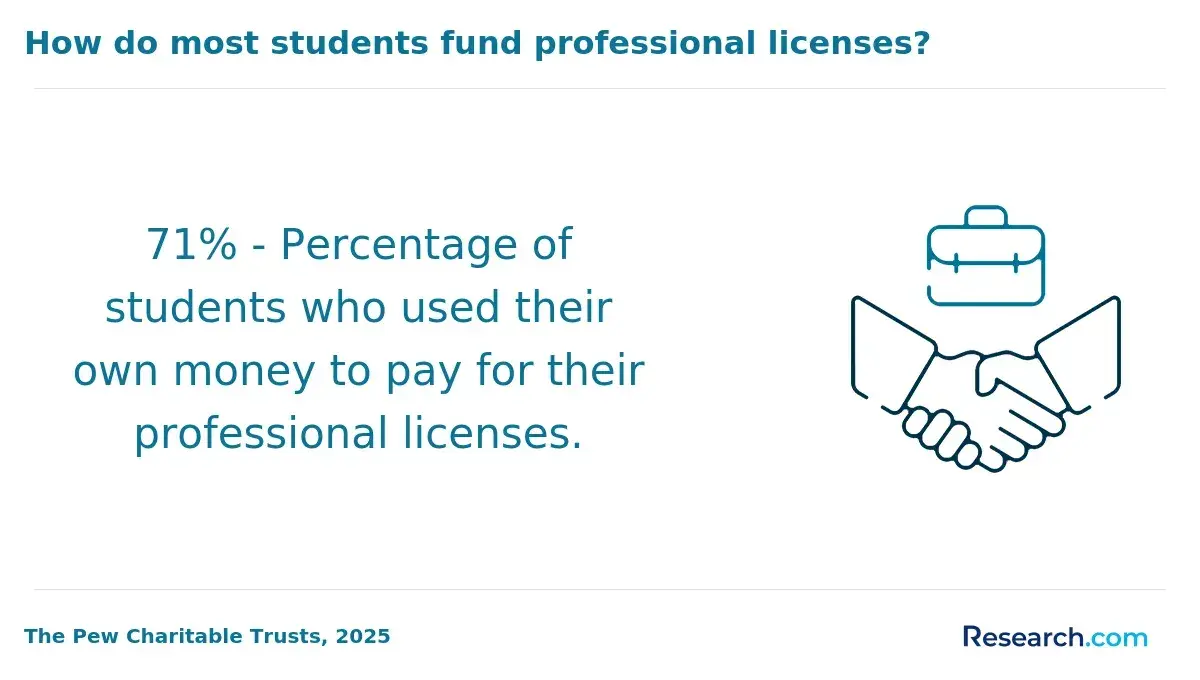
Graduates aiming for clinical social work roles face a non-negotiable requirement: their psychology programs must hold accreditation from the Council on Social Work Education (CSWE). States like New York explicitly mandate CSWE accreditation to qualify for the Licensed Clinical Social Worker (LCSW) exam, making this a critical threshold for licensure and employment in public and private mental health sectors. Selecting a social work-prep program lacking recognized accreditation can stall licensure eligibility, necessitate costly supplementary coursework, and delay entry into specialized clinical roles.
Accreditation also signifies adherence to field standards through structured internships and field placements, essential for direct practice readiness. Employers prioritize candidates from CSWE-accredited programs because these graduates have demonstrated proficiency in core social work competencies and ethical standards upheld nationwide. This criterion remains central even for students assessing accreditation requirements for social work-prep psychology programs in Canada or identifying top recognized accrediting bodies for social work-focused mental health education in Canada, where equivalent oversight structures influence credential portability and credibility.
While psychology bachelor's degree holders earn median salaries starting around $40,000 early-career and reaching $65,000 midcareer, the value of CSWE accreditation lies in unlocking advanced clinical trajectories and expanded earning potential. Prospective students should critically consider how accreditation impacts licensure timing, practical training quality, and long-term employability rather than simply program affordability alone-a dimension captured by resources listing the affordable psychology degree online options.
How do online and campus programs compare for this pathway?
Employers in social work increasingly emphasize verified direct client-service experience over academic credentials alone, presenting a significant recruitment hurdle. The comparison of online and traditional social work pathways in psychology highlights distinct tradeoffs in practical training and licensure readiness. Campus-based programs offer intensive, hands-on internships tied to established local partnerships, granting students immediate access to diverse client populations essential for fulfilling supervised practicum hours. Conversely, online versus campus programs for mental health social work differ primarily in delivery flexibility and field placement challenges; online programs suit professionals seeking adaptable schedules but demand proactive fieldwork arrangements that comply with state licensure requirements.
A mid-career professional managing work-life balance may prefer online programs to continue employment uninterrupted, yet must secure practicums in person to meet licensure standards. Newly graduated students aiming for state agencies or hospitals often gain an edge through immersive campus mentorship and in-person networking, factors valued by employers prioritizing interpersonal competence and collaborative readiness.
Choosing between modalities requires evaluating one's discipline for remote learning, access to quality practicum sites, and state-specific licensure mandates, all of which influence entry-level employability and long-term career stability.
For those researching options, exploring LPC online programs can reveal affordable pathways balancing flexibility with accreditation and outcomes.
What courses matter most in mental health psychology programs?
Prioritizing coursework in abnormal psychology, human development, and psychopathology is essential for those aiming to work in mental health psychology programs with a social work focus. These foundational areas enable accurate diagnosis and effective client assessment across diverse populations. Practical skills from clinical assessment and counseling courses directly translate to intake evaluations, intervention design, and treatment planning in settings like community mental health centers and hospitals.
The inclusion of neuroscience and psychopharmacology is increasingly vital, equipping students to navigate brain-behavior relationships and medication effects, which facilitates collaboration with psychiatric teams and advocacy for integrated client care. Ethics and cultural competence training addresses real-world concerns around confidentiality and decision-making often emphasized by employers.
Mastery of statistical methods and research design supports evidence-based practice, a growing priority for agencies reliant on data-driven outcomes. For instance, students targeting psychiatric technician roles-a field projected to expand by 20% with nearly 29,000 new jobs-must also engage with behavioral observation and crisis intervention techniques.
Tradeoffs between program length and curriculum breadth impact employability: shorter programs enable rapid job entry but limit theoretical depth, while longer programs improve clinical versatility but delay workforce participation. Selection should depend on whether a student's objective is immediate qualification for support roles or deeper capacity in clinical social work practice.
What admission requirements do these psychology programs usually require?
Applicants aiming for psychology - mental health tracks linked to social work-prep must weigh academic thresholds against hands-on experience demands. A bachelor's degree in psychology, social work, or a related field is baseline, but maintaining a competitive GPA frequently means 3.5 or higher, raising the barrier beyond the common 3.0 minimum. Practical exposure is not optional; programs expect documented volunteer or paid hours-often 100 to 300-in mental health or social services settings. This requirement aligns with employers' emphasis on immediate work readiness amid a 16.8% growth rate for counselors facing substance use and behavioral disorders.
GRE scores remain a formal hurdle in many programs, though waiver policies for seasoned professionals reduce this friction. Crafting personal statements requires articulating clear career intents tied to the social work and mental health nexus, while recommendation letters from supervisors familiar with relevant skills continue to carry significant evaluative weight. For professionals shifting careers, part-time or online options exist but necessitate demonstrable time-management capabilities in their applications.
Clinical placement prerequisites introduce additional layers-background checks and immunization proof-that candidates must anticipate early. Considering roughly 81,000 job openings projected over a decade, applicants must assess how well their credentials and real-world experience align with these evolving entry standards, ensuring viable positioning in a sector where practical qualification details directly affect employability and career trajectory.
How long do these programs take, and what do they cost?
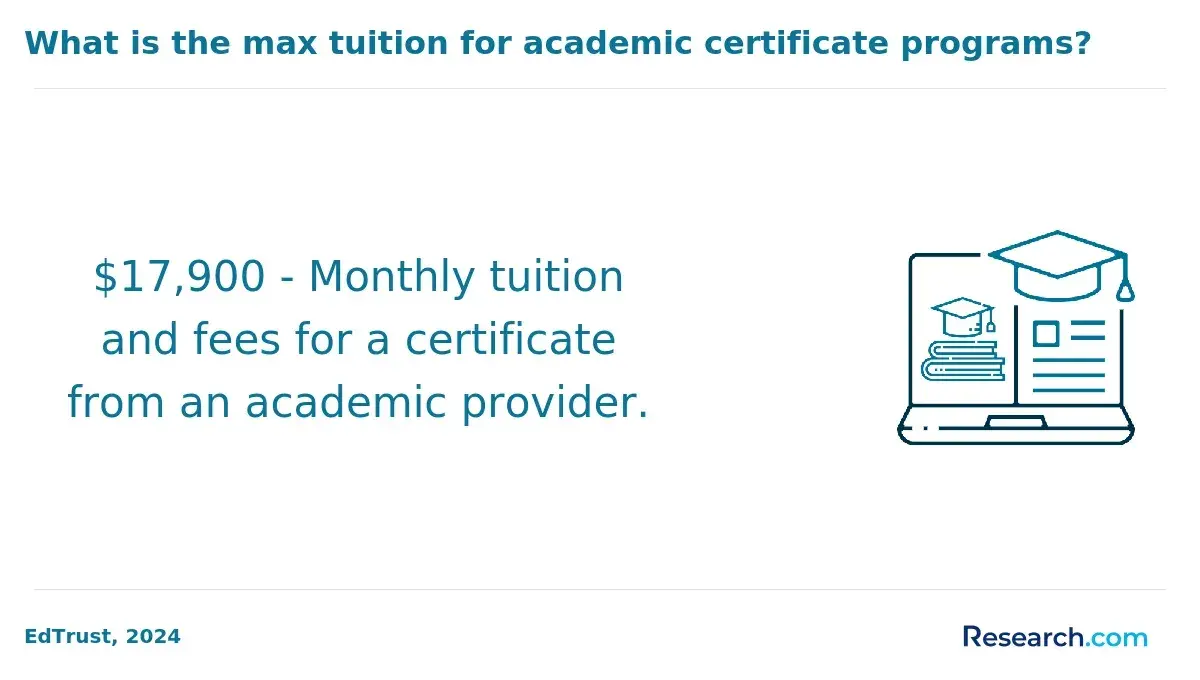
Pursuing advanced credentials in psychology - mental health with social work-prep pathways demands careful consideration of time, cost, and licensure requirements. Master's degrees generally require two years full-time, with part-time options potentially doubling duration, while doctoral programs extend four to seven years, including supervised clinical practice and dissertation work. The financial burden varies significantly, with public universities charging $12,000-$25,000 annually for in-state students and private institutions ranging from $30,000-$50,000. Additional costs such as exam fees and internships can surpass $5,000, impacting total investment.
For working professionals, balancing opportunity cost-lost income and time-is critical. For instance, a full-time social worker pursuing a part-time master's must weigh employer tuition assistance against diminished earnings and extended program length. Employers increasingly require at least a master's degree combined with supervised clinical experience, limiting the viability of short certificate programs for licensed roles.
Gender disparities compound competitive pressures: men hold only 20% of psychology master's and 12% of social work master's degrees, altering hiring dynamics and access to networks. Prospective students should rigorously evaluate how programs integrate practicum hours and state-specific licensure preparation, as these directly influence employability timelines and return on investment.
What jobs can you get after a social work-prep psychology degree?
A social work-prep psychology degree positions graduates primarily for entry- to mid-level roles, but meaningful career progression hinges on additional licensure or certifications beyond the degree itself. For instance, becoming a licensed clinical social worker (LCSW) requires a master's degree and supervised hours, situating the bachelor's-level psychology component as only one part of the credentialing pathway.
Employers in community mental health centers, hospitals, schools, and social service agencies expect candidates to demonstrate documented field experience alongside interdisciplinary skills such as crisis intervention and cultural competence. Without specialized social work licensure or credentials like Licensed Professional Counselor (LPC), graduates often find themselves limited to support positions-such as case coordinators in child welfare or substance abuse programs-where opportunities and income potential are constrained.
The employment outlook shows steady growth around 6%, aligned with Bureau of Labor Statistics projections of about 14,100 psychologist job openings annually. This signals stable demand but also highlights a competitive landscape for roles requiring advanced certification.
Prospective students should anticipate a multi-step licensing process involving exams, supervised practice, and ongoing education to fully unlock the clinical career track. The choice to focus on social work-prep psychology should be weighed against the practical challenges of licensure and the risk of employment narrowing if one stops at the foundational degree.
What salary and job outlook apply to related mental health roles?
Advancing beyond entry-level direct-care roles in psychology - mental health significantly affects earning potential and job stability. Median salaries for management positions in this field hover around $116,880, according to the Federal Reserve Bank of New York (February 2024), underscoring the financial benefits of acquiring supervisory or administrative skills. By contrast, frontline clinical roles such as licensed clinical social workers and mental health counselors generally start between $50,000 and $70,000, with variation dependent on geographic location and work environment.
Job growth for social workers and related mental health specialists is projected between 10% and 20% through the mid-2020s, driven largely by demand in healthcare settings, educational institutions, and government agencies.
The tradeoff between specializing in direct clinical practice versus pursuing leadership roles is central to career strategy. Candidates who blend social work knowledge with management training can better navigate this balance to maximize compensation and job security. Realistically, advancement beyond frontline duties often dictates access to upper salary brackets and enhanced long-term workforce resilience.
What licensing or certification steps follow these psychology programs?
Licensure in psychology - mental health careers aligned with social work pathways hinges on navigating divergent state mandates that govern exam content, supervised clinical hours, and post-licensure requirements. Candidates must complete an accredited Master of Social Work (MSW) program followed by 2,000 to 4,000 supervised hours to qualify for the Licensed Clinical Social Worker (LCSW) or equivalent license. This practical experience threshold aligns with employer expectations, especially given the prevalence of mental health and substance abuse roles demanding verified competence.
For example, clinicians aiming for hospital-based practice typically must secure LCSW licensure, which involves comprehensive state exams and oversight hours, whereas community counseling positions might prioritize certifications in substance abuse counseling that enhance but do not replace state licensure. These distinctions materially affect the time and financial investment required.
The national median salary of $60,060 paired with projected job growth illustrates strong labor market demand; however, the varied state rules impose strategic planning burdens. Core ongoing requirements include 20-30 hours of continuing education biennially to retain credentials, adding another layer of compliance for practitioners.
Those pursuing this pathway should prioritize early alignment of graduate coursework, internships, and supervision with specific state requirements to avoid delays or disqualification. Understanding these variable licensure elements is central to realistic career planning and managing the practical tradeoffs between gaining credentials and entering the workforce.
Other Things You Should Know About Psychology - Mental Health
Psychology - mental health programs with heavy research or theoretical workloads may leave students underprepared for the hands-on demands of social work field placements. Programs that balance clinical hours with academics better simulate workplace realities and improve skill development. It is advisable to select options where field placements emphasize social service agency collaboration, as this experience has greater practical value for social work career outcomes.
Employers often value psychology degrees for understanding mental health but expect social work-specific competencies in areas like advocacy and systems navigation. Candidates from psychology must demonstrate relevant field experience or additional credentialing aligned with social work standards. For those prioritizing direct service roles within social welfare agencies, pursuing social work licensure or dual degree programs yields stronger employment prospects.
Choose psychology if your goal includes clinical assessment roles or research careers with a mental health focus; however, expect the need for social work supplementary training for direct social service jobs. Opt for a social work degree when your primary aim is community-based intervention, policy work, or case management. The decision depends on whether you prioritize analytical, diagnostic skills or experiential, client-centered practice-both have distinct employer expectations and licensing paths.
References
- What Degree Should You Choose? Comparing Psychology, Counseling, and Social Work | Palo Alto University https://paloaltou.edu/resources/blog/what-degree-should-you-choose-comparing-psychology-counseling-and-social-work
- What You Need to Know about Online Colleges https://www.mefa.org/article/what-you-need-to-know-about-online-colleges/
- Prerequisites for a Masters in Psychology: 5 Helpful Pieces - Prereqcourses https://www.prereqcourses.com/prerequisites-for-a-masters-in-psychology/
- Non CSWE Accredited Bachelor Degrees | Explore Your Options https://www.staging.socialworklicensure.org/social-worker-education/non-cswe-accredited-programs/
- Accreditation and/or licensing requirements | SWTP https://socialworktestprep.com/blog/2024/october/25/accreditation-and-or-licensing-requirements/
- Joint Accreditation for Interprofessional Continuing Education Expands to Include Accreditors in Psychology and Social Work | Joint Accreditation https://jointaccreditation.org/news/joint-accreditation-psychology-social-work/
- Community College vs Online Degrees: A Comparison https://www.sophia.org/blog/higher-education/community-college-vs-online-degree/
- Psychology and Social Work | An Educational Path | NMU https://online.nmu.edu/psychology-and-social-work/
- Psychology Grad School Guide & Requirements | Psychology.org https://www.psychology.org/resources/graduate-application-guide/
- Social Worker vs Psychologist https://onlinecounselingprograms.com/mental-health-careers/how-to-become-licensed-social-worker/social-worker-vs-psychologist/