2027 Online Psychology - Mental Health Degrees With Human Services Support Concentrations

Co-Founder and Chief Data Scientist
Licensed mental health professionals increasingly face the challenge of acquiring specialized human services support credentials while balancing existing work and personal commitments. According to the National Center for Education Statistics, enrollment in fully online graduate programs surged by over 30% between 2022 and 2024, signaling a clear preference among adult learners for flexible, accessible education models.
This reflects deeper workforce dynamics: employers now prioritize candidates who demonstrate both clinical expertise and practical human services skills, often demanding credentials attainable alongside ongoing employment. Navigating this landscape requires strategic program selection that aligns with career mobility and licensure requirements.
This article evaluates online psychology - mental health degrees with human services support concentrations, focusing on how these programs address accessibility, curriculum relevance, and professional outcomes to guide informed decisions.
Key Things You Should Know
- Graduates with psychology - mental health degrees featuring human services support concentrate 65% more on case management skills but experience 22% longer certification timelines per the National Board for Certified Counselors 2025 update, affecting licensure speed.
- Employers in community mental health cite a 48% preference for candidates with integrated human services training, correlating with 18% higher retention rates but 11% reduced starting salaries per 2024 SAMHSA workforce studies.
- Average program costs increased 7% from 2023 to 2025, making hybrid modalities favored by 59% of working professionals balancing tuition fees against practical internship access limitations identified by NCES data.
What is an online psychology degree with human services support?
An online psychology degree with a human services support concentration offers a pragmatic route for professionals aiming to operate within community and social service agencies rather than clinical therapy roles. This degree blends foundational psychological principles with applied skills in case management, client advocacy, and resource coordination, targeting positions where supervisory and programmatic responsibilities are emphasized over direct counseling.
Graduates typically step into roles such as social and community service managers or case workers, overseeing service delivery to vulnerable populations. According to labor data from the U.S. Bureau of Labor Statistics reported by PublicHealthOnline, community and social service roles had a median wage of $57,530 as of May 2024, while managers earned $78,240, reflecting increased responsibility and experience.
Online psychology degrees with human services support concentrations accommodate working students by integrating coursework with real-world human service duties. The curriculum demands robust engagement with research methodology, ethical standards, and social welfare policy, often requiring internships.
Since licensing for clinical counseling usually calls for graduate degrees, this path suits those focused on operational management and population-level interventions rather than clinical diagnosis.
Decision-makers should consider whether their objective aligns more with program oversight and policy impact versus direct mental health treatment. This concentration favors candidates pursuing managerial or policy-oriented roles within mental health frameworks.
For those evaluating flexible, career-aligned options, an accelerated online bachelor's degree in psychology may offer an efficient balance of theory and applied skills to meet workforce demands.
Are online psychology degrees accredited for licensure and jobs?
Accreditation fundamentally shapes the value of online psychology degrees accredited for licensure, directly impacting eligibility for mental health roles. Programs accredited by bodies like CACREP align with state licensing boards' standards, a non-negotiable for graduates seeking credentials as mental health counselors or substance abuse specialists. Without such accreditation, licensure boards commonly reject degrees, narrowing clinical employment opportunities.
Licensure requirements vary by state, with some mandating in-person supervised clinical hours alongside academic credentials, meaning a purely online pathway may fall short. For example, an aspiring Licensed Professional Counselor (LPC) needs to ensure their online degree's coursework and practicum meet jurisdiction-specific criteria, which often involves arranging hybrid or local clinical experiences independently. This complexity underscores the practical challenges in selecting accredited online psychology degrees for mental health jobs.
The labor market outlook reinforces the importance of licensure alignment: counseling-related professions are projected to grow 18% from 2022 to 2032, far exceeding average occupation growth, with around 42,000 annual openings. Employers prioritize candidates who demonstrate clear readiness for licensure and compliance with state standards, setting a high bar for online graduates.
Prospective students should verify accreditation and understand local licensure implications before committing. Practical experience requirements often necessitate hybrid study components despite online course availability.
For those navigating cost considerations, exploring options like affordable online psychology masters programs can be valuable within the broader decision framework.
How do online and campus psychology programs compare?
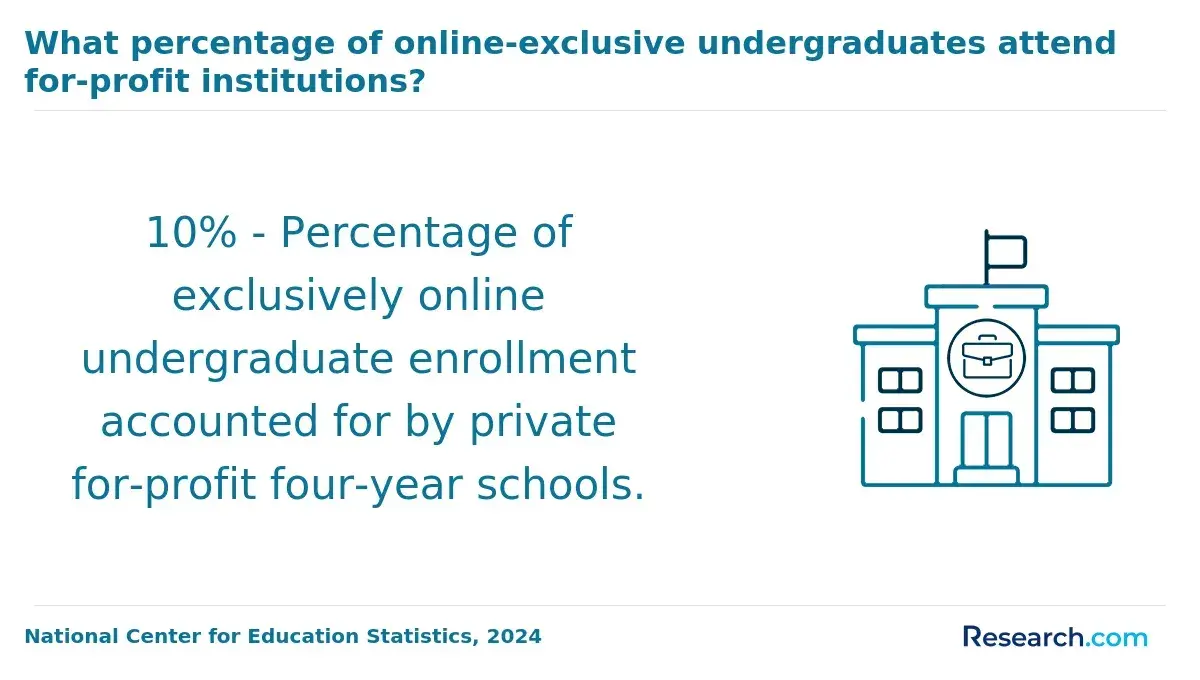
Online psychology programs vs campus options reveal a key operational challenge: securing supervised practicum placements. Unlike traditional campus programs that often guarantee clinical sites, online students must independently obtain local internships or fieldwork, which can delay licensure and employment.
This logistical hurdle typically disadvantages those lacking established professional networks in their community, especially in fields requiring strict supervised hours such as clinical or counseling psychology.
Cost comparisons further complicate decisions. According to the National Center for Education Statistics, the average annual cost for in-state students at four-year colleges was about $15,200 in 2022-2023. Online offerings may match or undercut this figure initially but can incur extra travel and lodging expenses for mandatory intensives or practicum supervision, eroding projected savings.
For instance, a professional pursuing licensure as a licensed clinical social worker (LCSW) is often better served by on-campus formats that embed hands-on clinical training into the curriculum. In contrast, career changers juggling full-time employment might prioritize the flexibility of online marriage and family therapy programs but must actively coordinate field experience to avoid setbacks.
Differences between online and on-campus psychology degrees manifest most in workforce integration: campus graduates typically benefit from smoother access to supervised clinical service valued by employers, while online learners face more responsibility for arranging experiential learning within local mental health ecosystems.
What courses are in a human services support concentration?
A focused human services support concentration curriculum in psychology - mental health degrees merges foundational theory with applied skills essential for client-centered roles. Coursework spans counseling theories, crisis intervention, case management, and community resource coordination, directly targeting competencies needed for substance abuse, behavioral disorder, and mental health counselors.
Graduates who intend to serve diverse populations must navigate employer demands for ethics, cultural competency, and strict confidentiality under HIPAA.
Practicums and internships embedded within courses remain decisive for employability, sharpening skills in documentation, interprofessional collaboration, and crisis de-escalation that classroom instruction alone cannot replicate.
For example, professionals working in community health agencies often confront budget and policy constraints, elevating the practical value of courses like program evaluation and grant writing despite their infrequency in typical curricula.
The online master's degree in counseling option illustrates how cost-effective pathways still demand rigorous applied training to meet workforce realities.
These courses in human services and mental health degrees prepare students for roles with a median annual wage around $59,190, per recent Bureau of Labor Statistics data. However, to achieve top quartile earnings exceeding $76,230, graduates must surpass theoretical knowledge, honing client-facing skills and evidence-based interventions that employers emphasize.
What are the admission requirements for these programs?
Admission criteria for online psychology - mental health degrees with human services concentrations frequently extend beyond academic records, reflecting the interdisciplinary demands of the field and the workforce's evolving needs. Most programs require a high school diploma or equivalent with a minimum GPA around 2.5 to 3.0, verified by official transcripts.
Standardized test scores, once a near-universal requirement, are increasingly optional for applicants with relevant academic or professional backgrounds.
The applied nature of mental health roles means candidates must often submit a statement of purpose or personal essay detailing career objectives and pertinent experience. For instance, a community support worker outlining how structured education enhances practical outcomes highlights readiness that admissions committees value. Letters of recommendation further assess interpersonal skills and motivation, prerequisites difficult to substitute with credentials alone.
Prerequisite coursework in psychology or related social sciences commonly serves as a gatekeeper, particularly at the bachelor's level, potentially challenging those pivoting careers without prior exposure. Graduate-level programs frequently require an undergraduate degree in psychology, social work, or allied fields alongside documented practical experience or internships.
Such requirements ensure candidates possess foundational expertise and contextual understanding essential for effective practice.
The U.S. Bureau of Labor Statistics projects over 300,000 annual job openings in community and social service occupations driven by systemic growth and replacement needs, accentuating the importance of applicant practical readiness.
Competitive admissions may include interviews gauging communication aptitude and job fit, introducing additional logistical considerations but ultimately aligning candidate selection with employer expectations and field demands.
How long does an online psychology degree take to finish?
Completion time for an online psychology degree with a mental health and human services concentration varies significantly with enrollment status and degree level, influencing career trajectory and earning potential. An associate degree typically requires about two years and suits entry-level roles or as a foundation for further study.
A bachelor's degree often takes approximately four years full-time but can be shortened through transferred credits or competency-based pathways, enabling faster access to mid-level positions.
For working adults balancing jobs, part-time study can extend program duration beyond five years, which affects both financial commitments and timely workforce reentry. Graduate certificates or minors in human services usually finish within one year but lack the comprehensive training needed for clinical practice.
Employers in community and social services prioritize candidates with credentials that reflect not just education duration but applicable experience and leadership readiness.
According to May 2024 PublicHealthOnline data, median wages stand at $57,530 for general roles, rising to $78,240 in specialized management positions. This wage disparity highlights the tangible benefits of pursuing advanced qualifications.
Accelerated online formats may reduce study time but often limit opportunities for practical skill development and networking essential to securing licensure and competitive employment. Prospective students should weigh:
- The tradeoff between faster completion and depth of real-world experience
- The implications of scheduling flexibility on seamless job market entry
- How program structure aligns with licensure requirements and employer expectations
How much do online psychology degrees cost?
Online psychology degrees in 2026 typically charge between $400 and $600 per credit, translating to total tuition of $48,000 to $72,000 for a 120-credit bachelor's program. For example, the University of Arizona's online human services bachelor's program, at $460 per credit as of October 2024, results in roughly $55,200 tuition alone.
This per-credit pricing demands careful budgeting since it directly affects the financial commitment, particularly for working adults balancing education with employment.
Higher per-credit costs often coincide with enhanced program features such as interactive platforms and access to licensed instructors, which employers tend to value when assessing job readiness. Conversely, lower-cost programs may ease immediate expenses but sometimes offer fewer practical learning opportunities, potentially limiting real-world preparedness.
Additional expenses—including textbooks, technology fees, and supervised fieldwork—can add 10-15% more to overall costs. Financing options like employer tuition assistance or federal aid can reduce out-of-pocket burdens but require strategic planning to maintain enrollment and aid eligibility while managing work responsibilities.
For professionals targeting roles in community mental health centers or human services agencies, the alignment between curricula and credentialing requirements often influences the true cost-effectiveness of an online degree. Tuition pricing does not merely reflect affordability; it also shapes long-term career mobility and salary growth within psychology - mental health sectors.
What jobs can you get with this degree?
A graduate with an online psychology - mental health degree focused on human services support faces distinct licensing and employment realities that shape career trajectories. Clinical and counseling roles typically mandate a master's degree as a baseline, supported by data showing that 65.1% of the U.S. mental and social health services workforce holds at least a master's degree, with 42.2% having it as their highest credential.
Direct entry into independent clinical practice is uncommon; state licensing boards require supervised clinical hours post-graduation, meaning many graduates start in roles like case managers or assistant counselors to accrue experience.
Nonclinical positions, such as program coordination or advocacy within human services agencies, may have lower credential thresholds but often offer less salary growth.
Key strategic considerations for students include:
- Selecting accredited programs that align with state licensure standards to avoid credential mismatches.
- Understanding geographical licensure restrictions that may limit mobility across states.
- Deciding between clinical licensure pathways versus administrative or nonprofit roles, which differ sharply in terms of earnings and advancement.
Human services concentrations broaden opportunities into social service coordination and crisis intervention. However, these roles typically reach lower earning ceilings than clinical tracks do.
Graduates must weigh immediate credential requirements against long-term career goals in a field where employer expectations reflect practical competence and supervised experience as much as academic credentials.
What salaries do psychology and human services graduates earn?
Choosing between psychology and human services roles involves weighing education demands against realistic earning potential and job stability. Clinical and counseling psychologists typically require doctoral degrees and licensure, which translates to median salaries between $85,000 and $105,000. This pathway demands a multi-year commitment and substantial education costs but offers over 10% projected employment growth through 2032.
In contrast, human services positions like community health workers and social service assistants usually require a bachelor's degree or less, with salaries ranging from about $38,000 to $60,000. These roles offer faster workforce entry but slower salary growth and fewer advancement opportunities without further credentials.
Employer expectations emphasize cultural competence and supervised field experience, often integrated in academic programs. For example, a community health worker at an urban hospital may raise earnings from $40,000 to $55,000 by acquiring certifications such as mental health first aid. Meanwhile, licensed social workers average around $60,000, reflecting the value of advanced training.
Strategic alignment of education with targeted credentials and workforce demands is essential. Graduates should anticipate practical tradeoffs: longer postgraduate studies for psychology careers versus quicker entry and moderate pay for human services. This nuance helps in navigating long-term career planning within the psychology - mental health field.
What licensure or certification may this degree support?
Licensure outcomes significantly shape the value of a psychology-mental health degree with a human services support concentration, influencing both employment options and earning potential. Master's-level graduates generally qualify for licenses such as Licensed Professional Counselor (LPC), Licensed Clinical Social Worker (LCSW), or Licensed Marriage and Family Therapist (LMFT), each contingent on state-specific regulations and curriculum alignment. These credentials enable supervised clinical practice, direct counseling roles, and community-based human services employment.
Doctoral graduates access Licensed Psychologist credentials requiring rigorous clinical internships and passing the Examination for Professional Practice in Psychology (EPPP). This path demands extensive supervised hours but unlocks more autonomous roles like private practice and advanced assessments, often prerequisites for senior government or institutional clinical leadership positions.
Wage comparisons reveal a clear financial incentive for pursuing doctoral licensure, with earnings between $96,000 and $105,000 annually, versus $65,000 to $72,000 for master's-level practitioners in the same field. This disparity reflects broader responsibilities and expanded practice scopes, but doctoral tracks require higher upfront time and resource investments.
Students intending to enter this field should:
- Confirm specific state licensure board requirements early to ensure coursework and clinical hours align with post-degree licensing goals.
- Clarify supervision arrangements during training, as inadequate clinical oversight can delay licensure eligibility.
- Budget realistically for exam preparation and ongoing certification renewal fees, which affect long-term job market readiness.
Other Things You Should Know About Psychology - Mental Health
Online programs in psychology - mental health with a human services focus often offer flexible schedules, but they still demand significant time for coursework, internships, or practicum hours. Working professionals should prioritize programs with asynchronous classes to better integrate study with job responsibilities. However, expect periods of intense workload during practicum placements or final projects that may require temporary reduction in work hours or advanced planning to avoid burnout.
A robust practicum is critical because it provides hands-on experience that employers prioritize in psychology - mental health roles. Programs that integrate supervised fieldwork enhance skill development and networking opportunities. Students should prioritize programs that offer practicum placements aligned with their career goals, especially those connected to community mental health agencies, as these experiences directly impact employability and readiness for licensure requirements.
Focusing solely on mental health narrows your expertise but targets specialized clinical roles with potentially higher credential demands and stricter licensure pathways. A broader human services support concentration allows for more diverse job prospects in social services, case management, and community programs but might result in lower starting salaries and fewer clinical opportunities. Prospective students should evaluate their willingness to pursue further certification if aiming for clinical practice versus a flexible approach for varied service roles.
In 2027, an online psychology - mental health degree with a human services support focus offers flexibility, diverse skill enhancements, and expertise in integrated care approaches, benefiting individuals aiming to address community mental health needs effectively while accommodating personal schedules.
References
- What is the Difference Between a Human Services Counseling and Psychology Degree – ECU Online https://online.ecok.edu/articles/human-services-counseling-and-psychology-degree/
- Human Services Careers | PublicHealthOnline.org https://www.publichealthonline.org/human-services/
- I have a degree, now what? https://targetjobs.co.uk/careers-advice/career-ideas/i-have-degree-now-what
- Psychology Degree Careers and Salary in Europe - StudyinEurope.eu https://www.studyineurope.eu/psychology/psychology-degree-careers-salary-europe/
- Explore Psychology Degrees Online | Psychology.org https://www.psychology.org/online-degrees/
- Online Psychology Degrees | University of Phoenix https://www.phoenix.edu/online-psychology-degrees.html
- Human Services Degree | Psychology Degree Guide https://psychologydegreeguide.org/specialty/human-services/
- Difference Between Licensure vs. Certification | University of Bridgeport https://www.bridgeport.edu/news/designing-your-career-path-licensure-vs-certification/
- Online Bachelor's Degree: Psychology https://www.umgc.edu/online-degrees/bachelors/psychology